


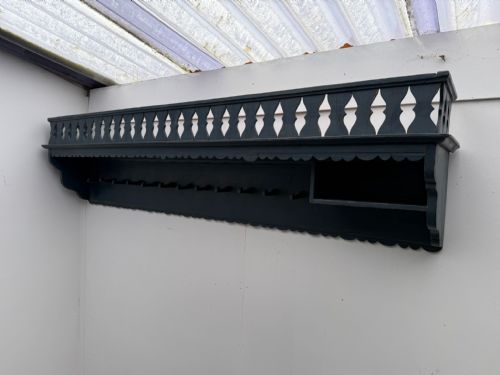
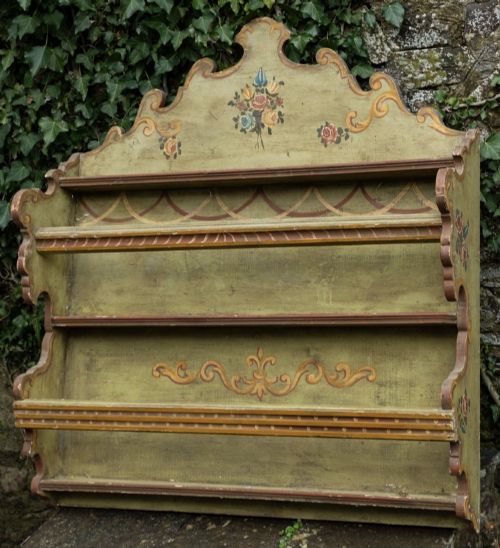


Country Pine Wall Shelf
These country pine wall shelf pieces offer practical storage and rustic charm, built from durable timber to anchor any room.
Country Pine Wall Shelf
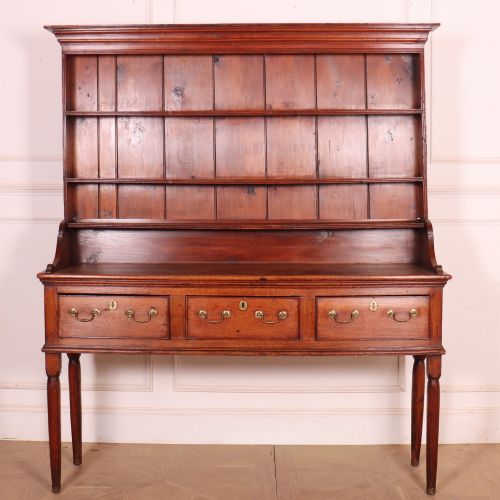
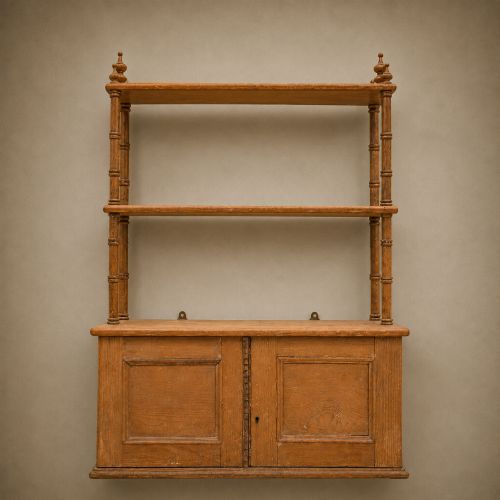
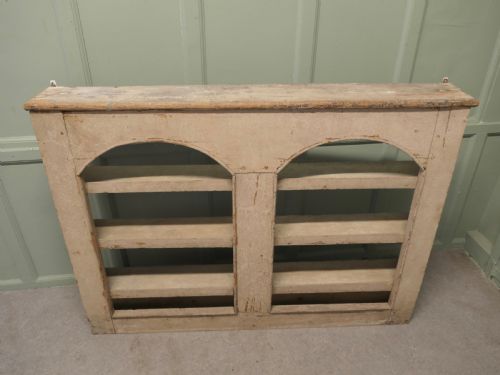
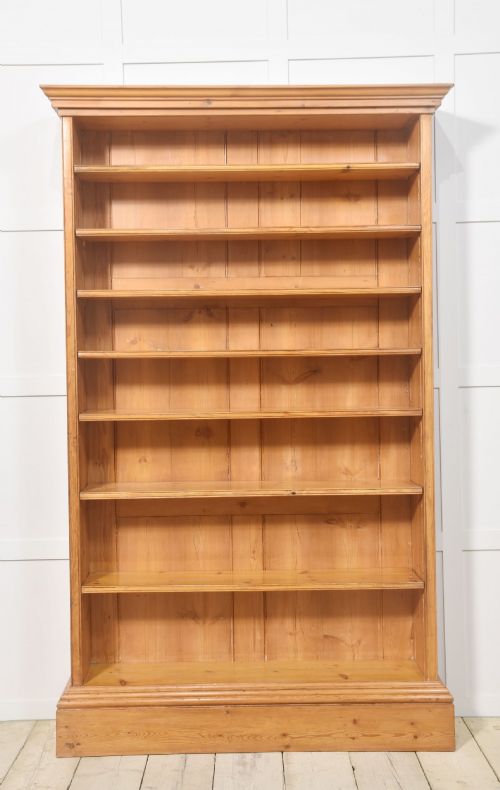
A country pine wall shelf provides open storage or display space, frequently appearing in forms like wall shelves, plate racks, and alcove shelving. These pieces emerge across periods spanning the eighteenth, nineteenth, and twentieth centuries, including Georgian, Victorian, and Edwardian eras.
The items found here reflect diverse regional origins, ranging from English and French provincial workshops to Hungarian country traditions. Buyers encounter various utilitarian formats, from simple open bookcases to combined shelf and cupboard units designed for domestic utility.
Makers shaped these fixtures for functional daily use in kitchens, hallways, and living spaces. The surviving examples demonstrate how households stored plates, books, and household goods over generations.
How they were made
Carpenters constructed these fixtures primarily using solid pine, occasionally combining oak elements or utilising pitch pine for structural resilience. Surfaces often show historic finishes of paint, distemper paint, or plain timber treated with simple oils.
Joinery methods relied on traditional manual woodworking techniques suited to utilitarian furniture production. Makers integrated practical hardware, metal fittings, and occasional mirror glass depending on the specific functional type.
Listings feature pine and painted wood across the eighteenth, nineteenth, and twentieth centuries, encompassing styles from French provincial to folk art.
What varies in quality
Quality rests on the integrity of the original timber construction and the harmony of proportions. Pieces that retain their early surface treatments, such as original paint or distemper, demonstrate greater authenticity than stripped or overly restored examples.
The sophistication of the joinery and any decorative detailing, such as carved mouldings or integrated architectural elements like columns, separate standard utility items from finer vernacular commissions.
The Country Pine Wall Shelf Glossary
- Plate rack
- A wall-mounted shelving unit specifically designed with grooves or slatted rails to display plates upright. These fixtures kept tableware accessible and dry in domestic kitchens.
- Distemper paint
- A water-based medium utilising chalk and pigment bound with animal glue, commonly found on early wall furniture. This traditional finish yields a matte surface that mellows gracefully over time.
- Pitch pine
- A dense, resinous softwood utilised for robust furniture construction. This material provides enhanced durability and a distinct grain pattern compared to standard white pine.
- Alcove shelving
- Fitted storage units designed to occupy wall recesses. These pieces maximise interior space by utilising awkward architectural niches.
Country Pine Wall Shelf: Frequently Asked Questions
Where were these shelves used?
These shelves served primarily in domestic kitchens, dining rooms, and hallways for practical storage and display.
Households utilised them to keep frequently accessed items close to hand while saving floor space in smaller rooms.
How do I date a shelf?
Dating relies on examining construction techniques, tool marks, and the ageing patterns of the timber. Hardware types and original paint layers also offer reliable indicators of period manufacture.
Comparing the stylistic vernacular, such as Georgian or Victorian proportions, helps narrow the decade of origin.
Are painted finishes original?
Many pieces retain historic layers of paint, distemper, or folk art decoration applied during their working life. Close inspection under natural light reveals whether paint surfaces are contemporary to the wood.
Original finishes often exhibit craquelure, wear patterns, and subtle patination consistent with centuries of use.
How do I hang a wall shelf safely?
Secure hanging requires locating wall studs or utilising appropriate masonry fixings matched to the weight of the solid timber. Pine fixtures can be heavy, especially when loaded with books or ceramics.
Distributing weight evenly across multiple mounting points ensures the historic structure remains stable.