


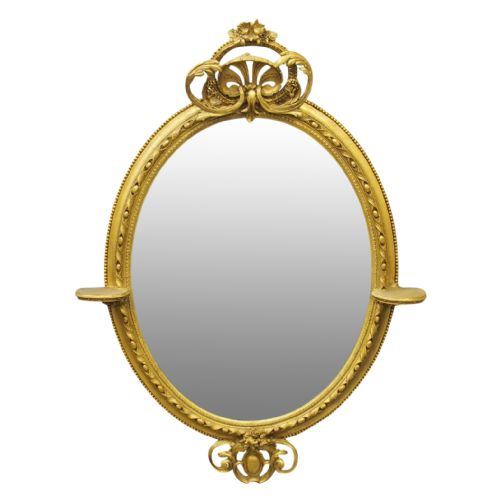


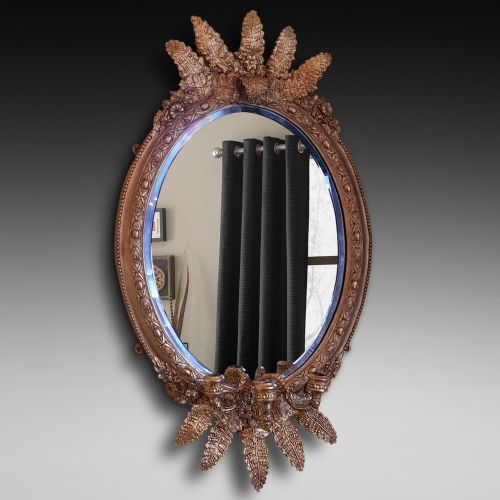
Victorian Bracket Wall Mirror
These Victorian bracket wall mirrors combine reflective glass with integrated display architecture, offering both practicality and ornate decorative presence for the home.
Victorian Bracket Wall Mirror
When you search for a victorian bracket wall mirror, you encounter pieces designed to reflect light whilst simultaneously holding small decorative objects on built-in ledges or consoles.
The selections here span the nineteenth century, featuring styles from Rococo Revival and Neoclassical to French Chateau and George I revival.
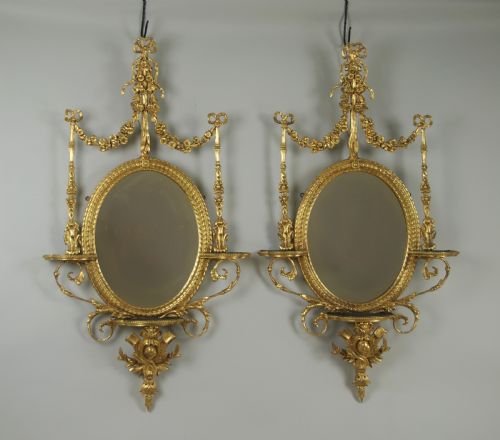
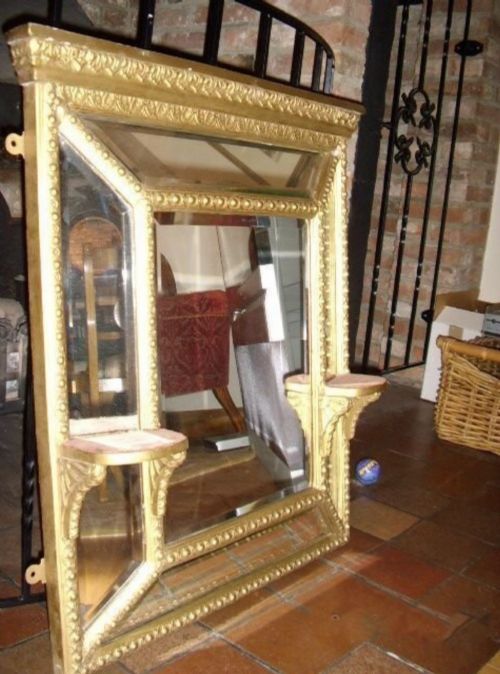
You will most frequently meet giltwood and gesso oval or rectangular frames, often accompanied by matching display shelves, brackets, or console tables.
Materials and construction methods
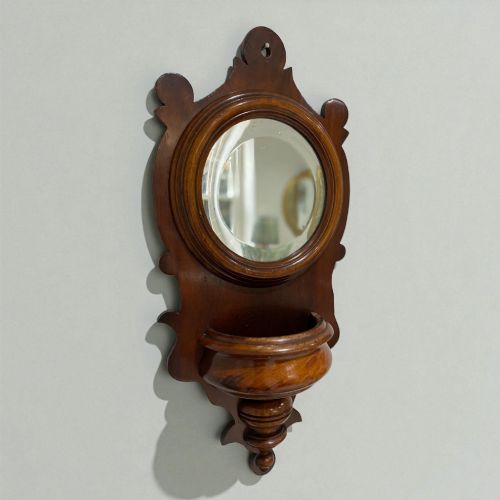
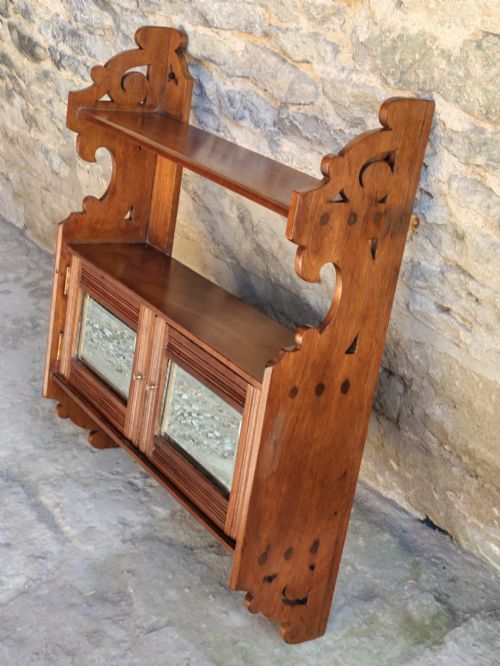
Carved timber frames formed from pine, walnut, or giltwood provide the structural foundation, frequently embellished with moulded gesso ornamentation.
Reflective surfaces utilise traditional mirror glass, sometimes enhanced by bevel cuts or marginal arrangements to catch the light.
Metal elements such as brass appear alongside parcel-gilt details to enrich the visual depth of the display shelves and mirror surrounds.
Listings feature walnut, pine, and giltwood frames spanning the nineteenth century.
Standards of craftsmanship and design
The crispness of the carved detail in the gesso and wood dictates the visual hierarchy, separating standard mouldings from deeply articulated ornamentation.
Integration between the mirror frame and the display bracket reveals the maker's hand, where seamless joining preserves both stability and elegance.
The clarity and preservation of the original glass plate, alongside the intactness of the gilding, define the overall integrity of the piece.
The Victorian Bracket Wall Mirror Glossary
- Giltwood
- Timber that has been coated with fine gold leaf. This finish defines the opulent appearance characteristic of many nineteenth-century pieces.
- Gesso
- A plaster-like mixture applied to wood frames before gilding. It allows craftsmen to carve intricate relief ornaments.
- Bevelled glass
- Mirror glass with angled edges cut and polished to a thinner margin. This technique refracts light and adds dimensional depth.
- Pier glass
- A tall mirror designed to hang on the wall between windows. These often sit above small tables or consoles.
- Overmantel mirror
- A large mirror intended for placement above a fireplace mantel. They frequently incorporate integrated brackets or shelves.
Victorian Bracket Wall Mirror: Frequently Asked Questions
How were these wall mirrors used?
These pieces served a dual purpose in nineteenth-century interiors, functioning as both functional looking glasses and display ledges for small ornaments.
Homeowners placed them in reception rooms or parlours to amplify natural light while exhibiting prized porcelain or figurines on the attached brackets.
Where should I hang one?
They suit entrance halls, drawing rooms, or above mantelpieces where their reflective surfaces can bounce light across the space.
Ensure the wall construction supports the combined weight of the timber frame and any display items placed on the brackets.
How do I identify the style?
Stylistic cues point to specific revivals, such as ornate scrolling foliage for Rococo pieces or symmetrical restraint for Neoclassical examples.
Materials like walnut suggest country or revival aesthetics, whereas bright giltwood leans towards formal Victorian reception rooms.