








Grey Gesso Wall Mirror
A grey gesso wall mirror brings depth and historic texture to a room, offering a painted finish that bridges French and English interior styles.
Grey Gesso Wall Mirror
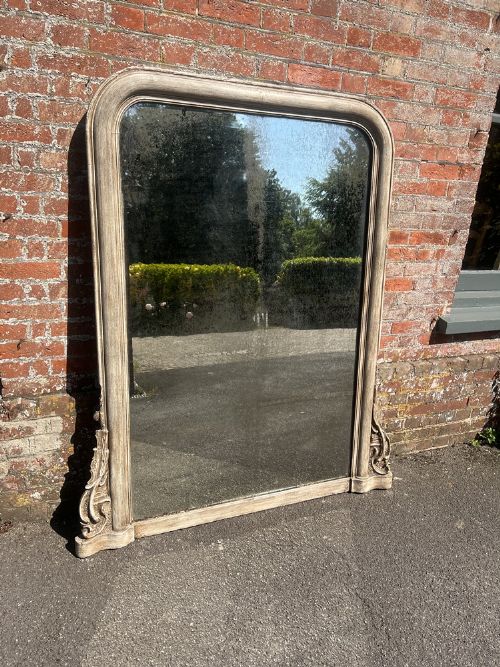
A grey gesso wall mirror is typically a substantial piece of interior furnishing, originating largely from the nineteenth century with examples stretching into the Edwardian period and early twentieth century. When searching for a grey gesso wall mirror, buyers encounter grand overmantel designs, arched top formats, and shaped frames suited to domestic spaces.
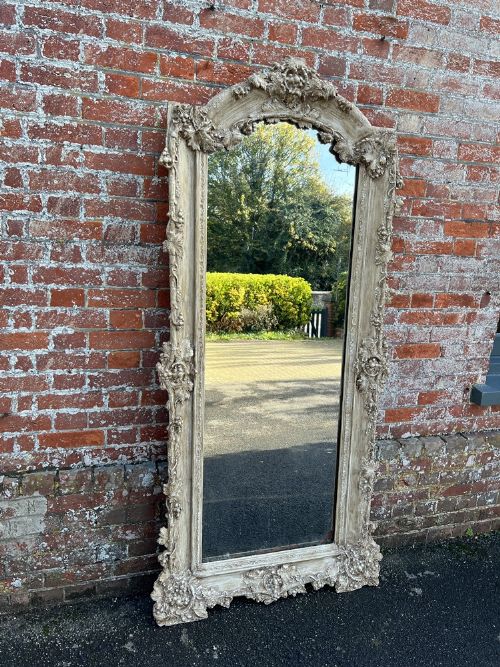
The pieces appearing here span French provincial, French chateau, Gothic revival, and neoclassical traditions. English interpretations appear alongside continental pieces, demonstrating how makers adapted painted gesso surfaces to diverse regional tastes.
Forms vary from simple rectangular plates to elaborate cushion mirrors, bistro mirrors, and hour glass framed variations. Each object combines functional reflective glass with decorative wooden framing treated with traditional gesso.
Materials and construction
Makers built the foundational structure using carved wood or oak, providing a rigid chassis to support heavy glass plates. Upon this timber base, layers of gesso were applied, a plaster-like mixture that allowed artisans to sculpt intricate mouldings and sharp architectural details.
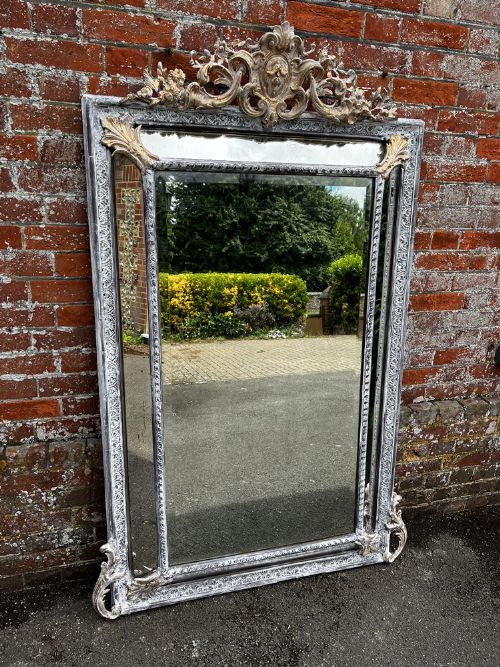
The finished surface received coats of paint, frequently in muted grey tones, sometimes accompanied by partial gilding with gold leaf. This combination of painted gesso over carved wood created a durable decorative skin prone to attractive distress over decades of use.
Materials recorded across the inventory include mirror glass, oak, gold leaf, and painted carved wood sealed beneath gesso.
Judging quality and character
Quality rests in the crispness of the carved wood beneath the gesso and the complexity of the frame profile, such as ribbed mouldings or deeply arched tops. Finer examples maintain structural integrity in the heavy timber frames while showing an authentic, undisturbed build-up of historic paint layers.
The relationship between the glass plate and the surrounding frame dictates visual balance, with superior items integrating the mirror glass seamlessly into shaped cushion or overmantel proportions. The depth of the gesso application and the subtlety of the painted finish separate standard decorative pieces from exceptional historical examples.
The Grey Gesso Wall Mirror Glossary
- Gesso
- A plaster mixture applied to wood frames to create a smooth surface for painting or gilding. This material allows for sharp, detailed relief work on antique mirror frames.
- Overmantel Mirror
- A large mirror designed to hang specifically above a fireplace mantelpiece. These pieces often feature wide proportions to match the width of the hearth below.
- Cushion Mirror
- A frame style characterised by a convex or sloping profile that swells outward toward the outer edge. This form creates a volumetric, sculptural appearance on the wall.
- Louis Philippe
- A mid-nineteenth-century French style known for understated classical restraint and gentle arched top contours. Pieces from this era favour clean lines over excessive ornamentation.
- Gilt
- A thin application of gold leaf applied to portions of the frame, often highlighting carved details against a painted grey background.
Grey Gesso Wall Mirror: Frequently Asked Questions
How do I hang a heavy gesso mirror safely?
These pieces possess substantial weight due to the combination of thick wood, gesso, and mirror glass. Secure fixings directly into wall studs or utilise professional wall anchors rated for heavy loads.
Ensure the hanging wire or brackets attached to the frame distribute the weight evenly to prevent stress on the antique wooden joints.
What rooms suit a grey gesso wall mirror?
The neutral grey painted finish allows these mirrors to integrate easily into both contemporary and traditional interiors. Placing an overmantel version above a fireplace creates a traditional focal point in a living space.
Smaller formats function well in hallways or bedrooms where the reflective glass opens up narrow wall space.
How do I clean an antique gesso frame?
Dust the carved surfaces gently with a soft, dry brush to prevent accumulation in the recesses of the gesso relief. Avoid liquid cleaners or harsh chemicals that can soften historic paint layers and compromise the finish.
Use standard glass cleaner applied to a cloth rather than the mirror surface to protect the surrounding wooden frame from moisture.
How do I distinguish French and English mirrors?
French examples often lean towards chateau, provincial, or neoclassical aesthetics with shaped tops and subtle gilt accents. English iterations frequently display heavier oak construction or distinct Gothic revival characteristics.
Examining the underlying timber and the profile of the gesso moulding usually reveals the regional working methods of the maker.