
Antique Tall Pier Mirror
An antique tall pier mirror commands a room by drawing verticality and light into narrow spaces between windows.
Antique Tall Pier Mirror
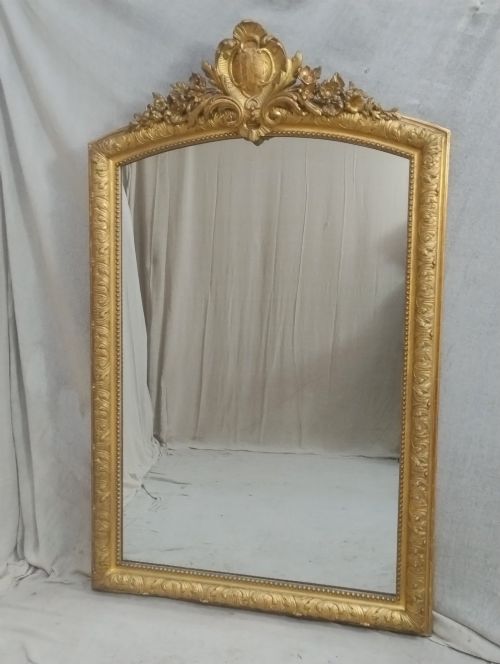
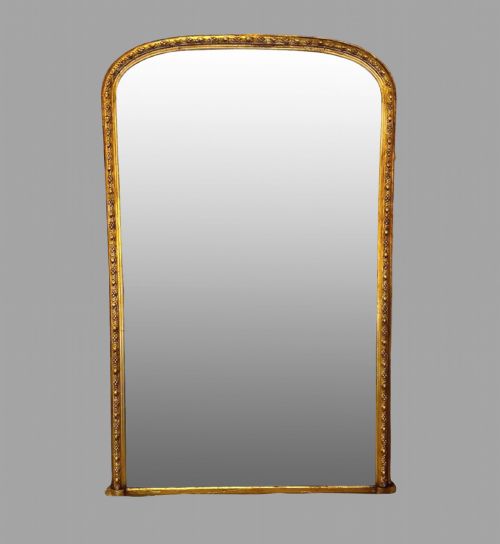
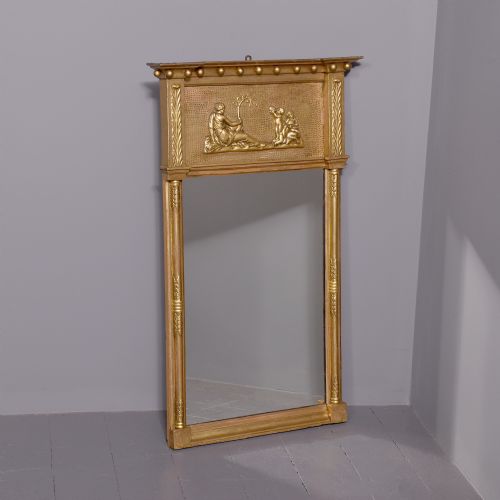
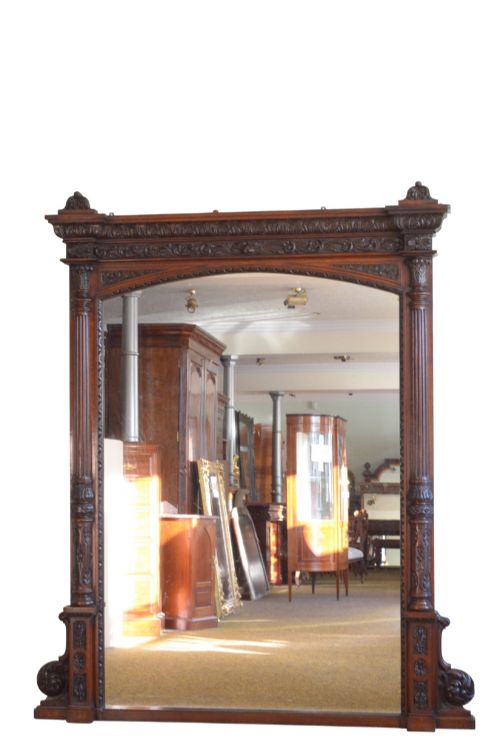
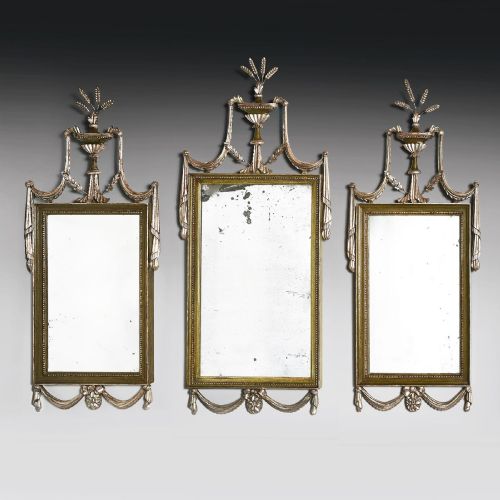
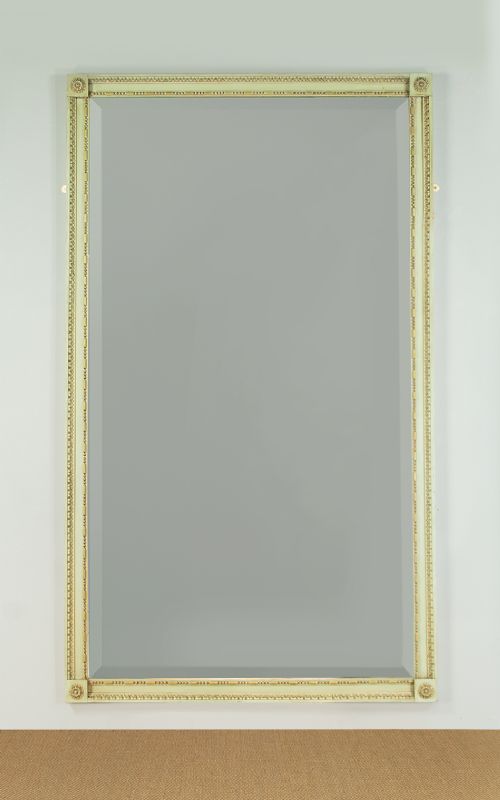
When searching for an antique tall pier mirror, buyers encounter grand vertical glass formats designed to hang on the narrow wall space between two windows. These pieces originate predominantly from the nineteenth century, alongside Georgian, Regency, and early twentieth-century revivals.
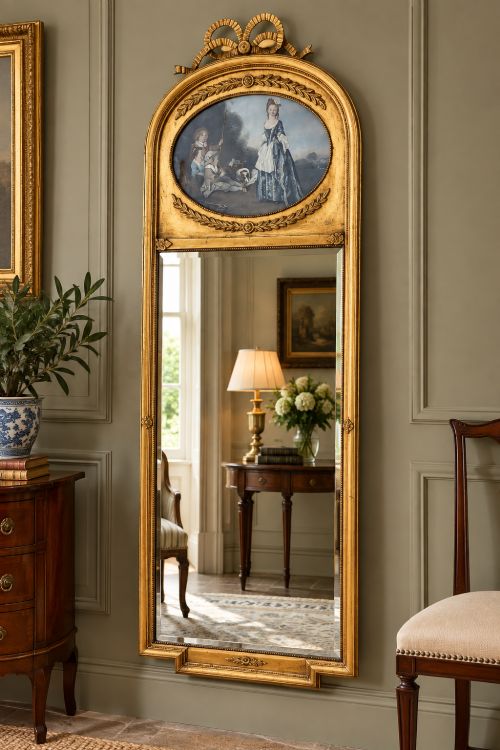
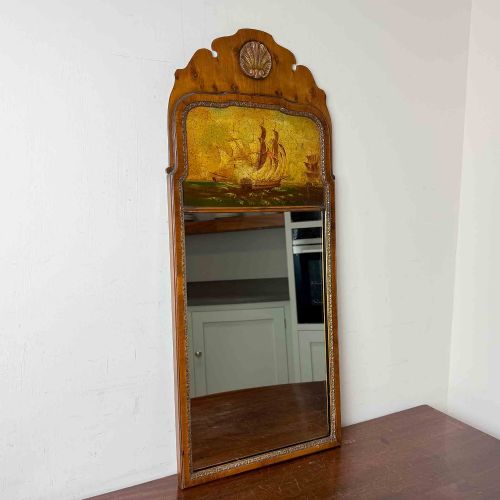
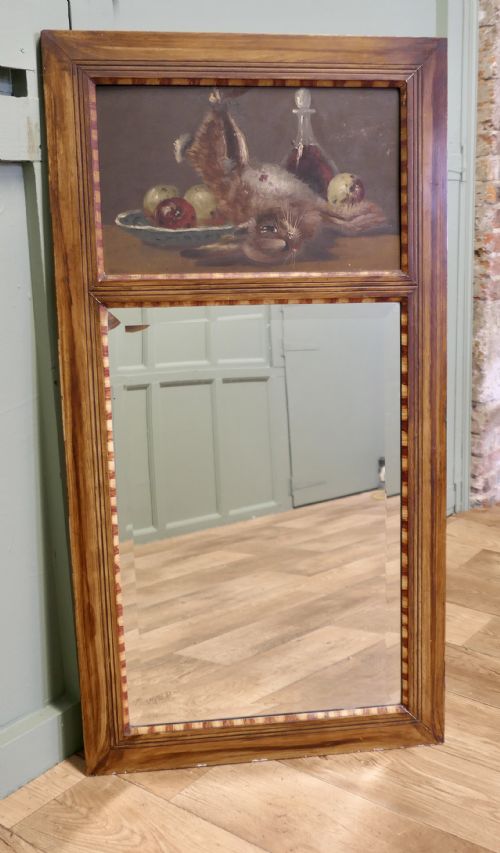
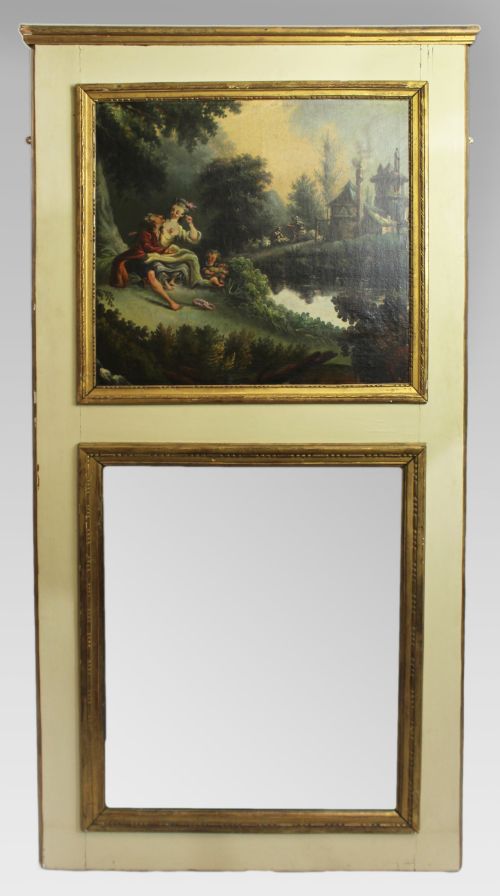
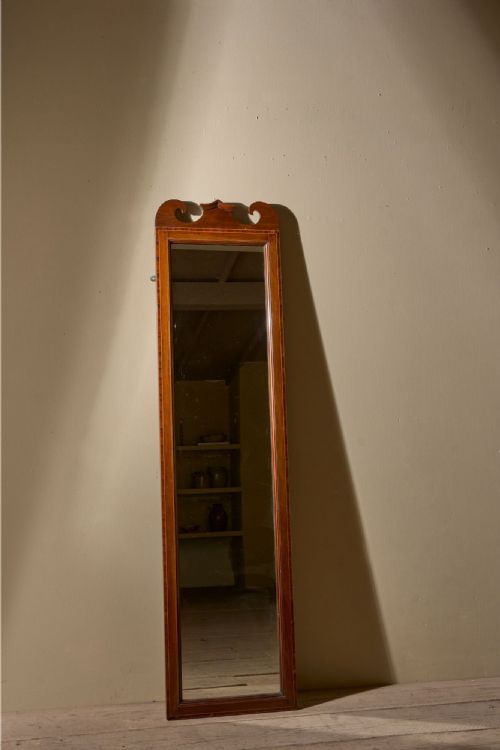
The selections available range from French trumeau panels featuring integrated pastoral oil paintings to stately English giltwood frames with original mirror plates. Proportion is everything with these vertical glasses, which often exceed six feet in height to amplify natural daylight.
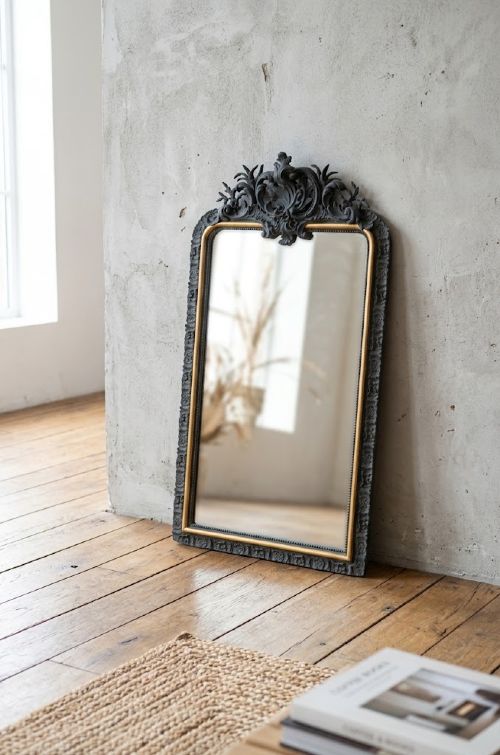
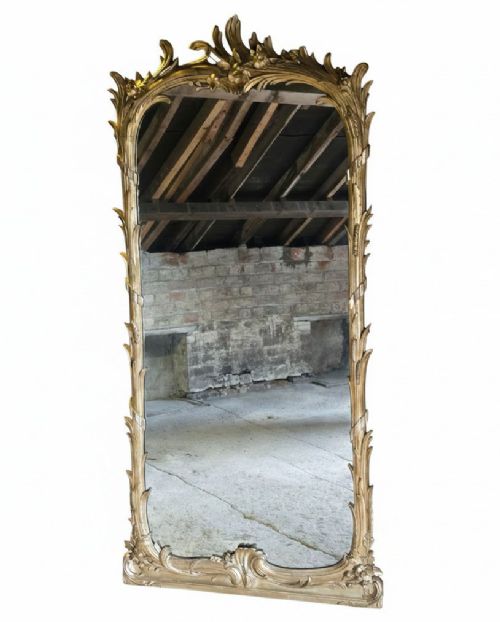
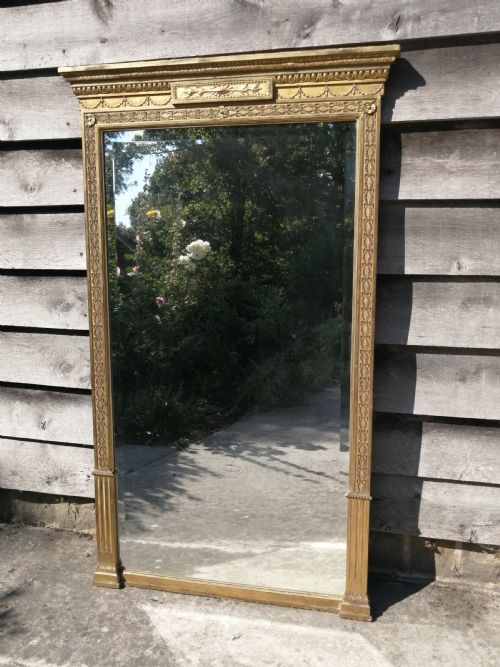
Makers and regional styles vary from ornate French Empire giltwood creations to understated mahogany and solid oak English framing. Buyers most frequently meet nineteenth-century giltwood examples embellished with gesso mouldings, classical columns, or carved rope detailing.
Materials and construction
Traditional workshops constructed these tall frames using solid timbers such as mahogany, oak, and walnut, frequently applying a layer of gesso over carved wood to receive intricate surface ornamentation. Gilding with gold leaf or silvered paint gave these tall glasses their characteristic reflective brilliance.
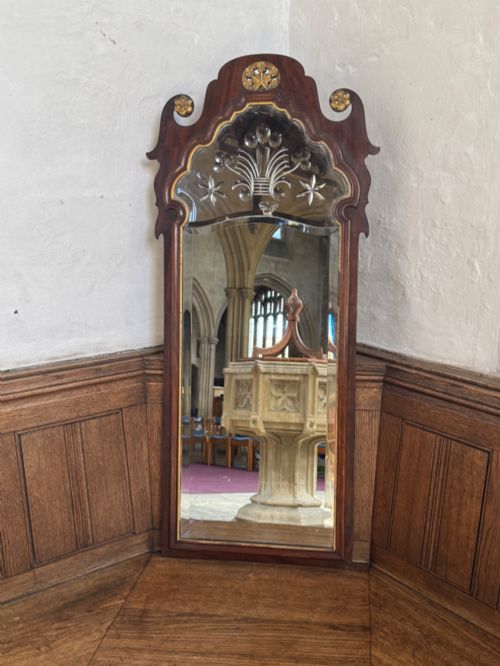
Mirror plates were produced using older techniques, resulting in mercury glass or reverse-cut plates that show age through foxing and mottled oxidation. Structural integrity relied on heavy joinery to support the substantial weight of tall glass within arched or rectangular wooden carcases.
Judging quality in tall mirrors
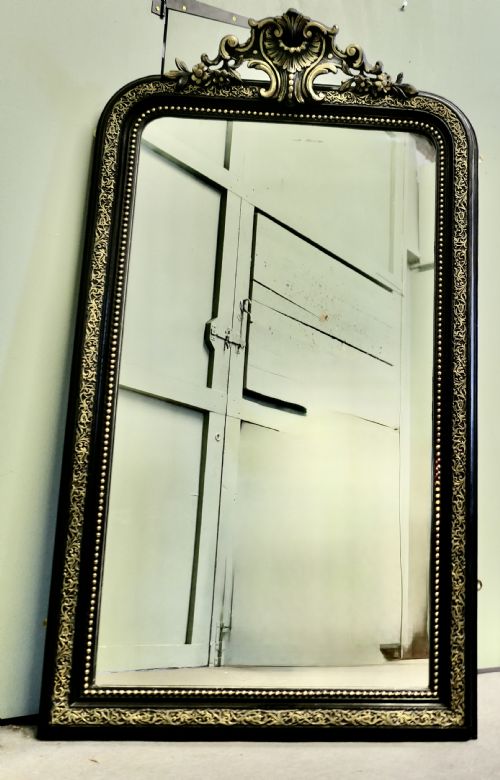
The distinction between standard examples and the finest works rests upon the crispness of the hand-carved gesso details and the depth of the original gilding. Master craftsmen achieved superior definition in floral swags, classical columns, and architectural pediments that lesser workshops merely sketched out.
Originality defines the upper tier of the market, where surviving mercury glass plates and untouched painted or gilt surfaces remain intact. The harmony between the height of the frame and the depth of the carved motifs separates routine domestic mirrors from grand statement pieces.
Gillows Of Lancaster·John Belchier
The Antique Tall Pier Mirror Glossary
- Pier glass
- A large mirror specifically proportioned to hang on the wall space between windows. These tall glasses were originally commissioned to sit above low console tables.
- Trumeau
- A decorative wall panel containing a mirror glass paired with an oil painting or carved wooden relief. French examples from the nineteenth century frequently utilise this format.
- Gesso
- A plaster-like mixture applied to wood frames and carved before gilding. This compound allowed artisans to shape crisp relief decoration.
- Mercury glass
- An early form of mirror plate created by coating the rear glass surface with a silver and mercury amalgam. It produces a soft, mottled reflection with visible dark spots.
- Parcel gilt
- A finishing technique where portions of a painted or wood-grained surface are highlighted with thin gold leaf. This method provides subtle contrast against dark walnut or painted frames.
Antique Tall Pier Mirror: Frequently Asked Questions
Where should I hang a tall pier mirror?
These vertical glasses suit narrow wall spaces, particularly between two windows where they can maximise natural light reflection.
They also function effectively above low console tables or serving cabinets in grand hallways and reception rooms.
What is a trumeau mirror?
A trumeau combines a tall mirror plate with a decorative panel containing either an oil painting or a carved relief.
Originating largely in France, these architectural pieces integrate fine art directly into the wall furniture.
How can I date an antique mirror plate?
Older plates often display slight distortions, handmade irregularities, and characteristic foxing where the silvering has aged.
Original mercury glass yields a softer, deeper reflection compared to crisp modern float glass.
Are these mirrors too heavy for standard walls?
Solid timber and gesso frames carry considerable weight, especially when paired with thick nineteenth-century glass plates.
Secure installation requires heavy-duty fixings anchored directly into structural wall studs or masonry.