




Antique Yellow Rug
An antique yellow rug brings warmth and historic dye work into a room through centuries-old weaves.
Antique Yellow Rug
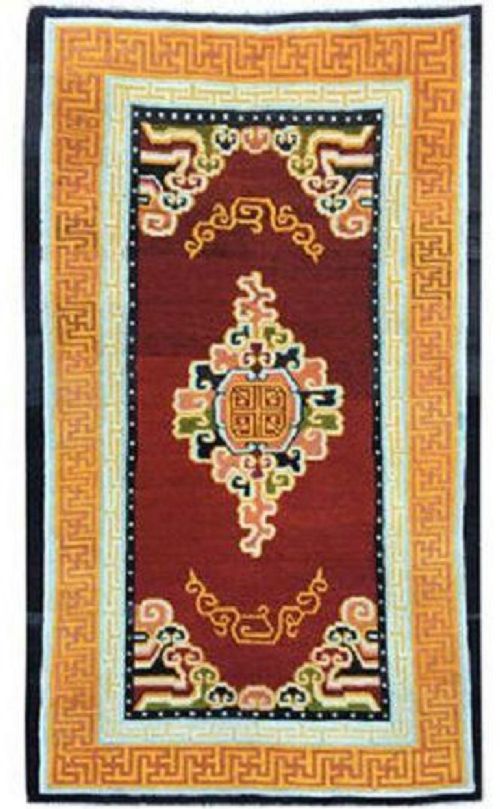
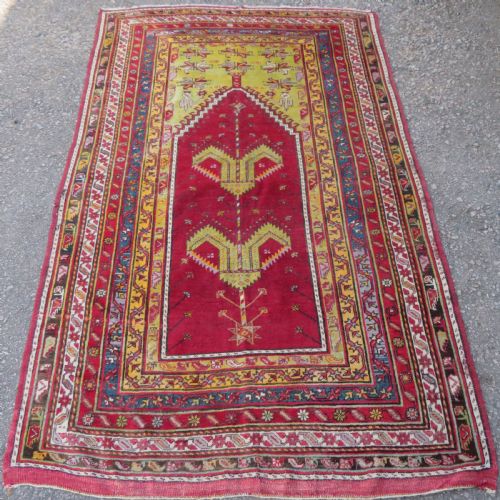
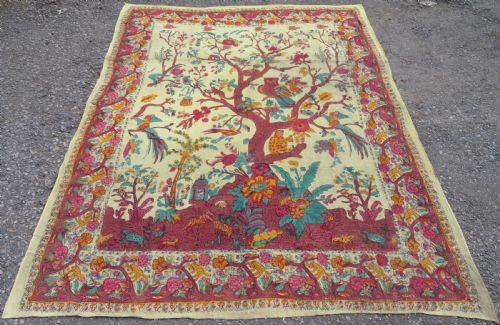
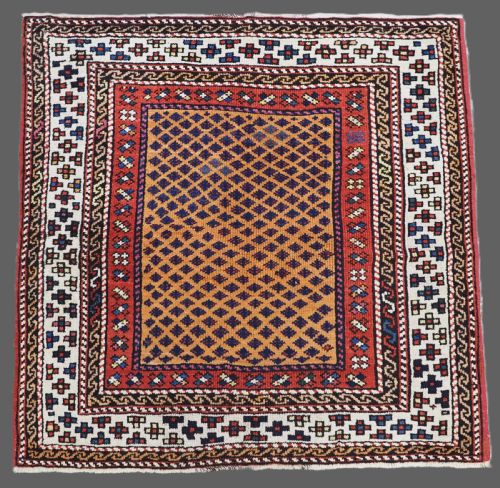
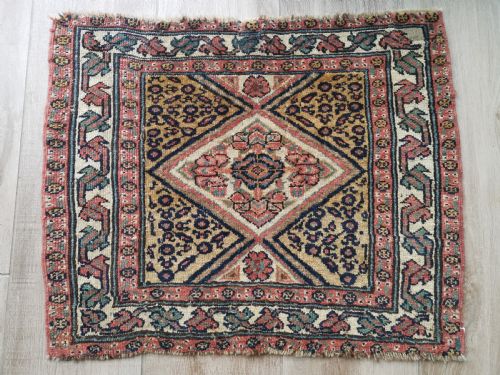
When searching for an antique yellow rug, buyers encounter hand-knotted carpets, flat-woven kilims, and embroidered textile panels created across Anatolia, the Caucasus, Persia, Central Asia, and China. These floor coverings and wall hangings span the mid-nineteenth century through the early twentieth century, displaying regional motifs from tribal medallions to formal lattice and floral repeats.
The yellow ground examples specifically feature fields of golden, straw, or mustard hues derived from natural dye sources. Persian Heriz, Turkish Kirsehir, Caucasian Dagestan, and Chinese Ningxia pieces frequently appear in this palette, demonstrating how diverse weaving traditions utilised sunny tones.
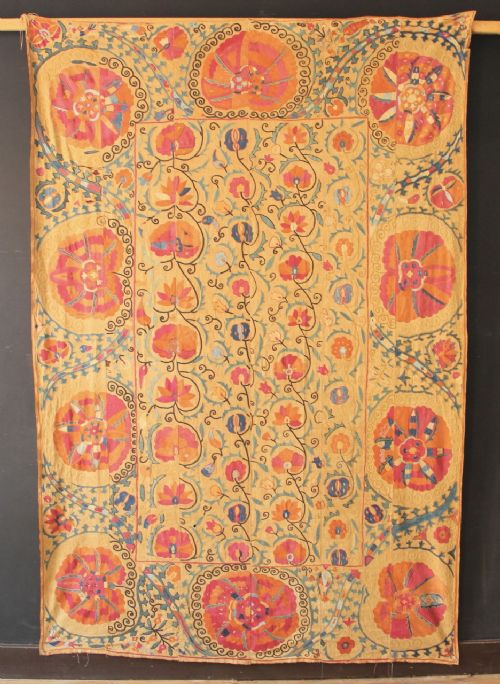
Beyond standard carpets, the category encompasses prayer rugs, square seating mats, runner rugs, and embroidered Uzbek suzanis worked on cotton grounds. Each format reflects the domestic and ceremonial textiles produced across these historic weaving centres.
Materials and construction methods
The pieces rely primarily on wool, cotton, and silk foundations and pile, combined with natural dyes to achieve their distinct coloration. Weavers knotted wool onto wool or cotton warps, while embroiderers worked silk threads onto yellow cotton grounds for decorative wall panels and coverlets.
Natural dye extraction governed the palette before synthetic colours became widespread in the late nineteenth century. Master dyers utilised plant and insect materials to fix stable golden and yellow shades that mellow gracefully over decades of light exposure.
Listings feature wool, cotton, and silk textiles originating from 1850 to 1930 across Central Asia, the Caucasus, and China.
Distinctions in craftsmanship
Quality separates along the precision of the weave and the saturation of the dye work. Finer knots per square inch allow for crisper geometric outlines in Caucasian lattices and sharper floral curves in Persian and Turkish carpets.
The integrity and depth of the yellow ground dictate the visual success of the piece. Master workshops achieved even, luminous golden fields that retain their vibrancy without muddying adjacent indigo, madder, or ivory details.
The Antique Yellow Rug Glossary
- Suzani
- An embroidered textile panel originating from Uzbekistan, typically worked in silk thread on a cotton ground. These large decorative hangings feature bold floral roundels and vine motifs.
- Kilim
- A flat-woven carpet or rug produced without a pile by tightly interweaving warp and weft strands. This technique creates a lightweight textile with identical patterns visible on both sides.
- Prayer rug
- A small format rug featuring a mihrab or niche design at one end, oriented towards Mecca during daily prayers. Turkish and Caucasian weavers frequently employed this layout.
- Warp
- The vertical threads stretched lengthwise on a loom that form the structural foundation of a woven rug. Fringe usually extends directly from these parallel cords.
- Weft
- The horizontal threads passed alternately over and under the warp yarns to hold the knots or flat weave in place. Dense packing of these strands creates a rigid, durable textile structure.
Antique Yellow Rug: Frequently Asked Questions
How do I clean an old wool rug?
Professional dusting and specialist low-moisture washing protect fragile historic fibres and prevent natural dyes from bleeding.
Regular gentle suction without a rotating brush bar removes embedded grit that cuts wool pile over time.
Are these textiles suitable for high traffic?
Sturdier room-sized carpets from regions like Bidjar or Heriz handle moderate walking if supported by a quality underlay.
Delicate silk embroideries, fine prayer rugs, and fragile fragments belong on walls or in low-traffic spaces.
How are production periods identified?
Structural analysis of knot types, edge finishes, and wool characteristics reveals the approximate decade of manufacture.
Palettes dominated by natural dye yellows alongside specific regional motifs help anchor pieces to the nineteenth or early twentieth century.
Why do yellow shades vary so much?
Dyers used different local plants, roots, and mordants to fix yellow hues before chemical dyes entered regional markets.
Subtle shifts in water chemistry and sun exposure over generations also alter the golden tones across individual carpets.