



Antique Yellow Carpet
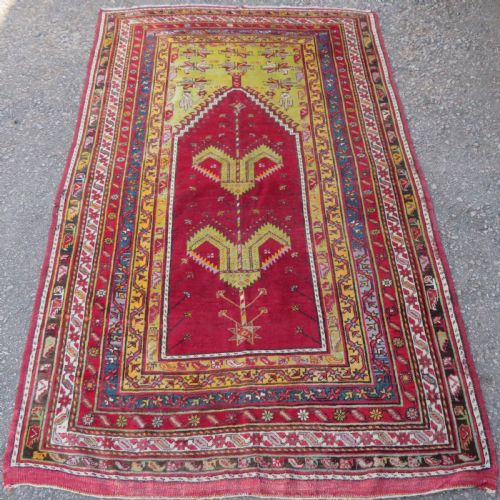
An antique yellow carpet brings warmth and deep pigment to a room, offering centuries of woven character from Persian, Turkish and Chinese looms.
Antique Yellow Carpet
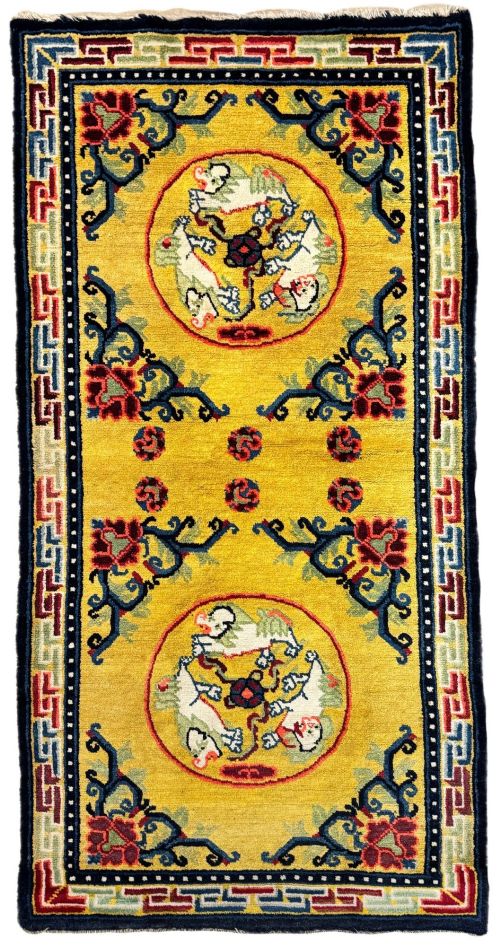
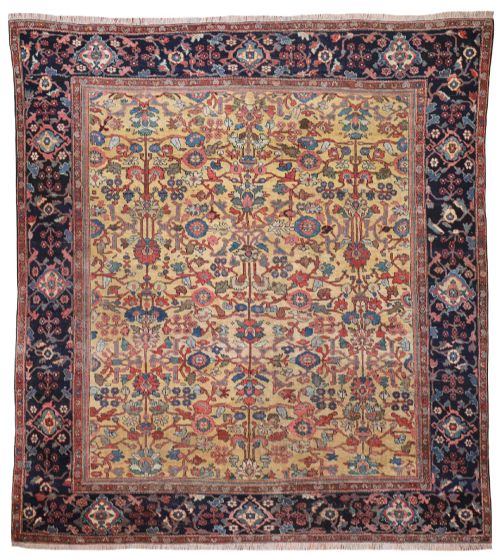
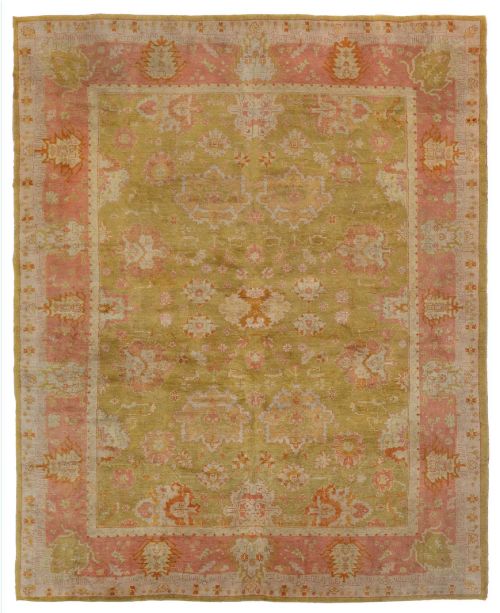
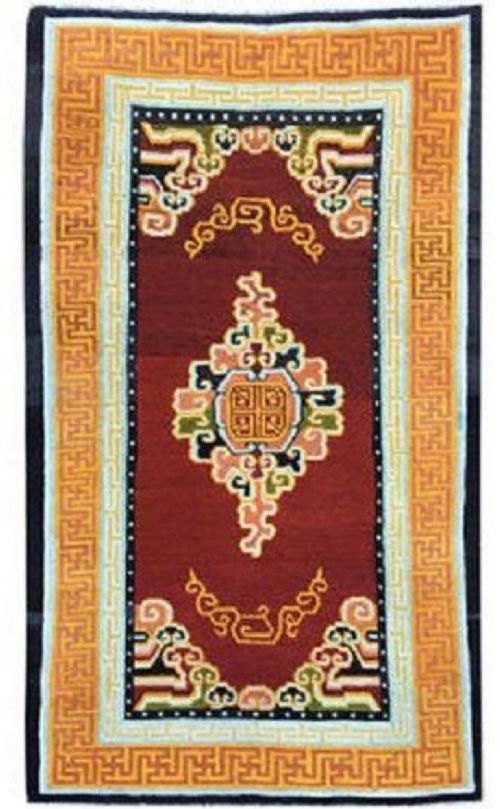
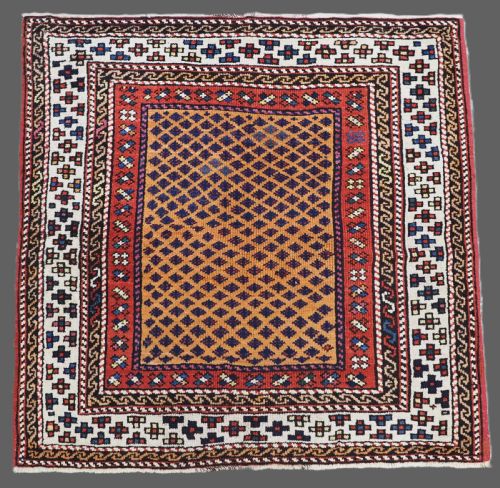
An antique yellow carpet spans origin points from Anatolian workshops and Persian centres to Caucasian tribal weaves and Chinese Ningxia pieces. Buyers seeking this phrase encounter formats ranging from square seating mats and prayer rugs to room-sized carpets and runners.
The palette relies on golden fields, saffron grounds and mellow ochre tones achieved through historical dyeing methods. Pieces date from the mid-nineteenth century through to the early decades of the twentieth century, reflecting diverse regional aesthetics.
Makers include traditional village weavers, nomadic groups such as the Yomut tribe, and established regional production hubs. Each piece records the specific decorative grammar of its geographic source, from floral lattices to bold graphic repeats.
Materials and Construction
Construction relies primarily on wool and cotton foundations, utilising hand-spun wool for the pile in many traditional examples. Natural dyes provide the enduring depth of colour seen across the yellow grounds, reacting to age with subtle shifts in tone.
Weaving techniques vary by region, encompassing flatwoven kilims, knotted-pile carpets and specialist items such as spindle-bags and prayer rugs. The integration of cotton for warps and wefts adds structural stability to denser village and city pieces.
Antique Yellow Carpet Retail Price Guide 2026
Typical asking prices for yellow carpet among the pieces listed under this phrase on Sellingantiques today, from the lower quarter to the upper quarter. They describe what is for sale here now, not the wider market.
Some nineteenth-century nomads tucked their spare fleece into miniature spindle-bags before the wool ever saw a loom.
Judging Quality
Quality rests upon the handled integrity of the wool, the clarity of the natural dyes and the precision of the regional design. A successful piece maintains balanced proportions within its border and field, whether the aesthetic is geometric tribal or curvilinear floral.
Wear alters the pile uniformly in finer examples, whereas lesser pieces may exhibit uneven foundation exposure or poorly resolved motifs. The vitality of the yellow ground tone remains a primary indicator of dye quality and original material selection.
Gavin Morton Donegal
The Antique Yellow Carpet Glossary
- Ground
- The background colour of the central field upon which the main design motifs sit. In these pieces, the ground is predominantly yellow.
- Knot
- The individual loops of wool tied around warp threads in pile carpets. Density and tying style help identify the geographic origin.
- Kilim
- A flatwoven textile produced without a pile. These pieces rely on interlocking weft threads to create sharp geometric patterns.
- Warp
- The vertical threads stretched across the loom that form the structural skeleton of the carpet. They are usually visible at the fringes.
- Prayer rug
- A small format rug featuring a mihrab or niche design used historically for daily devotions. These often display distinctive directional motifs.
Antique Yellow Carpet: Frequently Asked Questions
How do I clean an antique carpet?
Professional specialist cleaning is essential for historical textiles to protect fragile natural fibres and prevent dye migration. Regular gentle vacuuming without a beater bar removes surface grit.
Avoid home chemical treatments or immersion washing, as aged wool and natural dyes require controlled moisture levels. Consult a textile conservator for any significant maintenance.
Where were these carpets made?
Production spans several distinct geographic regions, including Anatolia, Persia, the Caucasus, Central Asia and China. Each area developed characteristic weaving structures and local design vocabularies.
Village weavers, nomadic tribes and urban workshops all contributed to the surviving corpus. Their geographic origins dictate the specific materials and decorative motifs present.
How do I date an antique rug?
Dating relies on examining material composition, dye technology, structural tightness and regional design evolution. Natural dye palettes and hand-spun wool typically point to nineteenth-century or earlier origins.
Comparative analysis with documented regional examples helps narrow the decade of production. Structural wear patterns also offer clues regarding the age of the textile.
Can I place these in high traffic areas?
Denser pile carpets and sturdy runners handle moderate foot traffic well when placed over a quality underlay. The underlay cushions the fibres and prevents slipping against the floor.
Delicate flatweaves or fragile historical remnants suit low-traffic display spaces or wall hanging. Rotating the rug periodically ensures even wear across the surface.