
Antique Small Rug
An antique small rug brings centuries of tribal and village weaving traditions into modern interiors through enduring wool textiles.
Antique Small Rug
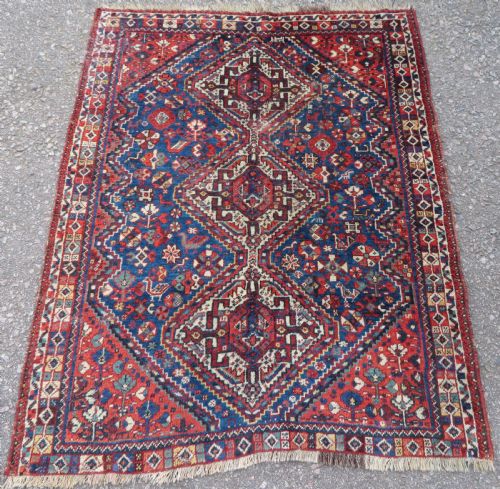
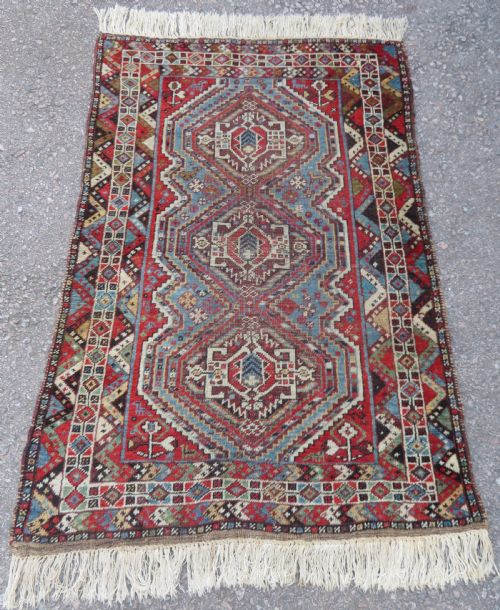
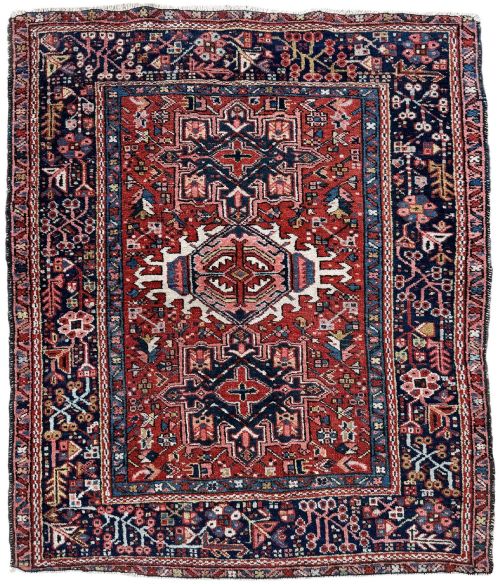
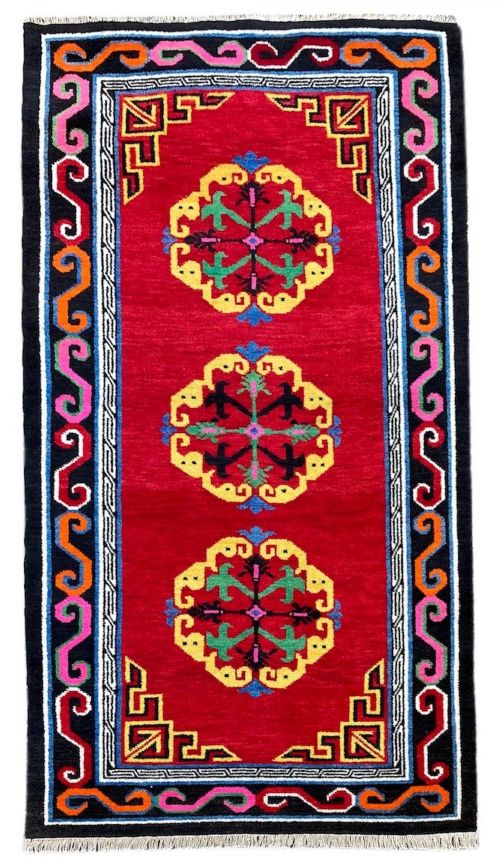
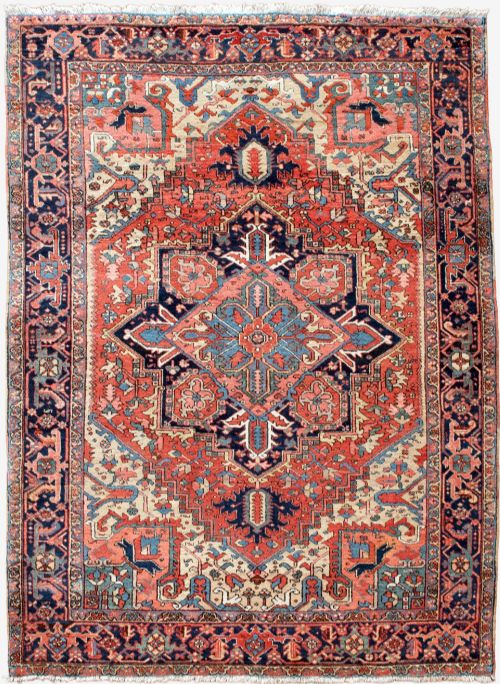
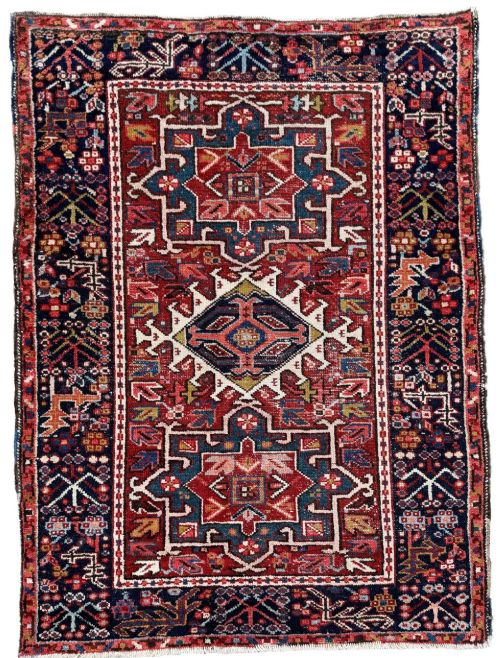
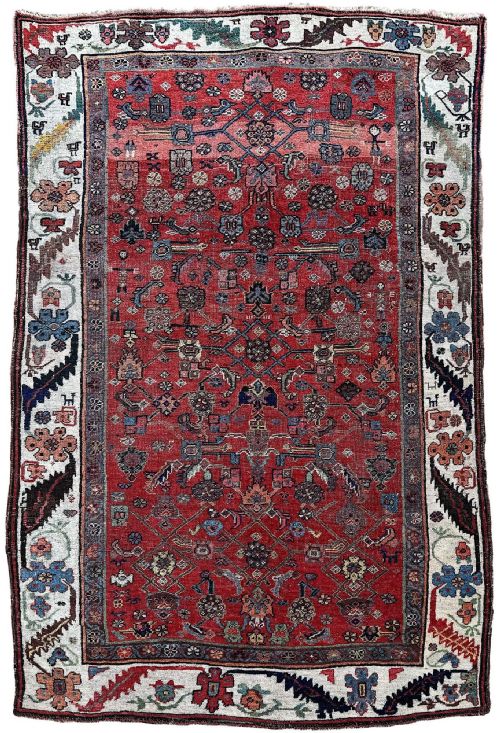
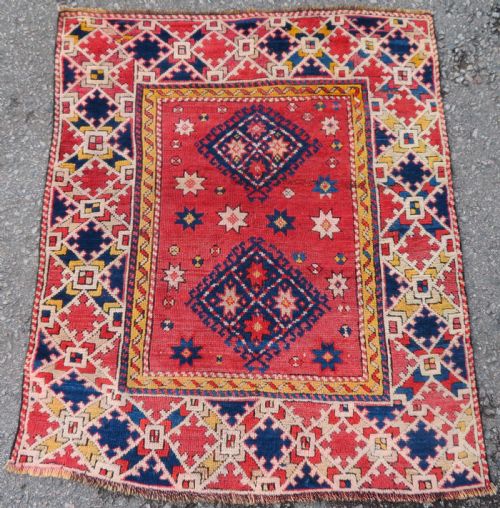
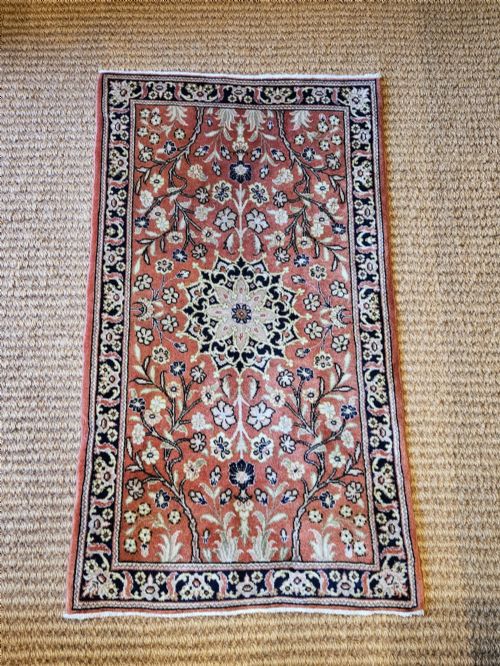
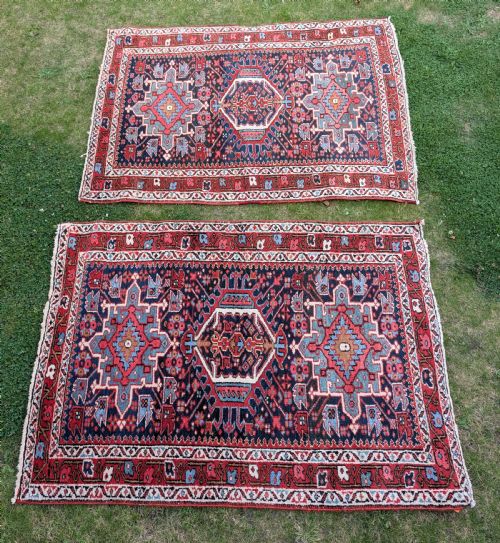
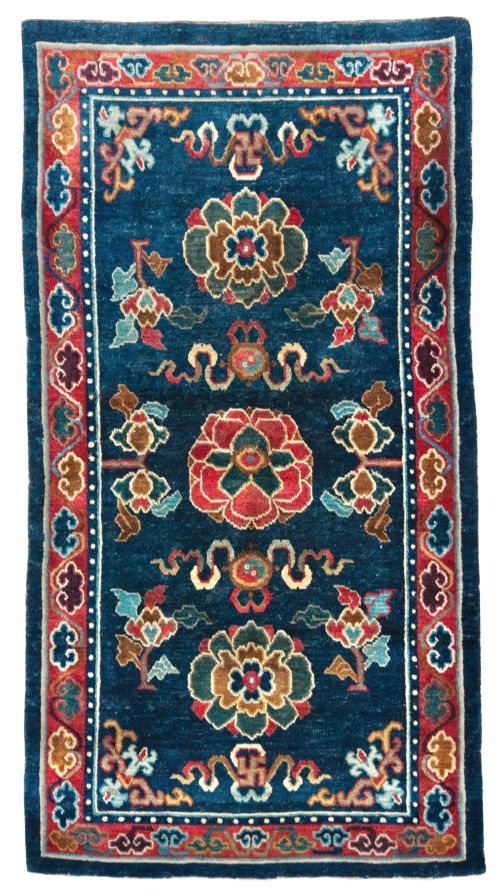
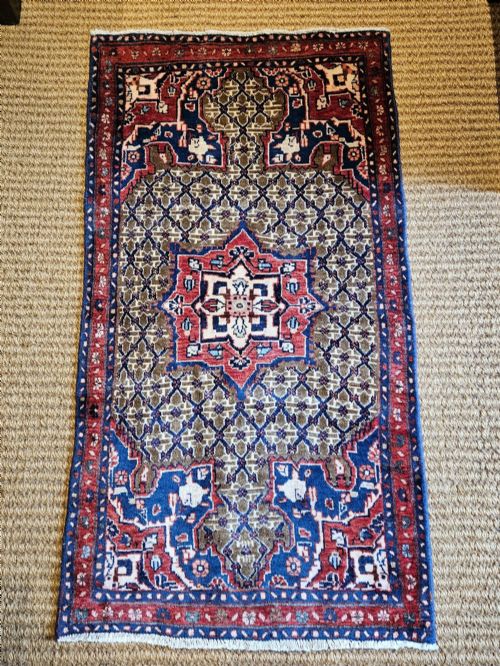
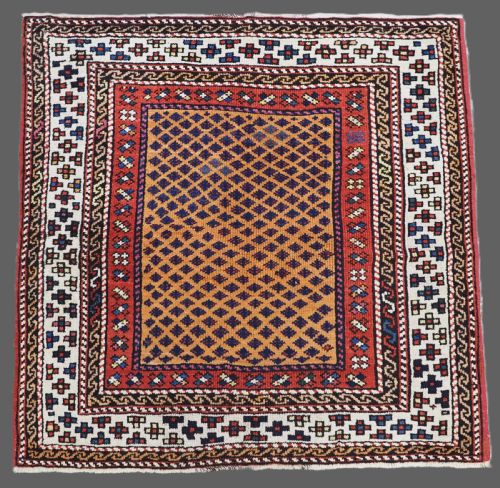
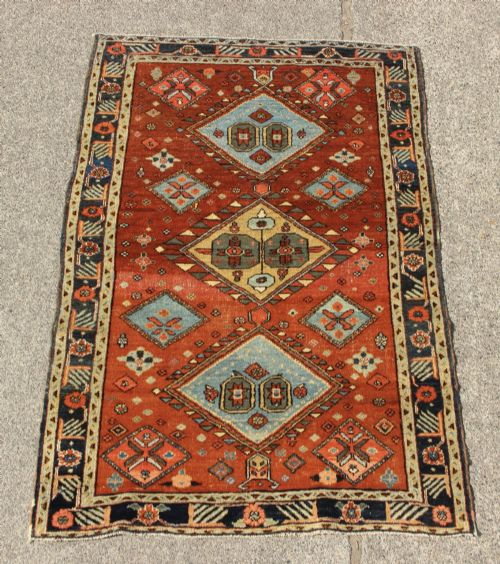
When searching for an antique small rug, buyers encounter diverse village and nomadic textiles originating from Persian, Anatolian, Caucasian, and Central Asian regions. These pieces span from the mid-nineteenth century through the early twentieth century, encompassing various compact formats.
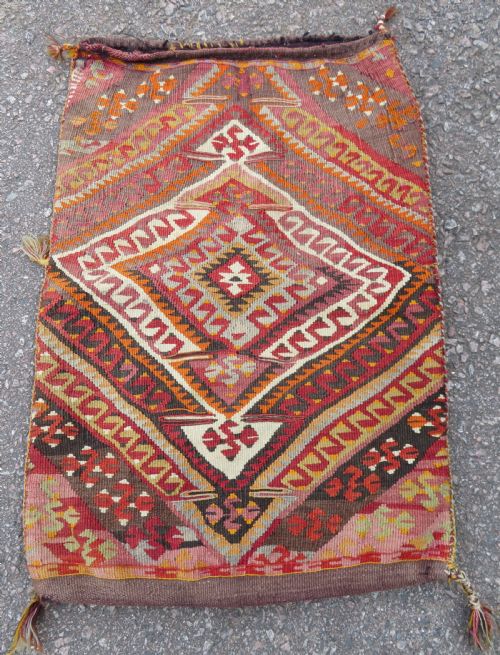
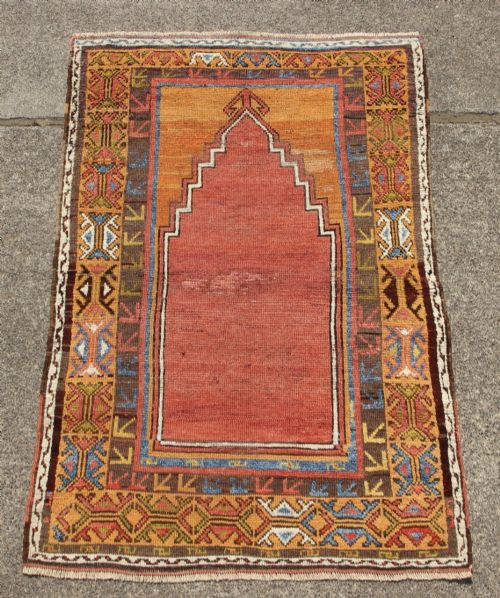
The most common formats on this page include hearth-sized rugs, prayer rugs, square mats, and utilitarian tribal bags or saddle covers. Such pieces reflect regional weaving identities rooted in daily nomadic and village life.
Materials and construction
Weavers utilised hand-spun wool and cotton foundations, building durable structures designed for practical daily use in tents and village homes. Natural dyes provided the foundational palette for these textiles.
Specialised regional knots and flatweave techniques created firm piles and secure structures. Silk occasionally appears in specific weaving traditions to highlight details.
Nomadic weavers frequently incorporated small protective amulets and tribal motifs directly into the corners of utilitarian grain sacks.
Evaluating the standard
Quality rests upon the handled integrity of the wool, the clarity of natural dye colours, and the precision of the tribal design execution. Superior pieces maintain structural coherence alongside rich, saturated colour palettes.
The sophistication of regional patterns and the tightness of the knotting distinguish finer village and nomadic examples from standard utilitarian items.
The Antique Small Rug Glossary
- Prayer rug
- A textile featuring a Mihrab niche design, traditionally used for daily devotional kneeling.
- Kelim
- A flatwoven textile produced without a raised pile, utilising warp-faced weaving techniques.
- Natural dye
- Colourants derived from plant, insect, and mineral sources prior to the widespread adoption of synthetic aniline dyes.
Antique Small Rug: Frequently Asked Questions
Where were these small rugs made?
These textiles originate from nomadic tribes and village workshops across Persia, Anatolia, the Caucasus, and Central Asia.
Weavers produced them in distinct regional communities using traditional local patterns.
How were these rugs used originally?
Nomads and villagers utilised these compact textiles as floor coverings, hearth mats, prayer spaces, and functional storage bags.
Many smaller formats served specific roles in daily camp life and transport.
What materials make up these weaves?
The primary component is hand-spun wool, frequently paired with cotton foundations and occasional silk highlights.
Natural dyes supplied the varied palette seen across regional designs.
How do I care for an antique rug?
Gentle vacuuming without a rotating brush roll helps preserve the antique wool pile.
Professional specialist cleaning is recommended to maintain natural dye stability.