

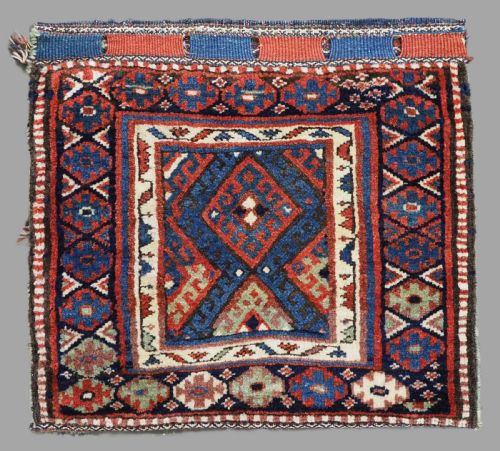
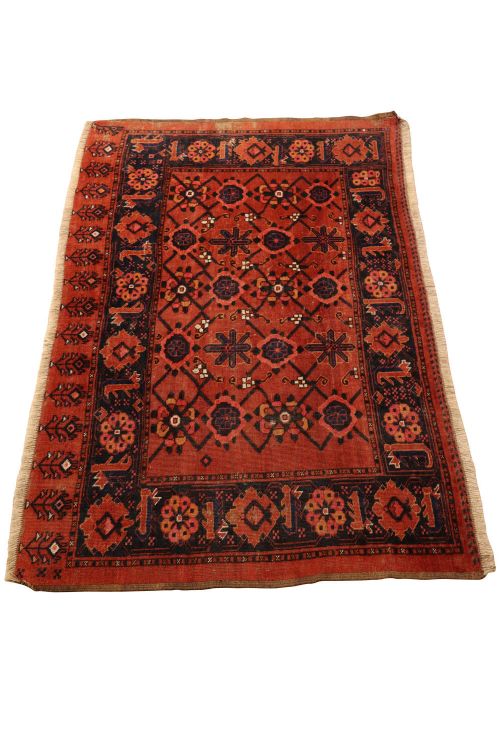


Circa 1900 Kurdish Rug
When you search for a circa 1900 kurdish rug, you step into a world of village-woven tribal artistry shaped by wool, cotton, and tradition.
Circa 1900 Kurdish Rug
A circa 1900 kurdish rug represents the traditional weaving output of tribal and village makers from regions such as north-west Persia and the Hamadan area. These textiles range from smaller village rugs and prayer rugs to long runners, kelleh carpets, and functional rug bags.
The designs draw upon distinct tribal motifs, including shrub patterns, boteh elements, geometric octagons, linked medallions, and Turkmen-influenced guls. These pieces showcase the rich cultural vocabulary passed down through generations of Kurdish weavers.
Materials and construction
The construction typically relies on a foundation of sturdy cotton or wool, supporting a dense wool pile that was hand-knotted by village artisans. Flatwoven techniques such as Soumak and kilim structures also appear, particularly in bag faces and specific runner formats.
Weavers utilised locally sourced materials and traditional dyeing methods to produce durable floor coverings. The resulting pile provides a substantial physical presence, while plain weave backs complete the construction on functional pieces like rug bags.
Circa 1900 Kurdish Rug Retail Price Guide 2026
Typical asking prices for circa 1900 kurdish rug among the pieces listed under this phrase on Sellingantiques today, from the lower quarter to the upper quarter. They describe what is for sale here now, not the wider market.
Some runners hide tiny floating shrub motifs that appear to wander off the edge of the border.
Judging quality in these textiles
Quality rests upon the crispness of the design execution and the handling of the wool pile. Finer knotting allows intricate motifs like shrub lattices and dragon borders to render with greater clarity and visual impact.
The vibrancy and depth of the wool contribute significantly to the overall merit of the piece. Superior examples maintain a thick, resilient pile and harmonious colour palettes that age gracefully over time.
The Circa 1900 Kurdish Rug Glossary
- Boteh
- A stylised almond or pear-shaped motif of Persian origin, frequently repeated across the field of tribal rugs. It represents a floral or cypress shoot symbol.
- Kelleh
- A large format long rug, typically narrower than a standard carpet but wider than a runner. These pieces suit elongated spaces.
- Soumak
- A flatwoven technique involving wrapped weft threads that creates a textured, durable surface without a cut pile. This method provides structural strength.
- Gul
- A medallion or stamp-like motif often associated with tribal weaving traditions. These repeating forms frequently organise the central field design.
- Hamadan
- A major trading and weaving region in western Persia encompassing numerous surrounding villages. Rugs from this area often exhibit sturdy wool and traditional geometric layouts.
Circa 1900 Kurdish Rug: Frequently Asked Questions
Where were these rugs made?
These textiles originate primarily from the mountainous regions of north-west Persia, including the Hamadan province and areas influenced by Quchan Kurds. Village and tribal weavers produced them for domestic use and local trade.
The makers drew upon shared regional motifs while maintaining distinct tribal identities that separate them from mainstream city workshops.
How do I care for a pile rug?
Protect the wool fibres by placing a quality underlay beneath the rug to prevent sliding and reduce friction against hard floors. Regular gentle vacuuming without a beater bar removes trapped grit from the pile.
Keep the textile out of direct sunlight to prevent fading of natural dyes over the years. Professional cleaning should occur periodically using methods appropriate for antique wool.
What is a runner rug used for?
Runners and corridor carpets provide an elongated format designed for hallways, staircases, and narrow transitional spaces within a home. Their dimensions guide foot traffic while adding warmth and pattern to long corridors.
Historically, these narrow formats suited the architectural proportions of traditional village dwellings and tents.
How do I identify a village rug?
Village rugs display asymmetrical designs, spontaneous variations in colour, and charming irregularities that reflect individual weaver choices rather than strict factory cartoons. The integration of tribal symbols like guls and shrub motifs points directly to rural production.
Structural traits such as hand-spun wool and simple foundational weaves further distinguish independent village work from urban workshop output.