




Antique Writing Desk Chair
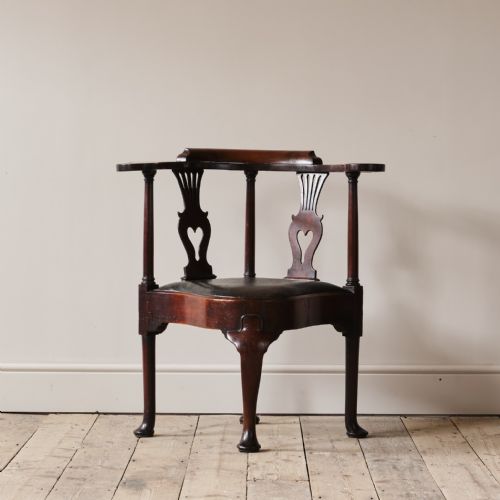
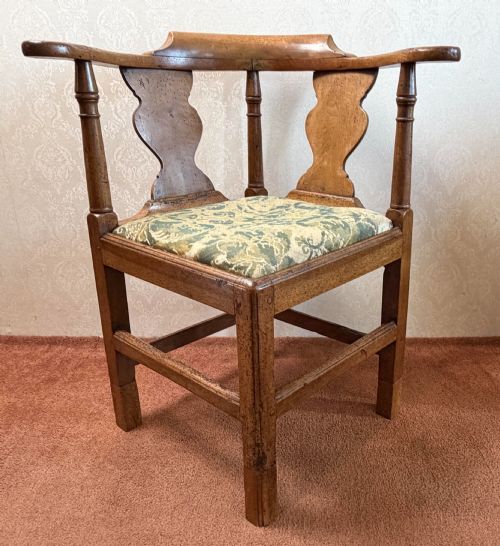
An antique writing desk chair offers a sturdy seat designed for daily study, often taking the form of a mahogany or oak corner chair.

Antique Writing Desk Chair
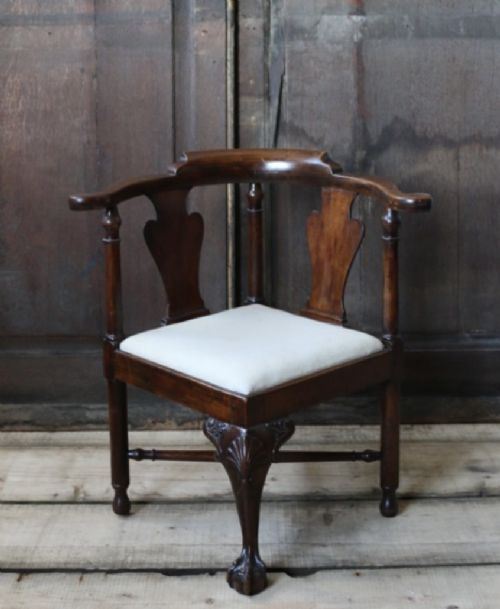
When you search for an antique writing desk chair, you encounter a variety of forms spanning from the early eighteenth century through the Edwardian period. The most common iteration met on this page is the corner chair, designed to fit snugly into a room angle while providing a stable seat for writing.
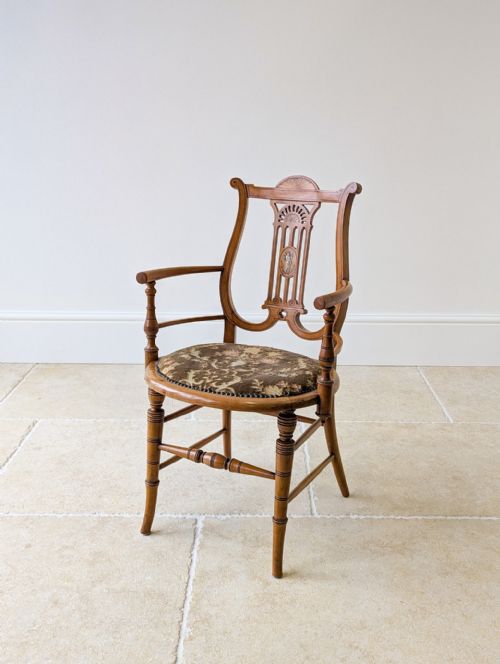
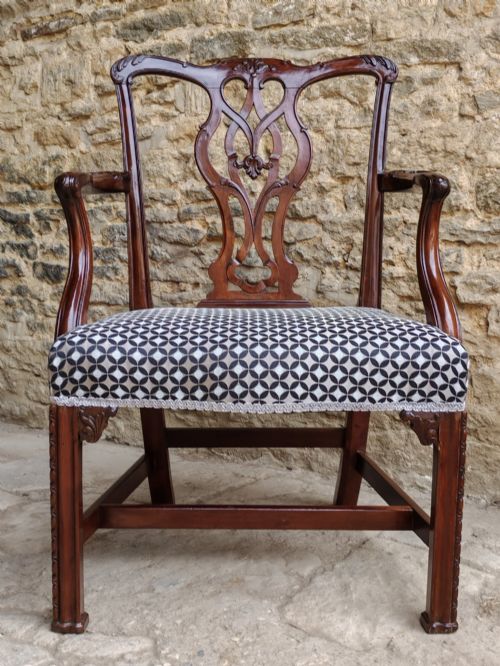
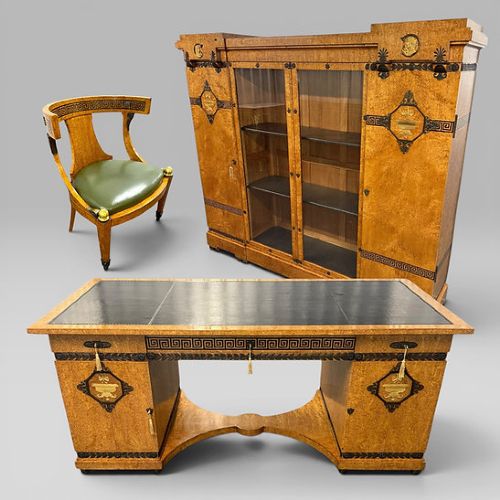
Makers produced these chairs in diverse woods including mahogany, oak, walnut, and fruitwood, sometimes incorporating leather, fabric, or brass accents. Styles range from plain country elm and oak versions to refined George II, George III, Regency, and Sheraton Revival models.
Materials and construction methods
Cabinet makers built these chairs using solid hardwoods such as mahogany, oak, and walnut, selecting materials for structural strength and grain pattern. They shaped sturdy legs and curved backs to support prolonged seated work at a desk.
Upholstered examples integrate leather, fabric, or tapestry inserts secured with brass tacks. Joinery techniques varied from country workshop methods to sophisticated cabinet making seen in Georgian and Victorian pieces.
Some corner chairs were thoughtfully constructed with hidden compartments for concealing secret letters and inkwells.
Distinctions in craftsmanship
The division between standard output and top quality rests on the selection of timber and the precision of the carving. Superior examples display carefully chosen mahogany or walnut with crisp detailing on the arms and backsplats.
Country pieces show simpler construction using local elm or oak, prioritising utility over decorative embellishment. Refined urban pieces reveal greater attention to proportion, joinery, and integrated inlay work.
Mercier Frères·Boston Chair Company·Marsh Jones of Leeds
The Antique Writing Desk Chair Glossary
- Corner chair
- A seat designed with a diagonal orientation to fit into room corners, often featuring a horseshoe-shaped backrest supported by turned columns. This form served domestic writing and reading needs.
- Bergère
- An enclosed upholstered armchair with wooden framing exposed around the sides and back. It often incorporates cane work or padded elements.
- Satinwood
- A durable hardwood with a golden lustre, utilised in fine cabinet making during the Sheraton Revival and later periods. It provides a pale, reflective surface for delicate inlay.
- Sheraton Revival
- A late nineteenth-century design movement inspired by late eighteenth-century classical forms. It utilises light timbers, symmetry, and subtle painted or inlaid decoration.
Antique Writing Desk Chair: Frequently Asked Questions
What is an antique writing desk chair?
An antique writing desk chair is a historic seating piece designed to accommodate a person while writing or studying at a desk. These chairs appear in various wood types and regional styles.
Many examples take the form of corner chairs or library chairs constructed during the Georgian and Victorian eras.
How do I identify a Georgian desk chair?
Georgian desk chairs typically feature solid mahogany, walnut, or oak construction with characteristic period proportions and joinery. They often incorporate shaped armrests and sturdy legs suited for daily use.
Stylistic cues link them to reigns such as George II and George III through specific carving details and backrest configurations.
Were these chairs used only for writing?
While designated for writing desks and bureau tables, these versatile seats also served for reading and general library use. Their sturdy frames accommodated extended periods of seated work.
Some variations, such as corner chairs, doubled as conversational seating positioned in room angles.
How do I care for an antique wood chair?
Maintenance involves keeping the wooden frame away from direct heat sources and sudden humidity changes to prevent timber splitting. Regular dusting with a soft cloth preserves the historic finish.
Leather or fabric upholstery requires gentle cleaning appropriate to the specific textile without harsh chemical treatments.