
Antique Writing Desk Castors
These antique writing desk castors and the tables they support represent a durable tradition of nineteenth-century mobility.
Antique Writing Desk Castors
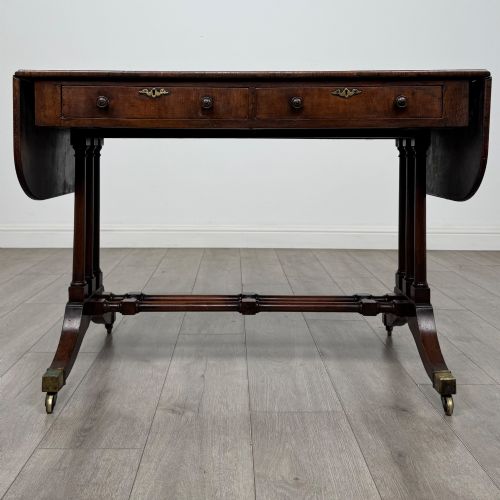
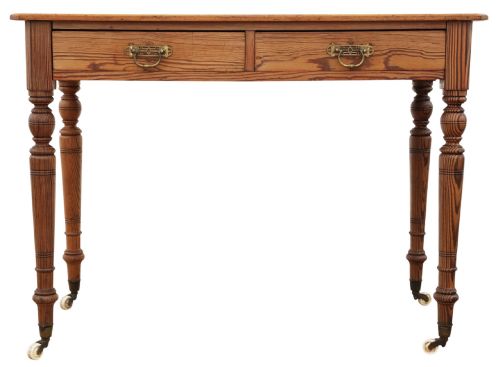
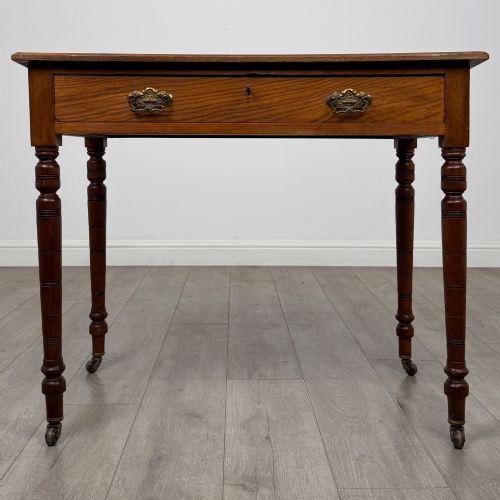
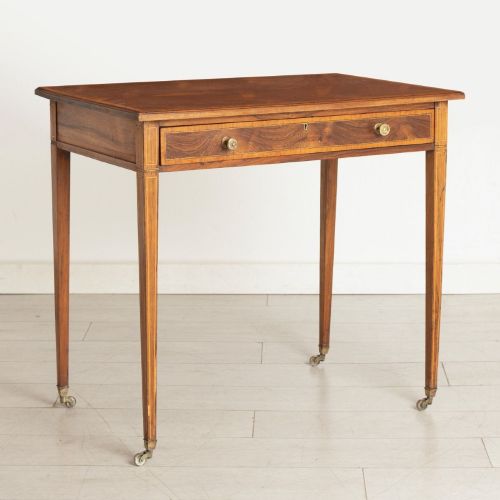
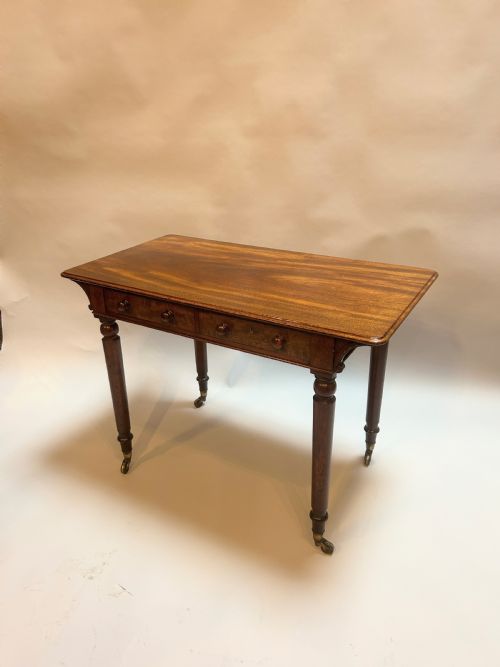
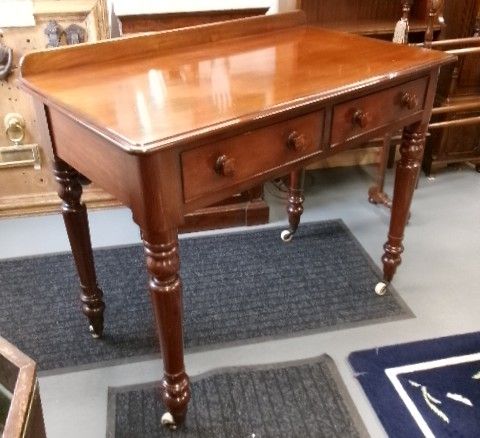
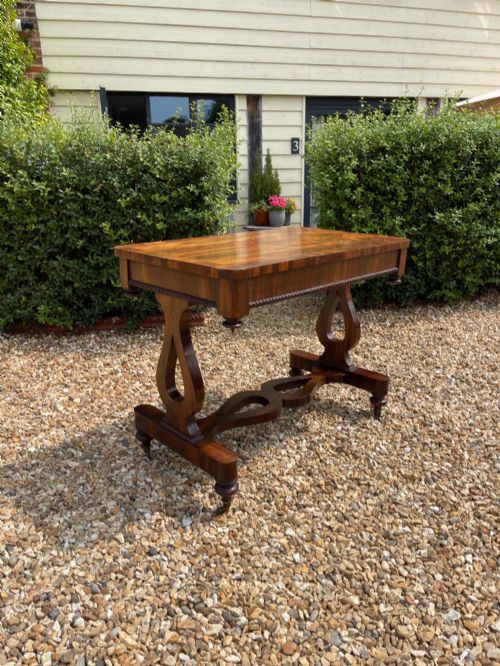
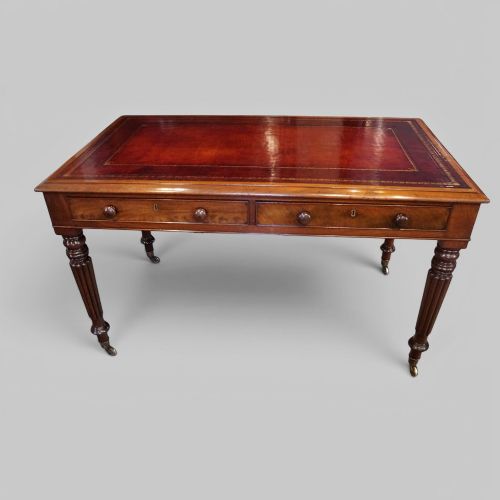
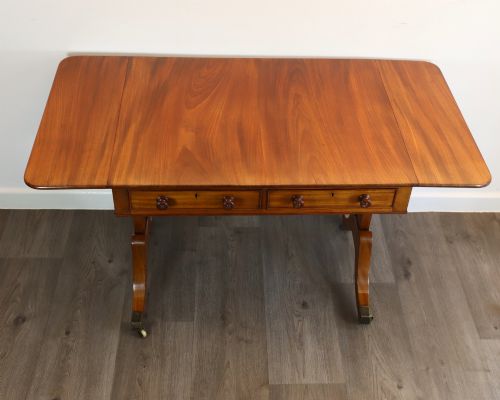
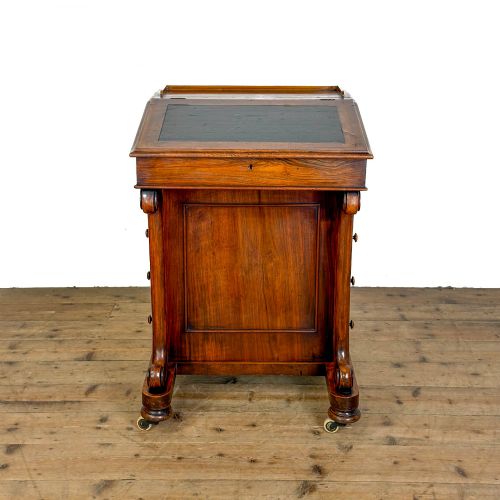
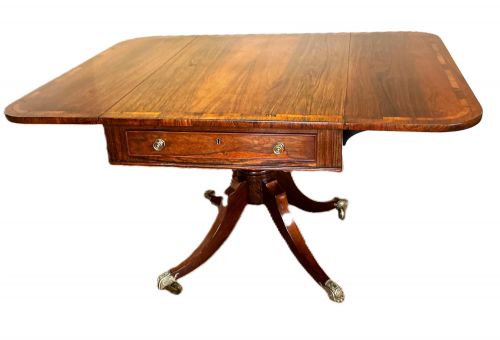
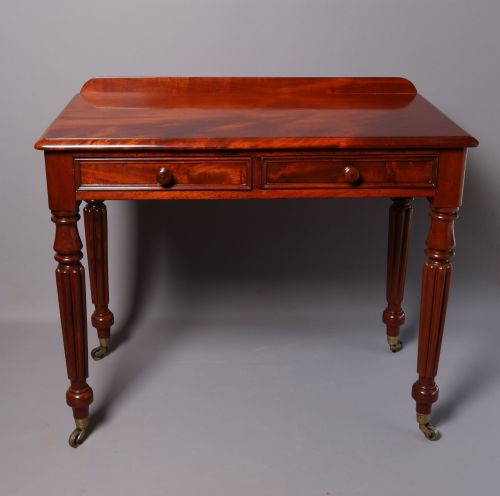
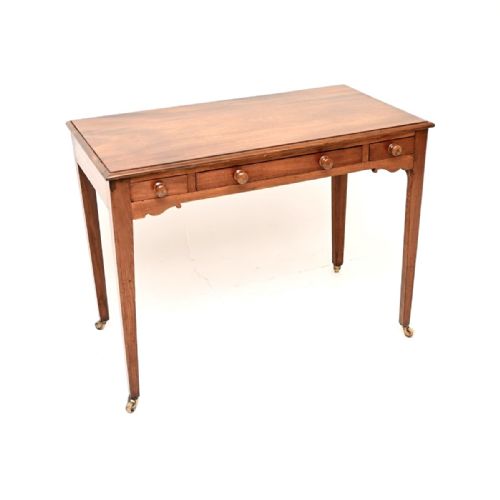
When you search for antique writing desk castors, you encounter a variety of nineteenth-century tables, writing desks, and library tables designed for movement within a room. The pieces appearing here span Georgian, Regency, William IV, Victorian, and Edwardian periods, reflecting the shifting domestic requirements of their eras.
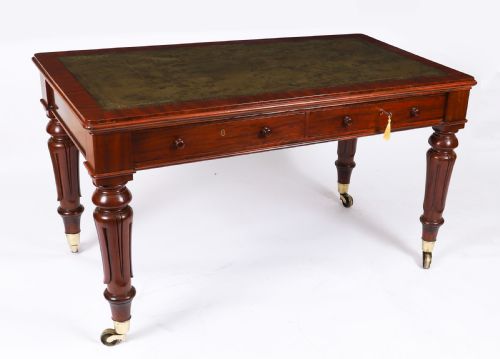
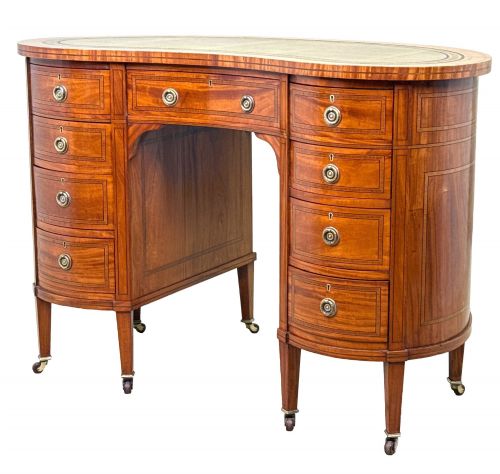
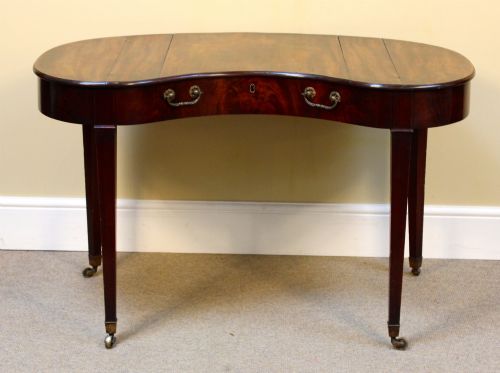
The objects themselves range from compact kidney-shaped desks and side tables to large partners desks and sofa tables. Mahogany is the predominant timber, accompanied by rosewood, oak, satinwood, walnut, and pine, frequently paired with leather top surfaces.
You are most likely to meet Victorian and Regency examples featuring timber frames and original metal or ceramic fittings. These items served functional roles in libraries and studies, where mobility for cleaning or repositioning was essential.
Materials and construction methods
The construction relies heavily on dense hardwoods such as mahogany, rosewood, and oak, often shaped into writing tables, drum-top tables, and tambour desks. Cabinet makers utilised techniques like wood inlay, burr walnut veneers, and brass hardware to finish each piece.
Writing surfaces frequently incorporated inset leather panels, while mobility was achieved through integrated fittings attached to table legs. Structural assembly involved traditional joinery suited to heavy library and partners desks.
Chamber tables and tambour desks hide small sliding compartments behind neat rows of vertical wooden strips.
What separates the finest examples
Quality in these pieces depends on the selection of timber, such as figured mahogany, Cuban mahogany, or satinwood, and the precision of the cabinet work. Maker attributions, such as Gillows or W Williamson & Sons, elevate an item's standing.
The integration of secondary materials, including fine leather tops, delicate wood inlay, and original brass or ceramic castors, distinguishes superior workshop production from standard utilitarian furniture.
Gillows·J A Mein·W Williamson & Sons
The Antique Writing Desk Castors Glossary
- Castor
- A small wheel or revolving fitting attached to the bottom of furniture legs to facilitate movement. These components are crucial for repositioning heavy library tables and desks.
- Tambour
- A sliding door or shutter constructed from narrow vertical strips of wood glued to a canvas backing. This mechanism is frequently found on specialised nineteenth-century desks.
- Partners Desk
- A large double-sided desk designed for two people to work opposite one another. These pieces often feature drawers on both sides and substantial timber construction.
- Sofa Table
- A freestanding table traditionally placed in front of a sofa, featuring drop leaves at either end. Regency examples often incorporate stretcher bases and brass castors.
- Kidney-Shaped Desk
- A writing desk featuring a curved, kidney-shaped top designed to wrap slightly around the user. These forms appear in Satinwood and mahogany across Victorian and Edwardian periods.
Antique Writing Desk Castors: Frequently Asked Questions
What periods do these writing tables come from?
The pieces span the Georgian, Regency, William IV, Victorian, and Edwardian eras, predominantly dating through the nineteenth century.
Cabinet makers of these periods utilised timbers like mahogany, oak, and rosewood to construct functional library and writing furniture.
How were these tables used originally?
They served as functional writing desks, library tables, and partners desks in domestic studies and institutional rooms.
Castors allowed these heavy timber pieces to be easily moved across floor coverings for cleaning or repositioning near light.
How do I identify Regency from Victorian pieces?
Regency pieces often display classical proportions, sofa table configurations, and specific wood grains dating around the early nineteenth century.
Victorian items frequently introduce golden oak, walnut, or kidney shapes with distinct nineteenth-century manufacturing marks.
What woods were commonly used?
Mahogany is the primary timber seen across the listings, including Cuban and figured varieties.
Other utilised materials include rosewood, oak, satinwood, walnut, yew wood, and pitch pine, often enhanced with leather top surfaces.