
Antique Woven Tapestry
An antique woven tapestry brings centuries of textile artistry indoors, offering rich narrative scenes and verdant landscapes that anchor a room.
Antique Woven Tapestry
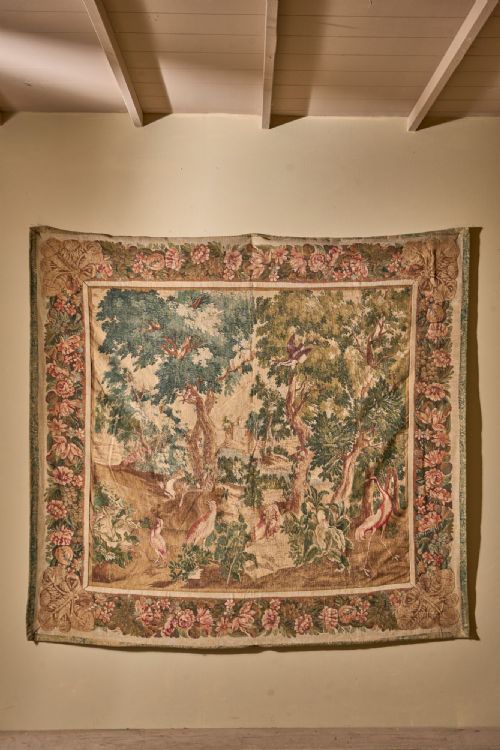
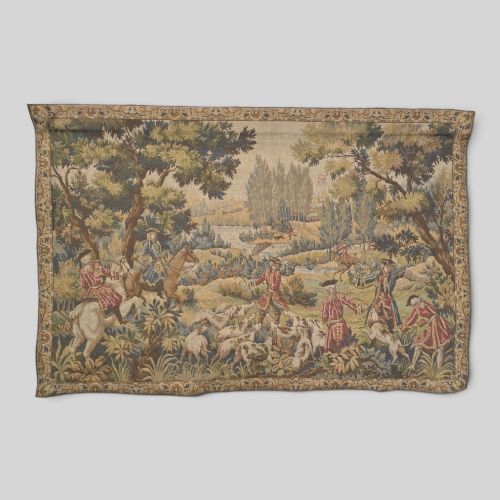
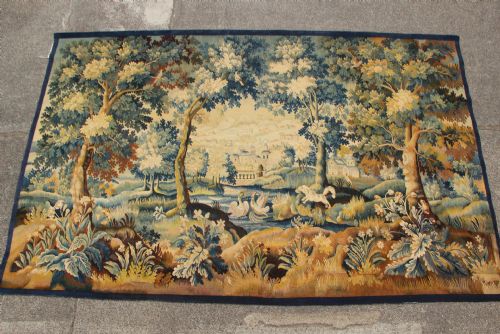
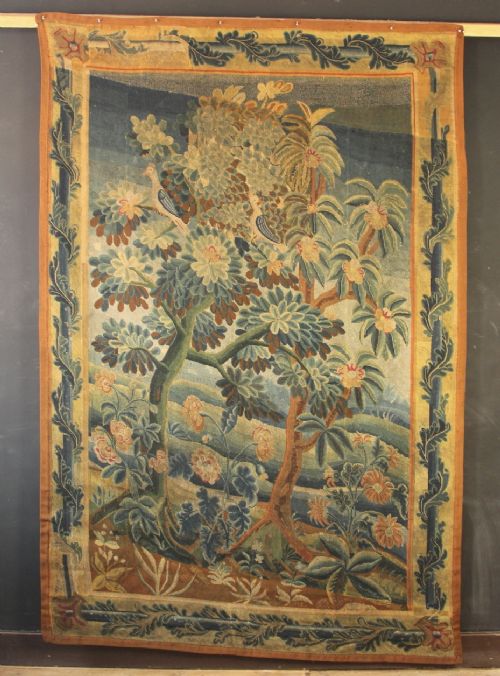
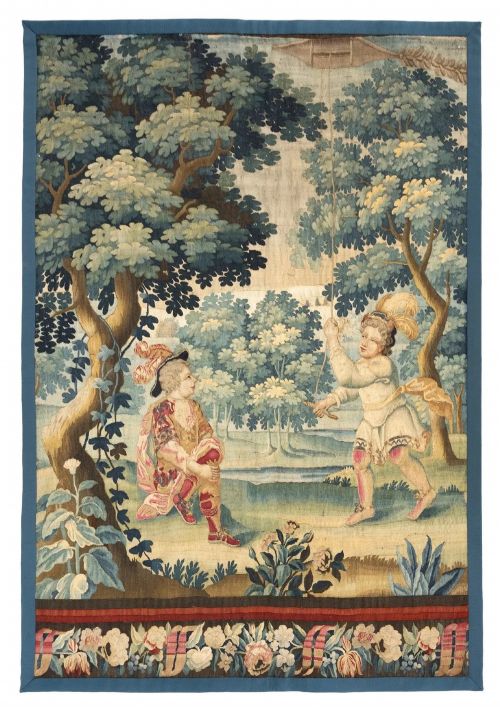
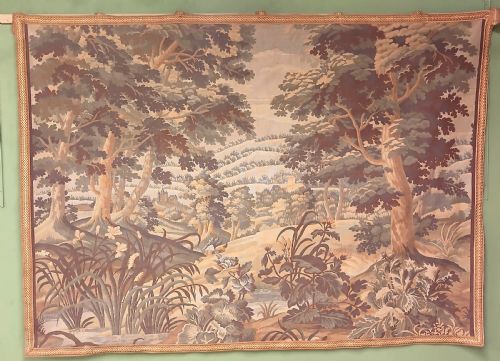
When you search for an antique woven tapestry, you encounter large wall hangings, framed panels, and fragments originating from European centres like France and Flanders. These pieces frequently display French Baroque, Rococo, or pastoral scenes, alongside dense botanical verdure landscapes populated by foliage and wildlife.
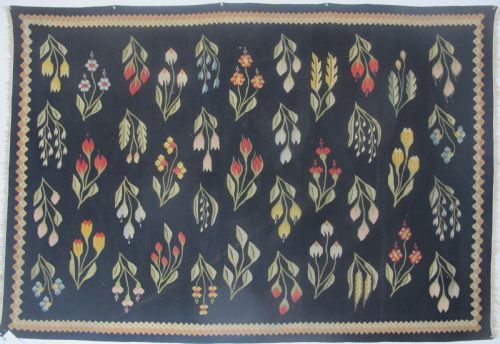
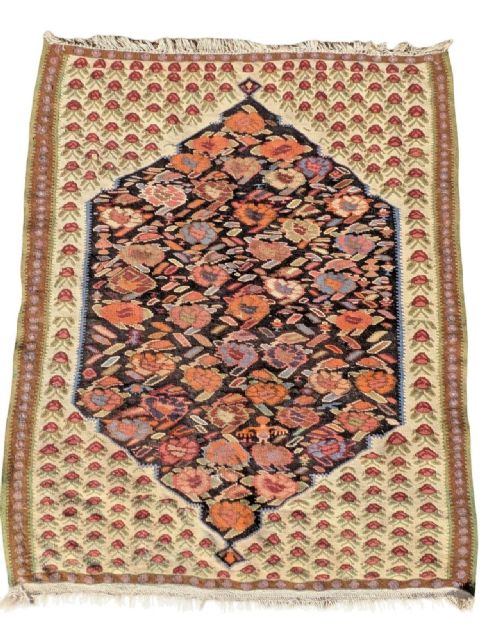
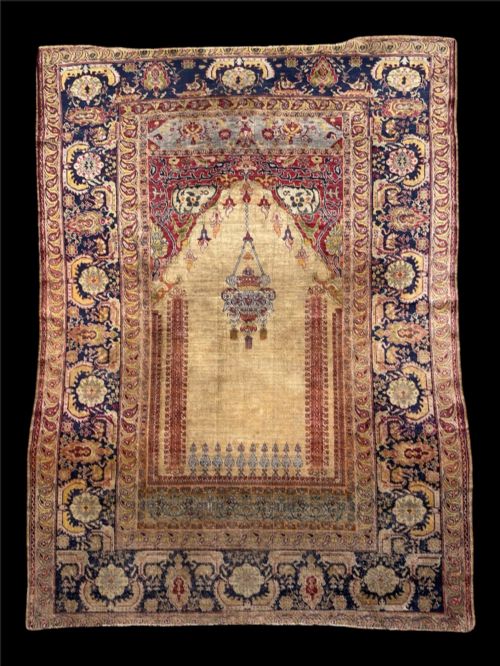
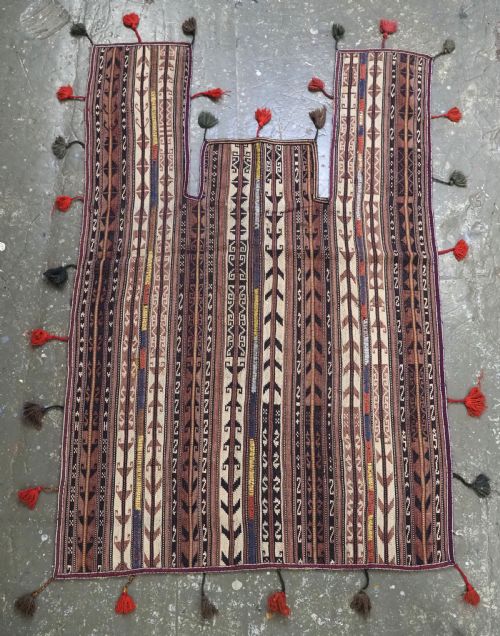
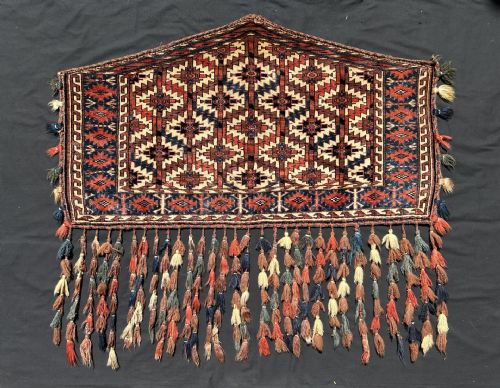
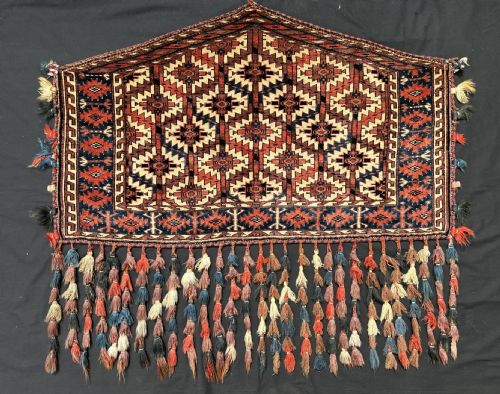
Beyond grand wall decorations, the selection includes related textile forms such as tribal rugs, flatweaves, and ceremonial covers from Central Asian and Persian makers. You will find works spanning from the sixteenth century up through the nineteenth and early twentieth centuries, rendered in varied rectangular formats.
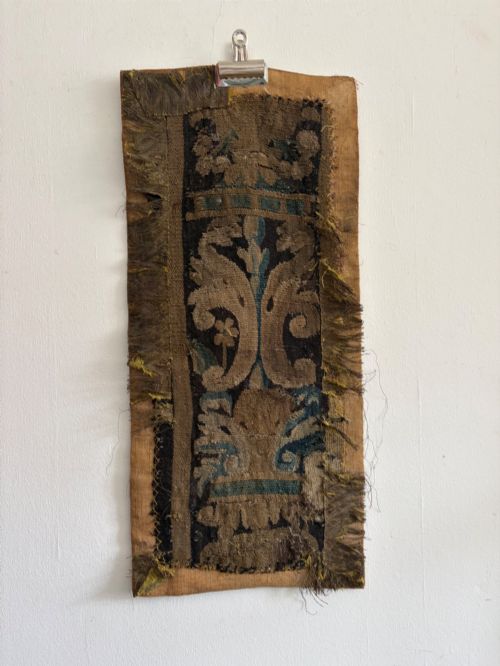
The category encompasses both complete pictorial compositions depicting biblical or mythological themes and smaller fragments mounted carefully to linen. Each piece serves primarily as a textile wall covering or floor textile that introduces tactile historical depth into domestic interiors.
Materials and construction methods
These textiles rely on a combination of wool, silk, cotton, and linen yarns woven tightly to build pictorial surfaces and structural foundations. Weavers employed natural dyes to achieve deep earthy greens in verdure pieces as well as vibrant tones for figurative and floral motifs.
Many historical examples utilise wool for durable warp and weft threads, introducing fine silk highlights to catch the light in facial details or garments. Support materials such as wood frames or linen backings appear where fragments require stabilization for modern hanging.
Listings feature pieces spanning from the sixteenth century to the early twentieth century, utilising wool, silk, and natural dyes.
Factors influencing quality
The refinement of the weave and the complexity of the imagery dictate the upper tier of these textiles. Dense knotting or intricate interlocking of weft threads allows for nuanced shading, crisp botanical outlines, and sophisticated perspective within architectural or pastoral scenes.
Condition and completeness also separate standard items from superior examples. Intact borders, stable original backing linens, and minimal historical repairs preserve the integrity of the design, whereas fragmented panels rely entirely on the preservation of their central imagery.
The Antique Woven Tapestry Glossary
- Verdure tapestry
- A wall hanging dominated by lush foliage, trees, and gardens, often featuring birds or small animals hidden among the leaves. These botanical scenes were immensely popular in seventeenth and eighteenth-century Flemish and French weaving workshops.
- Aubusson
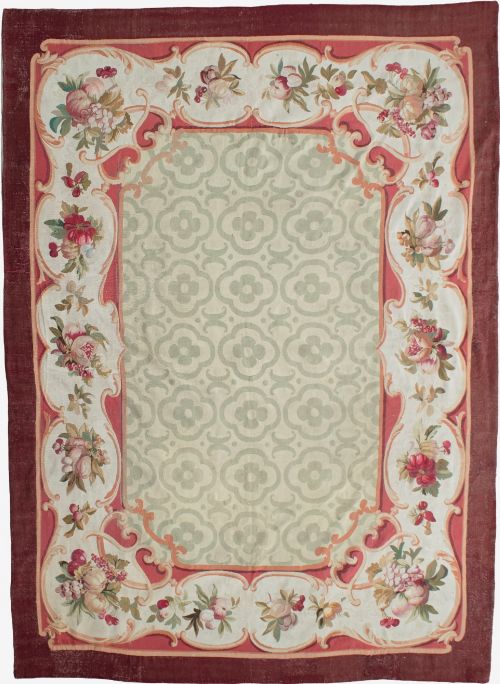
- A style of tapestry and carpet originating from the French town of Aubusson, known for pastoral motifs, floral arrangements, and architectural framing. Production flourished under royal patronage during the Baroque and Rococo periods.
- Fragment
- A surviving portion of a larger historical textile that has been separated from its original composition over time. These pieces are frequently mounted to linen or framed for display.
- Mille-fleurs
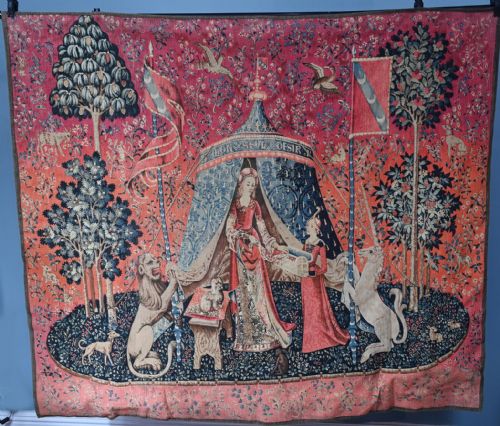
- A French term meaning a thousand flowers, describing a background composed of small, distinct floral blooms scattered across the field. This style is closely associated with medieval and Renaissance tapestries.
- Flatweave
- A textile produced by interlocking warp and weft threads without creating a pile surface. This technique includes tribal bags, covers, and specific regional rugs.
Antique Woven Tapestry: Frequently Asked Questions
How were antique tapestries originally used?
Historic households utilised these heavy textiles primarily as functional wall insulation against cold stone walls, alongside decorative dividers within grand rooms. They transformed stark architectural spaces into warm, richly coloured environments.
Over subsequent centuries, their role shifted entirely to high-status interior decoration, with owners framing large panels or hanging them securely from iron rods in sitting rooms and halls.
How do I hang a heavy wall tapestry?
Hanging requires distributing the weight evenly across the entire upper edge rather than supporting it at isolated points. Conservation specialists generally recommend sewing a wide cotton casing to the reverse and sliding a flat wooden batten or metal rod through it.
The batten is then fixed securely to the wall studs, ensuring the textile hangs flat without stretching individual warp threads over time.
How do I tell a Flemish tapestry from a French one?
Flemish pieces from the sixteenth and seventeenth centuries typically emphasise dense, dark verdure landscapes and complex mythological or biblical narratives with heavy architectural borders. The weaving often displays a robust, painterly use of dark wools.
French works, particularly from Aubusson or later periods, tend to feature lighter palettes, refined pastoral scenes, and delicate floral or rococo scrolls reflecting changing court tastes.
How should I clean and maintain an antique textile?
Maintenance is strictly preventative, relying on gentle, low-suction vacuuming through a protective mesh screen to remove surface dust without pulling loose fibres. Professional textile conservators should handle any washing or major structural intervention.
Direct sunlight must be avoided entirely to prevent natural dyes from fading over the years.