




Nomadic Wool Rug Panel
A nomadic wool rug panel carries the bold tribal geometry and tactile warmth of nineteenth-century Central Asian and Persian weaving traditions into modern interiors.
Nomadic Wool Rug Panel
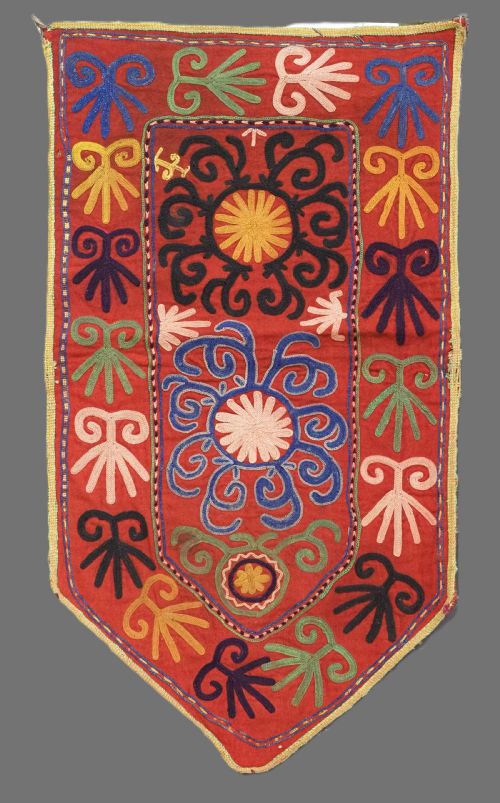
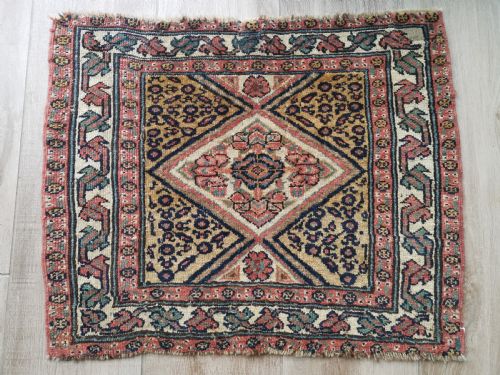
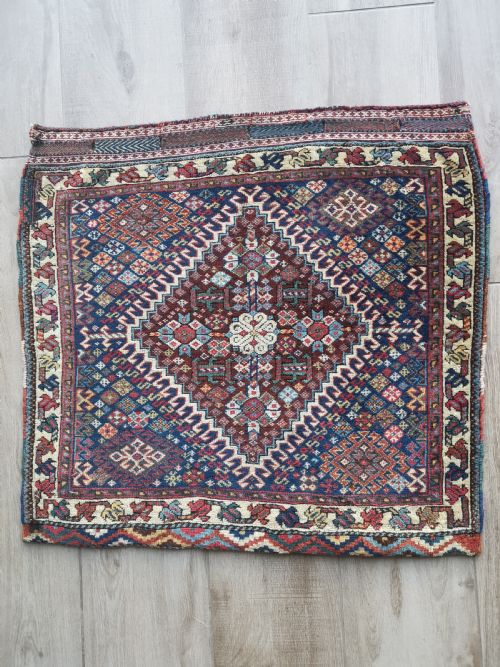
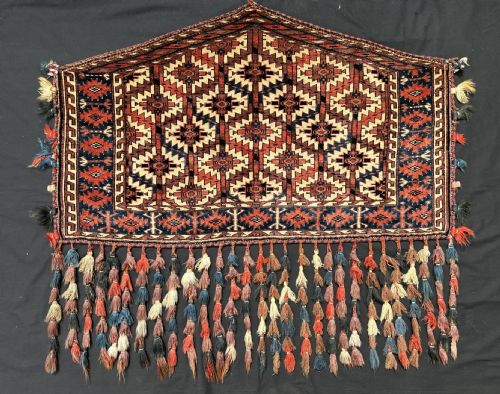
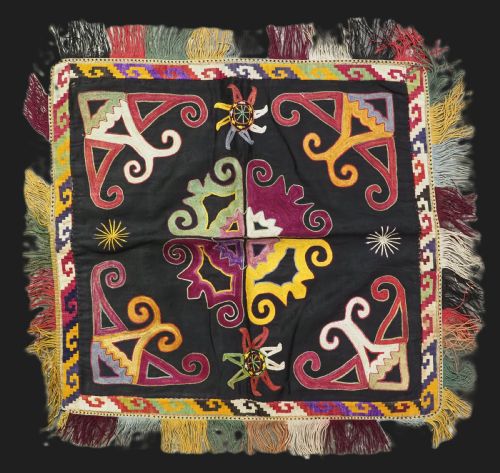
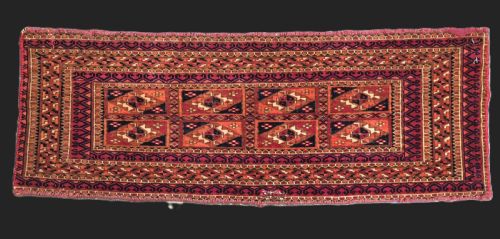
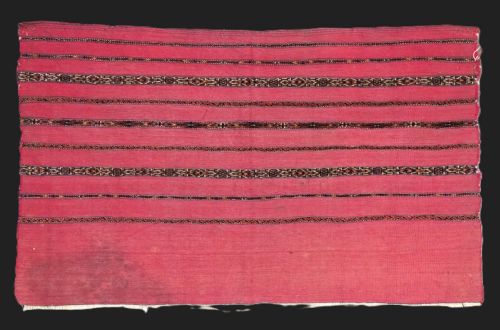
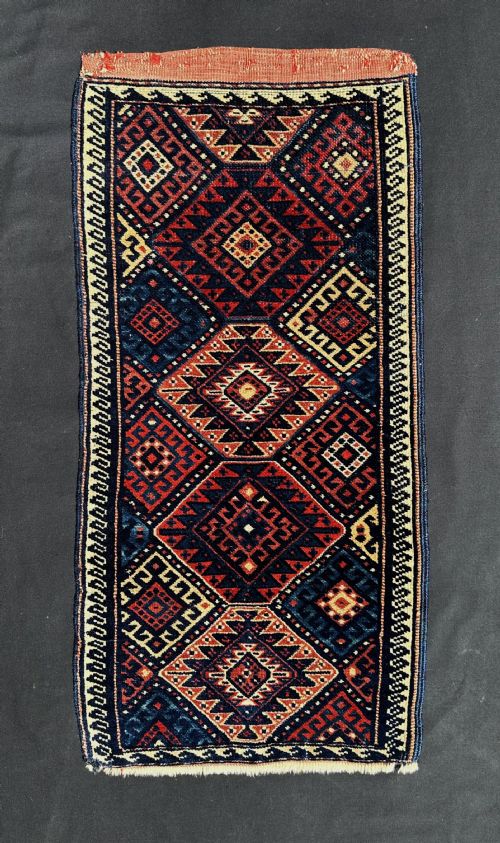
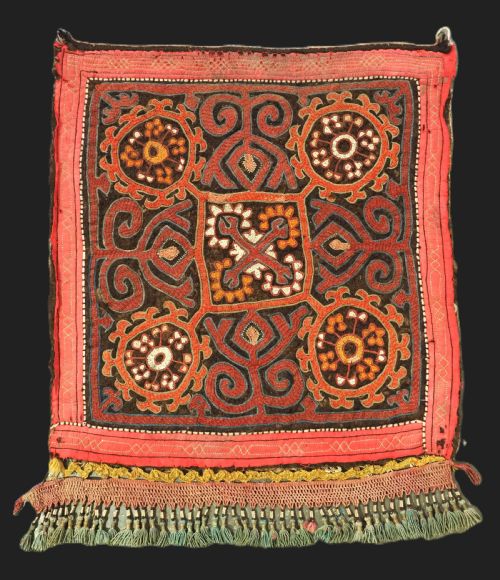
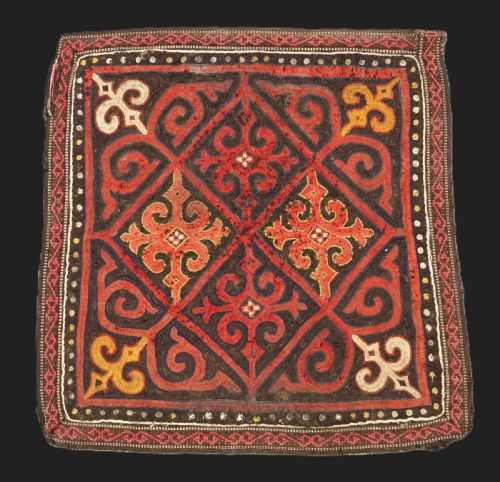
The selection ranges from Yomut and Tekke Turkmen torbas to Uzbek Lakaiilgich embroideries and Kirghiz felt panels dating from the mid-nineteenth century to the early twentieth century. Each region utilised distinct formats, such as the squarish chuval or the elongated yurt hanging, reflecting the specific domestic architecture and cultural customs of the makers.
Most examples originate from nomadic or semi-nomadic confederations including the Qashqai, Shahsavan, and Ersari tribes who migrated across the steppes and mountain valleys. Their output prioritises portable utility, meaning panels were designed to withstand the rigours of camp life while displaying tribal identity through traditional motifs.
Materials and construction methods
The foundation of these textiles relies predominantly on hand-spun wool and cotton, dyed using natural colorants derived from local plants and minerals. Artisans often combined pile weaving with flatweave techniques, soumak wrapping, or silk embroidery on wool grounds to achieve varied textures.
Nomadic weavers utilised sturdy warp-faced and weft-faced structures, incorporating felted wool and leather reinforcements where items required durability. The manipulation of natural dyes yielded deep madder reds, indigos, and yellows that soften gracefully over decades of exposure and handling.
Listings feature nineteen-century and early twentieth-century nomadic wool rug panels utilising natural dyes, cotton foundations, and felted wool.
Evaluating textile merit
Superior examples distinguish themselves through the crispness of tribal drawing, the saturation and balance of natural dyes, and the fineness of the knotting or embroidery. Master weavers achieved a rhythmic precision in repeat patterns that lesser pieces lack, resulting in a more compelling visual tension across the field.
Condition and completeness also govern standing within the category, as panels retaining original sides, backs, or intact borders command greater historical interest. The handling of wool quality - specifically the lanolin content and tightness of the hand-spun yarn - determines how resilient the surface remains against age.
The Nomadic Wool Rug Panel Glossary
- Torba
- A small Turkmen storage bag traditionally hung inside the yurt for household possessions. These items display intricate primary guls characteristic of specific tribal lineages.
- Chuval
- A large tent storage bag used for bedding and blankets by Turkmen tribes. They often feature multiple rows of major guls and detailed elem skirts.
- Ilgich
- An embroidered wall hanging or dowry piece produced by Uzbek Lakai tribes. They are known for lively, spontaneous silk needlework on wool grounds.
- Gul
- A primary octagonal or repeating medallion motif used by Central Asian carpet-weaving tribes. Each design identifies the specific clan or sub-tribe of the maker.
- Sumac
- A flatweaving technique where decorative weft threads wrap around warp threads in a continuous movement. This method creates a sturdy, slightly raised surface texture without a cut pile.
Nomadic Wool Rug Panel: Frequently Asked Questions
What is a nomadic wool rug panel?
A nomadic wool rug panel is a fragment or complete face of a utilitarian tribal bag, trapping, or hanging made by pastoral weavers.
These textiles were originally fashioned for daily use in tents and pack animals before being collected for their graphic power.
How were these panels used originally?
Nomadic families utilised these woven items to store grain, clothing, bedding, and personal belongings inside portable yurts.
They also functioned as decorative dowry elements, tent trappings, and functional horse covers during seasonal migrations across the steppes.
How do I hang a textile panel?
Mounting a textile panel safely requires distributing the weight evenly along a padded wooden batten or using conservation-grade Velcro.
Avoid direct sunlight and hanging near heat sources to protect the natural wool fibres and vegetable dyes from fading.
How can I tell tribal groups apart?
Tribal attribution relies on identifying specific design vocabulary, such as the distinctive guls of Yomut and Tekke weavers or Lakai embroidery styles.
Colour palettes, structural weaves, and wool characteristics also point directly to the specific region and nomadic confederation of origin.