



Hand Knotted Tribal Textile
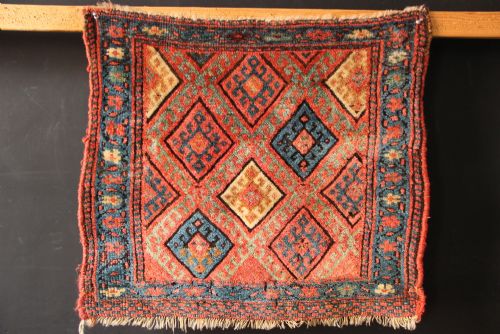
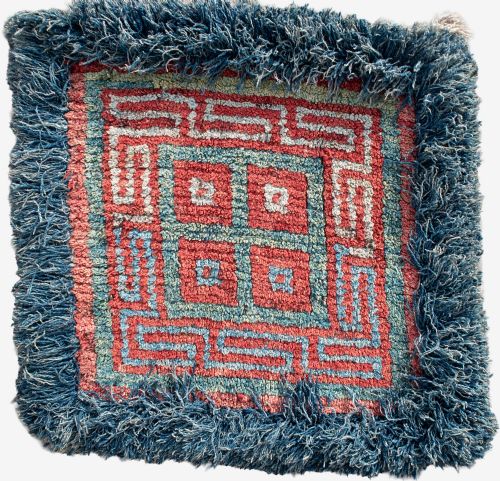
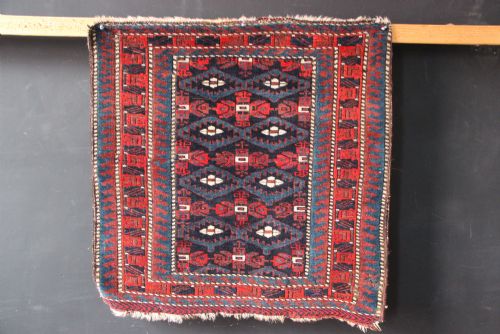
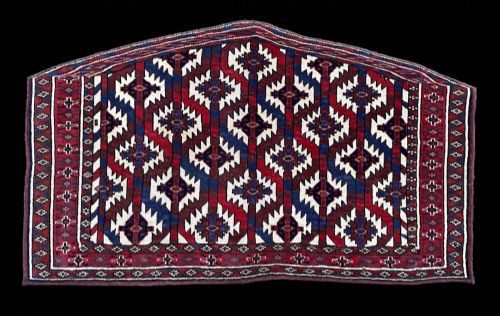
A hand knotted tribal textile carries the nomadic history of Central Asia and Persia within its wool and dye.
Hand Knotted Tribal Textile
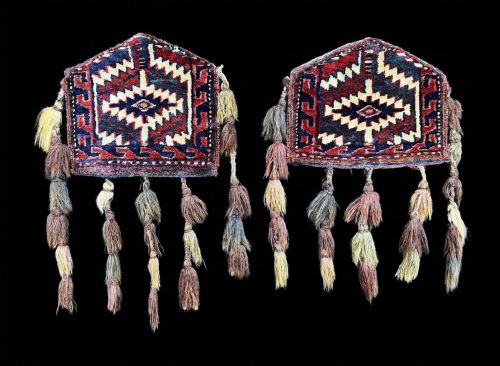
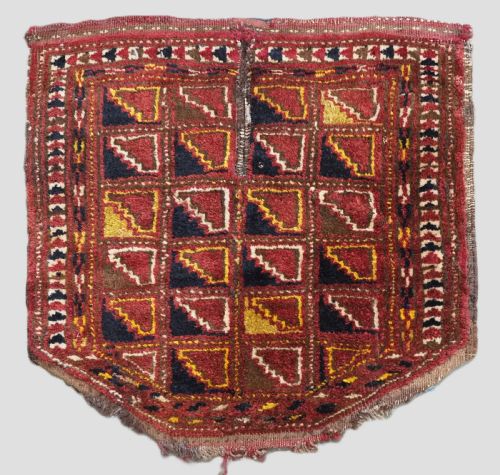
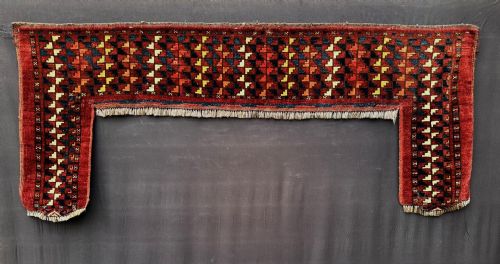
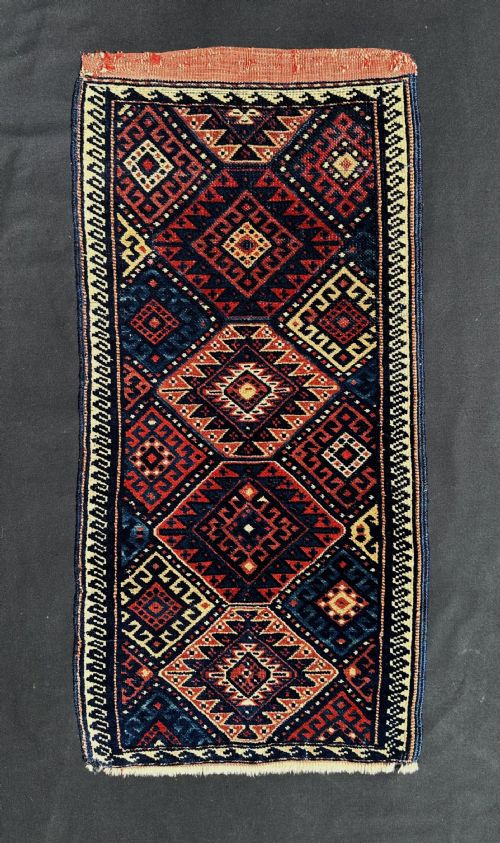
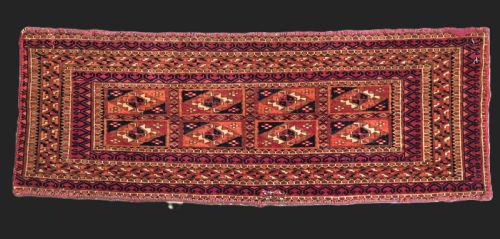
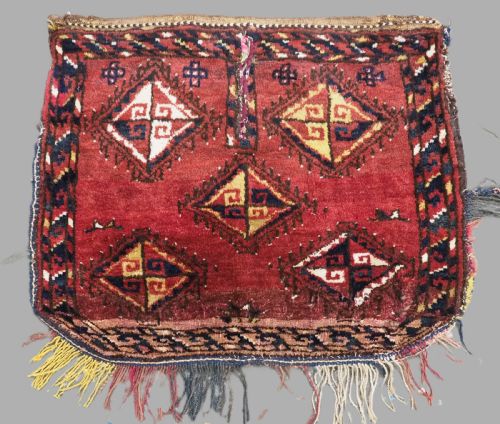
The versions most frequently met on this page originate from tribal groups like the Yomut, Tekke, Ersari, and various Kurdish or Qashqai communities. Dating predominantly from the nineteenth and early twentieth centuries, these works showcase traditional regional patterns passed down through generations of makers.
How they were made
The foundation of a hand knotted tribal textile relies on sturdy hand-spun wool and cotton, often paired with leather details for durability in nomadic environments. Weavers utilised natural dyes to colour the yarn, producing deep reds, ivories, and rich earth tones that deepen with age.
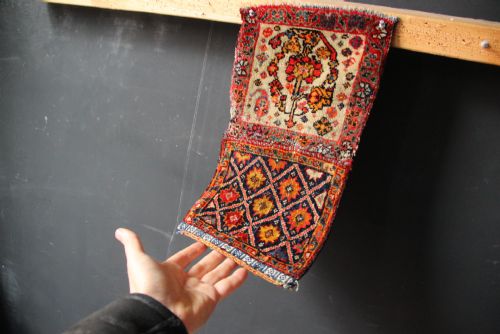
Makers tied dense knots by hand onto warps and wefts, creating durable surfaces designed to withstand the rigours of animal transport and tent storage. Finishing touches frequently incorporate plain weave backs or side corduroy closures to protect the contents of these utilitarian storage pieces.
Hand Knotted Tribal Textile Retail Price Guide 2026
Typical asking prices for hand knotted tribal textile among the pieces listed under this phrase on Sellingantiques today, from the lower quarter to the upper quarter. They describe what is for sale here now, not the wider market.
Listings feature pieces spanning the mid-nineteenth century through the early twentieth century, utilising hand-spun wool and natural dyes.
What varies in quality
The distinction between average and exceptional examples rests in the density of the knotting and the crispness of the tribal guls or medallions. A tighter, finer weave allows intricate geometric motifs to emerge with greater clarity, demonstrating the weaver's precise control over the wool.
Depth and vitality of colour also separate the output, as variations in natural dye baths yield richer, more saturated hues. Furthermore, the preservation of original backs, complete formats, and intact side cords elevates the integrity of an antique piece.
The Hand Knotted Tribal Textile Glossary
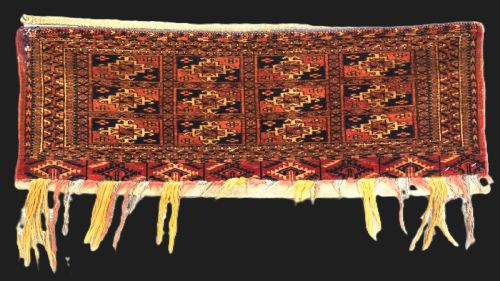
- Torba
- A small Turkmen storage bag traditionally used inside a yurt for holding household goods. These pieces usually feature characteristic guls and wide horizontal proportions.
- Chuval
- A large tent-storage bag produced by Turkmen tribes to store bedding and heavy belongings. They often display multiple primary guls across the face.
- Gul
- A repeated octagonal or medallion motif used in Turkmen and other Central Asian textile designs. Each tribal group typically employed distinct gul variations to denote lineage.
- Engsi
- A specialised Turkmen tent door hanging placed at the entrance of a yurt. They feature a distinctive four-part panel design divided by a candelabra motif.
- Chanteh
- A small nomadic carrying bag or pouch woven for personal use. These portable items frequently exhibit expressive tribal geometry in a compact format.
Hand Knotted Tribal Textile: Frequently Asked Questions
What were tribal textile bags used for?
Nomadic communities utilised these hand knotted pieces primarily for storage, transport, and domestic organisation inside tents. Items like torbas and chuvals held bedding, clothing, and household provisions during seasonal migrations.
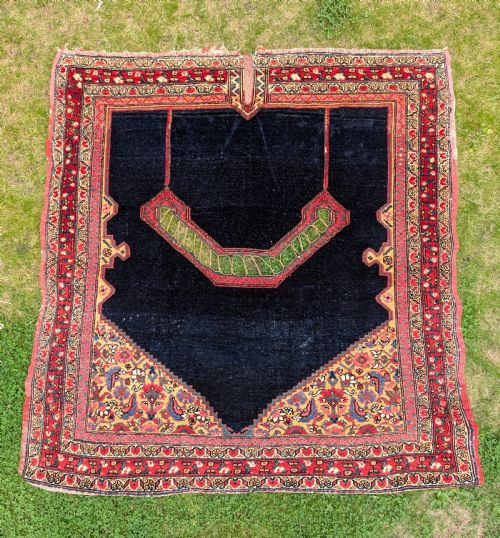
Smaller formats such as chantehs and saddle covers served personal travel needs or decorated pack animals. Every functional item integrated decorative tribal symbols that reflected the maker's heritage and clan identity.
How do I identify a Yomut weaving?
Yomut Turkmen textiles often feature distinctive secondary motifs and deep madder-red grounds that set them apart from neighbouring Tekke or Ersari work. Look for specific guls such as the kepse design or diagonal asmalyk shapes associated with wedding processions.
The handle of the wool and the specific structure of the weave also provide clues to tribal origin. Comparing border bands and minor guls helps confirm attribution to the Trans-Caspian steppes.
Are these pieces fragments or complete?
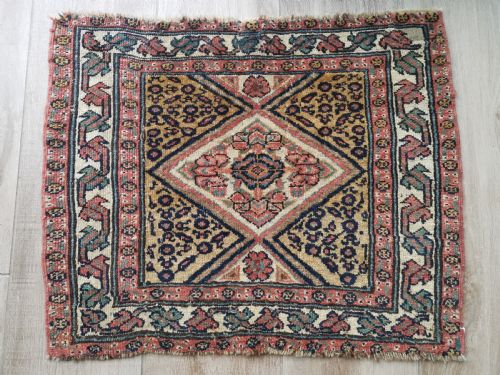
The listings include both complete utilitarian items with original plain weave backs and standalone bagfaces that were separated from their rear panels over time. Many antique storage items survived merely as faces because the front sections displayed the primary artistic work.
Collectors value complete structures with intact backs and side cords for their scarcity. However, individual bagfaces and fragments remain popular for display due to their concentrated tribal designs.
How should I care for an antique textile?
Protect antique wool and natural dyes by keeping pieces out of direct sunlight to prevent fading. Gentle vacuuming with a mesh screen attachment helps remove dust without damaging the hand knotted pile or flatweave structure.
Avoid hanging heavy textiles by a single point to prevent warping the foundation. Professional textile conservators should handle any necessary cleaning or stabilization.