

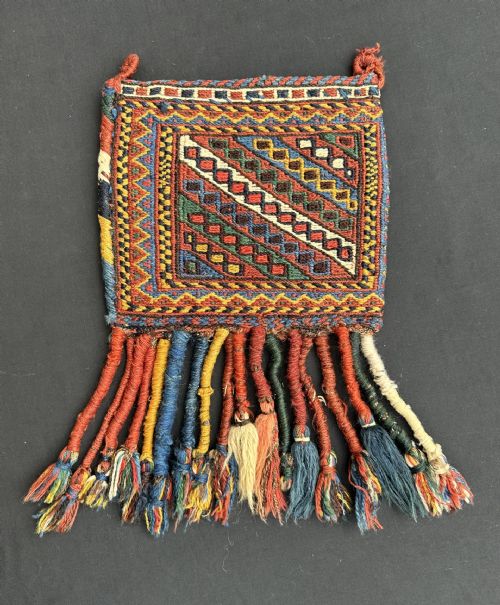


Antique Wool Textile Fragment
An antique wool textile fragment carries the storied remnants of tribal weaving and European tapestry, offering tactile history for the collector.
Antique Wool Textile Fragment
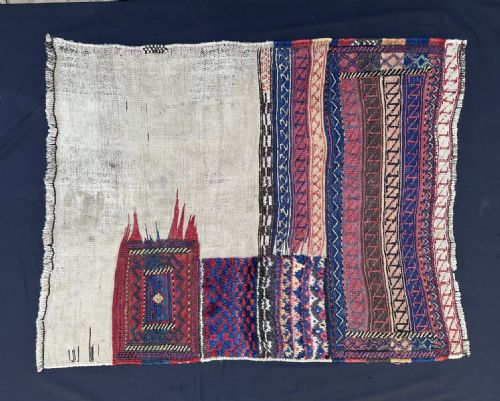
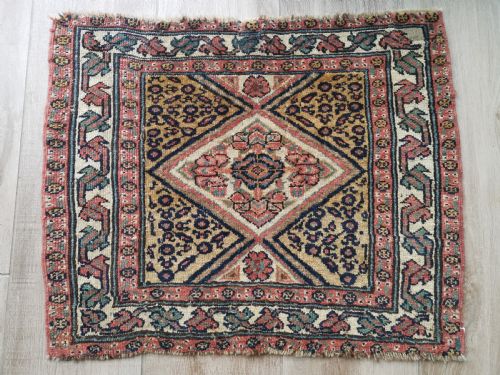
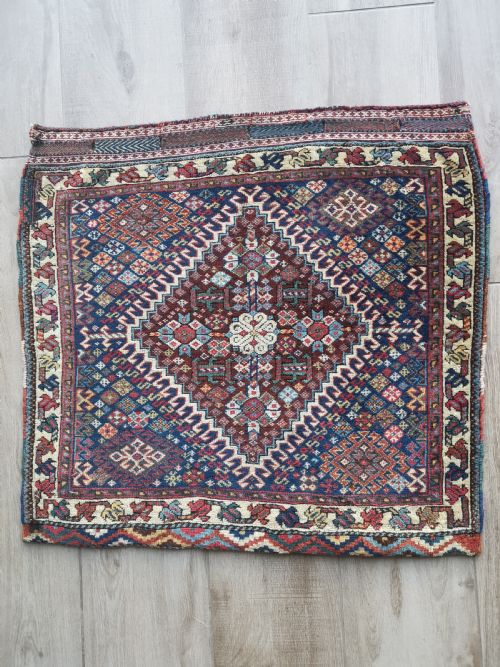
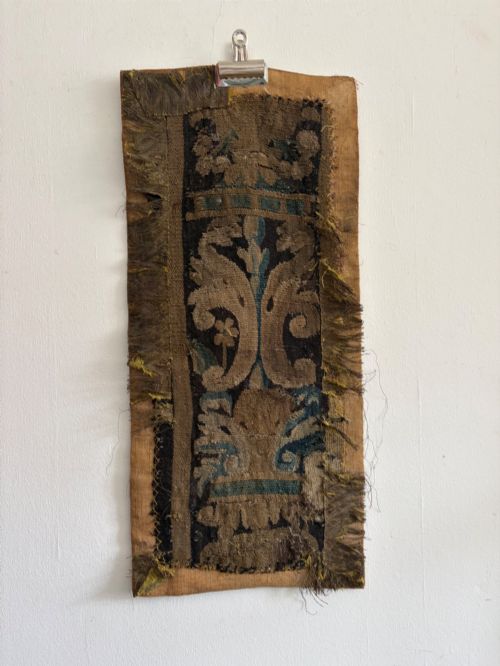
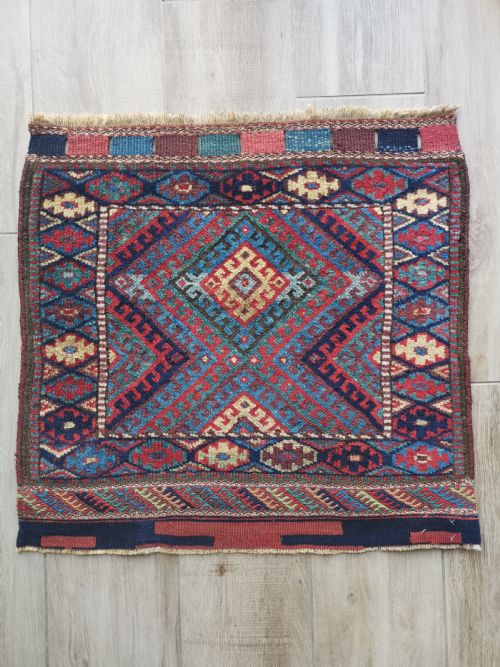
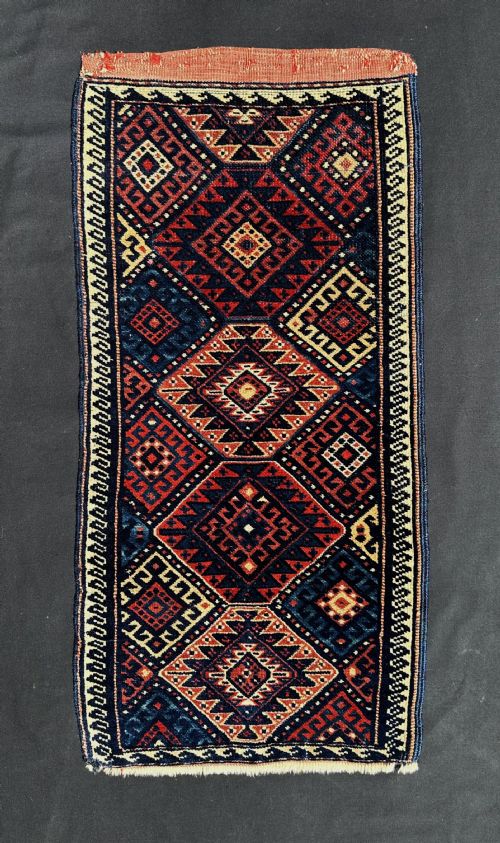
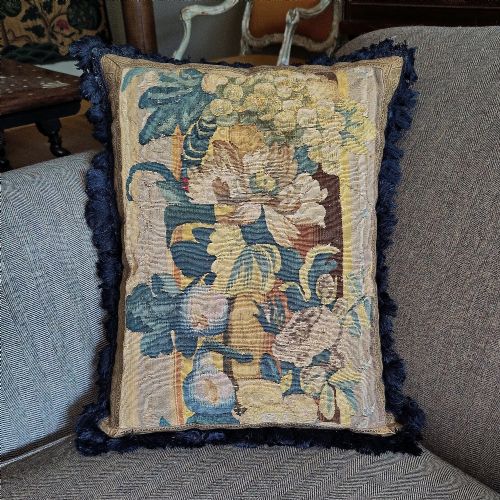
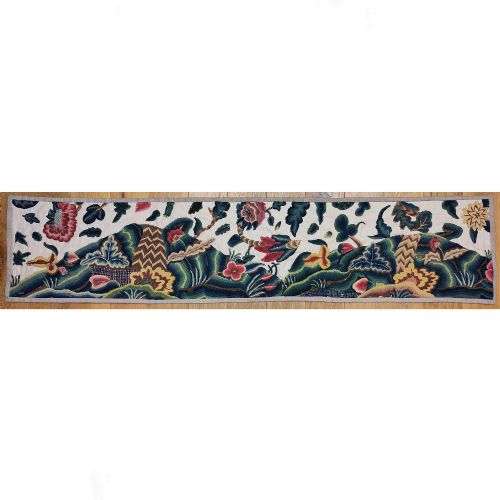
When searching for an antique wool textile fragment, buyers encounter surviving sections of tribal bagfaces, animal trappings, and European tapestry panels. These pieces span from the seventeenth century through to the end of the nineteenth century, originating from Persian nomads, Turkmen tribes, and Flemish workshops.
Materials and construction methods
The pieces rely primarily on hand-spun wool and natural dyes, occasionally supplemented by cotton, silk, and linen foundations. Artisans knotted or wove the wool threads by hand, building durable structures designed for daily nomadic utility or formal domestic display.
Many fragments owe their current form to later mounting or framing processes, where fragile edges are secured to linen or wood backings. This structural support prevents further fraying while maintaining the visual integrity of the historic weaving.
Nomadic weavers often packed these wool bags with household goods, unknowingly creating durable art destined for future collectors.
Assessing quality in textile fragments
The condition of the surviving wool and the completeness of the primary design elements dictate the value of a fragment. Pieces retaining high colour saturation and balanced tribal motifs command greater interest among serious collectors.
The Antique Wool Textile Fragment Glossary
- Torba
- A small storage bag or trapping produced by Turkmen tribes, often featuring distinct medallion motifs known as guls.
- Bagface
- The decorative front panel of a nomadic storage sack, preserved after the plain back fabric deteriorated.
- Verdure tapestry
- A European woven panel depicting stylized foliage, trees, and gardens, popular during the seventeenth and eighteenth centuries.
- Sumac
- A flat-weave technique involving wrapping weft threads around warp threads to create a textured, durable surface.
- Gul
- A repeating medallion or floral motif characteristic of Central Asian and Turkmen tribal weaving traditions.
Antique Wool Textile Fragment: Frequently Asked Questions
What is an antique wool textile fragment?
An antique wool textile fragment is a surviving section of an older rug, bagface, or European tapestry. These pieces preserve historical weaving techniques and tribal designs from past centuries.
Buyers often acquire them as manageable examples of larger, costlier historical textiles that can be displayed easily on walls.
How were these textile fragments used originally?
Many fragments originated as functional nomadic items such as saddle bags, storage sacks, or tent bands used daily by tribal communities. Others formed parts of large wall hangings and tapestries inside European residences.
Over time, wear caused the original objects to break down, leaving durable sections to be salvaged as individual pieces.
How should I display a fragment at home?
Textile fragments are frequently mounted on linen or framed behind glass to protect the fragile wool fibres from physical stress. Proper mounting prevents sagging and distributes the weight evenly across the backing material.
Keep them away from direct sunlight to protect the natural dyes from fading over the years.
How can I tell the age of a textile fragment?
Age is determined by evaluating the types of natural dyes used, the spin of the wool, and the structural characteristics of the weave. Stylistic elements like tribal guls or Flemish verdure patterns also provide clear clues to the period.
Comparing structural details against documented historical examples helps narrow down the century of production.