

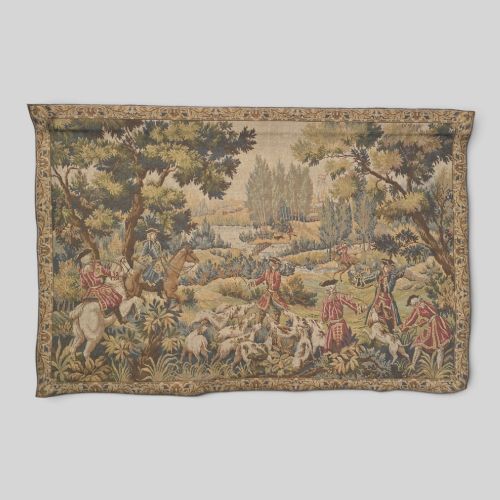
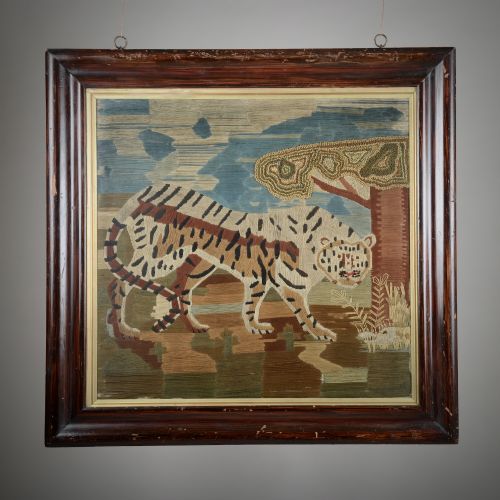
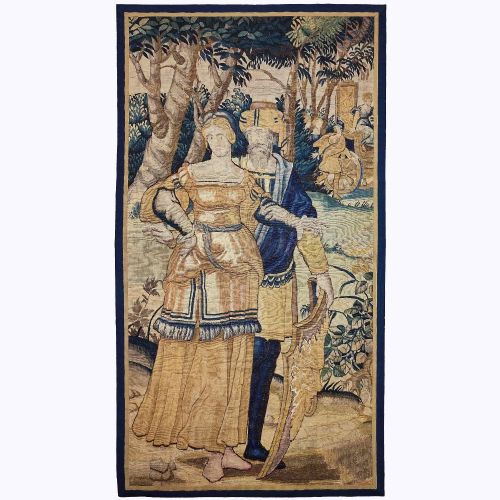

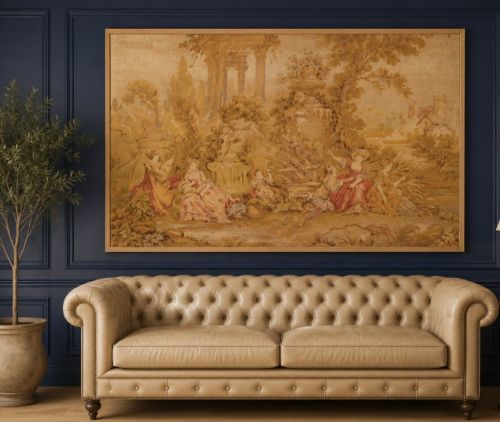
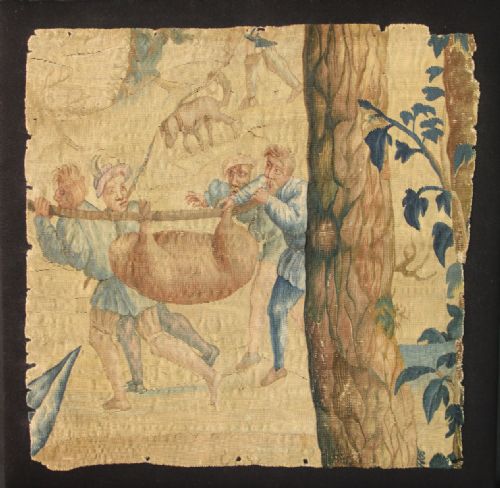


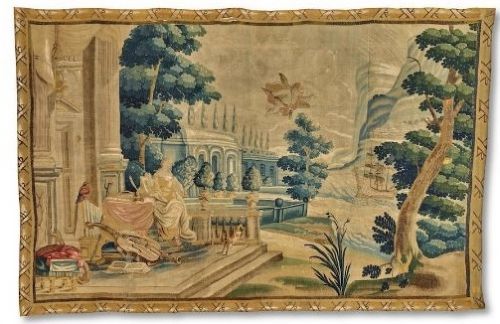


Beige Wool Tapestry
A beige wool tapestry brings texture and history to a room, offering centuries of woven artistry for modern walls.
Beige Wool Tapestry
A beige wool tapestry represents a woven textile tradition spanning multiple centuries, featuring prominently in historical interiors as both wall art and functional furnishings. When you search for a beige wool tapestry, you encounter wall hangings, framed panels, cushions, and rugs originating from French, Flemish, and Persian workshops.
The pieces available include large scale hangings alongside smaller fragments, cushions, and entre-fenêtre panels designed for narrow wall spaces between windows. French and Flemish designs dominate the selection, often rendered in neutral wools alongside cotton, silk, and canvas elements.
Earlier examples date back to the sixteenth and seventeenth centuries, while nineteenth-century works and later twentieth-century rugs maintain the classic aesthetic. These textiles adapt readily to contemporary living spaces, functioning as acoustic dampening wall art or durable floor coverings.
Materials and construction
The primary construction relies on wool, frequently combined with cotton, silk, and linen yarns to create varied surface textures and subtle tonal shifts in beige and neutral palettes. Artisans wove these textiles on manual looms or worked needlepoint canvases by hand, sometimes mounting finished panels onto timber frames or wooden boards.
Structural support often incorporates canvas backings and linen linings to protect the heavy wool weave over centuries of display. Certain pieces incorporate wooden furniture frames, such as walnut stools or upholstered chairs, integrating the textile directly into functional seating.
Beige Wool Tapestry Retail Price Guide 2026
Typical asking prices for beige wool tapestry among the pieces listed under this phrase on Sellingantiques today, from the lower quarter to the upper quarter. They describe what is for sale here now, not the wider market.
Listings feature wool, cotton, silk, canvas, and linen materials across periods ranging from the seventeenth century to the twentieth century.
Factors determining quality
Quality rests upon the density of the weave and the complexity of the pictorial composition, distinguishing monumental mythological or pastoral scenes from simpler decorative patterns. Finer pieces demonstrate intricate control over shading within neutral wool tones, achieving depth without relying on saturated colours.
The integrity of the surviving textile structure separates intact panels from heavily restored fragments. Provenance and workshop attribution, such as works associated with Aubusson or Brussels traditions, elevate the standing of a piece within the broader spectrum of antique textiles.
The Beige Wool Tapestry Glossary
- Aubusson
- A style of tapestry and carpet originating from the French town of Aubusson, known for pastoral scenes and floral motifs woven without a warp-threads-hiding technique. These pieces often feature muted beige and pastel palettes.
- Entre-fenetre
- A tall, narrow tapestry specifically designed to hang on the wall space between two windows. These panels make efficient use of vertical architecture.
- Needlepoint
- A type of embroidery stitched onto a canvas mesh ground using wool or silk yarn. It forms a dense, durable surface common in historic cushions and carpets.
- Flemish baroque
- A seventeenth-century artistic style from Flanders characterised by dramatic theatricality and rich detail. Tapestries from this region frequently depict grand mythological or historical narratives.
- Kashan
- A style of Persian rug originating from Kashan, featuring detailed pictorial or floral wool designs. These rugs demonstrate fine knotting techniques and pictorial symmetry.
Beige Wool Tapestry: Frequently Asked Questions
How do I hang a heavy tapestry?
Large wool tapestries require even weight distribution across the upper edge to prevent distortion of the weave. A concealed wooden batten or a specialised Velcro mounting system attached to a sturdy timber frame secures the textile safely to the wall.
Avoid hanging textiles in direct sunlight or damp environments, as wool fibres react strongly to humidity fluctuations and ultraviolet light. Regular gentle dusting with a soft brush helps maintain the surface without damaging the historic fibres.
Where were these tapestries originally made?
The pieces originate primarily from European workshops in France and Flanders, alongside Persian weaving centres. French workshops in Aubusson and Brussels in modern-day Belgium produced many of the large wall hangings and entre-fenetre panels seen today.
Later nineteenth-century needlepoint and twentieth-century pictorial rugs expanded production into England and America. Each region utilised distinct wool preparation and weaving techniques characteristic of its local tradition.
How do I clean an antique wool tapestry?
Professional textile conservators should handle major cleaning and restoration of antique wool and silk tapestries. Household cleaning agents or water washing can cause irreversible shrinkage and dye bleeding in historic pieces.
Routine maintenance involves very gentle surface vacuuming through a protective mesh screen on a low suction setting. This removes surface particulate matter without catching loose threads or pulling the weave.
What is the difference between a tapestry and a rug?
Tapestries are wall-hung pictorial or decorative textiles woven on vertical looms primarily for display on vertical surfaces. Rugs and carpets are constructed with a thicker pile or flatweave designed to withstand foot traffic on the floor.
While both utilise wool, cotton, and silk materials, their structural density and backing treatments differ significantly. Framed tapestry panels and cushions further adapt wall textiles into decorative home accessories.