

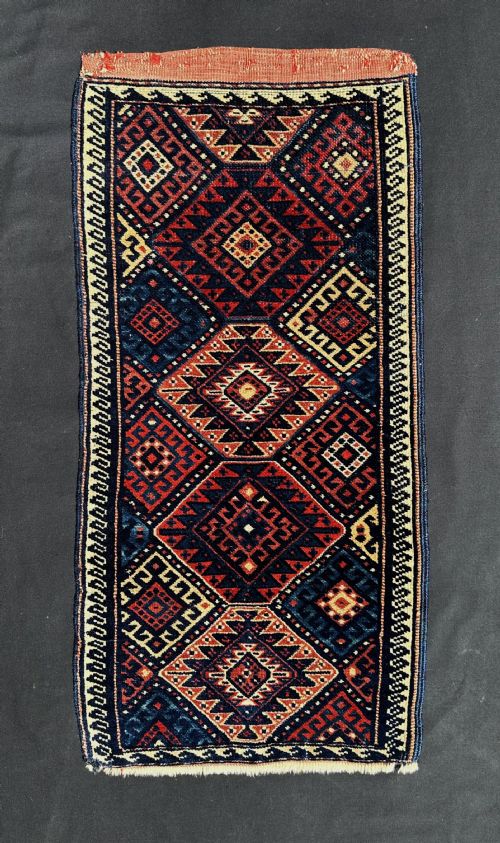


Antique Woven Cushions
These antique woven cushions are tactile fragments of tribal and formal textile history, offering authentic pattern and texture to living spaces.
Antique Woven Cushions
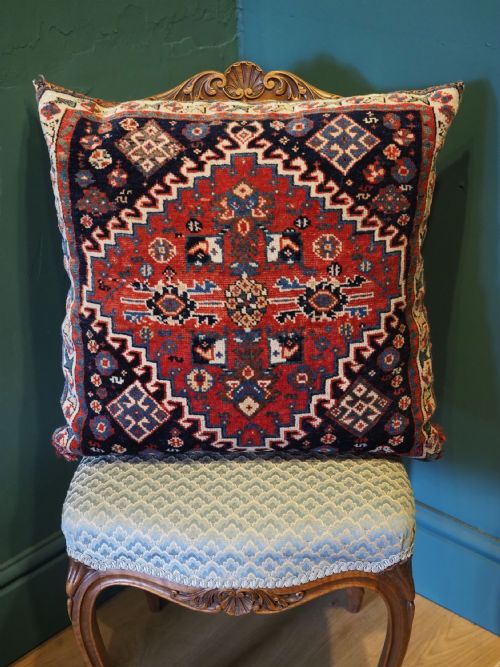
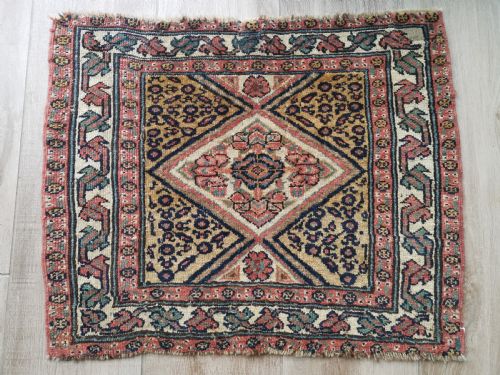
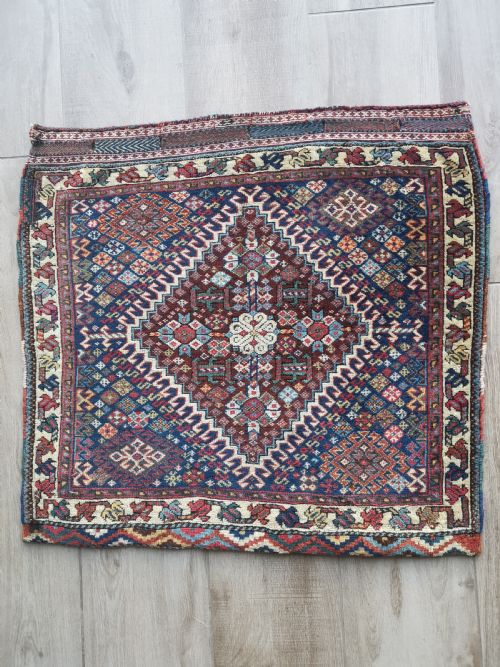
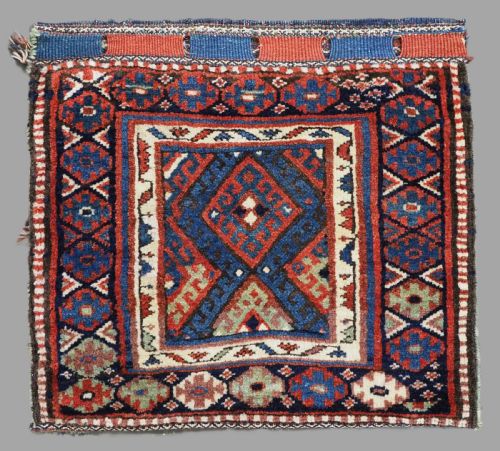
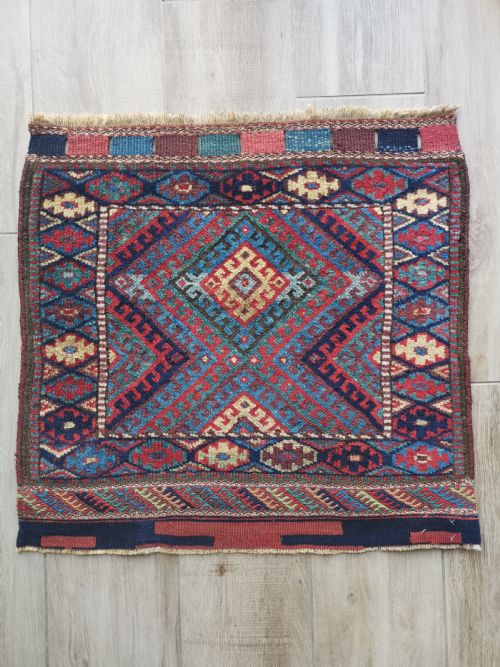
When you search for antique woven cushions, you encounter repurposed tribal bag faces, saddlebags, and flatwoven fragments created by nomadic and village weavers. These textiles originate largely from Persian, Anatolian, and Turkmen tribal groups, alongside European tapestry and silk fragments.
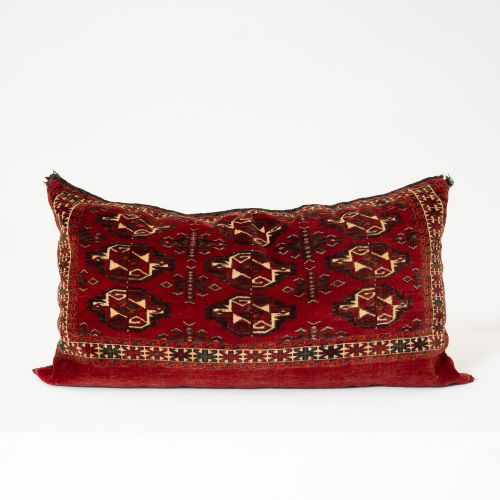
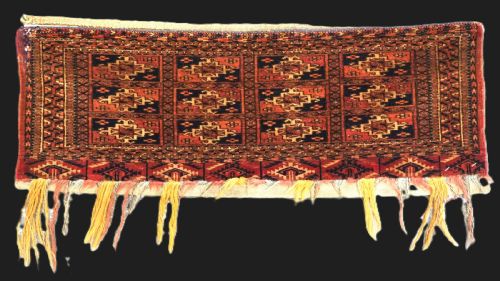
The most common formats on this page are constructed from utilitarian items such as torbas, chuvals, and balisht pillows that have been converted into cushions. Their patterns preserve traditional tribal motifs, geometric symbols, and regional colour palettes developed across the nineteenth and early twentieth centuries.
How they were made
The materials rely primarily on hand-spun wool, cotton, silk, linen, and goat hair, often coloured using natural dyes that yield rich, variable tones. Weavers utilised techniques including flatweaving, pile knotting, and tapestry weaving to construct durable storage bags and trappings.
Many examples incorporate sturdy plain-weave wool backs paired with intricately patterned pile or flatwoven faces. This construction reflects their original function as nomadic transport sacks designed to endure daily use.
Listings feature materials such as hand-spun wool, silk, cotton, and goat hair alongside natural dyes.
What varies in quality
Quality rests upon the fineness of the knotting or weave density, the clarity and saturation of the natural dyes, and the integrity of the textile structure. Pieces retaining their original proportions and complete tribal guls or motifs command greater visual strength.
The skill of the individual nomad or village weaver dictates the precision of the geometry and the depth of the palette. Furthermore, the condition of the wool pile and the authenticity of the conversion from bag face to cushion influence the overall character.
The Antique Woven Cushions Glossary
- Bagface
- The decorated front panel of a nomadic storage bag, which is frequently repurposed into a cushion.
- Chuval
- A large Turkmen tent-storage bag traditionally used for bedding and household goods.
- Torba
- A smaller Turkmen storage bag, wider than it is tall, often hung within a tent.
- Balisht
- A traditional tribal pillow or small sleeping bag, highly collectible in pillow form.
- Soumac
- A wrapping technique producing a smooth face with decorative surface texture and stacked stitch effects.
- Gul
- A repeating medallion or octagonal motif associated with specific Turkmen and tribal groups.
Antique Woven Cushions: Frequently Asked Questions
What is an antique woven cushion?
These pieces are decorative cushions created from historical textiles, notably nomadic bag faces, kilims, and European fragments.
They transform functional items like saddlebags and storage pouches into soft furnishings for domestic use.
How do I care for my cushion?
Protect the antique wool and natural dyes by keeping the textile away from direct sunlight to prevent fading.
Gentle surface cleaning or specialist textile attention maintains the integrity of the historical weave.
Where do these textiles come from?
The pieces originate from regions including Persia, Anatolia, Central Asia, and Europe.
Nomadic tribes and village weavers produced the tribal rugs and bag faces, while European workshops supplied the tapestry fragments.
How are tribal bag faces converted?
Craftsmen typically mount the antique woven front panel onto a complementary backing material, such as plain-weave wool or linen.
This process preserves the historic face while adapting the textile for modern interior placement.