

Antique Woven Cane Chair
An antique woven cane chair brings tactile warmth and historic craftsmanship to any room, combining resilient natural seating with robust timber frames.
What an antique woven cane chair is
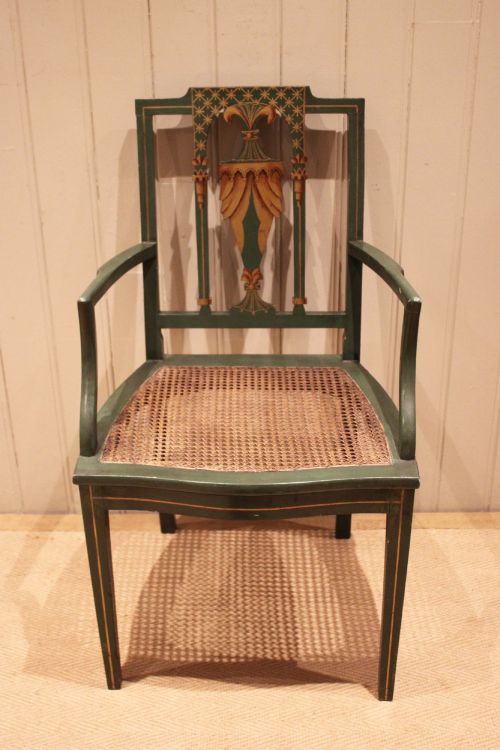
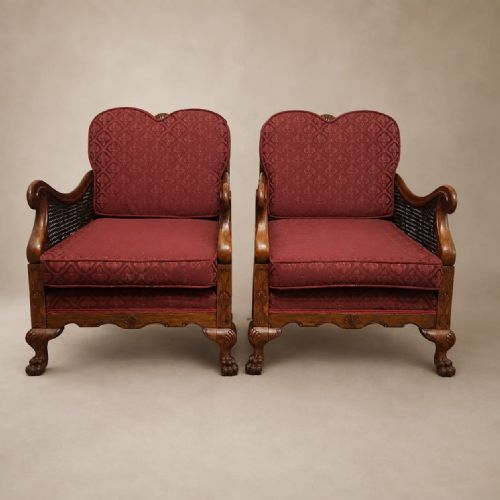
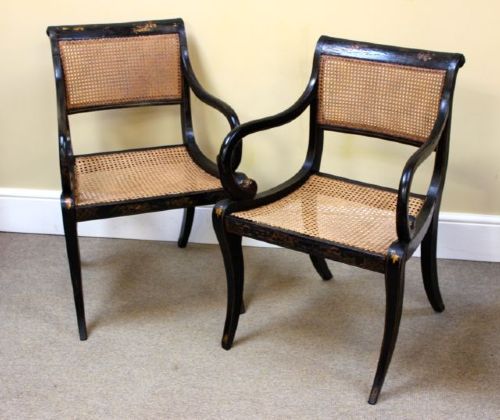
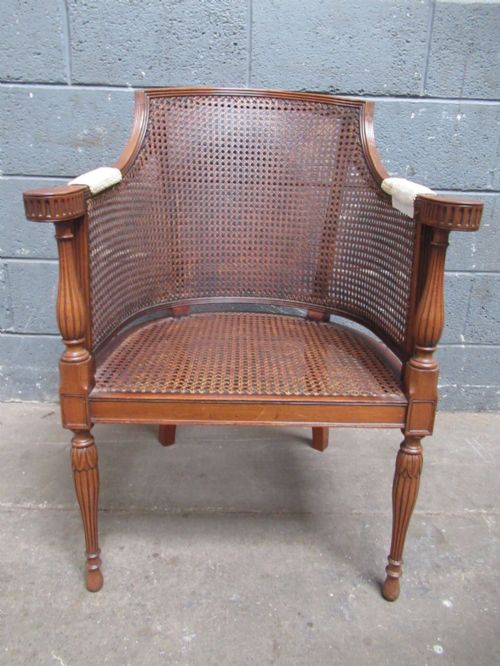
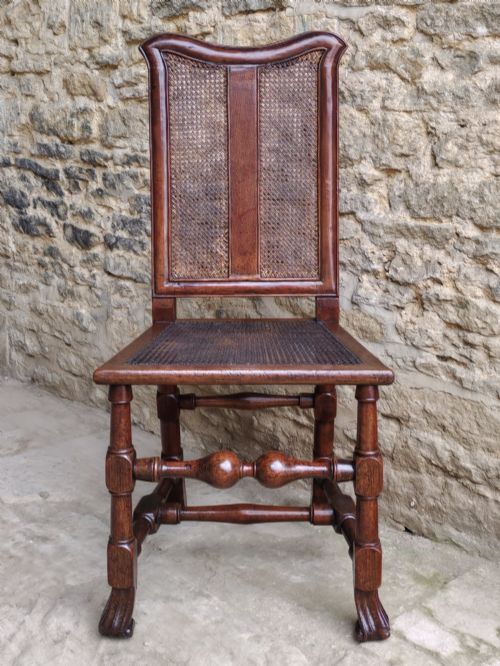
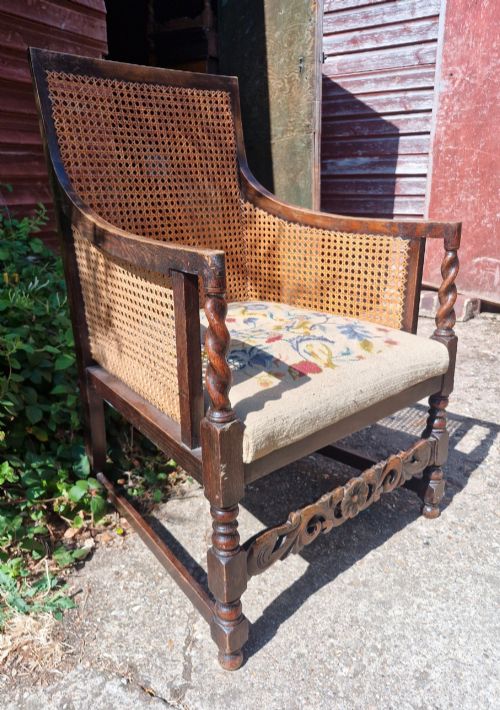
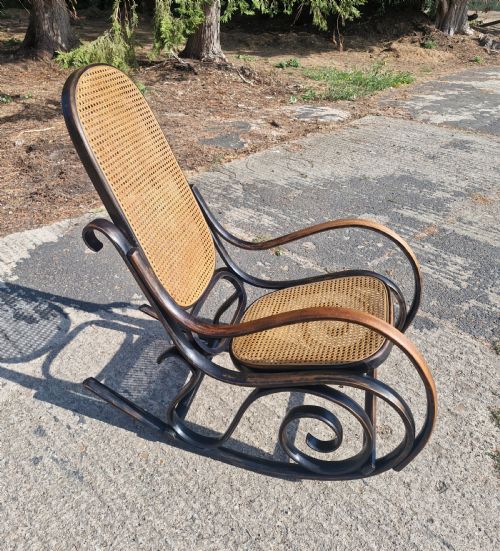
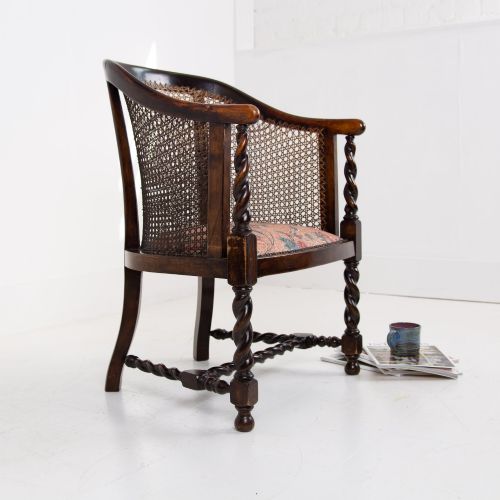
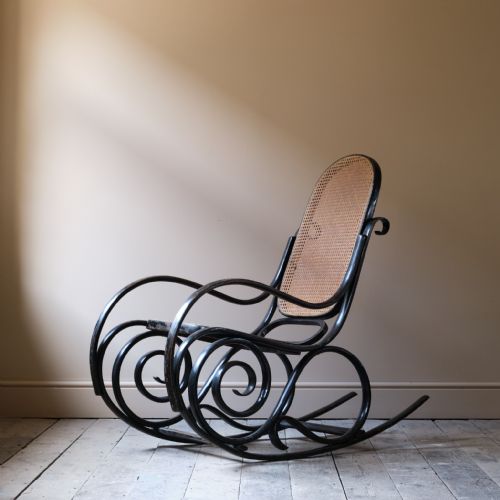
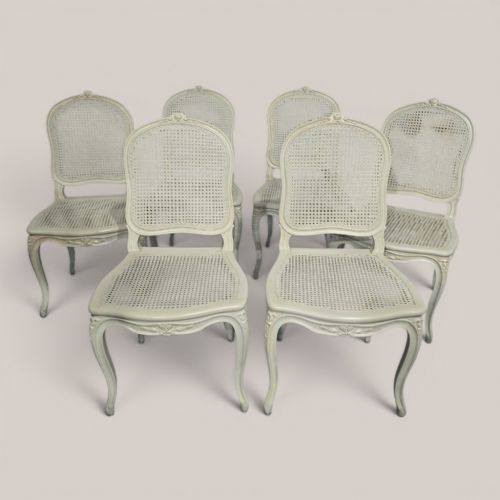
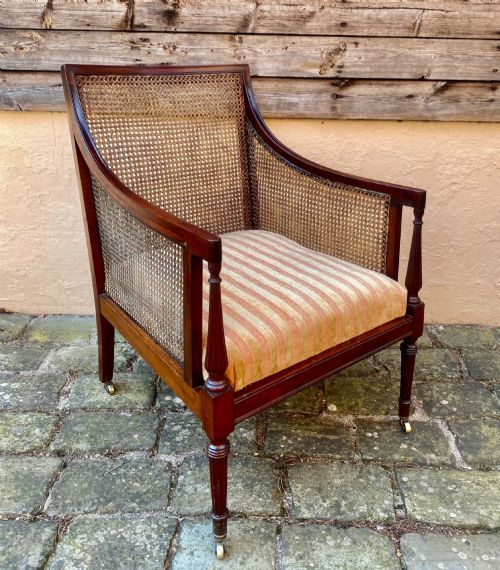
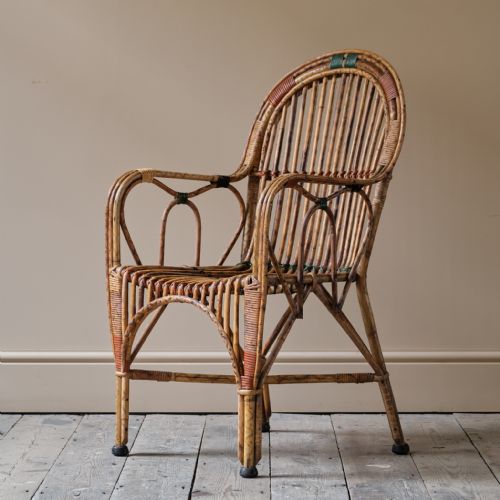
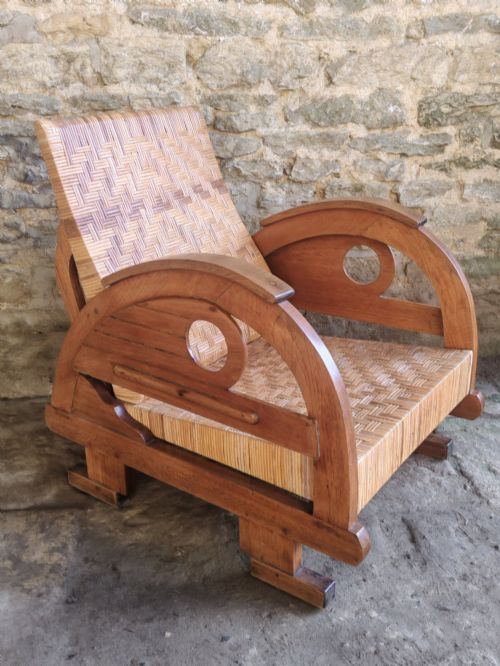
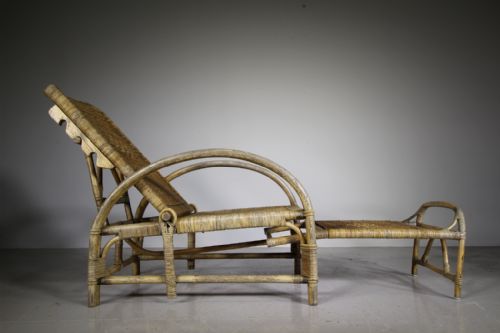
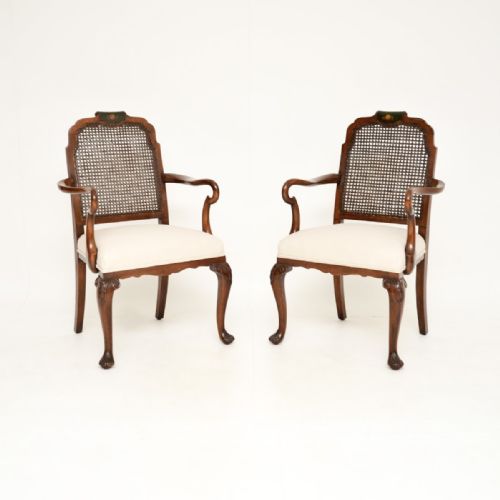
When searching for an antique woven cane chair, collectors encounter a diverse array of forms spanning several centuries of British, European, and colonial furniture making. These pieces primarily manifest as side chairs, armchairs, and even children's high chairs, designed with perforated plant material seats and backs.
The selections available on this page reflect centuries of domestic seating history, ranging from seventeenth-century walnut frames to nineteenth-century Victorian and revival iterations. Buyers frequently meet pieces defined by regional stylistic shifts, including Carolean Revival, rustic country, and Anglo-Indian colonial designs.
Early examples demonstrate high-status seating traditions utilising turned or carved wooden supports, while later Victorian and Edwardian periods favour differing timbers and functional domestic roles. Each surviving chair preserves a distinct method of weaving and framing that marks its specific period of origin.
How they were made
The construction of these seats combines durable hardwoods such as oak, walnut, mahogany, ebony, and brass fastenings with flexible plant fibres like cane and rattan. Craftsmen shaped solid timber frames using traditional joinery before boring holes around the seat rails and back frames to thread the pliable material.
Weavers utilised strands of cane to create intricate open-mesh patterns that provided resilient, breathable support for the sitter. Artisans also incorporated carved detailing directly into the wooden framework, balancing structural rigidity with decorative surface ornamentation.
Retail Price Guide 2026
Typical UK retail prices for woven cane chair, calculated from the Sellingantiques database of over a million retail prices indexed since 2003. This retail price guide relies exclusively on Sellingantiques data; no external sources or auction records are used, so the figures do not describe the wider market.
Materials documented across the inventory include oak, walnut, mahogany, ebony, brass, cane, and rattan.
What varies in quality
The distinction between standard examples and the finest pieces lies in the complexity of the timber carving and the integrity of the botanical materials used. Superior items exhibit dense, high-grade woods like solid ebony or finely figured walnut, paired with precise, tight hand-weaving that maintains consistent tension across the mesh.
Finer construction is further evidenced by the refinement of the turned supports and the harmony between the wooden frame and the inserted cane panels. Pieces that retain crisp sculptural details in the wood and uniform perforations in the seating areas represent the upper tier of craftsmanship.
The Antique Woven Cane Chair Glossary
- Cane
- A material derived from the peeled bark of rattan palms, utilised for flexible and breathable seating inserts.
- Bergere
- An upholstered or caned armchair with an enclosed wooden frame, often associated with nineteenth-century child and adult seating.
- Carolean
- A style of seventeenth-century English furniture characterised by rich carving, scrolling foliage, and tall cane backs.
- Side chair
- A light, seat-only chair without arms designed for placement around a dining table or against a wall.
Frequently Asked Questions
How do I care for antique cane?
Maintain cane seats by lightly dampening the material occasionally to prevent the natural fibres from becoming brittle over time. Avoid placing these chairs near direct heat sources which can dry out the plant material.
Support the woven areas with suitable cushions if used daily to distribute weight evenly across the entire mesh surface.
Are these chairs comfortable to sit on?
The woven panels offer a surprising amount of resilient flex that contours naturally to the body when in use. Many historical models were designed specifically for formal sitting rather than lounging.
Adding a tailored squab cushion can enhance comfort while protecting the historical weave from direct friction.
How do I identify seventeenth-century chairs?
Early examples typically feature heavy turned stretchers, dark walnut or oak timber frames, and deep relief carving around the crest rail. The joinery often employs traditional pegged construction methods specific to that era.
Examining the underside and the pattern of the hand-drilled holes provides further clues regarding the manufacturing date.
What is Anglo-Indian furniture?
This category encompasses pieces made in the Indian subcontinent during the colonial period, frequently utilising dense local timbers such as solid ebony. Skilled local artisans adapted British furniture forms using traditional carving techniques.
These items often display distinctive botanical motifs and deep sculptural detailing absent in standard domestic English production.