
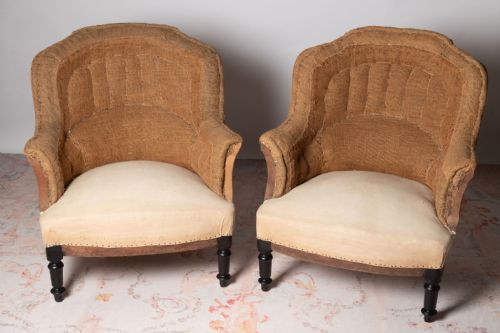
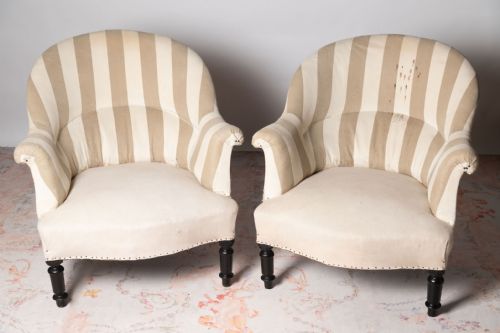
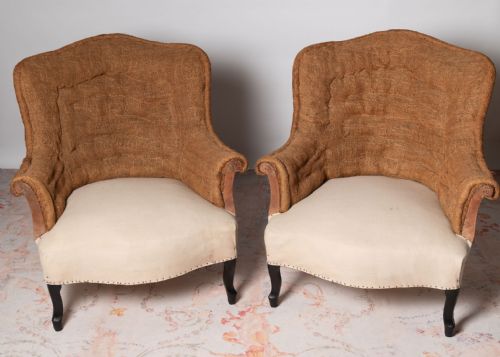
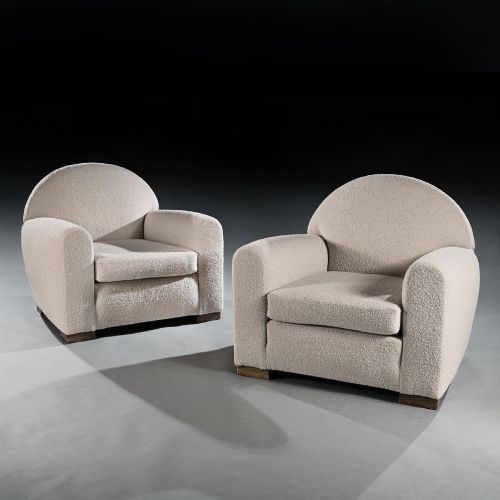
Antique Barrel Back Chair
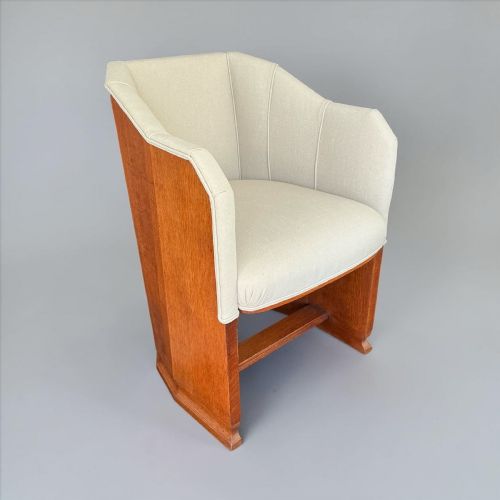
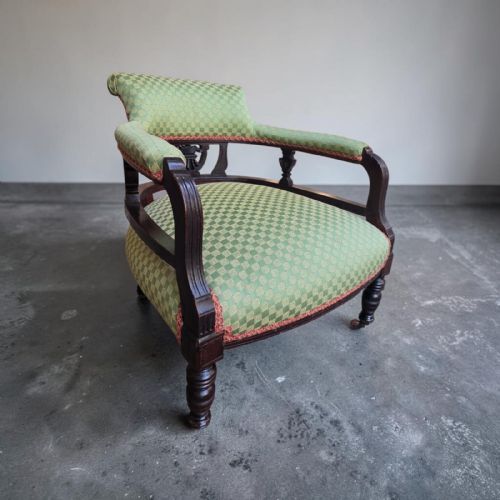
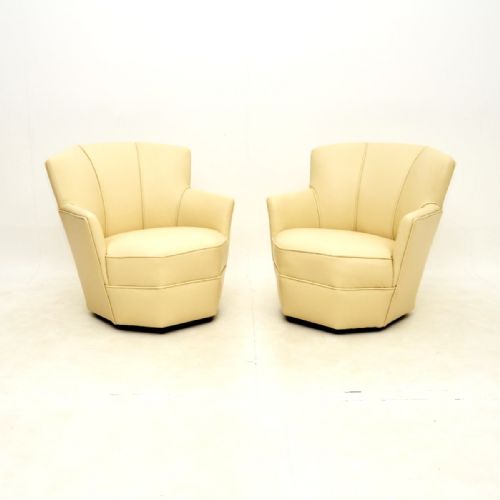
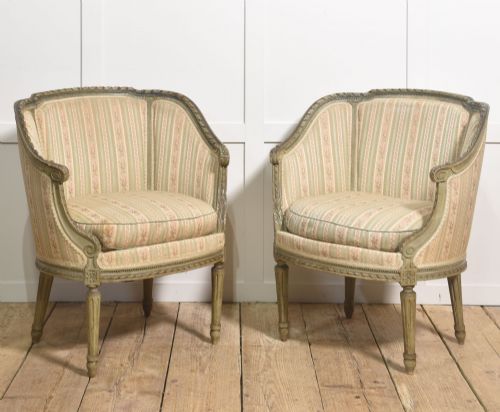
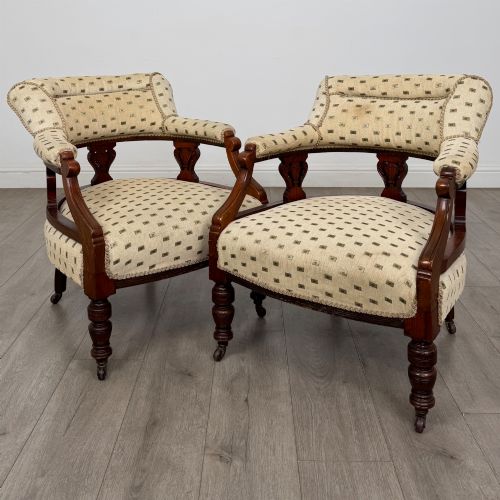
An antique barrel back chair surrounds you in curved wooden or upholstered protection, offering the ultimate draught-excluding comfort for a fireside.
Identifying your antique barrel back chair
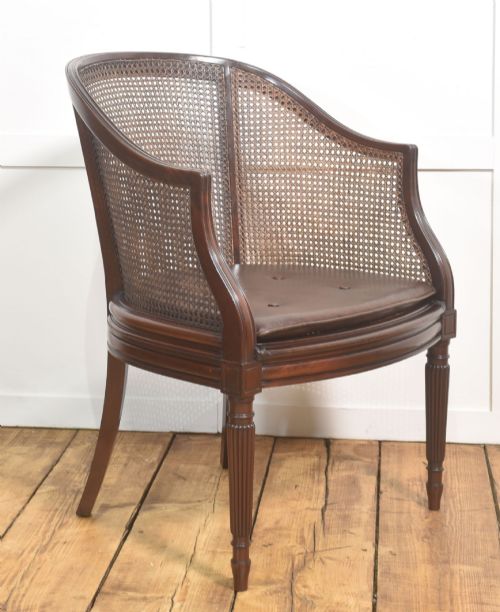
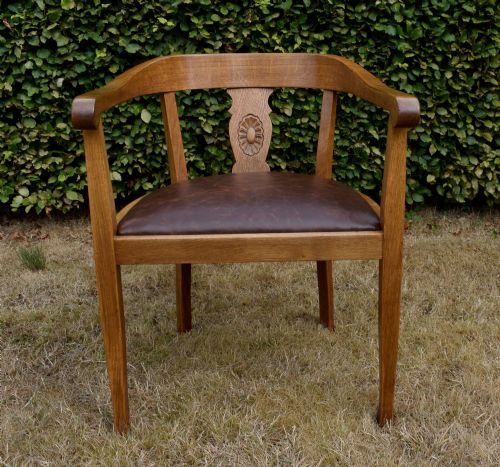
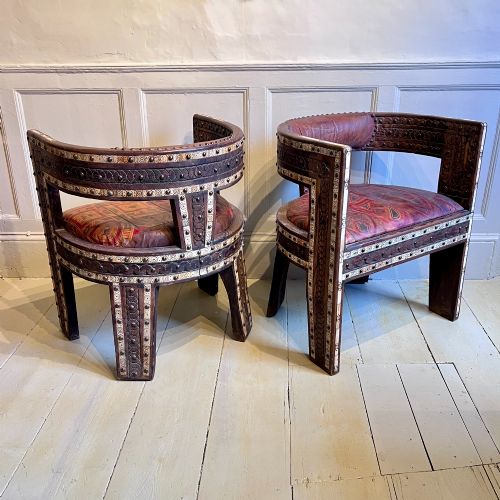
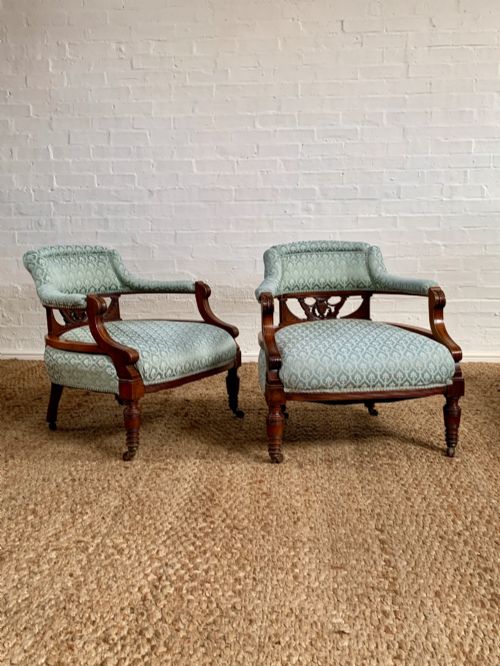
The search phrase antique barrel back chair brings up substantial armchairs defined by a semicircular, curved back that encloses the sitter. These seats appear in Georgian, Victorian, and Edwardian iterations across the inventory.
Most examples found here take the form of generous armchairs or enclosed porters chairs designed to keep out cold draughts. You will encounter straightforward timber frames alongside upholstered versions.
Origins span formal English country houses and town settings, with periods stretching from the eighteenth century into the early twentieth century. The continuous curved rail remains the defining feature across every single piece.
Materials and construction methods
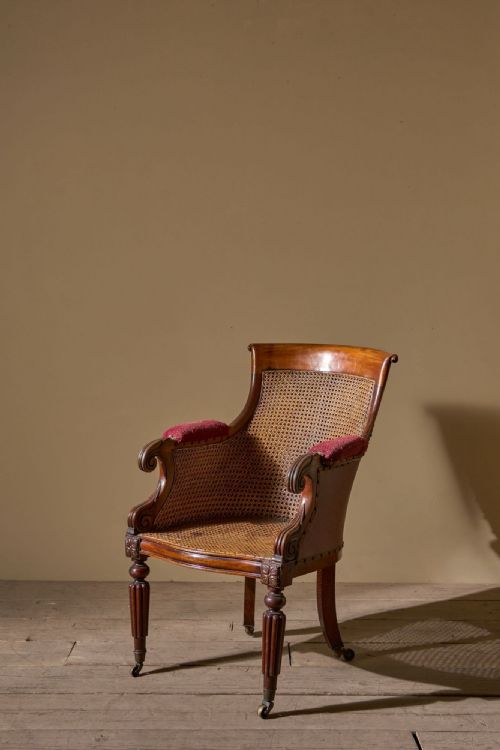
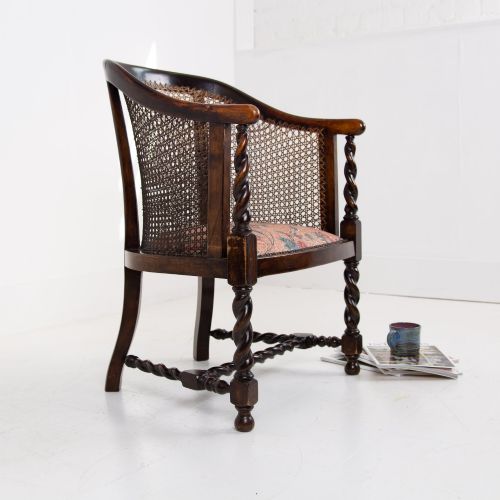
Makers built the structural frames using solid hardwoods like mahogany and timber, often shaping the enclosing back rail from bent or carved segments. Joinery relied on traditional pinned and doweled joints to support the continuous curve under daily weight.
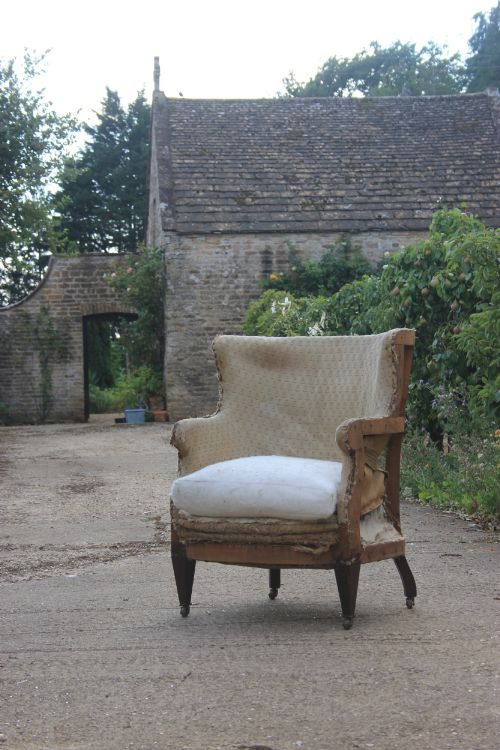
Traditional stuffing materials included horsehair packed beneath heavy fabrics or leather hides. Modern or period reupholstery introduces alternative textiles such as velvet, cane, recycled cotton, and brass detailing.
Some chairs are so thoroughly enclosed they double as private indoor microclimates for serious readers.
Assessing quality in a curved armchair
Quality rests on the integrity of the timber frame and the smoothness of the curved back rail. A superior piece maintains tight joinery without structural looseness in the arms or back.
Upholstery execution separates standard examples from finer ones, visible in the hand-tacking, leather quality, and spring retention. The proportion of the enclosed wings to the seat base dictates visual balance.
The Antique Barrel Back Chair Glossary
- Barrel back
- A chair design featuring a semicircular, solid upholstered or timber back that curves continuously around the sitter. This shape derives from the stave construction of a wooden barrel.
- Porters chair
- A tall, enclosed armchair with a hooded or curved back originally designed to keep draughts away from servants stationed at hall entrances. They frequently utilise leather or heavy fabric.
- Horsehair
- A traditional stuffing material woven from equine tail or mane hair used to create resilient padding. It provides firm, breathable support within the seat and back.
- Cane
- Woven rattan or split plant material forming openwork panels on chair seats or backs. It offers a lightweight, flexible surface for seating.
Frequently Asked Questions
What is a barrel back chair?
A barrel back chair is an armchair featuring a semicircular backrest that curves around the user in one continuous line. This enclosed shape resembles the upper half of a wooden barrel.
Historically, this design guarded sitters against cold draughts in large, stone-floored rooms. The style evolved through the Georgian and Victorian eras into both formal library seats and high-backed porters chairs.
How do I date an antique armchair?
Dating relies on examining the timber species, joinery techniques, and the profile of the legs and arms. Georgian pieces often display mahogany framing, while later Victorian and Edwardian examples show shifts in proportion and padding.
Secondary materials like horsehair stuffing and hand-forged or brass fixings also point towards specific manufacturing decades. Comparing the overall silhouette against known period styles helps narrow the era.
Are these chairs comfortable for daily use?
The deep seats and enclosing sides provide substantial support and a natural, sheltered seating position. Many buyers place them beside fireplaces or in studies for reading.
Comfort levels depend on the condition of the internal webbing and traditional stuffing. Pieces restored with appropriate horsehair and coil springs offer supportive seating.
What is a porters chair?
A porters chair is a specialised variant of the barrel back design featuring a high, hooded or enclosed back. These were originally placed in draughty entrance halls to shelter the doorman.
Today, they function as statement armchairs in large rooms due to their imposing height and curved wings. Most examples recorded here use leather or velvet upholstery to trap warmth.