




Antique Worcester Figurine
When you handle an antique worcester figurine, you hold porcelain shaped with nineteenth-century modelling and delicate painted detail.
Antique Worcester Figurine
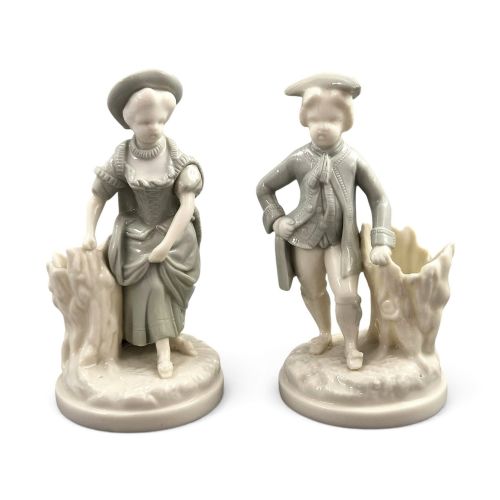
An antique worcester figurine encompasses glazed ceramic figures, candle snuffers, and figural salts originating primarily from the nineteenth century and the early twentieth century.
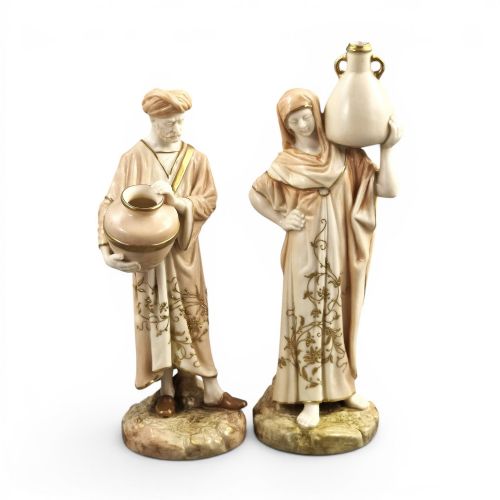
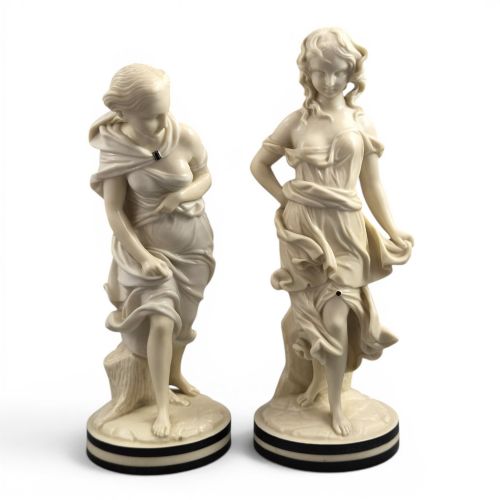
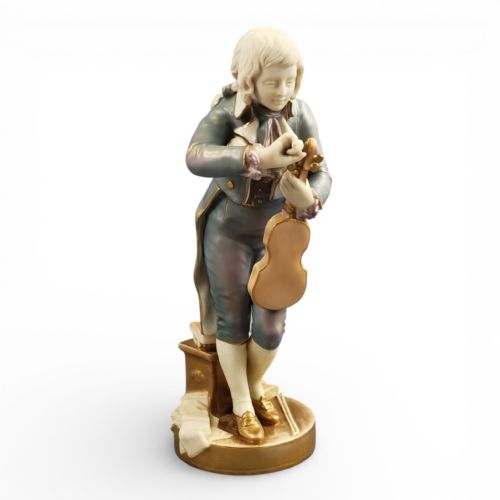
The selections here frequently showcase Victorian classical revivals, orientalist subjects, and Hadley designs featuring romantic or ethnographic figures.
Collectors encounter diverse forms ranging from modest candle snuffers to large sculptural maidens and water carriers.
How they were made
Potters shaped these figures from porcelain and parian ware, applying fine glaze, enamel, and subtle gilding or gold leaf.
Makers utilised specialised techniques including blush ivory decoration and shot enamel to achieve soft, polychrome painted surfaces.
Listings span porcelain, parian ware, and enamel, capturing Victorian revival styles alongside Edwardian figures.
What varies in quality
The refinement of the modelling separates standard factory output from pieces bearing the distinct touch of named modellers.
Painting precision and the delicacy of applied gilding dictate the overall artistic success of each ceramic figure.
Royal Worcester·James Hadley·Chamberlains Worcester
The Antique Worcester Figurine Glossary
- Blush ivory
- A soft cream-coloured porcelain ground developed by Worcester, often tinted with pale pinks and greens before gilding.
- Parian ware
- A fine white unglazed porcelain resembling marble, used extensively for nineteenth-century sculptural figures.
- Shot enamel
- A layered enamelling technique that produces an iridescent sheen shifting between different tones under changing light.
- Candle snuffer
- A small, hollow figural extinguisher designed to put out candle flames, combining practicality with intricate ceramic modelling.
Antique Worcester Figurine: Frequently Asked Questions
What periods do these figures cover?
The pieces span from the Georgian era through the Victorian period and into the Edwardian and Art Deco years. Most examples on offer date from the late nineteenth century.
Production methods shifted across these decades, moving from early parian pieces toward blush ivory finishes and enamelled figural designs.
How were candle snuffers used?
Victorian households used these small ceramic figures to extinguish candle flames safely without smoking the room. Their hollow interiors dropped directly over the wick.
Beyond simple utility, they served as decorative mantel ornaments and miniature sculptures reflecting popular literary and theatrical characters.
Who was James Hadley?
James Hadley was a prominent designer and modeller working for the Worcester factory during the nineteenth century. His studio produced distinct sculptural forms, orientalist figures, and naturalistic studies.
Pieces bearing his influence or signature remain particularly sought after by collectors for their expressive modelling and artistic ambition.
What is blush ivory?
Blush ivory is a matte cream ceramic finish introduced by Worcester that mimics the warm tone of unbleached ivory. Artisans painted delicate floral and figural motifs directly onto this porous surface.
This technique defined much of the factory's output during the late Victorian and Edwardian periods.