
Antique Worcester Ceramics
Antique worcester ceramics encompass centuries of delicate porcelain tableware and decorative pieces, prized for their fine painting and historical forms.
Antique Worcester Ceramics
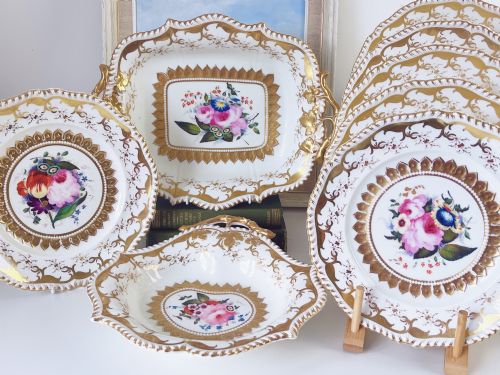
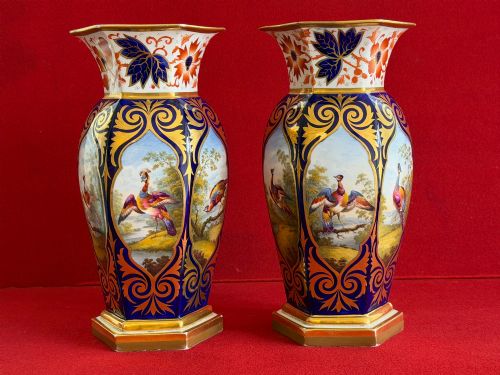
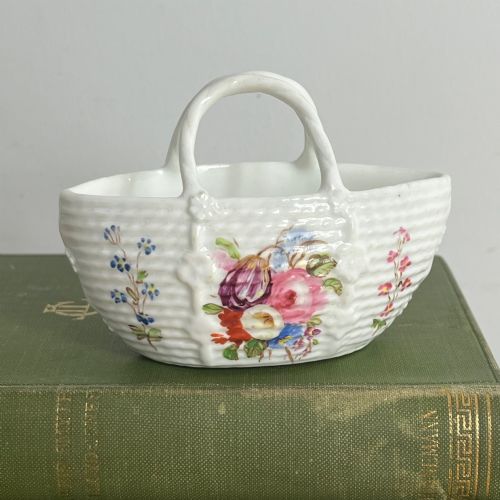
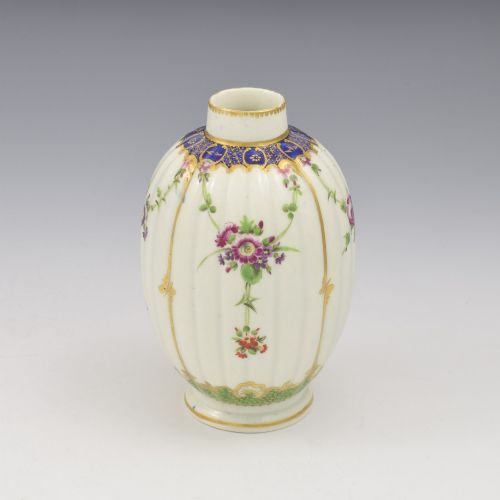
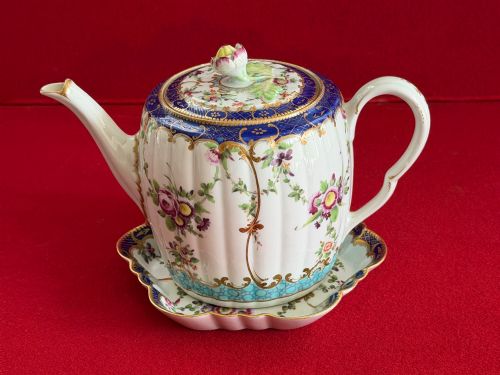
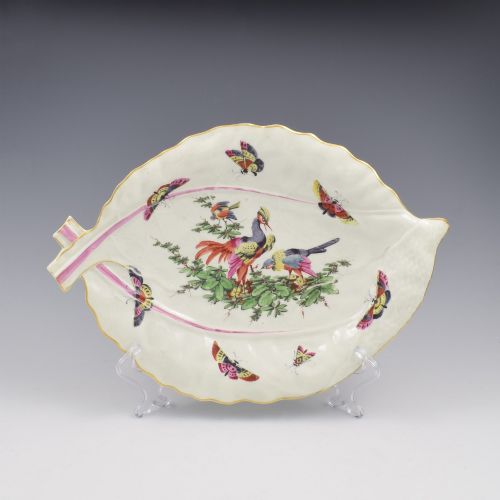
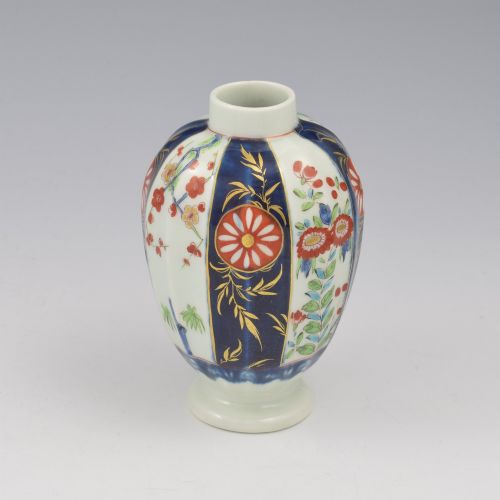
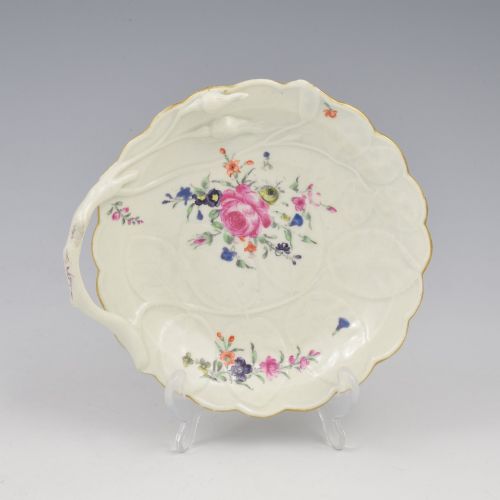
Antique worcester ceramics comprise a wide array of functional and decorative vessels, including teapots, cabinet plates, vases, and baskets originating from the renowned Worcestershire manufactory.
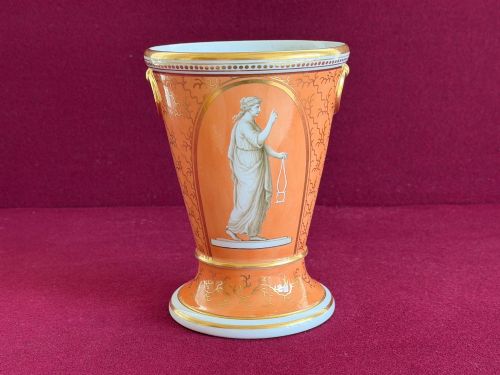
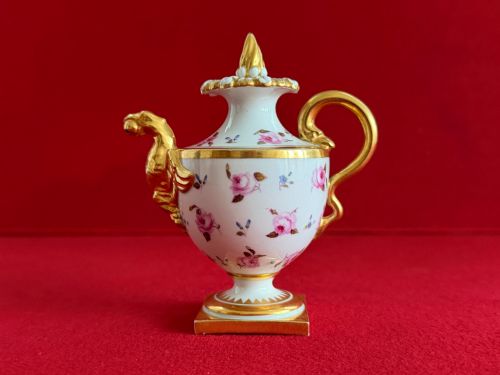
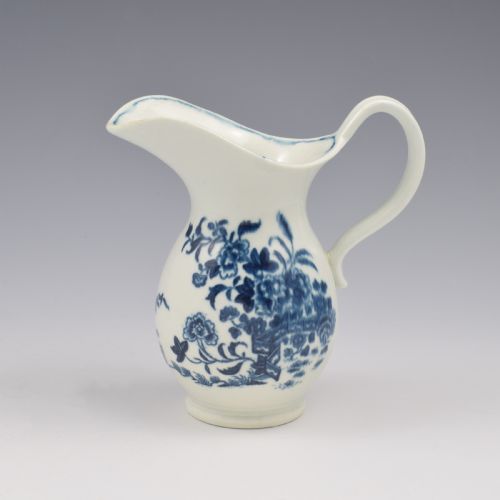
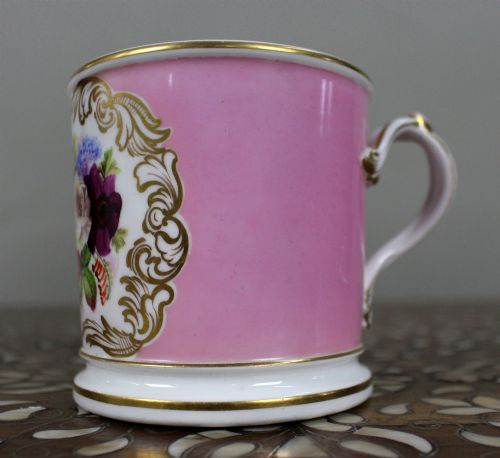
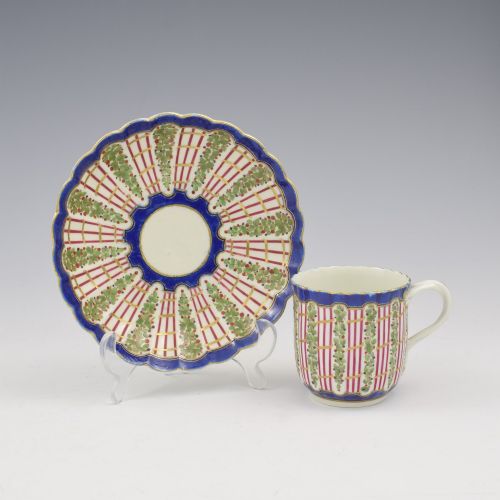
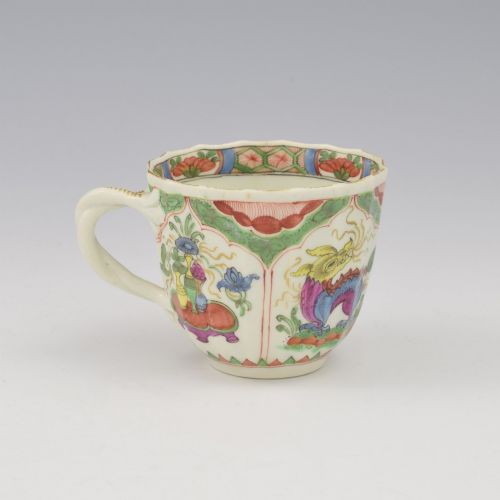
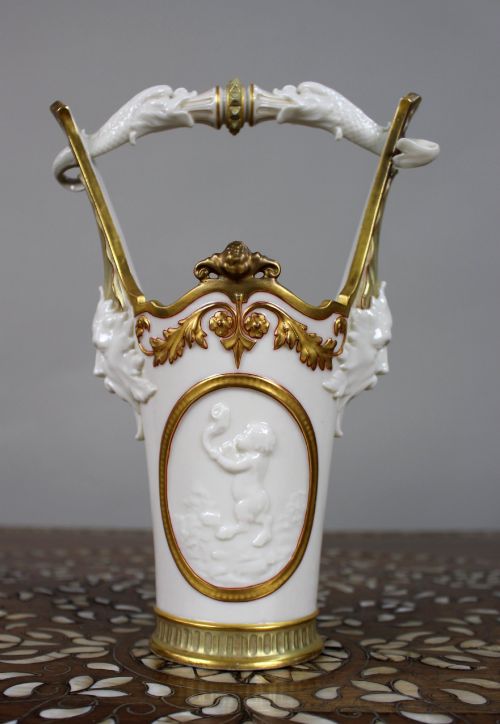
The pieces on this page span several distinct eras, ranging from eighteenth-century Dr Wall or First Period items to Regency wares by Flight, Barr & Barr and later Victorian and Edwardian productions.
Forms vary from utilitarian coffee cups and milk jugs to elaborate exhibition pieces, jardinières, and figural salts intended for display.
How They Were Made
Potters utilised both soft-paste porcelain and standard porcelain bodies, shaping them into tableware, vases, and dishes.
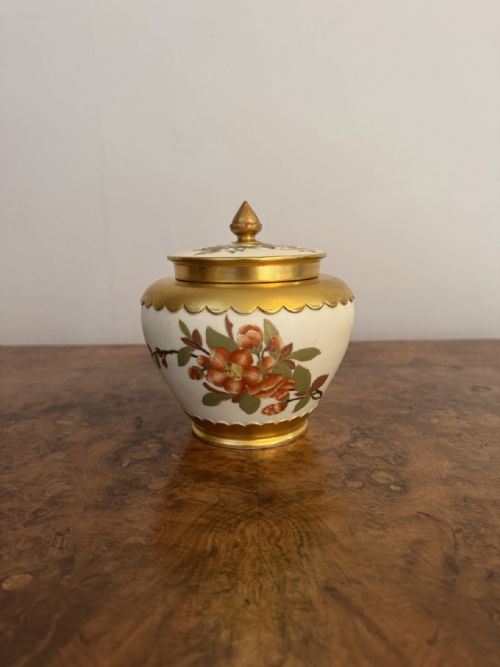
Decoration relied on handpainted floral and figural motifs, complemented by enamel pigments, gold leaf, and rich gilding over a smooth glaze.
Materials recorded across the inventory include soft-paste porcelain, enamel, gold leaf, and decorative glaze.
What Varies in Quality
The standard of antique worcester ceramics depends heavily on the precision of the handpainted details and the complexity of the pattern, such as intricate bird or floral arrangements.
Quality also rests on the preservation of the original enamel colours and gold leaf gilding, alongside the fineness of the porcelain body and form.
Flight Barr And Barr·Chamberlains Worcester·Grainger Lee And Co·Royal Worcester·Locke And Co
The Antique Worcester Ceramics Glossary
- Soft-paste porcelain
- A glassy ceramic material fired at lower temperatures than hard-paste porcelain, common in eighteenth-century English manufacture.
- Gilding
- The application of gold leaf or powdered gold to ceramic surfaces for decorative accent. It defines many Regency and Victorian luxury pieces.
- Enamel
- Opaque glass-like paint applied over the glaze to introduce vibrant polychrome decoration to the porcelain body.
- First Period
- The earliest era of Worcester porcelain production, frequently associated with Dr Wall and highly valued by collectors.
- Cabinet plate
- A decorative ceramic plate intended for display in a cabinet rather than for daily dining use.
Antique Worcester Ceramics: Frequently Asked Questions
What periods do these ceramics cover?
The pieces span from the eighteenth century through the Regency, Victorian, and Edwardian eras up to the early twentieth century.
Collector terminology often divides them into distinct periods such as the First Period or later factory iterations.
How were these ceramic items used?
Many objects served practical daily functions, including teapots, coffee cups, milk jugs, and dessert services for dining.
Other items like cabinet plates, vases, and decorative baskets were designed primarily for ornamental display in domestic interiors.
How do I care for antique porcelain?
These delicate soft-paste and porcelain pieces require gentle handling and hand washing with mild soap when necessary.
Avoid abrasive sponges or harsh chemicals that can damage the delicate handpainted enamel and gold leaf gilding.
How do I identify a First Period piece?
First Period pieces, often associated with Dr Wall, typically feature characteristic soft-paste bodies and specific early underglaze blue or polychrome patterns.
Examining the paste, form, and style of painting helps distinguish these eighteenth-century works from later nineteenth-century revivals.