



Antique Wool Torba Face
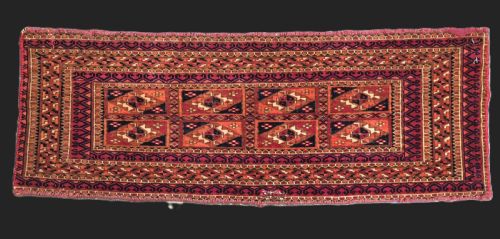
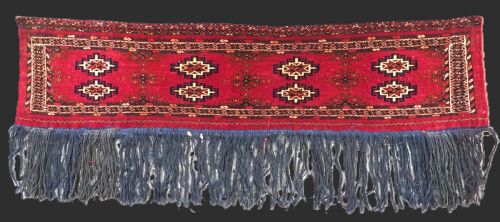
An antique wool torba face is a tribal Central Asian storage bag front woven by Turkmen groups, sought after for its intricate guls and rich geometry.
Antique Wool Torba Face
An antique wool torba face represents the front panel of a traditional Turkmen or Central Asian tribal storage bag. Buyers exploring this category encounter woven fragments and complete bag faces originating from nomadic and settled tribal groups across the region.
The selections on this page span the nineteenth and early twentieth centuries, featuring distinct tribal attributions such as Tekke, Yomut, Saryk, and Ersari. These textile panels served practical functions within nomadic dwellings before being preserved as decorative wall hangings or collector items.
Most examples display characteristic medallion motifs known as guls, alongside banded flatweaves and ivory ground variations. Pieces range from small storage bag fronts to fragments with fine knotting and distinct regional layouts.
How They Were Made
Weavers constructed these pieces using hand-spun wool, cotton foundations, and natural dyes to achieve deep colour saturation. Certain examples incorporate silk highlights to accentuate specific motifs within the design field.
The production involves pile knotting alongside flatweave techniques, yielding dense structures designed for durability. Artisans utilised natural dyestuffs, producing varied palettes across different tribal workshops and periods.
Many pieces began their lives holding pillows inside a nomadic tent before ending up on modern walls.
What Varies in Quality
The finesse of the weave dictates much of the distinction between examples, with tightly packed knots creating sharper drawing and more defined tribal motifs. Pieces possessing exceptionally fine weaves demonstrate superior technical control by the weaver.
The clarity and depth of the natural dye palette contribute significantly to the visual impact of each face. Superior drawing in the guls and balanced proportions across the field elevate certain examples above standard utility pieces.
Tekke Turkmen·Yomut Tribes·Saryk Turkmen·Ersari Turkmen·Lakai Uzbeks
The Antique Wool Torba Face Glossary
- Torba
- A small Turkmen storage bag used traditionally inside a tent for household goods. Surviving faces often display elaborate primary guls.
- Gul
- A primary medallion motif repeated across Turkmen carpets and bag faces. Each tribal group typically utilised distinct gul designs for identification.
- Mafrash
- A rectangular storage sack or bedding bag produced by tribal groups. Faces from these bags frequently appear independently in collections.
- Flatweave
- A textile constructed without pile by interlocking warp and weft threads. Yomut and other tribes employed this technique for banded designs.
- Knot
- The individual loop of wool tied around warp threads to form the pile. Higher knot density generally correlates with finer technical execution.
Antique Wool Torba Face: Frequently Asked Questions
What is an antique wool torba face?
An antique wool torba face is the decorative front panel of a traditional Turkmen nomadic storage bag. These woven textiles display tribal motifs and were originally utilised within Central Asian tents.
Over time, collectors removed and preserved these fronts as decorative wall hangings. They showcase regional weaving traditions from the nineteenth and early twentieth centuries.
How were these bag faces used?
Nomadic families used torbas inside their dwellings to store small household belongings, bedding, or personal possessions. They hung against tent walls or served practical organisational purposes.
Because the backs sustained heavy wear, many surviving pieces exist solely as front panels or fragments. Their primary function shifted from utility to decorative display.
How do you identify different tribal designs?
Tribal attributions rely on the specific gul medallions, colour palettes, and border structures woven into the textile. Tekke, Yomut, Saryk, and Ersari groups each maintained distinct design vocabularies.
Examining the secondary colours and flatweave structures helps determine the likely origin of an individual piece. Certain motifs appear exclusively within particular tribal regions.
What materials are found in these pieces?
These textiles consist primarily of hand-spun wool pile on wool or cotton foundations. Natural dyes provide the traditional colour palette seen across nineteenth-century examples.
Some bag faces incorporate silk highlights to emphasise specific details within the central design. Flatweave sections utilise wool and cotton yarns in banded arrangements.