




Dark Red Oriental Rug
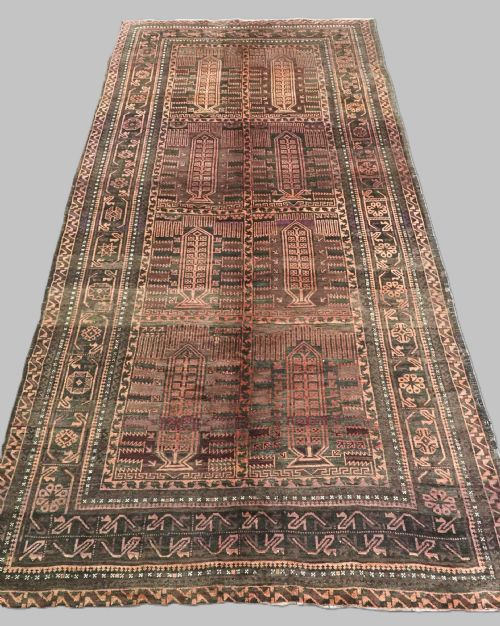
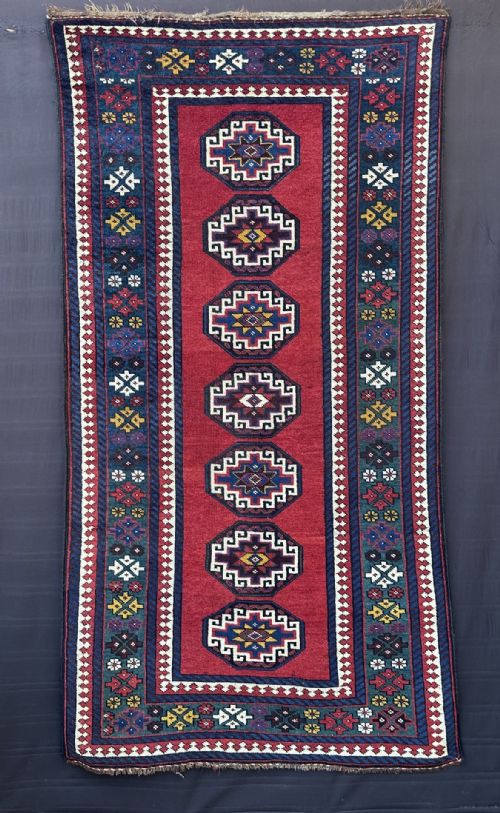
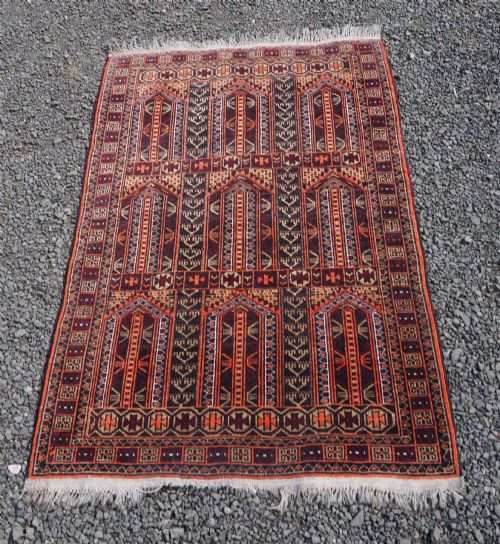
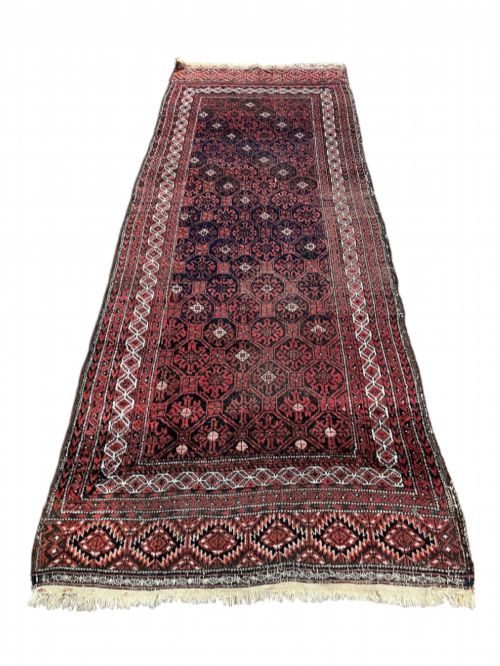
When you search for a dark red oriental rug, you are looking at handwoven tribal textiles from nineteenth and early twentieth century Persia, Afghanistan, and the Caucasus.
Dark Red Oriental Rug
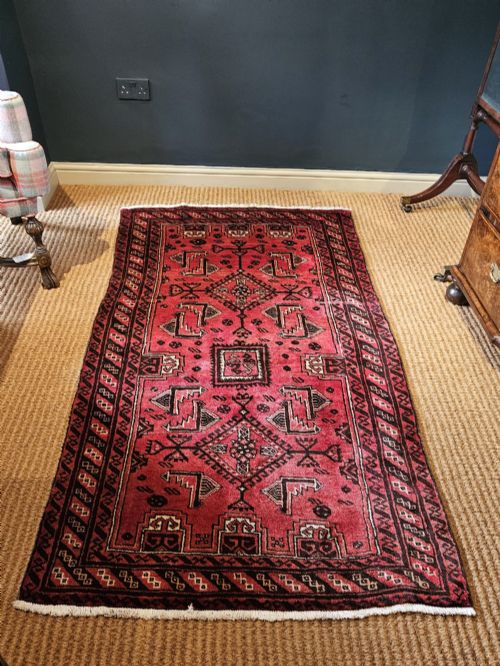
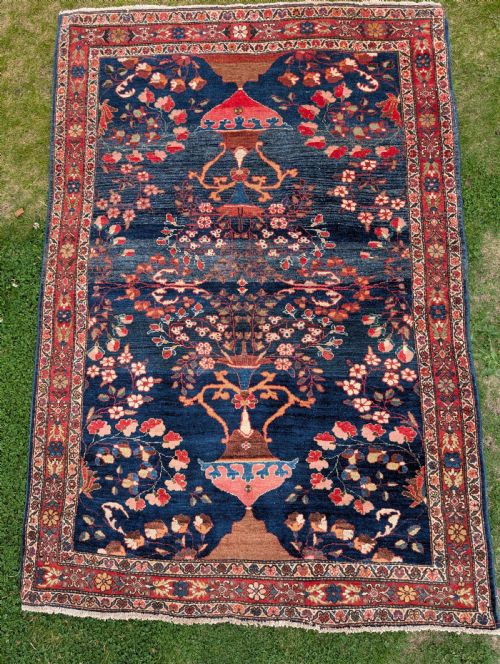
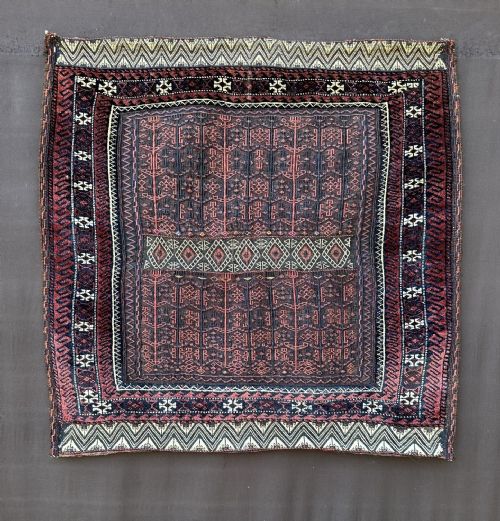
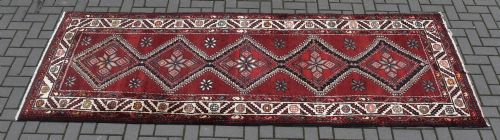
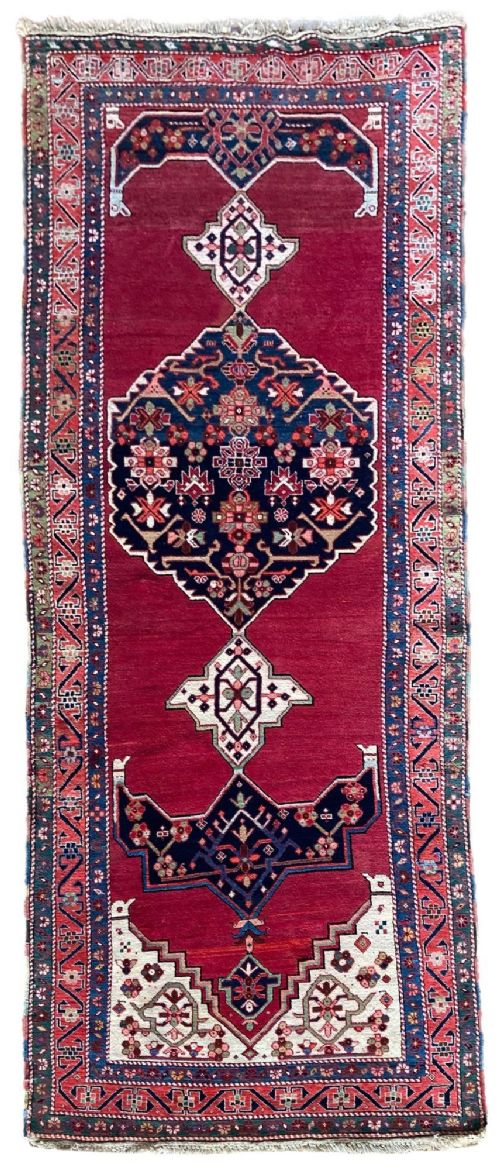
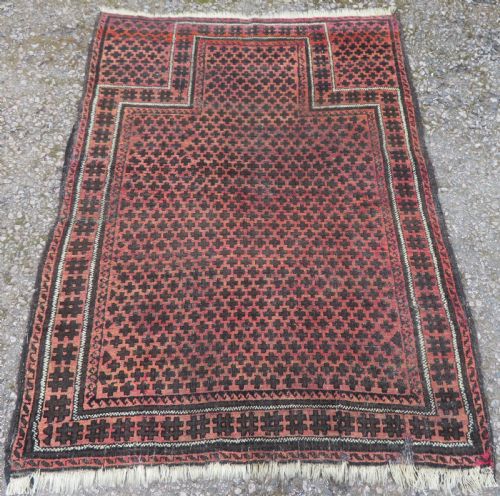
A dark red oriental rug is a woven floor covering or textile originating from tribal and regional weaving traditions across Western and Central Asia. These pieces include prayer rugs, runners, cushions, and larger carpets made by groups such as the Baluch, Yomut, Timuri, and Qashqai.
The selections on this page span from the late nineteenth century into the 1930s, capturing a period when domestic weaving still relied on traditional regional patterns. You will encounter formats ranging from narrow runners and square prayer rugs to utilitarian bread sofrehs and vanity bags.
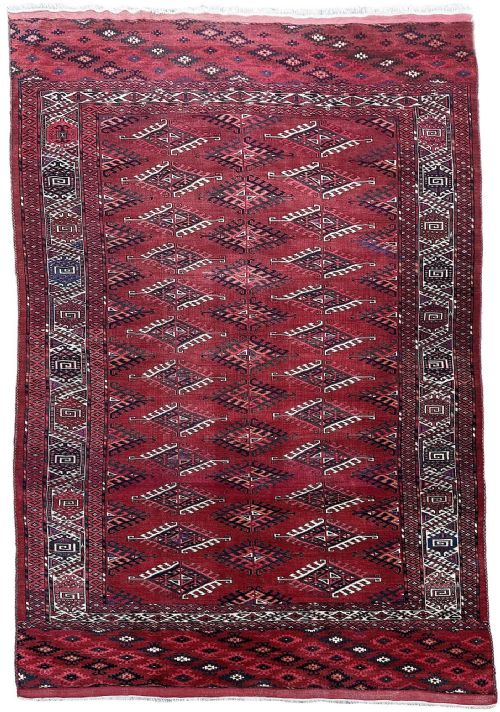
Tribal pieces often display geometric medallions, animal motifs, and repeated field patterns tied to specific geographic borderlands. Their visual identity relies heavily on deep madder-derived reds, madder being the foundational dye of the region.
How they were made
Weavers constructed these textiles using wool, hand-spun wool, and occasionally cotton or goat hair for foundations and pile. Natural dyes provided the characteristic rich palette, yielding deep madder reds alongside contrasting indigo and earth tones.
The technique involved knotting or weaving yarn onto warp and weft threads assembled on traditional horizontal or vertical looms. Nomad and village weavers worked from memory and tribal custom, passing specific patterns down through generations.
Listings span production dates from the 1870s through the 1930s, predominantly utilising wool, cotton, and natural dyes.
What varies in quality
Quality in these textiles rests upon the fineness of the knotting, the integrity of the materials, and the stability of the foundation. Tighter, more precise knot counts generally signal a higher level of workshop or weaver dedication.
The vibrancy and depth of the natural dyes also dictate distinction, as well-balanced palettes retain their character better over decades of use. The preservation of original side cordings and end finishes marks the distinction between a heavily altered textile and a well-kept example.
The Dark Red Oriental Rug Glossary
- Sofreh
- A flatwoven textile used primarily for food preparation, serving, or storing bread within nomadic households. These functional pieces often feature striking tribal iconography.
- Mihrab
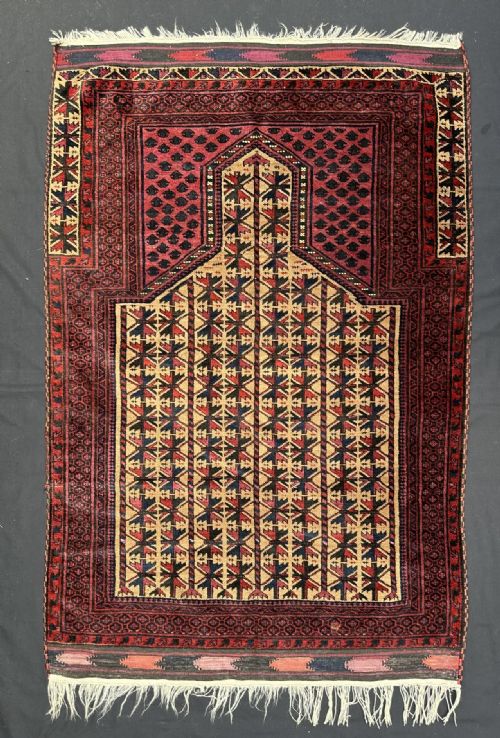
- An arched niche design found predominantly on prayer rugs, oriented toward Mecca during Islamic worship. It forms the central architectural motif of the rug field.
- Torba
- A small storage bag or hanging face produced by Turkmen tribes, traditionally used inside a yurt. They display characteristic gul motifs arranged in horizontal rows.
- Gul
- A medallion or floral octagonal stamp repeated across Turkmen and Baluch carpets. Each tribal confederacy utilised distinct gul variations to denote identity.
- Madder
- A natural red vegetable dye extracted from the roots of the Rubia plant, forming the primary colour base for these oriental rugs. Its chemical composition allows it to age with a characteristic mellow warmth.
Dark Red Oriental Rug: Frequently Asked Questions
How do I identify a tribal rug?
Tribal rugs typically display geometric motifs, asymmetric designs, and dense wool construction woven by nomadic or village groups rather than urban manufactories.
Look for distinctive colour palettes dominated by deep reds and blues, alongside local symbols that reflect the weaver's specific heritage.
Where were these rugs made?
These textiles originate from regions spanning Persia, Afghanistan, and the Caucasus, encompassing borderlands worked by groups such as the Baluch, Yomut, and Kurds.
Each geographic area developed its own distinct weaving structures, material combinations, and repertoire of motifs.
How should I care for an antique rug?
Protect antique wool textiles by keeping them out of direct sunlight and using a breathable, high-quality underlay to prevent sliding and friction.
Vacuum gently with a suction-only attachment, avoiding rotating brush bars that can pull at hand-spun pile fibres.
What is a prayer rug?
A prayer rug is a smaller format textile featuring a distinct arched mihrab niche designed to be laid out for daily devotions.
These pieces were woven with portability in mind, allowing nomadic individuals to carry them easily across regions.