

Antique Wooden Window Seat
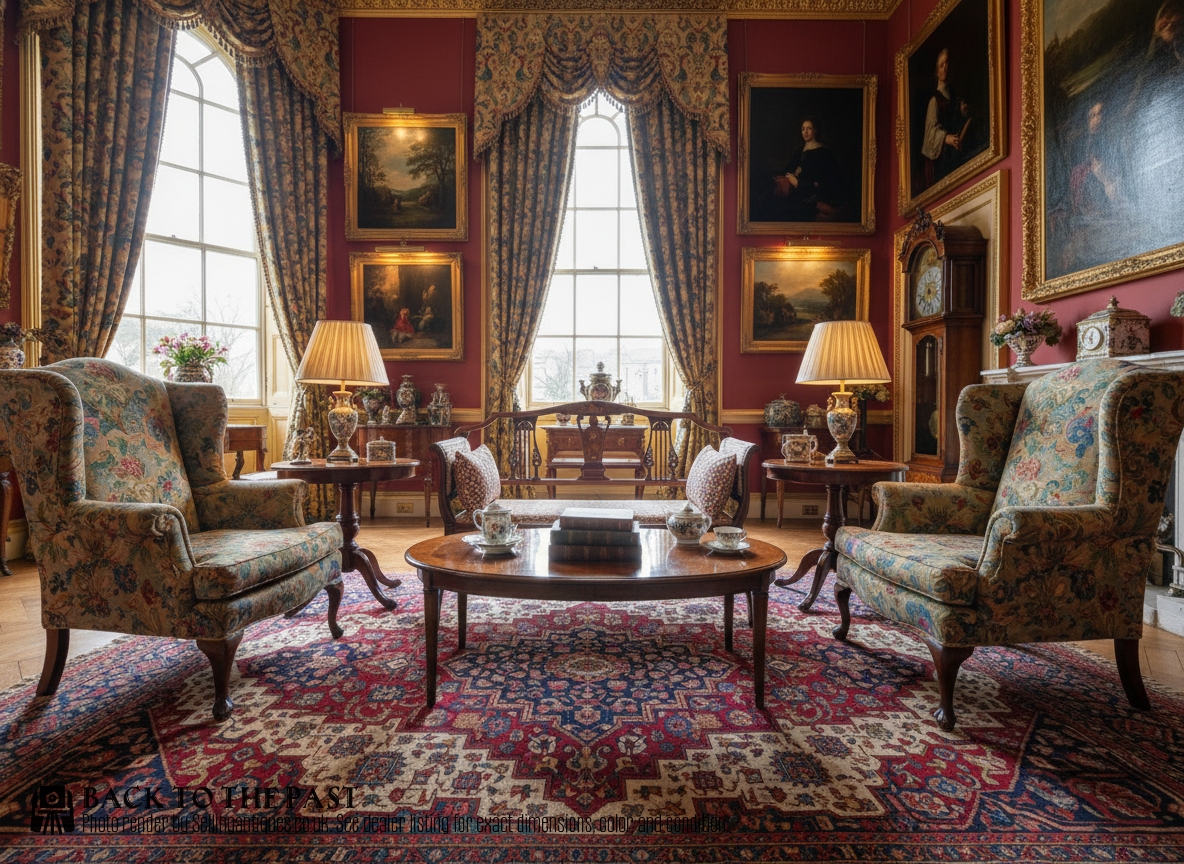
An antique wooden window seat brings practical low seating and architectural proportion to a room, fitting easily into alcoves and hallways.
Antique Wooden Window Seat
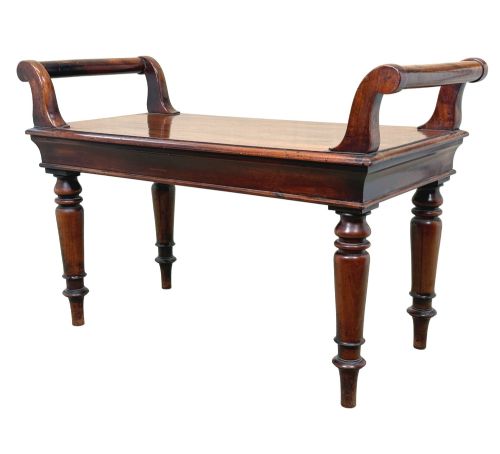
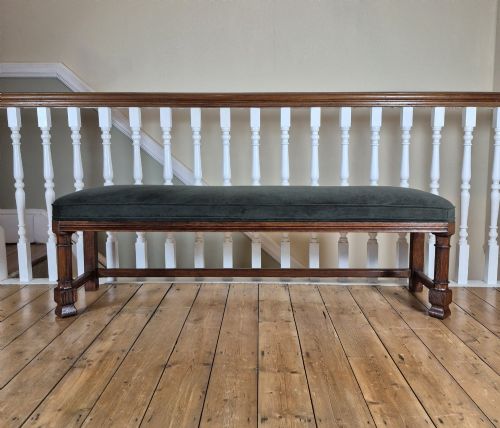
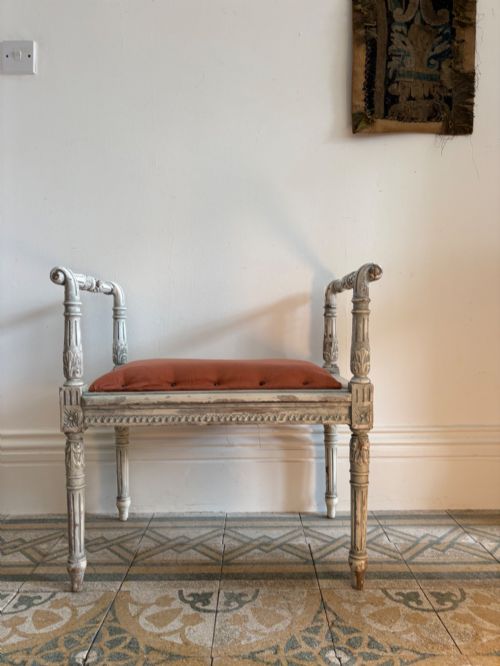
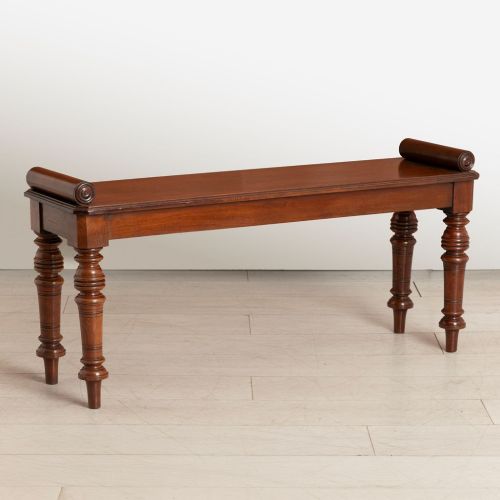
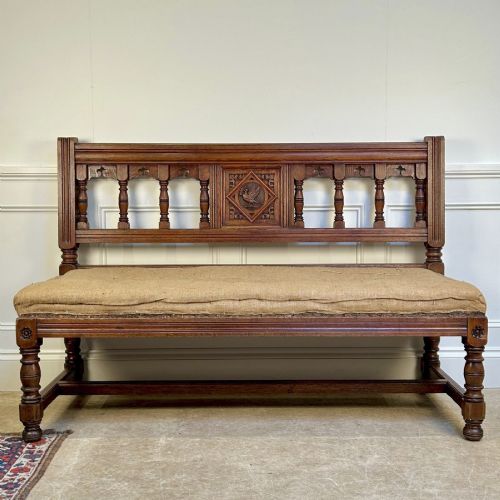
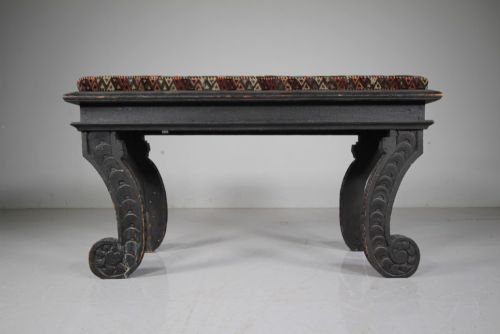
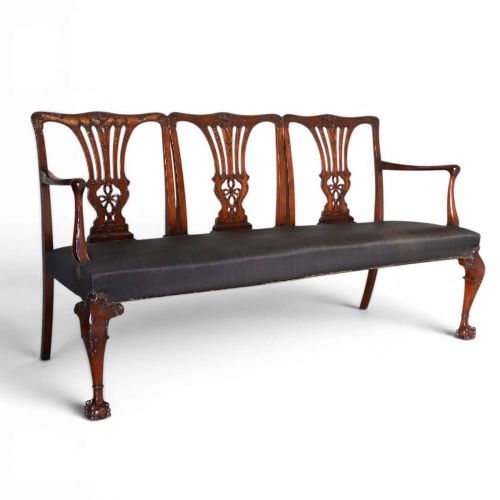
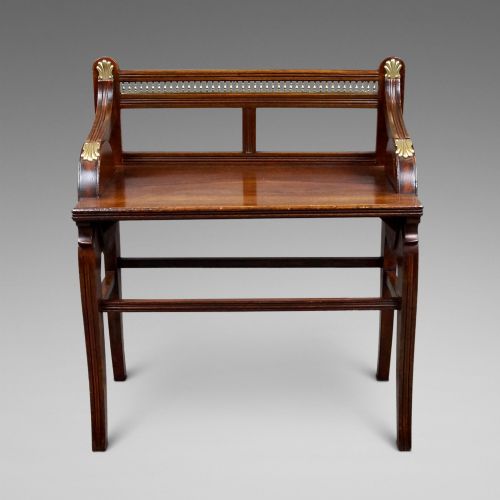
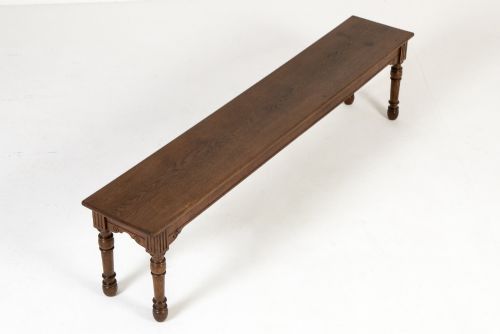
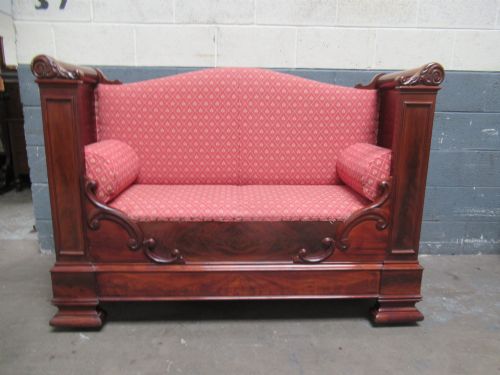
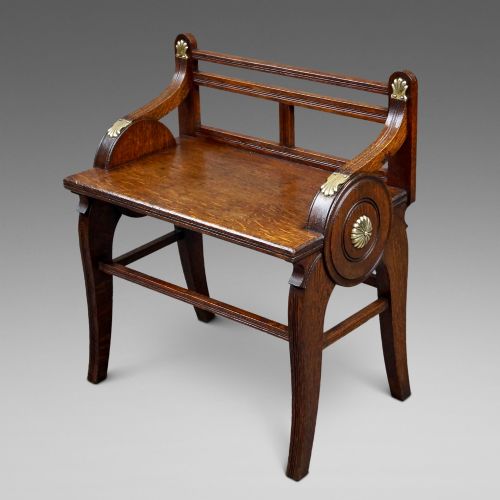
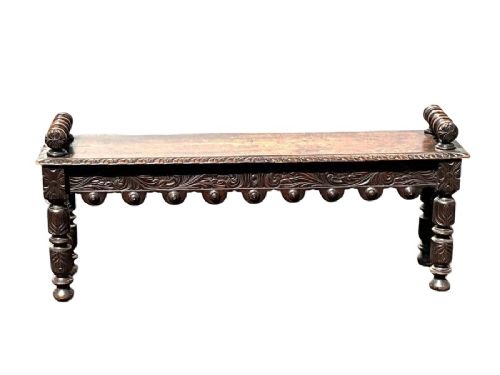
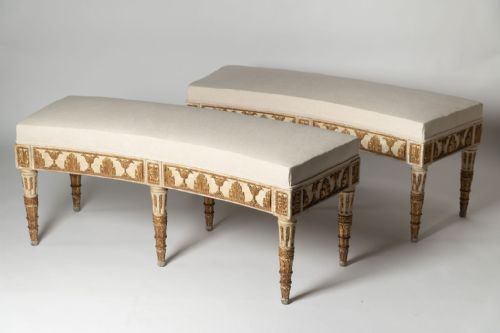
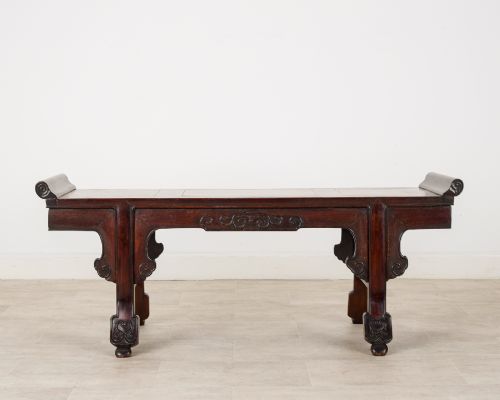
An antique wooden window seat combines the proportions of a long stool, bench or small settee, designed specifically to sit low beneath a sill or within a bay. The pieces seen here emerge predominantly from the nineteenth century, spanning Regency, Victorian and Edwardian periods, alongside earlier Georgian and later transitional examples.
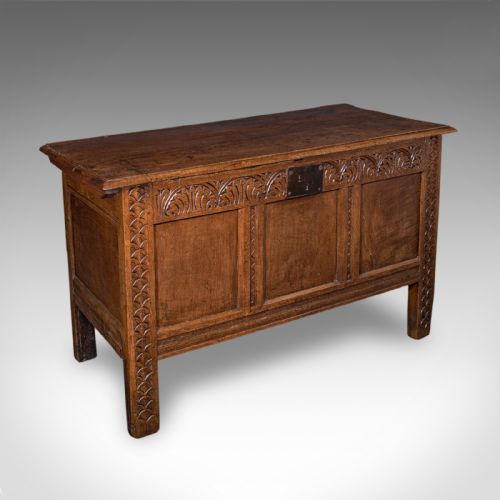
Makers and workshops constructed these forms in oak, mahogany, walnut and painted pine, often pairing the timber frame with upholstery, cane or textile seats. They serve equally as hall benches, boot stores and bedroom furniture, reflecting the diverse domestic needs of their original periods.
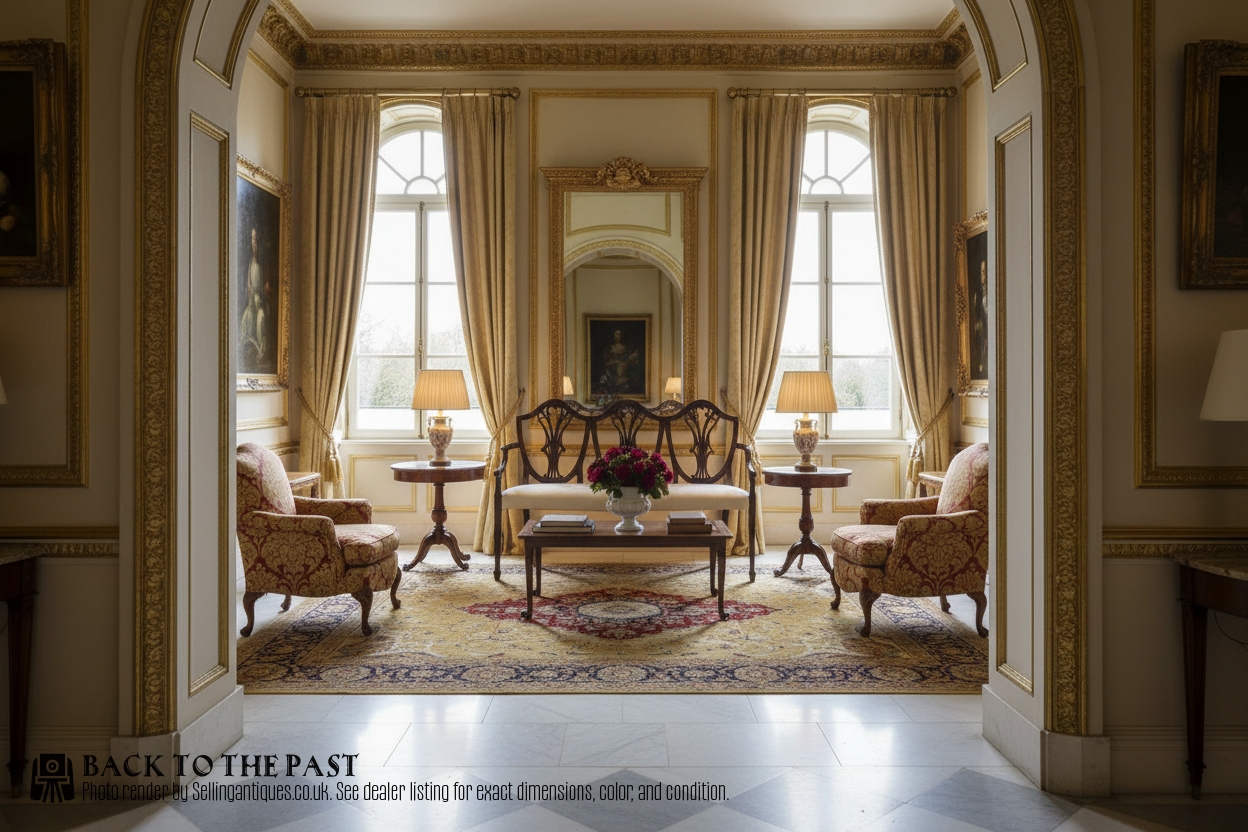
How They Were Made
Cabinet makers utilised durable hardwoods such as oak, mahogany and walnut for structural integrity, often employing carved decoration in Gothic, Jacobean or classical revival styles. Joinery methods relied on sturdy mortise and tenon joints to bear the weight of daily seating.
Surface finishes range from polished mahogany and ebonised wood to painted pine and satinwood, occasionally accented with brass mounts or cane work. Upholstery techniques incorporated silk, linen, kilim and various textiles over sprung or stuffed foundations.
Antique Wooden Window Seat Retail Price Guide 2026
Typical asking prices for wooden window seat among the pieces listed under this phrase on Sellingantiques today, from the lower quarter to the upper quarter. They describe what is for sale here now, not the wider market.
The listings feature oak, mahogany, walnut, painted wood and cane across nineteenth and early twentieth century periods.
What Varies in Quality
The refinement of the timber carving and the architectural integrity of the frame separate standard joinery from exceptional cabinet work. Pieces bearing attribution to known makers or possessing crisp, hand-carved detailing command greater interest among collectors.
The condition and authenticity of the secondary materials, such as original brass hardware, cane panels and period textile upholstery, influence the overall integrity of the piece. Proportional balance and the harmony between the wooden structure and its designated seat style define the upper tier of examples.
GIllows·James Shoolbred & Co.
The Antique Wooden Window Seat Glossary
- Window seat
- A long, low bench or stool constructed to fit beneath a window or inside a bay. These forms double as hallway seating or narrow settees.
- Hall bench
- A sturdy wooden seat designed for an entrance hall, frequently incorporating storage or high panelled backs. They share similar proportions with traditional window seats.
- Gothic Revival
- A nineteenth century design style drawing inspiration from medieval architecture. Pieces in this manner display pointed arches, heavy oak construction and religious motifs.
- Canework
- Woven rattan or cane material used for seat panels and backs. This technique provides lightweight ventilation and visual texture on wooden frames.
Antique Wooden Window Seat: Frequently Asked Questions
Where should I place an antique window seat?
These pieces fit naturally beneath low windows, inside bay alcoves or along narrow hallways as practical seating.
Their compact depth allows them to occupy circulation spaces without blocking pathways or obstructing light.
How do I identify a Regency window seat?
Regency examples typically display classical architectural lines, heavy mahogany timbers and distinctive X-frame supports.
They reflect early nineteenth century tastes inspired by Greek and Roman antiquities.
Can I use a hall bench as a window seat?
Hall benches and window seats share similar low, elongated proportions that make them interchangeable in many domestic settings.
Both forms offer sturdy wooden construction and generous surface seating.
What woods were commonly used for these seats?
Cabinet makers relied primarily on durable timbers such as oak, mahogany and walnut for structural stability.
Some lighter examples utilise painted pine, satinwood or exotic hardwoods.