




Antique Wooden Screen
An antique wooden screen shapes a room or subdues a hearth, spanning multi-fold dividers and needlework panels.
Antique Wooden Screen
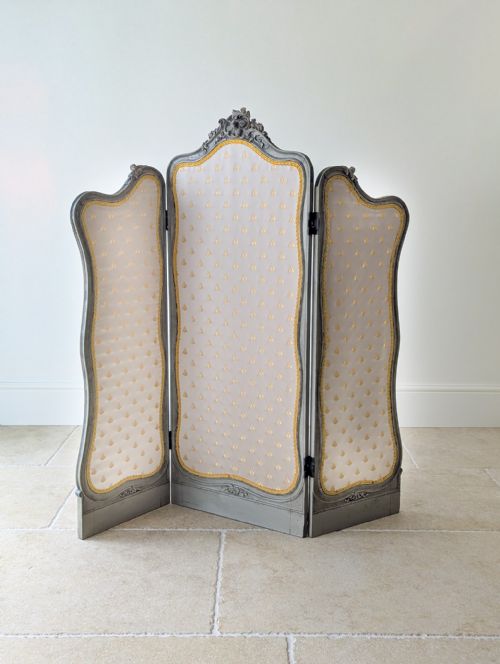
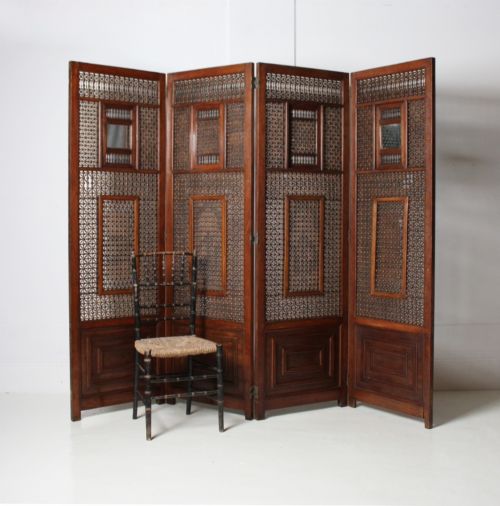
An antique wooden screen takes many forms across domestic spaces, appearing most often as folding room dividers, low fire screens, and modesty panels. These pieces divide open floors, shield sitting areas from drafts, or frame specific corners of a room.
The selections span distinct periods, drawing heavily on Victorian and Edwardian craftsmanship alongside Georgian forms and 20th-century examples. Alongside traditional folding configurations, buyers encounter pole screens and static room partitions designed for specific domestic functions.
How they were made
Maker workshops utilised substantial timber foundations such as mahogany, walnut, oak, and hardwood, often shaping frames to house decorative inserts. Brass hinges, glass panes, and carved wooden joints held multi-panel folding structures together.
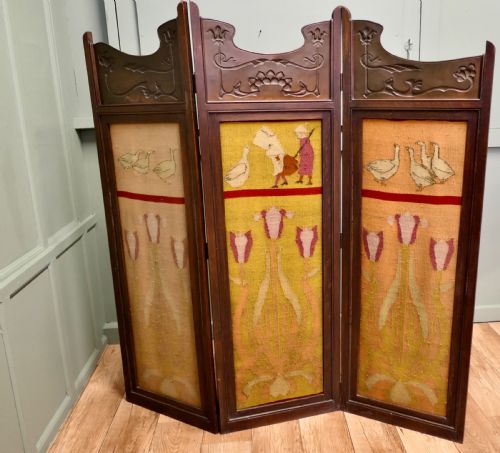
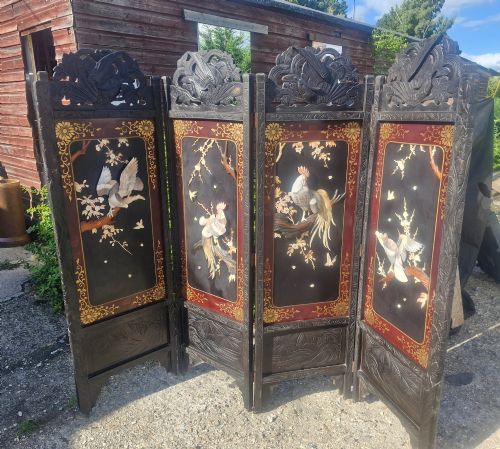
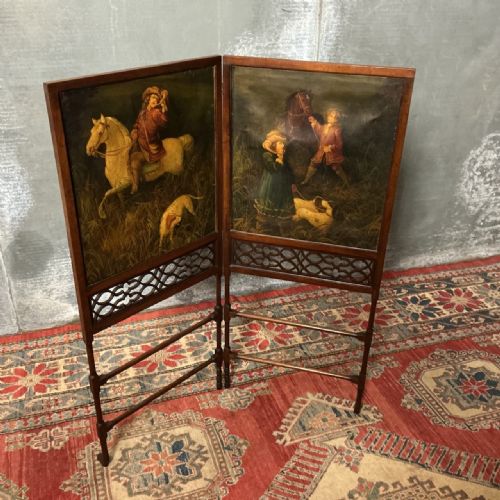
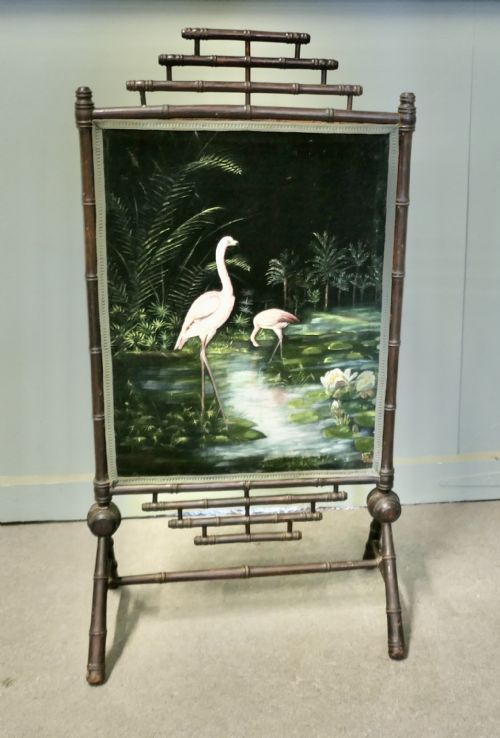
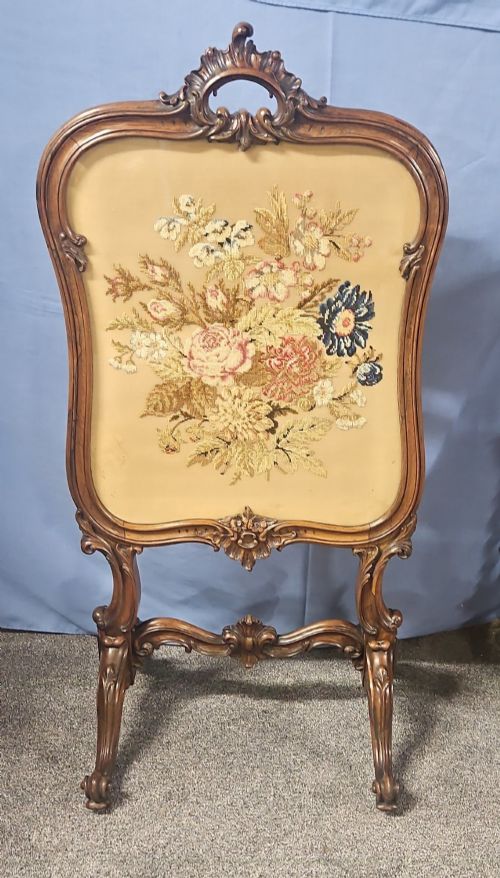
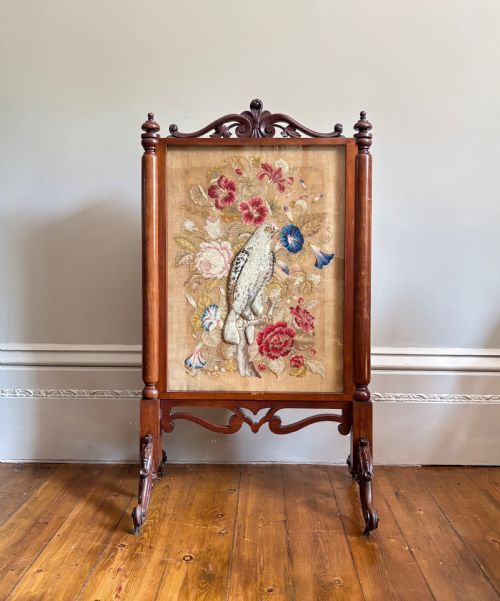
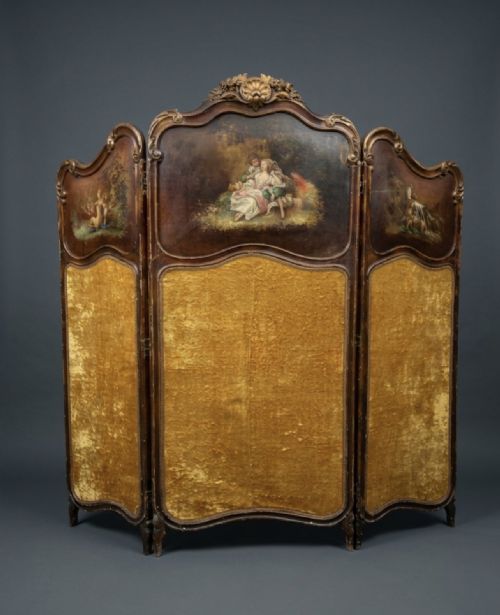
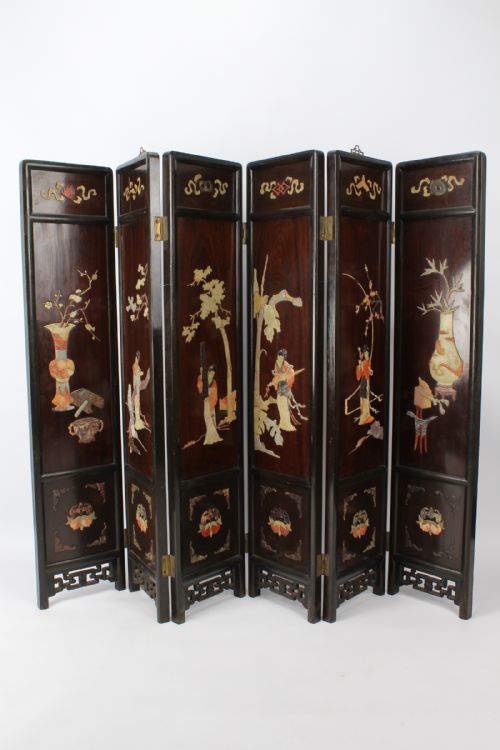
Surface decoration required specialised techniques, from hand-carved bone figures and deep relief wood carving to lacquered finishes and painted pastoral scenes. Fabric elements incorporated woolwork, needlepoint, tapestry, and embroidery panels secured within the wooden frameworks.
One unexpected offering includes French cleft hazel prune drying racks repurposed alongside traditional privacy partitions.
What varies in quality
Construction standards separate standard utility items from finer pieces, visible in the depth of wood carving, the snugness of frame joints, and the stability of multi-fold hinges. Superior examples display crisp joinery and substantial timber weights that support heavy panels without sagging.
Decorative detail dictates the upper tier of the range, seen in intricate hand-painted motifs, finely stitched needlepoint or Berlin work, and detailed coromandel lacquer. The integration of specialised materials like brass fittings and carved bone elevates the overall execution.
The Antique Wooden Screen Glossary
- Fire screen
- A low freestanding panel placed before a hearth to block radiant heat when a fire is not burning. These often feature needlework or painted inserts mounted in wooden frames.
- Pole screen
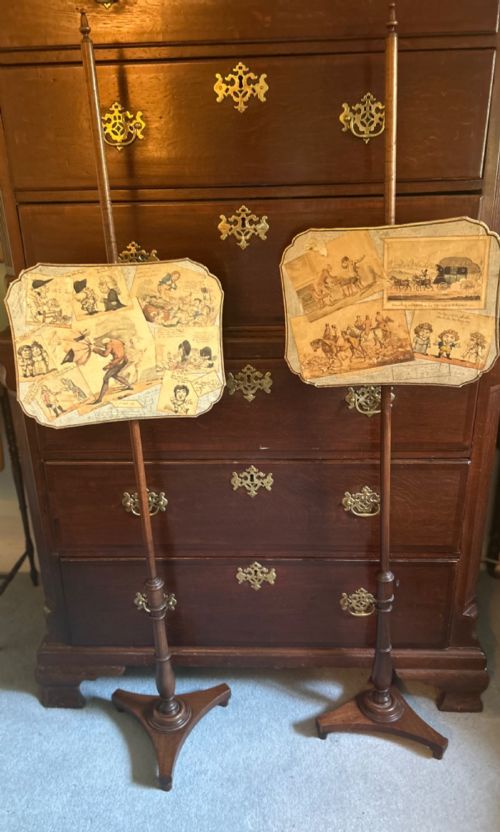
- A vertical stand holding an adjustable sliding panel designed to shield a person's face from fireplace heat. The screen slides up and down on a central wooden pole.
- Berlin work
- A style of nineteenth-century needlepoint worked in wool on canvas using patterned grid charts. These colourful stitched panels frequently appear mounted within Victorian screens.
- Coromandel lacquer
- An East Asian incised lacquer technique where designs are carved into a dark ground and filled with colours or gold. Such finishes appear on heavy folding screens.
- Needlepoint
- Embroidery stitched onto a stiff open-weave canvas foundation to create dense pictorial designs. It serves as a primary decorative medium for firescreen inserts.
- Dummy board
- A flat wooden silhouette painted to depict a person or animal, designed to stand illusionistically in a room. These painted boards share construction methods with decorative screens.
Antique Wooden Screen: Frequently Asked Questions
How were fire screens used?
Fire screens stood before domestic hearths to protect inhabitants from the intense heat of open fires. When the hearth was unlit, they served to mask the empty grate.
Later Victorian examples often doubled as decorative furniture pieces, incorporating embroidered panels or adjustable frames to catch gentle warmth.
What is a pole screen?
A pole screen consists of a vertical wooden shaft supported by a tripod base, holding a small sliding panel. Users adjusted the height of the panel along the pole to block heat from the fire.
Originating in the Georgian period, these pieces functioned as personal heat shields for individuals seated near the hearth.
How do I place a room divider?
Folding screens divide large open spaces, create private dressing areas, or conceal utilitarian corners in a room. Multi-fold panels stand in zigzag formations to remain stable on flat floors.
They offer flexible room architecture without requiring permanent walls or structural alterations to the property.
What is needlepoint work?
Needlepoint involves stitching wool yarn through a stiff canvas mesh to build dense, flat patterns and pictorial scenes. Victorian makers utilised this technique for firescreen inserts and decorative panels.
These hand-stitched textiles required sturdy wooden frames to support tension across the display area.
How do I identify a Victorian screen?
Victorian examples often feature dark walnut or mahogany frames combined with Berlin work tapestries, needlepoint, or painted glass panels. Their construction typically reflects mid-to-late nineteenth-century revival styles.
Heavier wood turns and ornate carved details distinguish these pieces from lighter Edwardian or Georgian furnishings.