


Antique Wooden Rocking Cradle
An antique wooden rocking cradle brings tactile warmth to a room, offering centuries of hand-crafted domestic history.
Antique Wooden Rocking Cradle
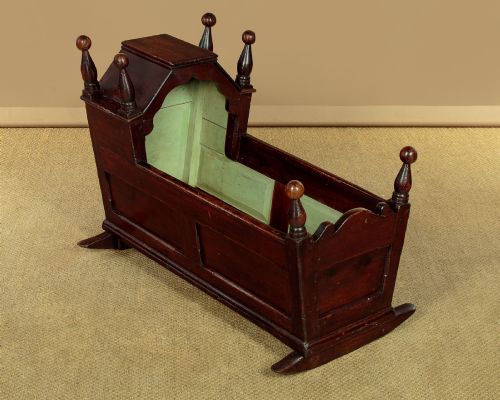
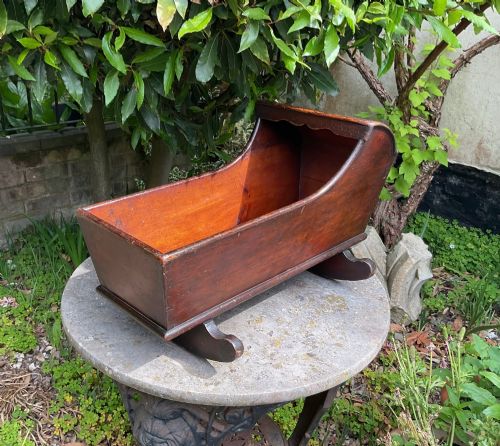
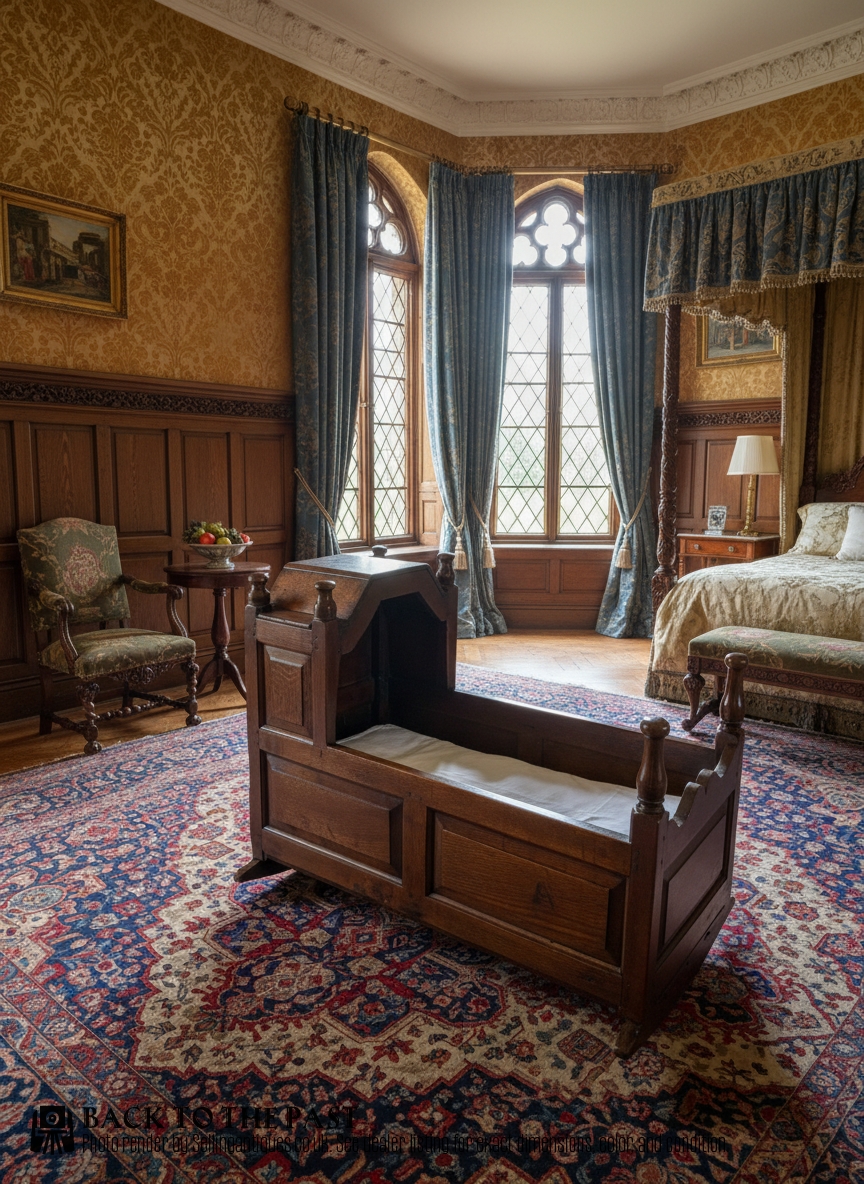
An antique wooden rocking cradle is a domestic resting place built for infants, constructed primarily from timbers such as oak, pine, and mahogany, and mounted upon curved rockers to soothe a child to sleep.
Buyers seeking this phrase encounter formats ranging from substantial panelled examples dating to the seventeenth century to lighter Victorian pine versions and small doll furniture pieces.
Origins span British regional workshops alongside Scandinavian country examples, demonstrating diverse vernacular woodworking traditions across the nineteenth century and earlier periods.
Materials and construction methods
Cabinetmakers utilised sturdy hardwoods like oak and mahogany alongside utilitarian softwoods such as pine and fruitwood, often employing traditional pegged joints and fielded panels.
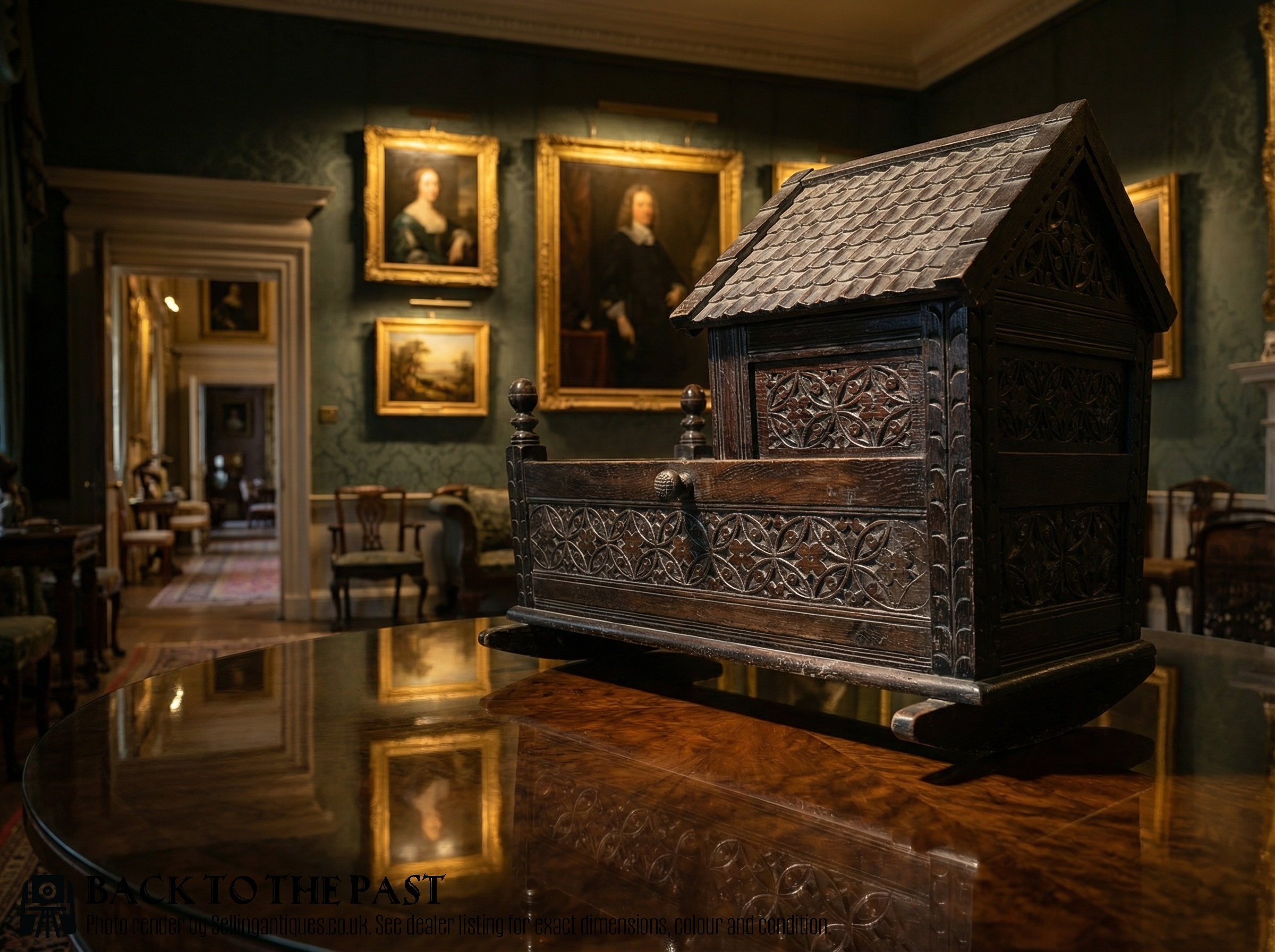
Surface finishes vary from polished timber and carved decoration to original layers of paint, whilst some iterations incorporate cane work, metal elements, and upholstered interiors.
Antique Wooden Rocking Cradle Retail Price Guide 2026
Typical asking prices for wooden rocking cradle among the pieces listed under this phrase on Sellingantiques today, from the lower quarter to the upper quarter. They describe what is for sale here now, not the wider market.
Listings span periods from the sixteenth century through the Georgian and Victorian eras, demonstrating construction in oak, pine, mahogany, and fruitwood.
Distinguishing quality factors
Quality rests upon the integrity of the timber framing, the retention of original surface treatments like historical paint or polish, and the subtlety of carved details.
Examples featuring integrated hoods, canopy tops, or sophisticated panel construction generally display a higher level of joinery skill than plain boarded boxes on rockers.
The Antique Wooden Rocking Cradle Glossary
- Fielded panel
- A wooden panel with bevelled edges designed to fit securely into a grooved frame, commonly seen in early oak examples.
- Rockers
- The curved wooden feet attached to the base of the cradle that allow it to sway gently back and forth.
- Hood
- A protective canopy structure built over the head end of the cradle to shield the infant from draughts.
- Caning
- Woven rattan material used for ventilation and decoration in the sides of certain nineteenth-century cribs.
- Metamorphic
- Describing a piece designed to transform into an alternative form of furniture, such as a cot.
Antique Wooden Rocking Cradle: Frequently Asked Questions
How do I date a wooden cradle?
Dating relies upon examining construction methods, timber species, and stylistic indicators such as panel mouldings or carved motifs. Early pieces often display pegged joints and native oak, whereas later nineteenth-century examples frequently utilise pine or mahogany.
Secondary clues include tool marks, hinges, and the presence of original paint or upholstery surfaces that align with specific historical periods.
Were these cradles used for daily sleeping?
Historically, these items served as the primary portable bed for infants during their first months, kept close to the hearth for warmth. The rocking action was intended to calm the child.
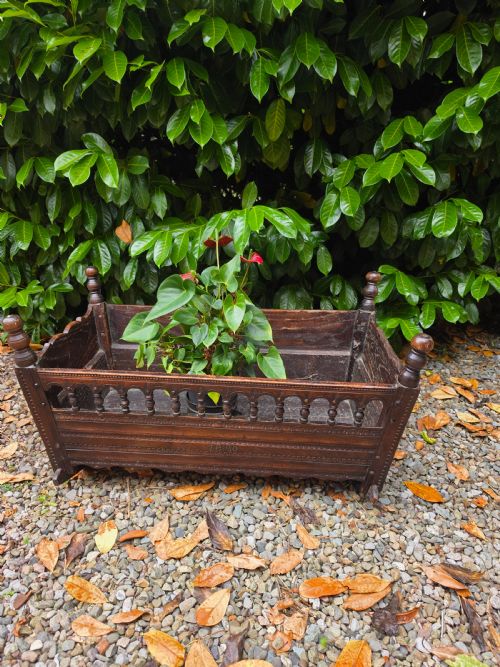
Today, modern safety standards mean these pieces are primarily utilised as decorative focal points, plant holders, or storage bins rather than for sleeping infants.
How do I care for antique pine?
Maintenance involves keeping the timber away from direct heat sources and extreme humidity fluctuations that cause wood to split or warp. Regular dusting with a dry cloth protects the surface.
Applying occasional appropriate wax preserves unpainted wooden finishes without building up harmful residues over the historic grain.