
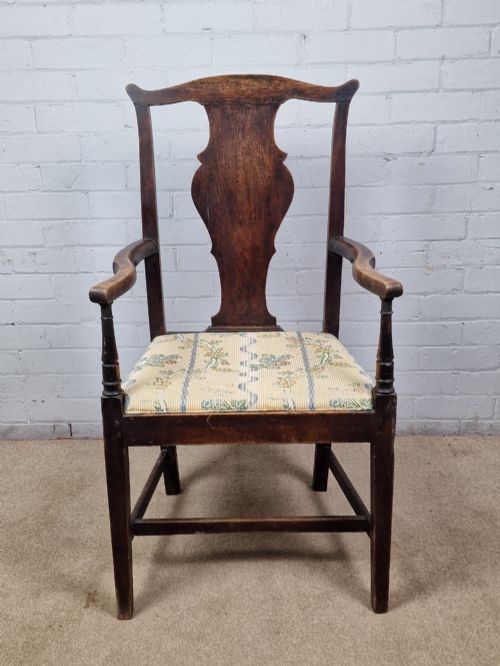
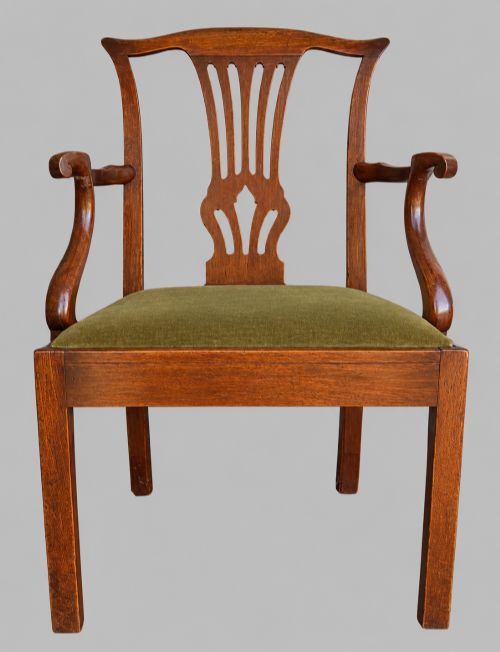
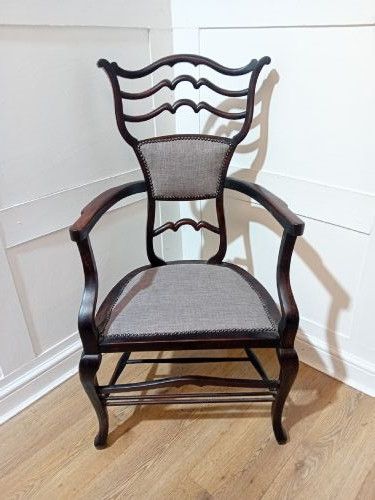
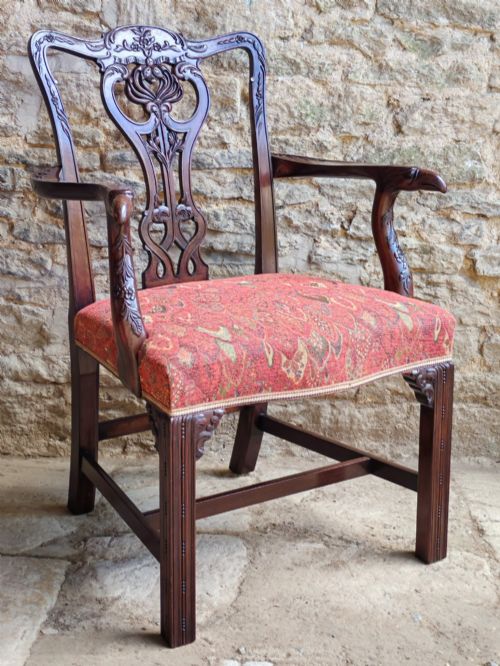
Antique Wooden Open Armchair
An antique wooden open armchair brings structural presence and carved detail to a room, offering a seat with arms built for study, dining or parlour use.
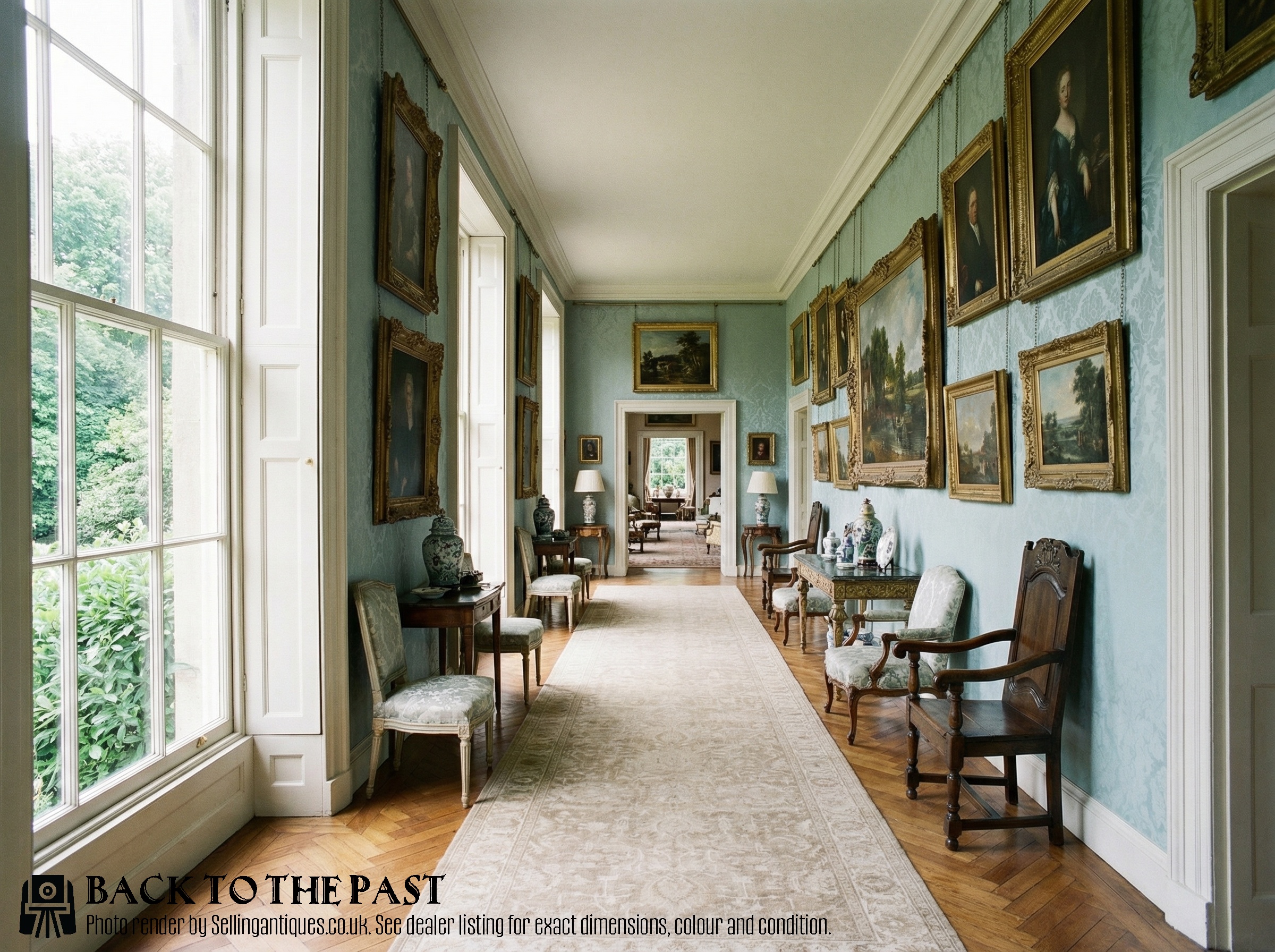
Antique Wooden Open Armchair
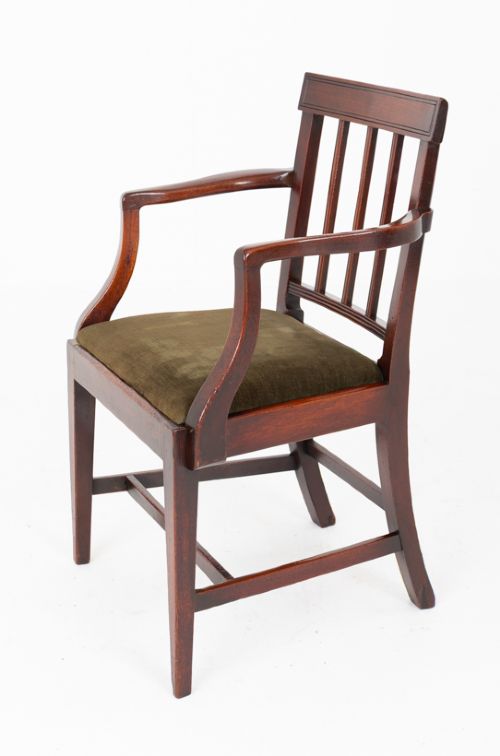
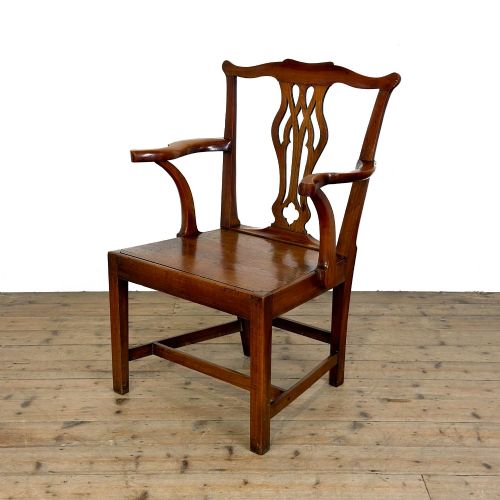
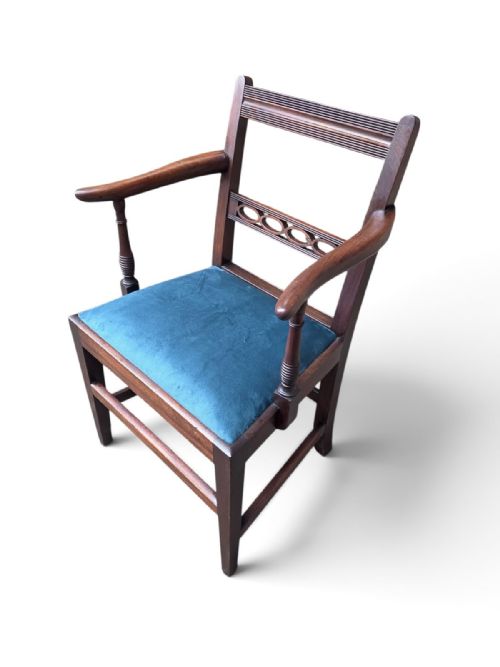
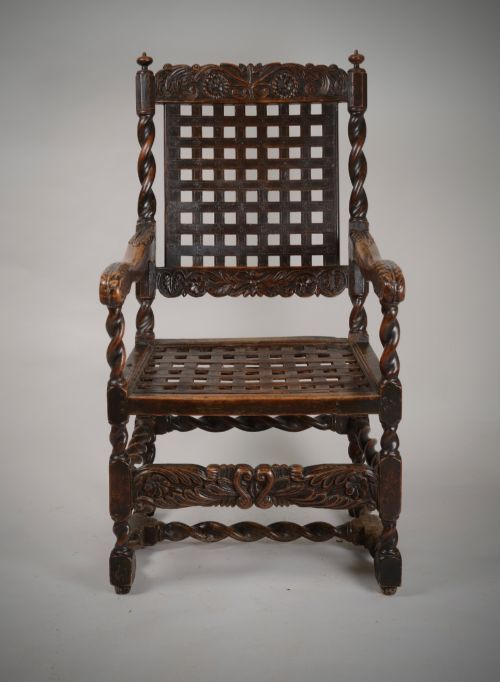
An antique wooden open armchair is a seating form defined by wooden frames and sides left unpadded, unlike the fully upholstered enclosed armchairs of later eras. You will encounter versions spanning several centuries, from sturdy seventeenth-century oak wainscot models to refined eighteenth-century mahogany examples and nineteenth-century revival pieces.
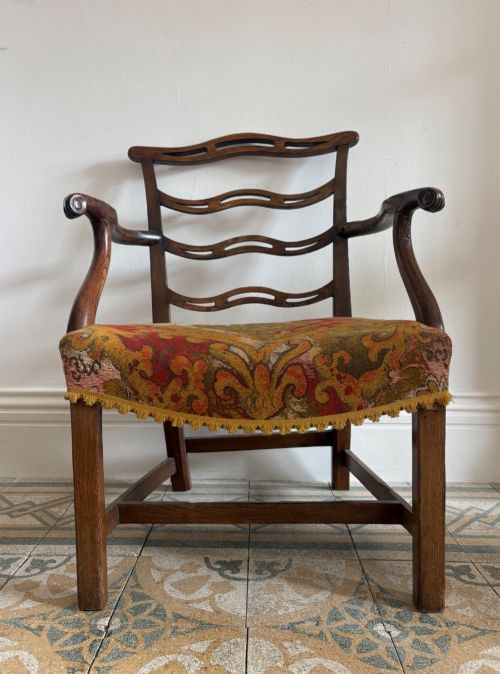
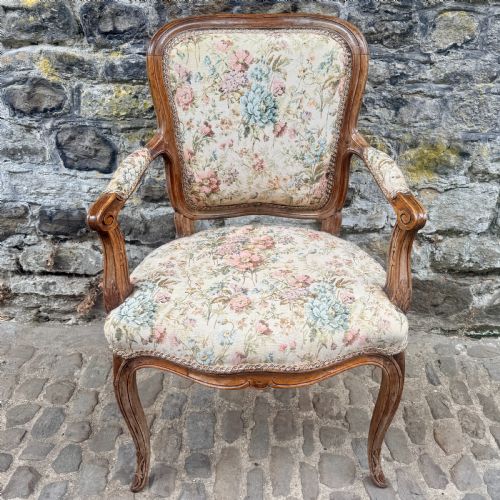
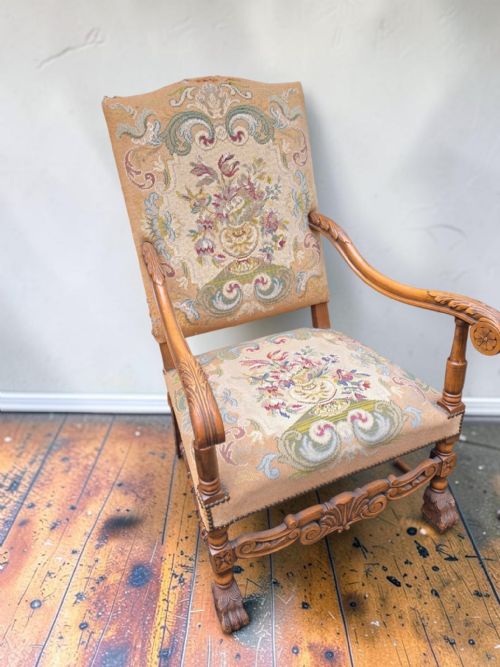
The materials used across these seating forms include dense hardwoods like mahogany, walnut, oak, elm, laburnum and fruitwood, often paired with upholstered drop-in seats or woven tapestry covers. These chairs function successfully as desk chairs, library carvers or occasional seating in traditional and modern interiors alike.
How they were made
Joinery methods rely heavily on mortise and tenon joints secured by wooden pegs, particularly in earlier oak and elm examples, giving the frames rigid durability. Turning lathes and hand-carving chisels shaped the uprights, arm terminals and cabriole or straight legs from solid timber planks.
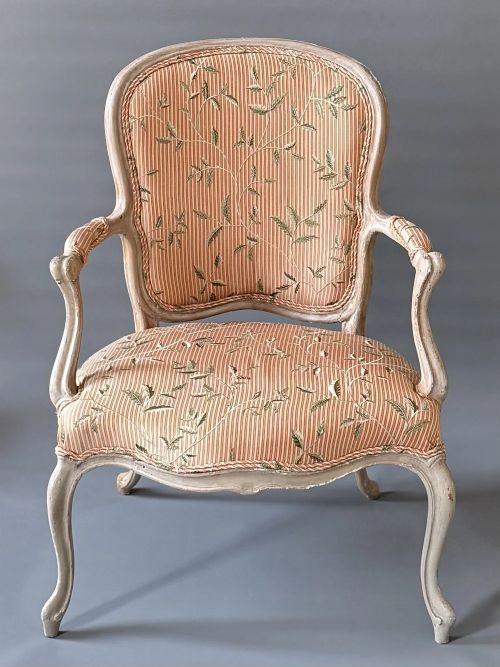
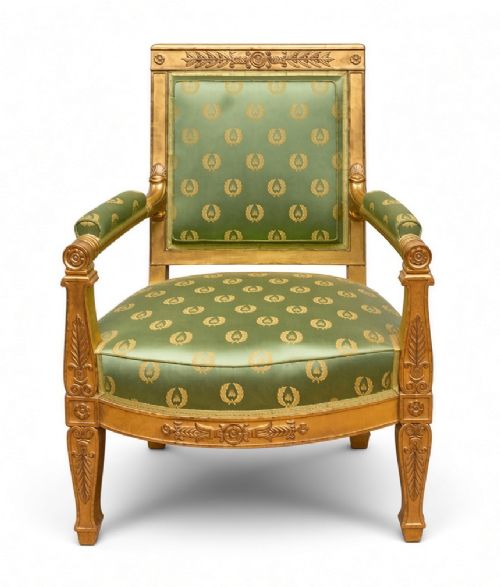
Surface finishes range from French polish and wax on mahogany and walnut to gilded gesso on decorative continental frames and painted coatings on provincial pieces. Seat platforms often incorporate dropped wooden frames designed to receive separate upholstered pads covered in fabric, velvet or tapestry.
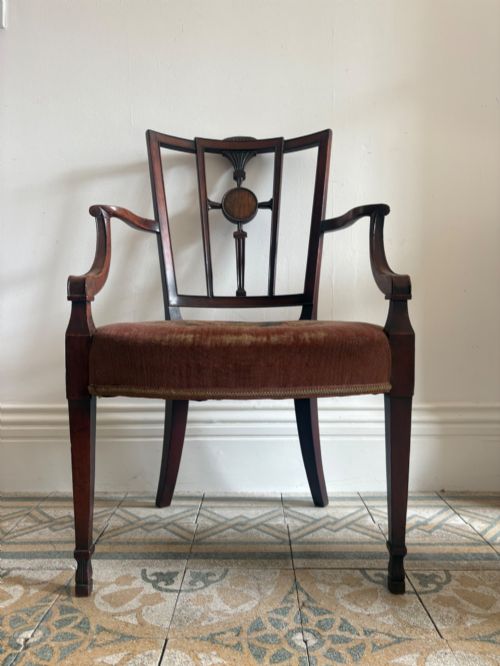
Certain eighteenth-century mahogany examples carry the colloquial title of drunkards chairs, engineered with unusually wide seats to accommodate bulky garments.
What varies in quality
The crispness of the hand-carved detail on the arms, knees and splats dictates much of the visual merit, distinguishing fluid artisan work from heavier mechanical production. Timber selection also matters, as figured mahogany or quarter-sawn oak displays grain patterns that elevate the appearance of the frame.
Structural integrity depends on the tightness of the original joints and the survival of the timber without excessive dry rot or replacement members. Maker attribution, through stamps or documented provenance, adds historical weight to specific chairs.
Howard and Sons·Jacob-Desmalter·Gillows·Hindley and Sons·Edward Barnsley
The Antique Wooden Open Armchair Glossary
- Carver
- An armchair, often designed en suite with a set of matching dining chairs to sit at the head of the table. These frames feature wider proportions and supportive armrests.
- Splat
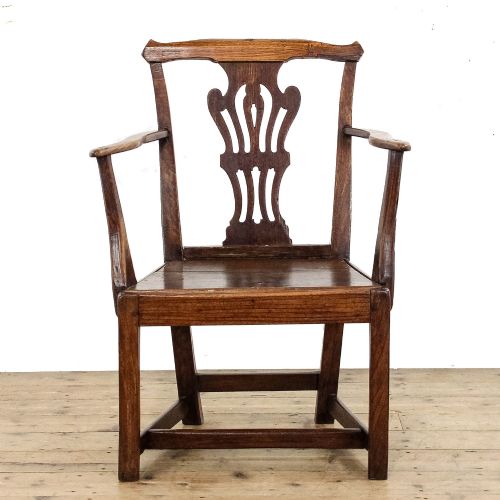
- The vertical central strip of wood set within the back of an armchair. It frequently takes pierced, fiddle or ladder-back configurations depending on the prevailing style.
- Fauteuil
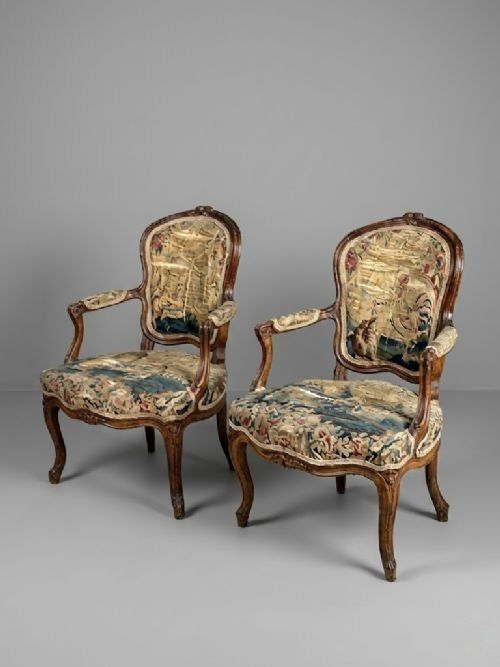
- An open-armed upholstered armchair of French origin, featuring exposed wooden frames carved with floral or scroll motifs. These pieces typically date from the eighteenth or nineteenth century.
- Wainscot
- An early form of heavy wooden armchair constructed primarily from oak with panelled backs and solid seats. They originate from the seventeenth century and earlier domestic settings.
- Cabriole
- A furniture leg that curves out at the knee and tapers inward to an ankle and foot, commonly seen on eighteenth-century seating. This design derives from classical Chinese furniture forms adapted through European trade.
Antique Wooden Open Armchair: Frequently Asked Questions
How do I use an antique wooden open armchair daily?
These chairs work well as occasional seating in a living room, at a writing desk or paired with a reading table where the open arms permit easy movement.
Protect the wooden frame from direct heat sources and sunlight to preserve the finish, and maintain any antique upholstery with gentle brushing.
What is the difference between an armchair and a carver?
An armchair is a general term for any seat with side supports, whereas a carver specifically denotes a dining chair made with arms to match a set of smaller side chairs.
In practical terms, carvers often feature slightly elevated proportions to accommodate diners at the head of a table.
How can I tell a Georgian chair from a Victorian one?
Georgian pieces, dating through the eighteenth century, frequently display lighter proportions in mahogany or walnut with restrained carved splats and stretchers.
Victorian iterations from the nineteenth century tend toward heavier timber dimensions, deeper buttoned upholstery options, and revivals of earlier Renaissance or Baroque decorative motifs.
Are these chairs comfortable for long sitting periods?
While historic frames were built to the ergonomic standards of their time, many feature supportive raked backs and upholstered drop-in seats that provide steady support.
Adding a matching cushion can adjust the seat height and depth to suit modern sitting preferences without altering the antique structure.