




Georgian Oak Panel Chair
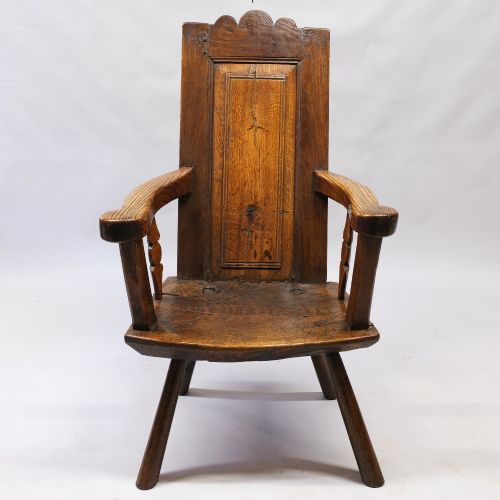
A georgian oak panel chair brings solid timber and centuries of regional British craftsmanship directly into your home.
Georgian Oak Panel Chair
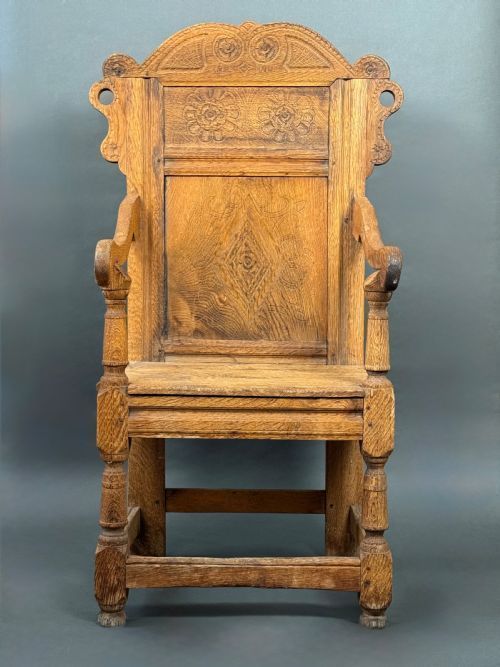
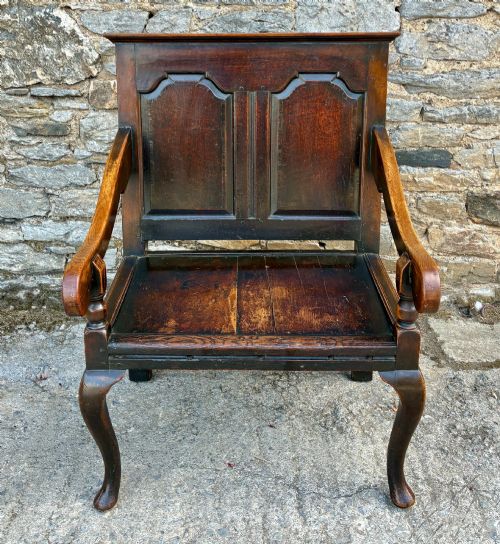
A georgian oak panel chair encompasses sturdy armchairs, wainscot chairs, and settles built with solid wood construction. These pieces originate from country workshops and domestic settings during the eighteenth century.
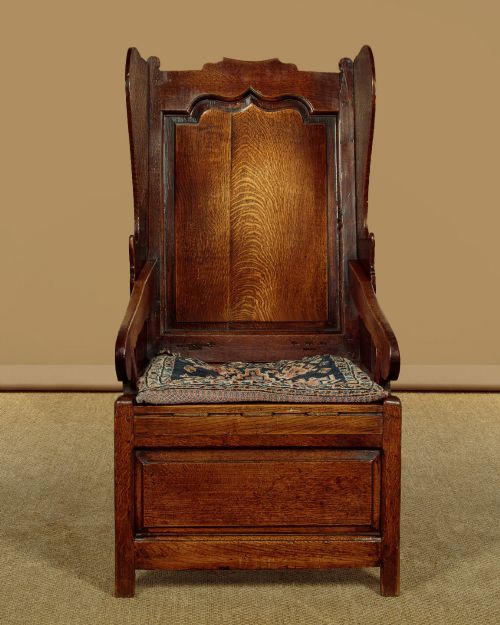
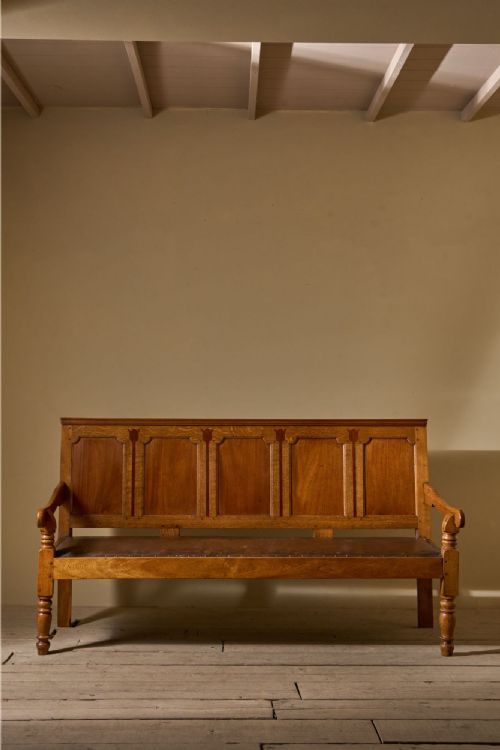
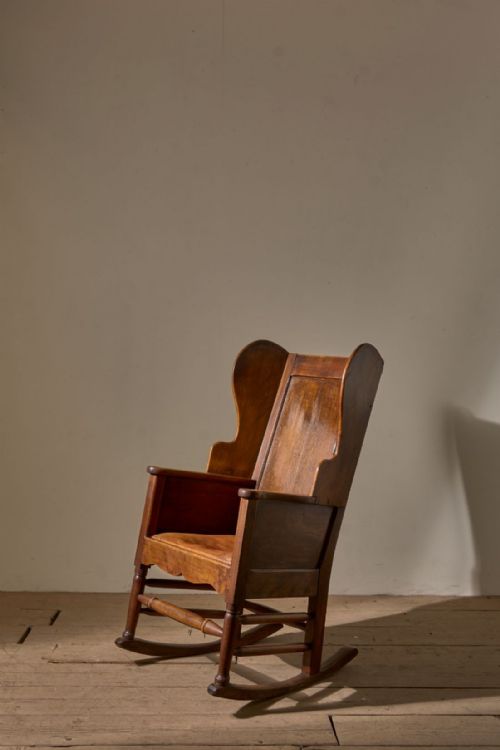
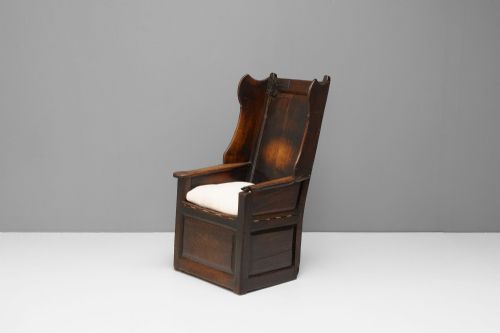
The selection here includes panel-backed armchairs, lambing chairs, and hall benches that display regional English and Welsh vernacular traditions. Many examples feature solid timber seats, high backs, and structural joinery suited to daily utility.
Makers utilised native hardwoods to construct durable seating designed for farmhouse interiors and manor halls alike. The form evolved from earlier joined furniture types into comfortable seating with functional armrests and supportive panels.
Materials and construction methods
Carpenters constructed these chairs using solid oak, elm, and other regional hardwoods joined with traditional pegged mortise and tenon joints. Panels were set within grooved frames to allow for natural wood movement over time.
Surface decoration involved simple carving, wood inlay, or tulip motifs applied directly to the timber framing. Workshops relied on hand tools such as drawknives and chisels to shape the structural components and arm supports.
Listings feature oak, elm, and hardwood across eighteenth-century, Regency, and Georgian periods.
Assessing quality and character
Quality rests in the integrity of the original timber framing, the crispness of any carved decoration, and the retention of early surfaces. Pieces that retain their original pegged joints and untouched timber patination stand apart from heavily restored examples.
The proportion of the arms and the thickness of the panel back influence the overall visual balance of the chair. Regional variations in country workshops display distinct character through vernacular design choices rather than standardised factory production.
The Georgian Oak Panel Chair Glossary
- Wainscot chair
- A heavy wooden armchair characterised by a panelled back and solid timber seat. This form preceded lighter upholstered seating styles in domestic interiors.
- Lambing chair
- An enclosed wooden armchair featuring high wings and a low seat, designed to keep out drafts near the hearth. Many examples include small storage compartments beneath the seat.
- Settle
- A wooden bench with a high panelled back and enclosed arms, designed to seat multiple people away from cold draughts. These pieces formed standard furniture in country halls.
- Mortise and tenon
- A traditional woodworking joint where a projection on one piece fits tightly into a matching cavity in another. Carpenters secured these connections using wooden pegs.
- Vernacular furniture
- Domestic objects made by local craftsmen using regional materials and traditional techniques, uninfluenced by fashionable urban court styles.
Georgian Oak Panel Chair: Frequently Asked Questions
How do I care for a historic oak chair?
Keep the timber away from direct heat sources and sudden temperature shifts to prevent the wood from splitting. Apply a suitable microcrystalline wax occasionally to protect the surface patination.
Avoid using modern liquid polishes that can build up a sticky residue on the grain. Gentle dusting with a dry cloth is sufficient for routine maintenance.
Were these chairs used for dining?
Most panel-backed and wainscot armchairs served as principal seats of authority at the head of a table or beside the hearth. Dining sets typically consisted of lighter side chairs rather than heavy armchairs.
Country houses utilised benches and simpler wooden seating around long refectory tables for everyday meals.
What is the difference between an 18th century and a Regency chair?
Eighteenth-century pieces typically feature heavy panel backs, joined oak construction, and straightforward vernacular carving. Regency examples on this page show lighter wood seat country dining chair forms.
Design styles shifted towards refined country simplicity as timber availability and workshop practices evolved into the nineteenth century.
Can I use a lambing chair daily?
These sturdy wooden seats were built for practical domestic utility and handle everyday use well. Ensure the structural joinery remains sound before placing heavy demands on the piece.
Adding a removable fabric or textile cushion can improve comfort during extended periods of sitting.