

Antique Wooden Kitchen Seating
Antique wooden kitchen seating brings solid elm, oak, and ash forms into daily use, offering enduring domestic utility.
Antique Wooden Kitchen Seating
When you search for antique wooden kitchen seating, you encounter sturdy chairs, benches, and stools designed for heavy domestic labour and dining. These pieces originate mainly from the nineteenth and early twentieth centuries, spanning Victorian, Edwardian, and rustic farmhouse styles.
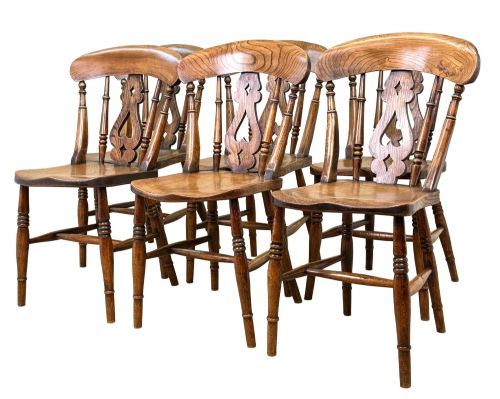
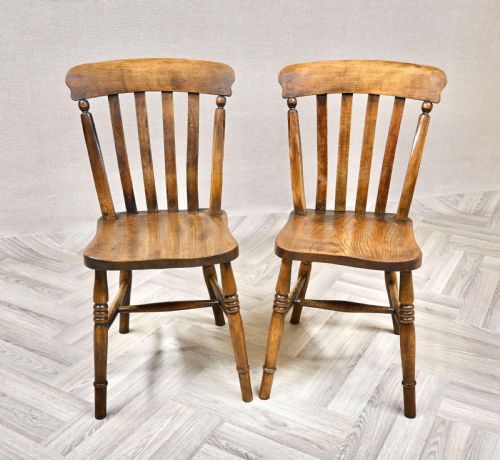
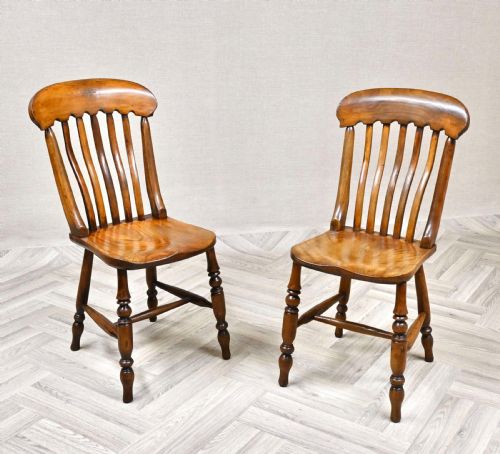
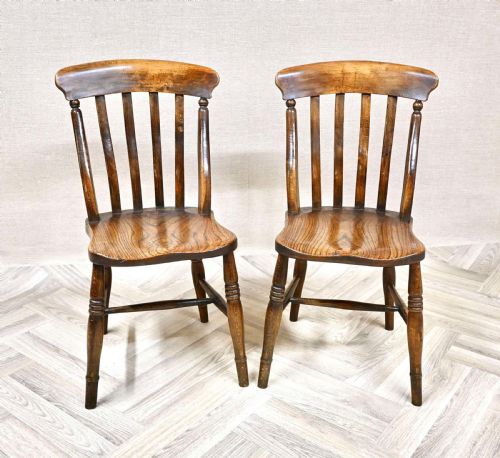
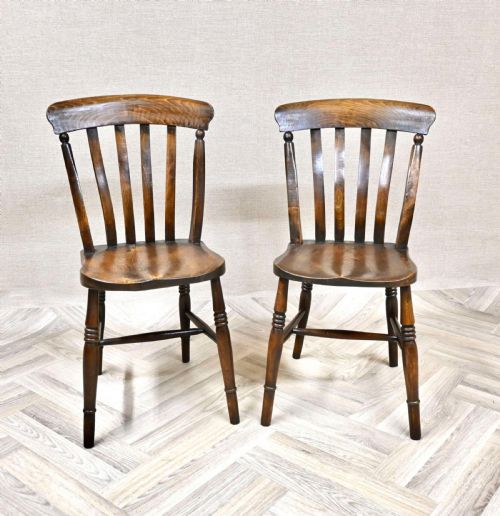
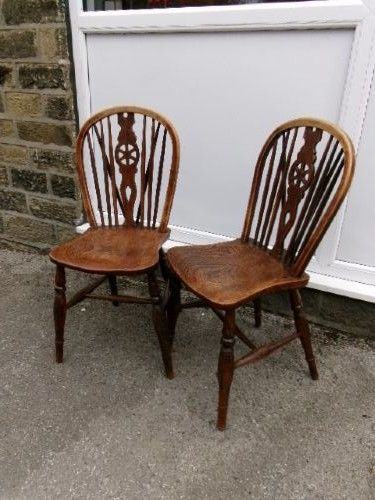
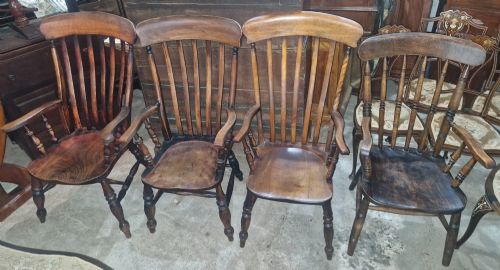
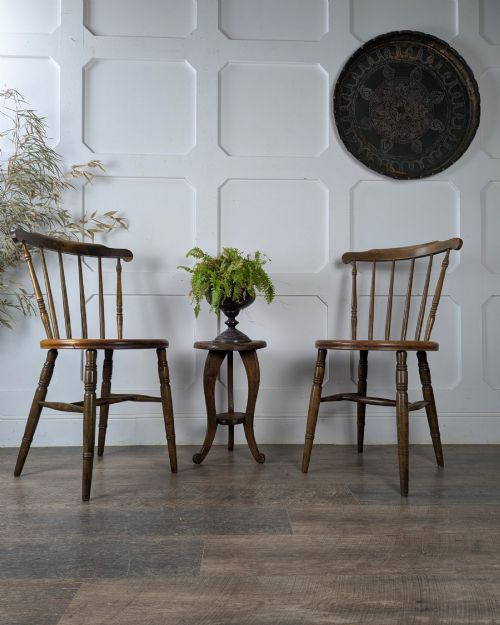
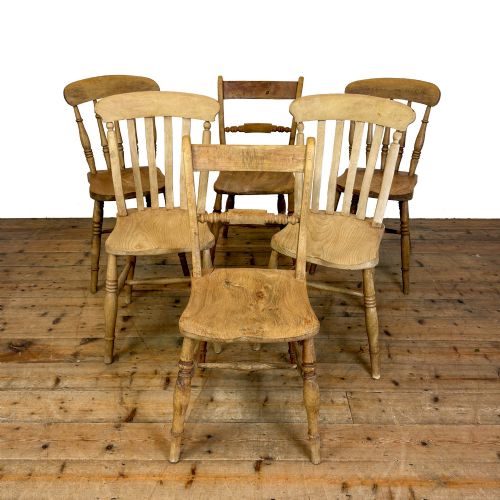
The version you are most likely to meet on this page is the Windsor chair in elm, ash, and beech, alongside ladder-back dining chairs and oak benches. Makers constructed these items for everyday utility in farmhouses and country kitchens, prioritising durability over delicate ornamentation.
How they were made
Cabinet makers and bodgers utilised native British timbers, combining flexible ash for spindles, tough elm for solid saddle seats, and durable beech for turned legs and stretchers. They relied on traditional joinery methods such as wedged tenons and steam-bending to create resilient frames that withstand constant movement.
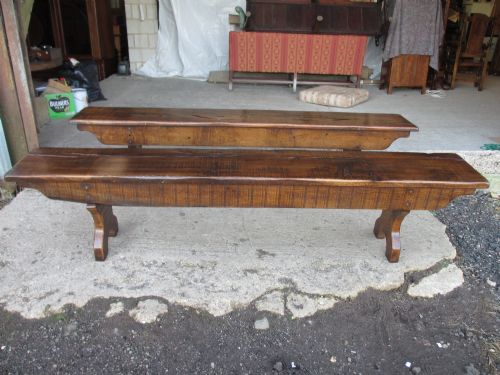
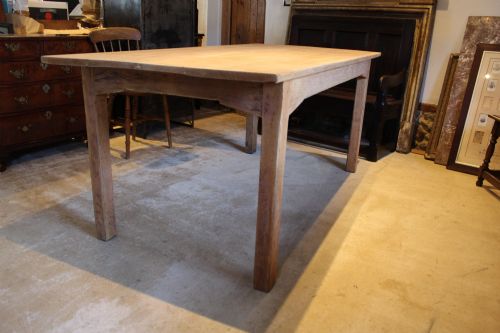
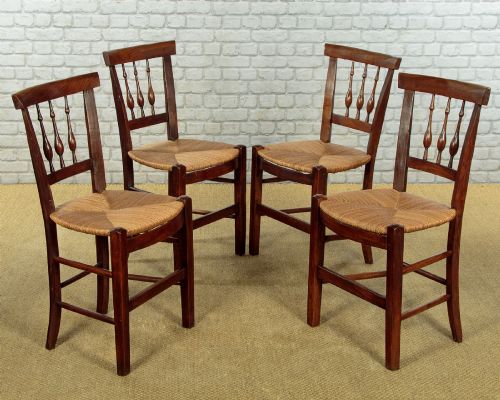
Makers occasionally applied paint or left the wood plain, while rush seating was woven directly onto frames for domestic comfort. Workshops also integrated shaped trestle ends on heavy oak benches and constructed sturdy refectory dining tables to anchor the kitchen space.
Object forms span dining chairs, benches, stools, armchairs, refectory dining tables, and bar stools in various country aesthetics.
What varies in quality
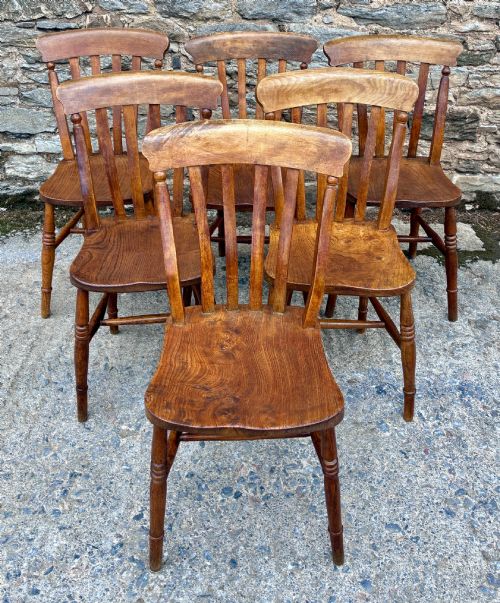
Quality separates standard utility seating from finer workshop output through the selection of timber and the precision of the turning. Heavy elm seats with deep comb or hoop backs display superior material density and more confident shaping than plain replacements.
The integrity of the original joints and the matching of harlequin sets determine the cohesive appeal of the group. Pieces retaining their early surface character and patination without excessive structural intervention hold greater integrity.
The Antique Wooden Kitchen Seating Glossary
- Windsor
- A traditional chair construction featuring a solid wooden seat into which the legs, back posts, and spindles are separately socketed. This method creates a sturdy, resilient frame typical of country dining seating.
- Lathe back
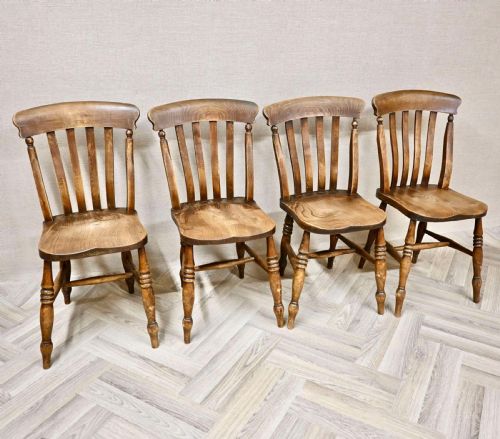
- A chair design incorporating horizontal flat wooden slats across the backrest rather than vertical spindles. These slats are often slightly curved for lumbar support.
- Rush seat
- A seating surface woven from dried marsh rushes twisted into cords and patterned tightly across the chair frame. It provides a firm yet yielding texture.
- Refectory table
- A long, narrow dining table traditionally built for communal dining halls and adapted for farmhouse kitchens. They feature robust timber construction supported by trestles or sturdy legs.
- Harlequin set
- A collection of dining chairs that share similar styles, materials, or periods but were not originally manufactured as a single matching group. They offer a collected appearance suited to large kitchen tables.
Antique Wooden Kitchen Seating: Frequently Asked Questions
What is an antique Windsor chair?
An antique Windsor chair is a form of wooden seating where the legs and back spindles are fitted directly into a thick, shaped solid seat. They developed deep popularity in country kitchens for their robust construction and comfort.
Craftsmen built them using a combination of native timbers like elm, ash, and beech, ensuring the chair could endure daily domestic service without losing structural stability.
How do I care for antique wooden benches?
Caring for antique wooden benches involves keeping them away from direct heat sources and rapid temperature fluctuations that cause timber to split. Regular dusting with a dry cloth maintains the surface finish.
Applying occasional specialist beeswax helps nourish dry oak, pine, or elm without building up sticky residues that attract dust.
What are ladder-back kitchen chairs?
Ladder-back kitchen chairs feature a tall backrest composed of several horizontal wooden rails or slats positioned between two upright posts. They date across multiple centuries of country craftsmanship.
These chairs often incorporate rush or wooden seats and served as dependable seating around farmhouse dining tables.
How can I date an antique wooden stool?
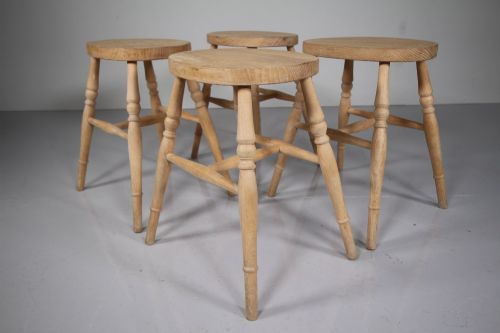
Dating an antique wooden stool requires examining the tool marks, timber species, and construction joints used by the maker. Hand-turned legs and adzed seats usually point towards nineteenth-century craftsmanship.
Wear patterns around the footrests and the type of fixings also provide clues regarding the period of manufacture and intensity of use.
Are harlequin chair sets authentic?
Harlequin chair sets consist of individual chairs that match in general style and period, such as Victorian Windsor forms, but originated from different workshops. Dealers assembled these groups to provide seating for larger dining tables.
They represent a traditional method of gathering sufficient usable antique seating without requiring an identical factory-produced suite.