

Antique Wooden Jardiniere
An antique wooden jardiniere brings living foliage indoors, combining timber craftsmanship with water-resistant metal linings to display plants safely.
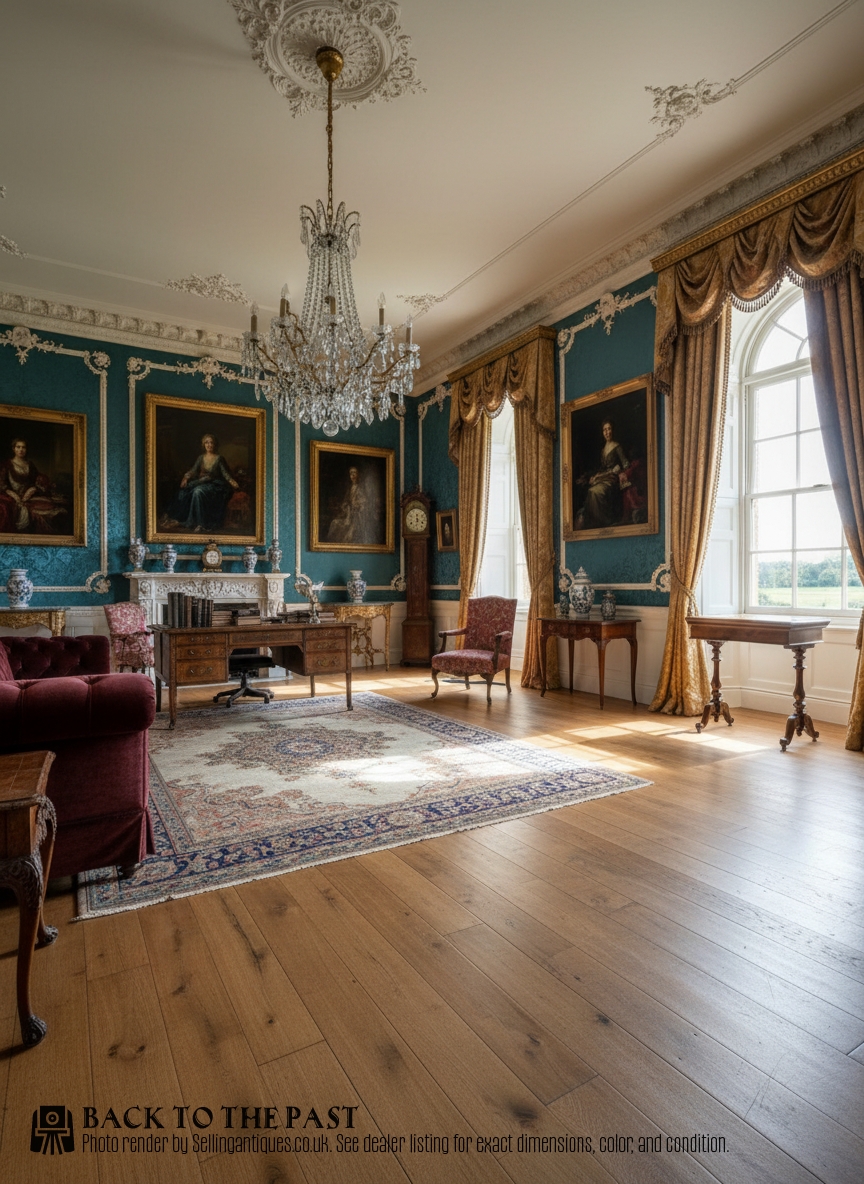
Antique Wooden Jardiniere
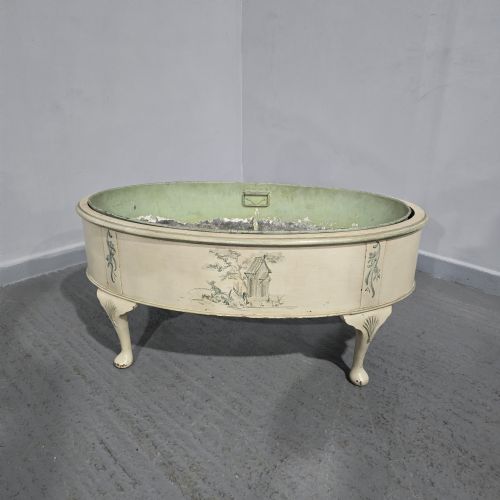
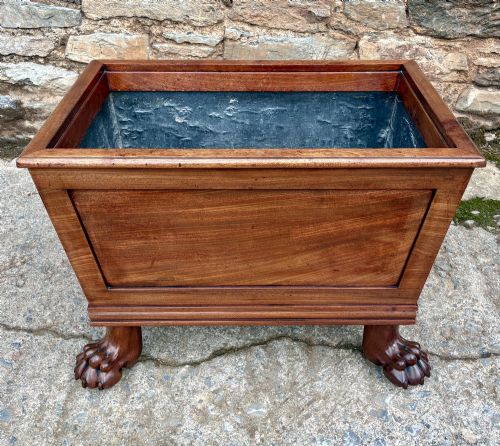
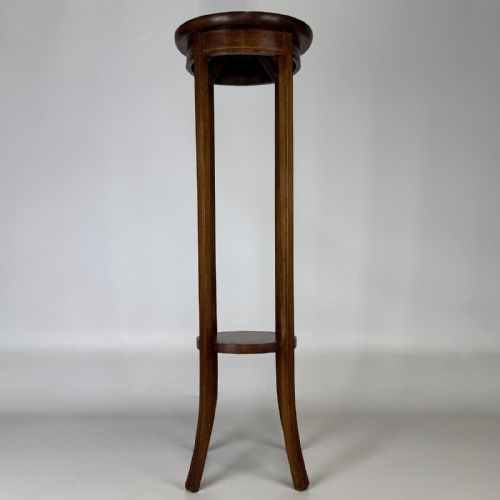
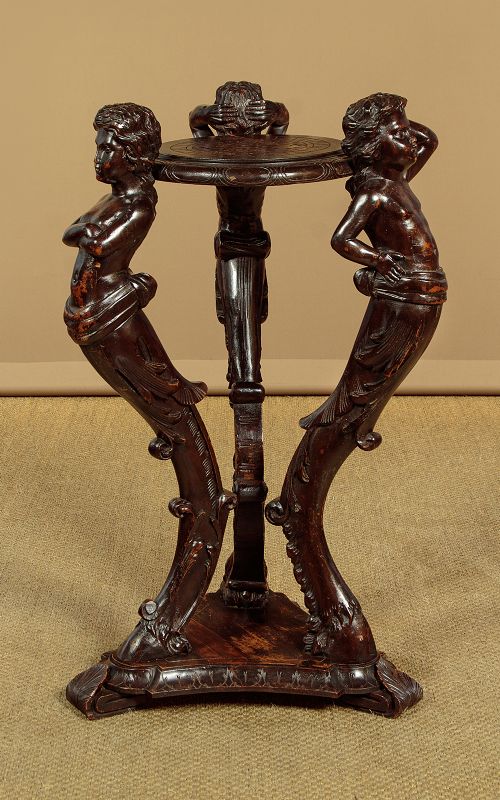
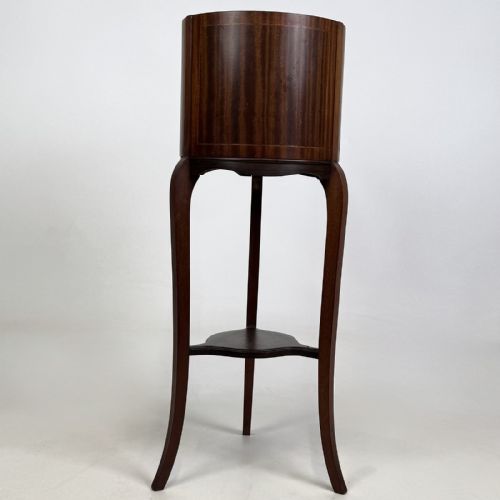
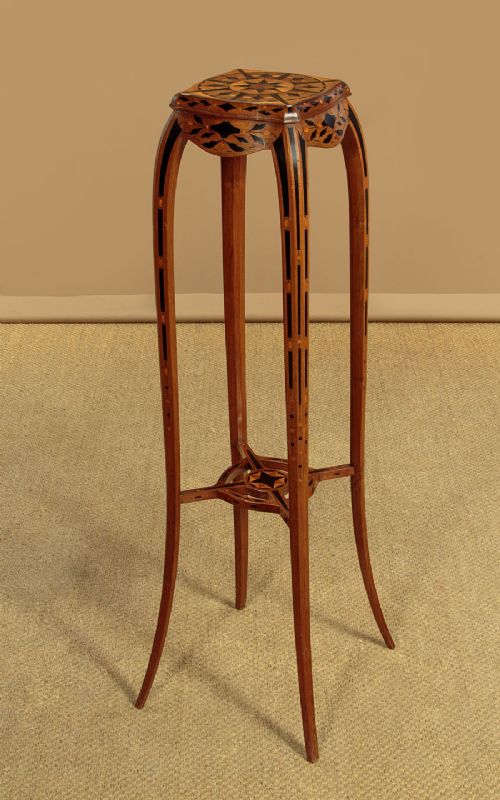
The antique wooden jardiniere category encompasses plant stands, torchères, wine coolers, and coopered buckets originating from Victorian, Edwardian, and Georgian eras. Buyers encounter tall mahogany pedestals, low walnut planter tables, and inlaid satinwood stands designed to hold potted ferns or floral arrangements. Many pieces double as occasional tables, decanter caddies, or lamp stands depending on their top construction.
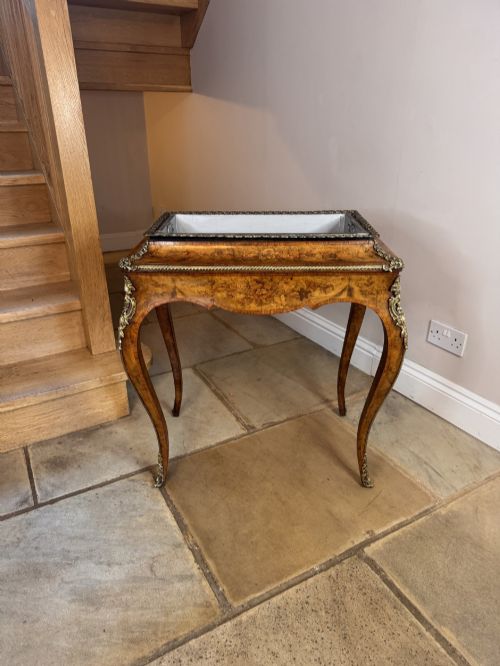
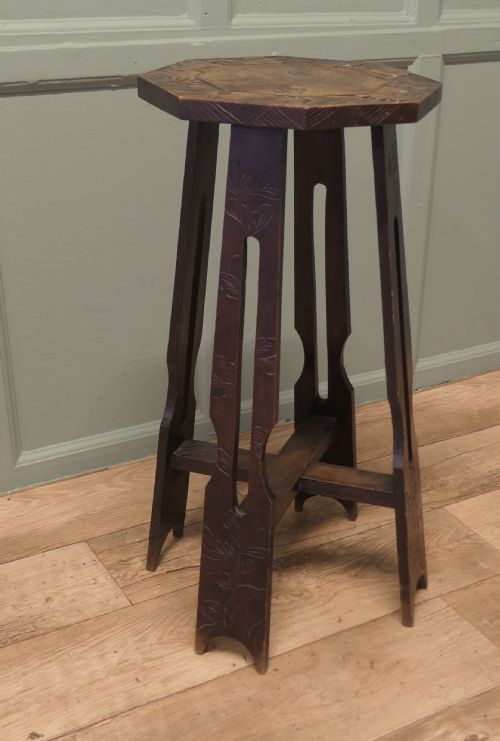
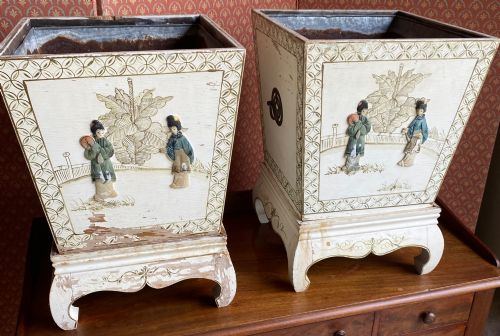
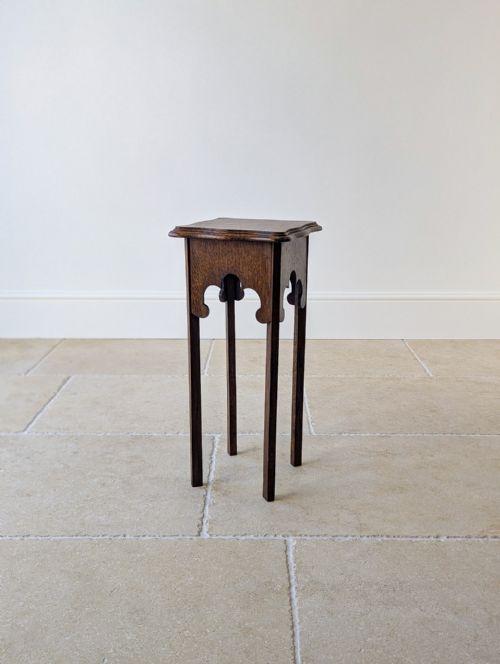
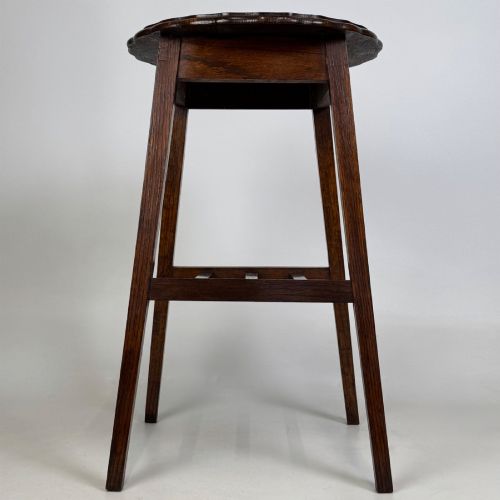
Edwardian and Arts and Crafts oak iterations appear frequently alongside French walnut and kingwood examples featuring Ormolu mounts and porcelain plaques. Pieces span from the late eighteenth century through the early twentieth century, incorporating Chinese export stands and Dutch coopered peat buckets into the broader planter lineage.

Materials and construction
Cabinetmakers utilised dense hardwoods including mahogany, walnut, oak, and satinwood, frequently applying decorative veneers, marquetry inlay, or original paint finishes. Metal elements played a functional and decorative role, with brass liners protecting the timber from moisture while brass banding, copper hoops, and ormolu mounts reinforced the structure.
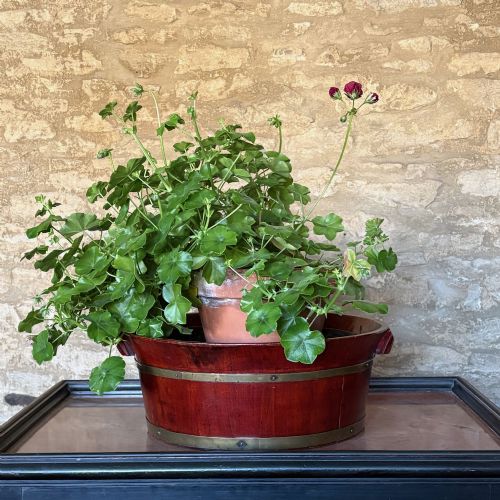
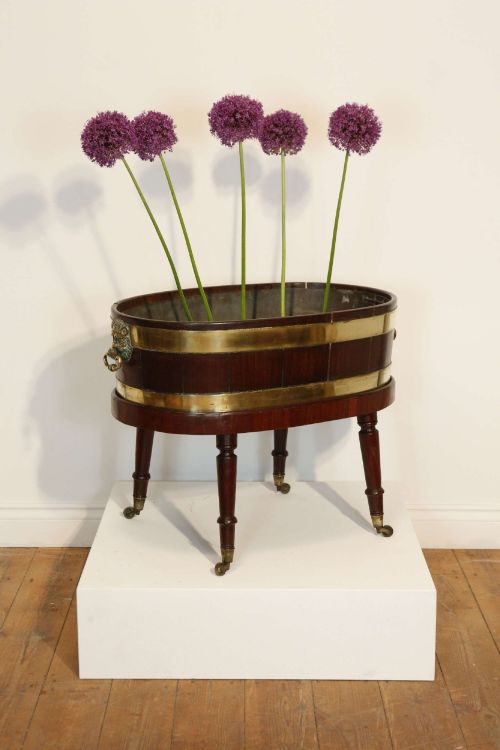
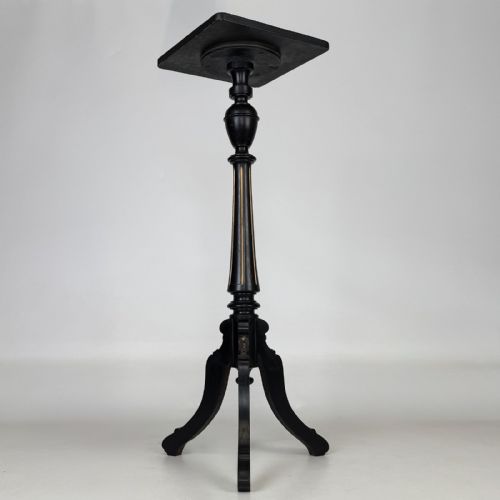
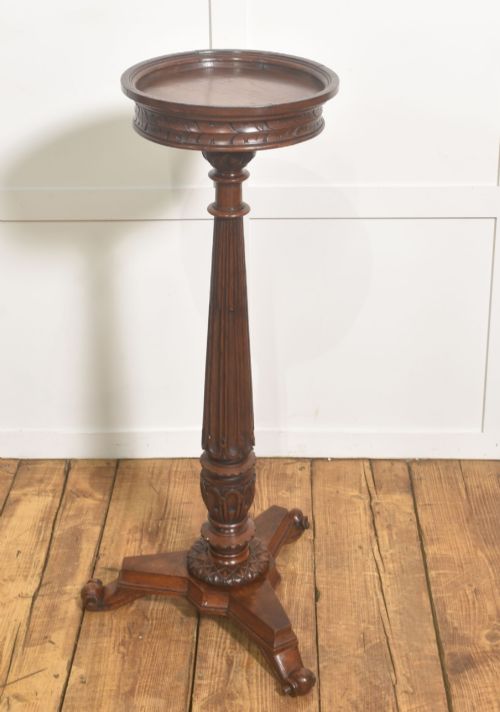
Coopered construction methods appear in bucket and boat-shaped forms, binding wooden staves together with metal bands, while carved plant stands employ turned pedestals and tripod bases.
Antique Wooden Jardiniere Retail Price Guide 2026
Typical asking prices for wooden jardiniere among the pieces listed under this phrase on Sellingantiques today, from the lower quarter to the upper quarter. They describe what is for sale here now, not the wider market.
Several items double as Dutch peat buckets or French wine coolers, proving that nineteenth-century ferns shared their housing with champagne bottles.
Craftsmanship and distinction
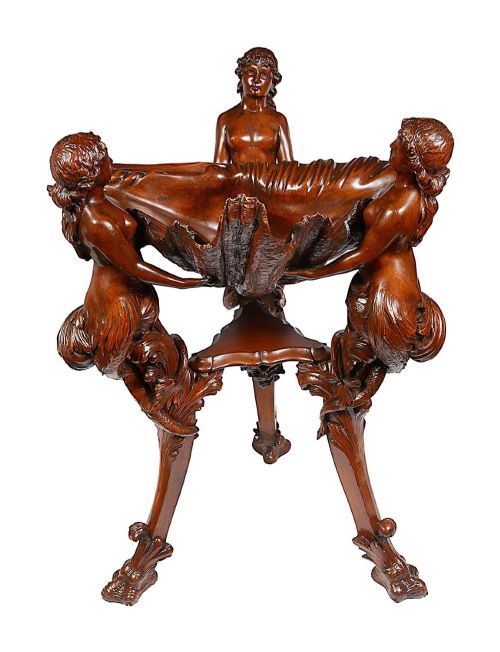
Quality rests in the selection of figured timber veneers, the crispness of hand-carved details, and the integrity of the original metal liners and mounts. Superior examples display refined joinery, such as dovetail construction in table bodies or tight stave alignment in coopered vessels.
The presence of undamaged inlay, original paint surfaces, and matching metal hardware separates standard utilitarian plant holders from exceptional decorative works.
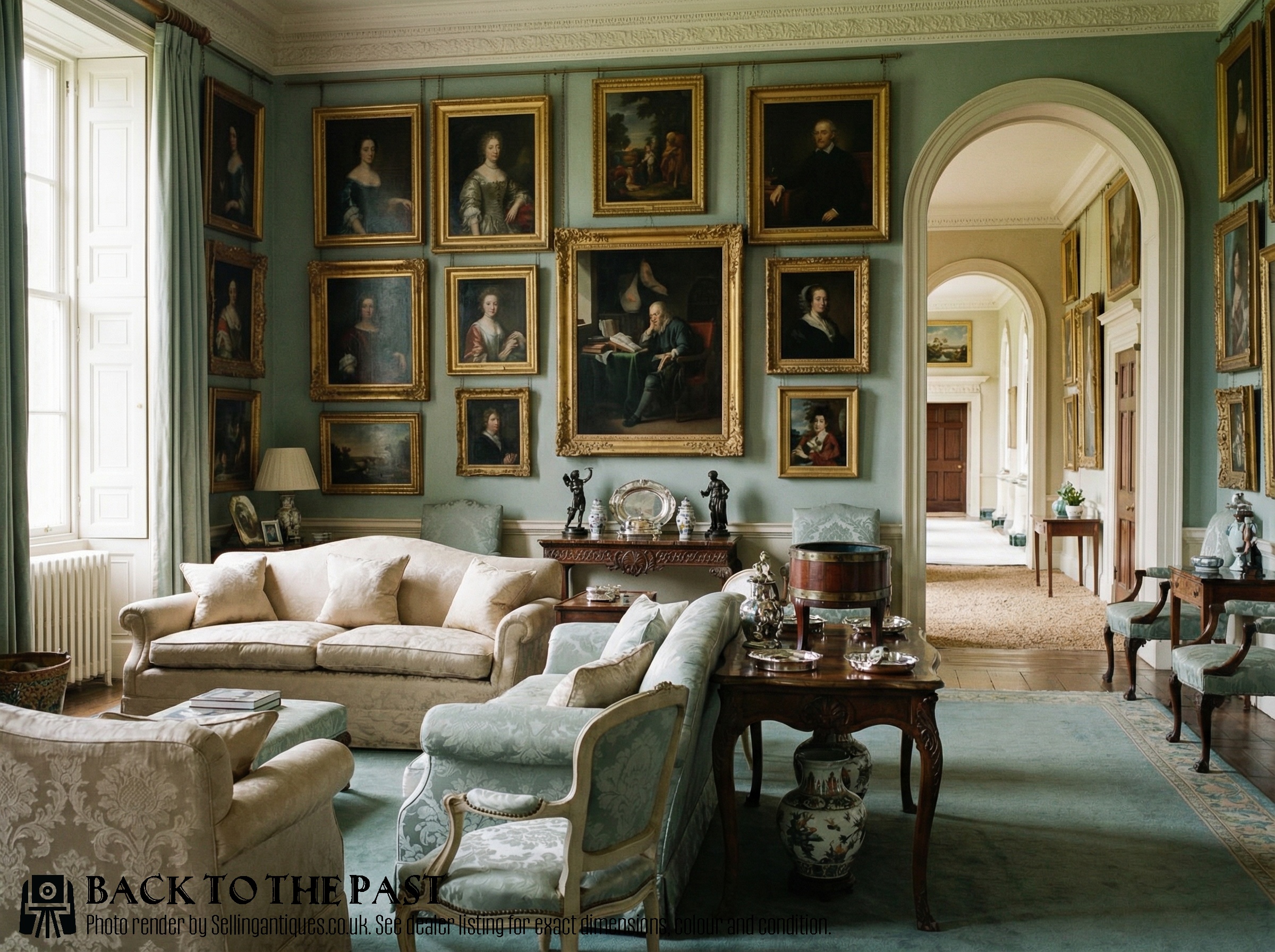
Liberty of London
The Antique Wooden Jardiniere Glossary
- Jardiniere
- An ornamental pot or stand for holding plants or flowers. These vessels often include removable metal inserts to catch drainage water.
- Torchere
- A tall ornamental stand or candlestick designed to elevate a lamp, plant, or vase. They typically feature slender stems supported by tripod or circular bases.
- Coopered
- Made by assembling curved wooden staves bound together with metal hoops. This technique originates from barrel-making and prevents wood splitting in damp environments.
- Ormolu
- Gilded bronze mounts applied to furniture and decorative objects for ornamentation. Makers cast and chased these brass-alloy fittings before applying gold leaf or mercury gilding.
Antique Wooden Jardiniere: Frequently Asked Questions
What is an antique wooden jardiniere?
An antique wooden jardiniere is a decorative container or stand designed to display indoor plants and flowers. These pieces utilise timbers such as mahogany, walnut, and oak.
Craftsmen often equipped these vessels with metal liners to protect the wood from water damage. They range from tall floor-standing pedestals to table-top planter boxes.
How were jardinieres used historically?
Victorian and Edwardian households used jardinieres to bring greenery and exotic palms into interior living spaces. They acted as focal points in drawing rooms and reception halls.
Some convertible designs functioned interchangeably as wine coolers, decanter caddies, or lamp tables. This versatility made them practical furniture additions for formal entertaining.
How do I care for a wooden planter?
Protect the timber by ensuring potted plants sit inside watertight inner vessels rather than directly against the wood. Wipe away condensation and stray water droplets immediately after watering.
Feed the wood periodically with appropriate wax to maintain the finish. Keep these pieces away from direct heat sources to prevent timber shrinkage.
How do I identify Edwardian plant stands?
Edwardian plant stands frequently feature lighter timbers like satinwood and inlaid mahogany, often displaying Arts and Crafts influences or Sheraton revival motifs. Construction dates typically span the late nineteenth century to the early twentieth century.
Look for slender turned legs, two-tier shelving designs, and simpler geometric inlay compared to heavier Victorian walnut pieces.