



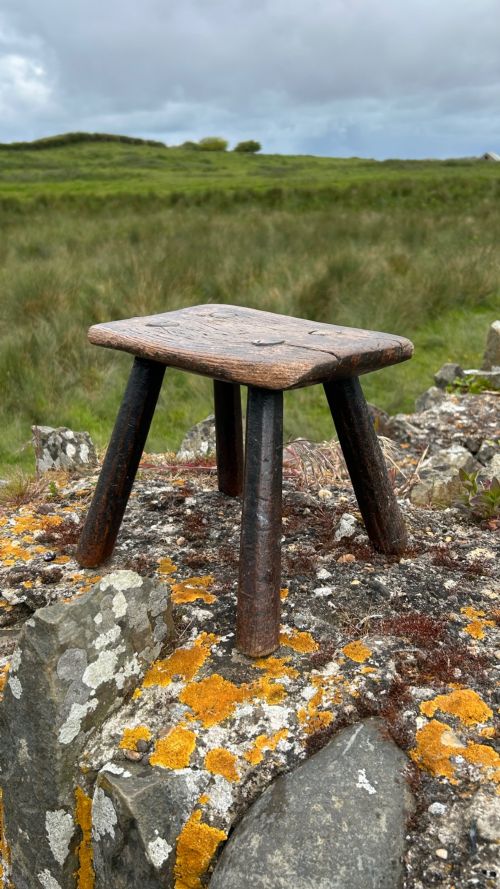

Antique Wooden Footstool
An antique wooden footstool brings centuries of timber craftsmanship and domestic history straight to the fireside.

Antique Wooden Footstool
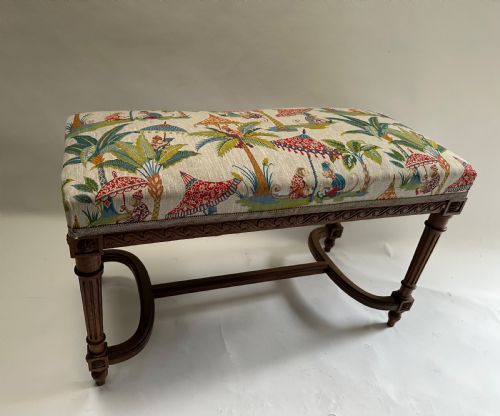
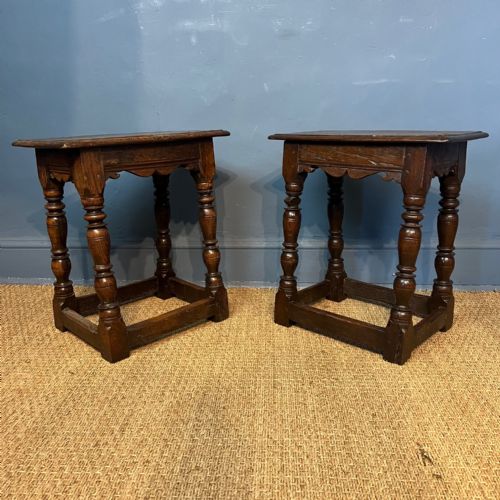
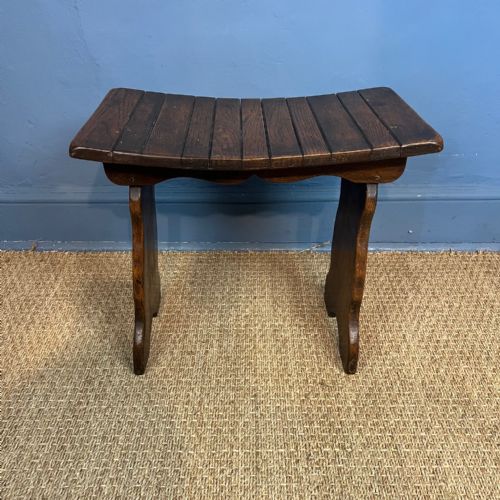
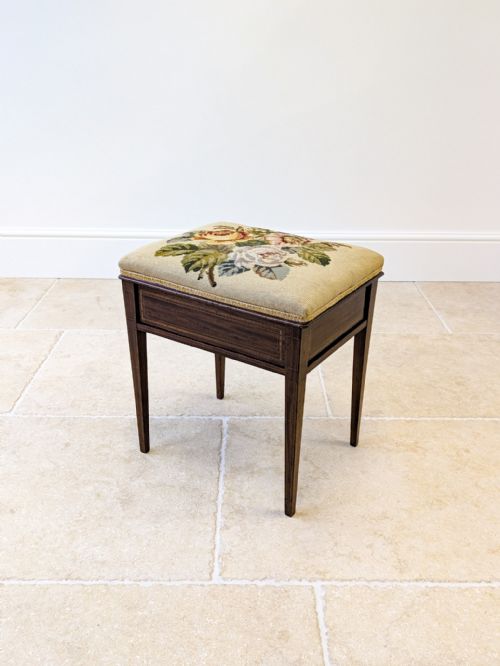
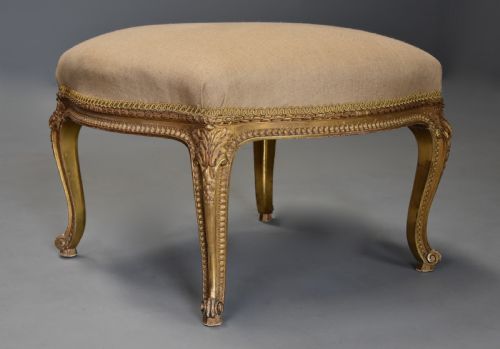
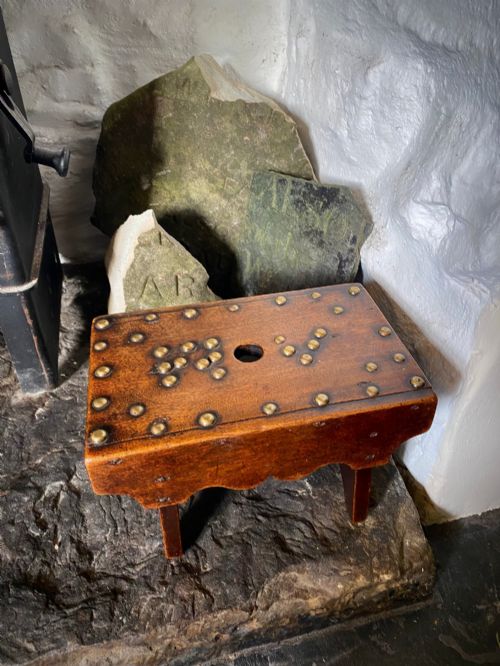
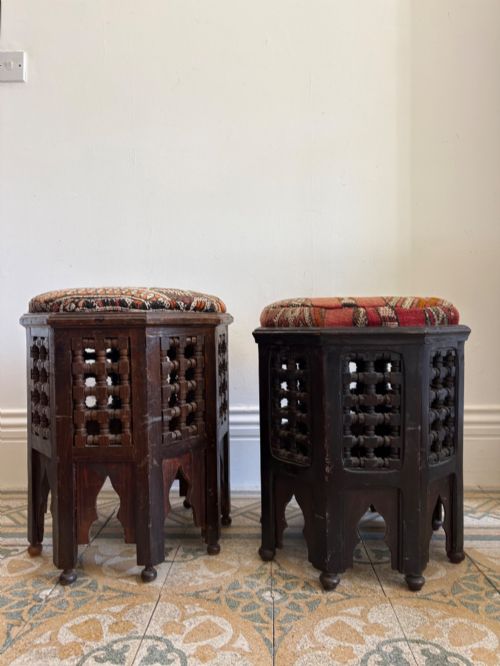
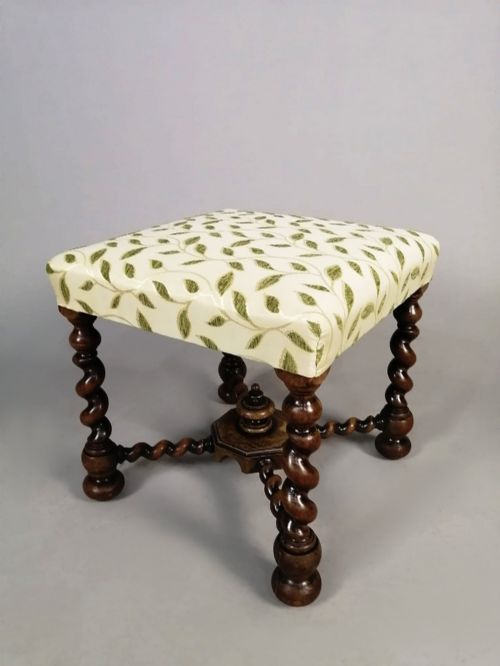
When searching for an antique wooden footstool, a buyer encounters a diverse group of low seating, from rustic vernacular milking stools to formal walnut dressing stools. The examples found here span centuries of British, European and continental design, reflecting shifting domestic habits and interior tastes.
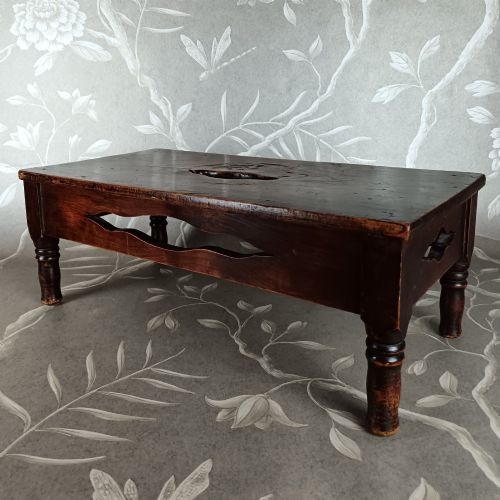
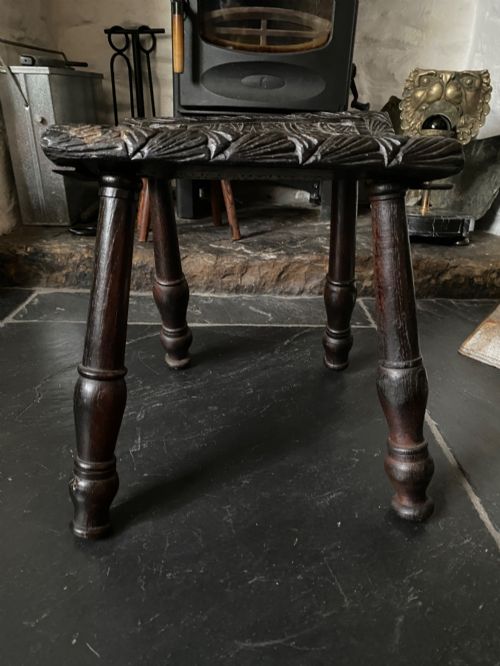
Most pieces meeting this description date from the nineteenth century and the Victorian era, alongside earlier Georgian specimens and twentieth-century interpretations. Forms vary from simple jointed oak construction to carved mahogany frames and painted pine window seats.
Origin and regional style shape the character of each piece, linking domestic country workshops with sophisticated urban cabinet makers. Selecting an antique wooden footstool means balancing period timber integrity with functional low seating requirements.
Materials and construction
Cabinet makers relied on native and exotic timbers such as oak, mahogany, walnut, elm and beech, shaping them with traditional joinery like mortise and tenon joints. Many pieces combine structural hardwoods with softer pine or sycamore for internal framing and secondary elements.
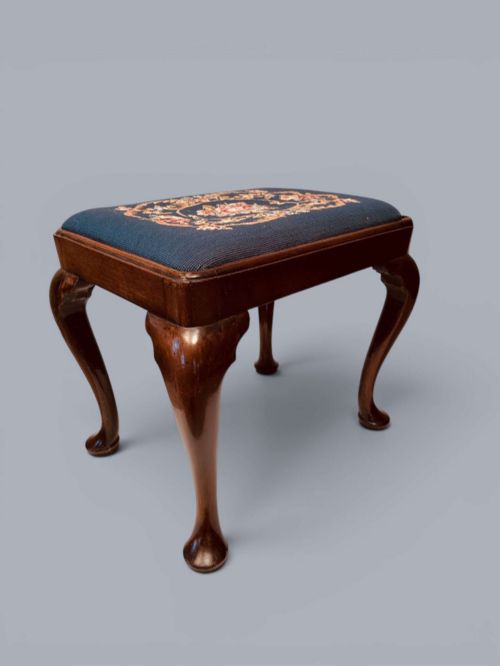
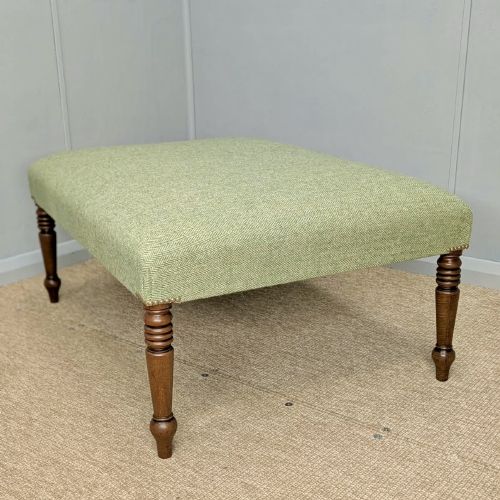
Upholstered variants incorporate webbing, stuffing and historic fabric coverings, while simpler wooden tops display patinated surfaces finished with wax or original paint layers. Turned legs, cabriole supports and carved ornamentation define the transition from robust vernacular pieces to refined stylistic revivals.
Antique Wooden Footstool Retail Price Guide 2026
Typical asking prices for wooden footstool among the pieces listed under this phrase on Sellingantiques today, from the lower quarter to the upper quarter. They describe what is for sale here now, not the wider market.
Several European milking stools arrive complete with their original ochre, yellow and green paint coats.
Distinguishing quality
Superior quality in these items rests upon timber selection, structural integrity and the crispness of any hand-carved detail. Dense hardwoods, well-proportioned legs and tight joints separate master cabinet work from simpler provincial joinery.
Original surface finishes, historic patination and untouched structural components elevate a piece above later replacements or heavy restoration. The harmony between the timber frame and the upholstery proportions dictates the visual success of the object.
Miles & Edwards
The Antique Wooden Footstool Glossary
- Joint stool
- A sturdy wooden stool constructed with mortise and tenon joints pegged together. These pieces date back to the seventeenth century and served multi-purpose household roles.
- Cabriole leg
- A furniture leg shaped with a double curve, typically swelling outward at the knee and tapering inward to a foot. This design appears frequently on eighteenth and nineteenth-century seating.
- Vernacular
- Everyday furniture made by local craftsmen using regional timbers rather than following high-style urban pattern books. These objects prioritise utility and local material availability.
- Patina
- The surface sheen and mellowing acquired by timber through decades of handling, polishing and exposure to light. It serves as a key indicator of age and authenticity.
- Curule
- An ancient X-frame chair or stool design featuring crossing curved legs. The form was revived during various nineteenth-century historicist movements.
Antique Wooden Footstool: Frequently Asked Questions
How do I date a wooden footstool?
Dating relies on identifying timber species, tool marks, joinery techniques and stylistic traits associated with specific periods like the Georgian or Victorian eras.
Secondary woods and structural fastenings also provide reliable clues to the decade of manufacture.
Were these stools used only for feet?
Historical low seating served multiple domestic functions, including resting feet, reaching high shelves or serving as impromptu fireside seating.
Many robust examples also functioned as milking stools or low work seats in agrarian settings.
How should I clean antique timber?
Maintain wooden surfaces by dusting with a dry cloth and occasionally applying traditional beeswax to nourish the historic timber.
Avoid modern liquid polishes, which can strip away original patination and damage dry finishes.
Can I reupholster an antique stool?
Reupholstering is common and often necessary to restore structural stuffing or match modern interior colour schemes.
Traditional methods and materials should be used where possible to preserve the integrity of the frame.