


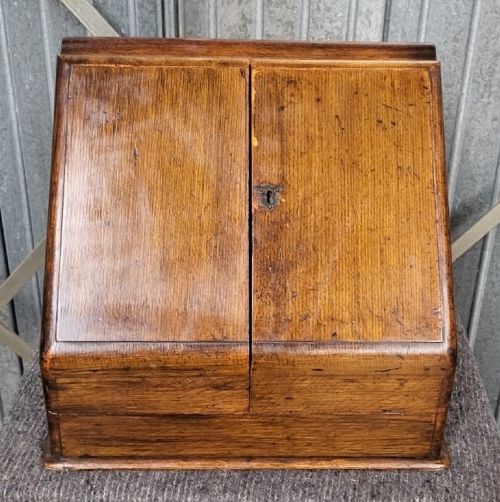
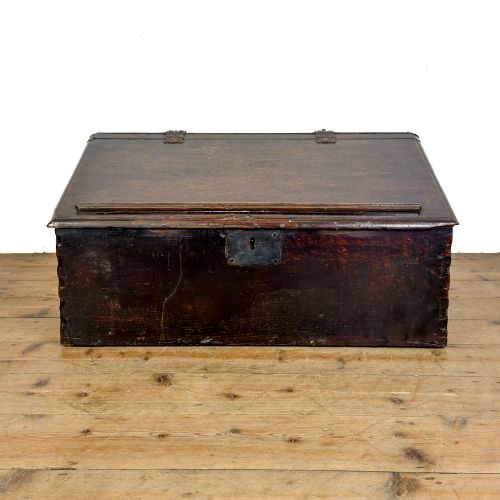
Antique Wooden Desk Slope
These antique wooden desk slope pieces offer portable writing surfaces and practical storage, combining period craftsmanship with traditional materials.
Understanding antique wooden desk slope forms
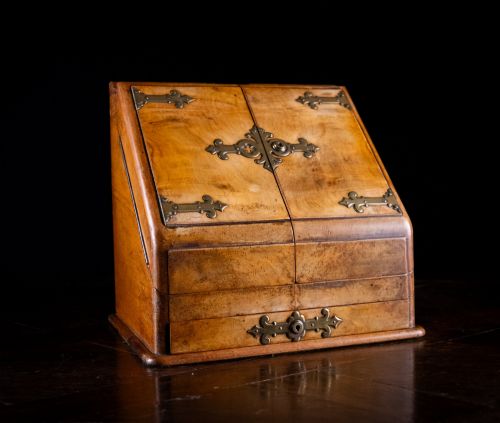
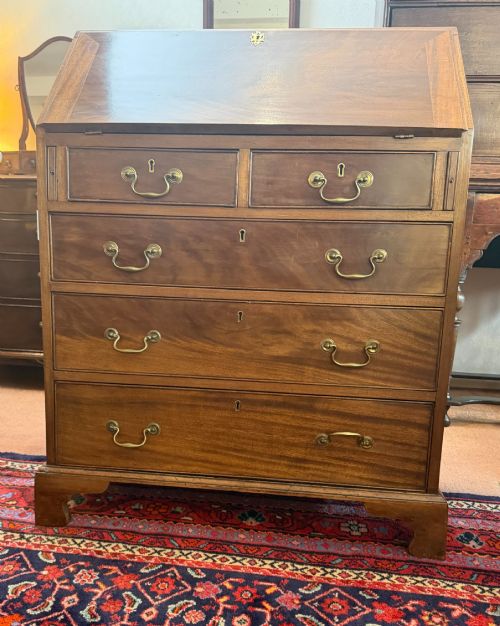
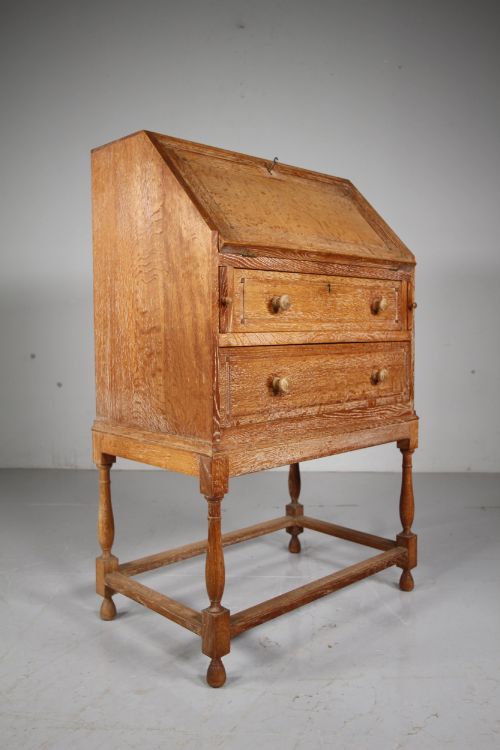
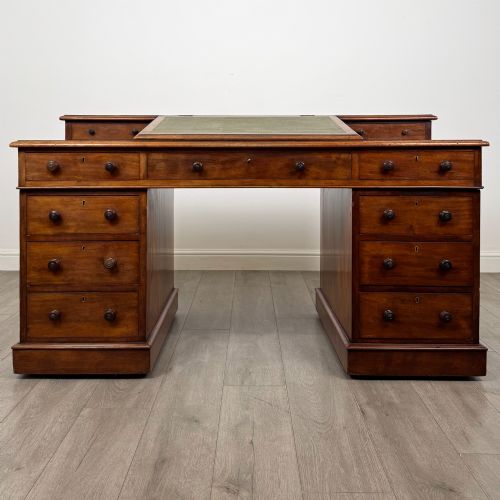
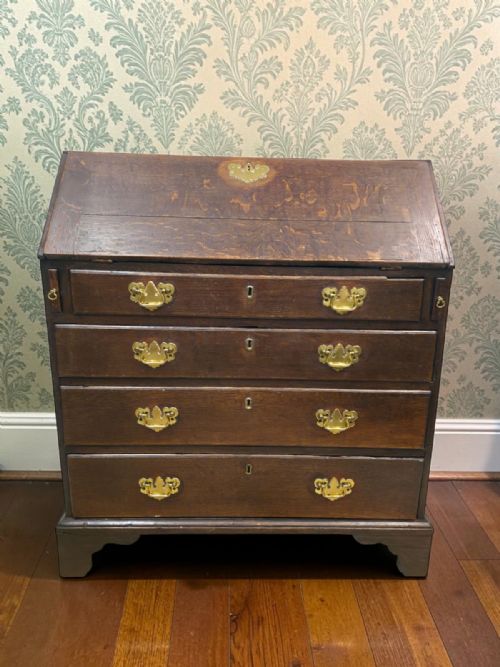
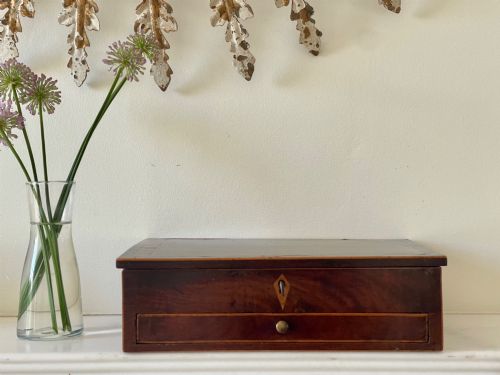
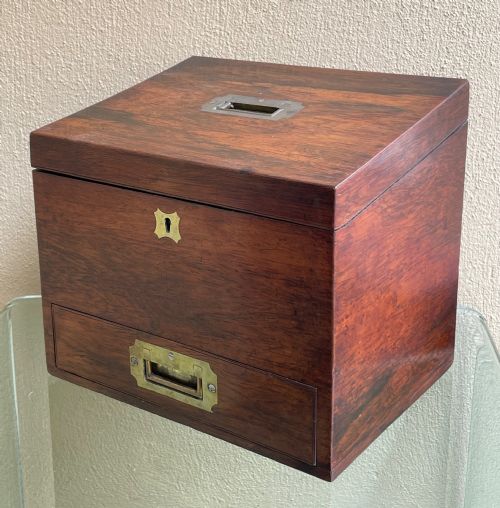
An antique wooden desk slope provides a sloping surface designed for correspondence and storage, appearing across several centuries of cabinet making. Buyers encounter formats ranging from simple oak boxes to sophisticated walnut writing slopes with fitted interiors.
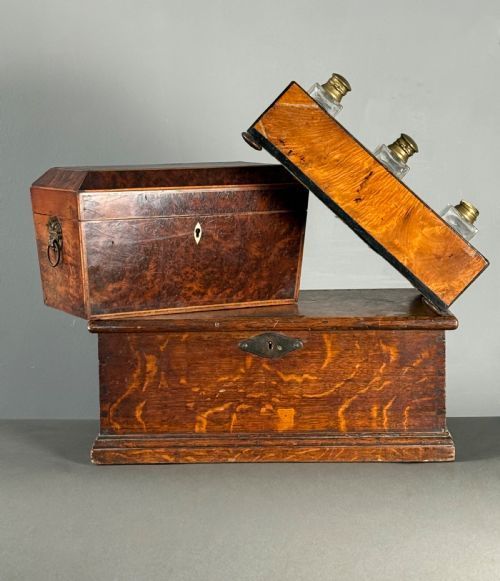
The selection includes specific variants such as bible boxes, stationery cabinets, and correspondence boxes. These items reflect the personal writing habits of earlier periods.
Origins span English, French, and American workshops, crossing styles from seventeenth-century Jacobean to Victorian and nineteenth-century French designs.
Materials and construction methods
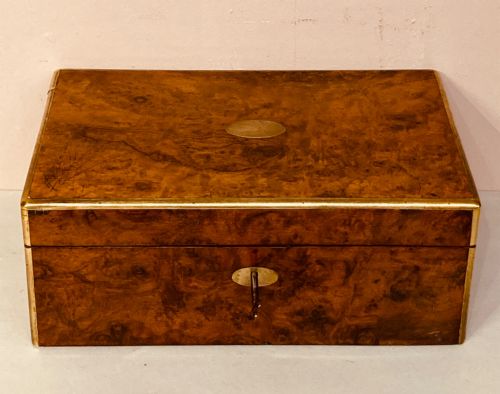
Cabinet makers utilise timbers such as oak, burr walnut, and figured walnut to construct these pieces. Grain patterns dictate the visual character of each slope, particularly in burr and figured walnut examples.
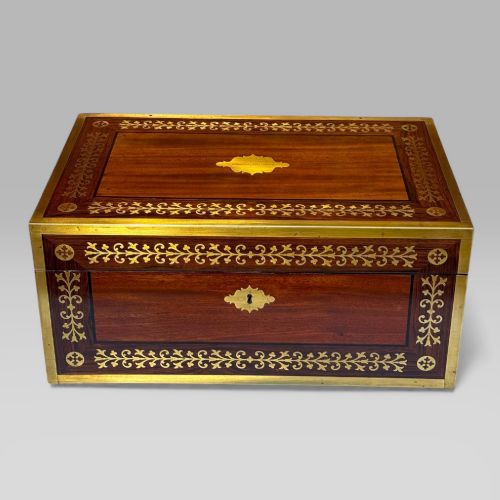
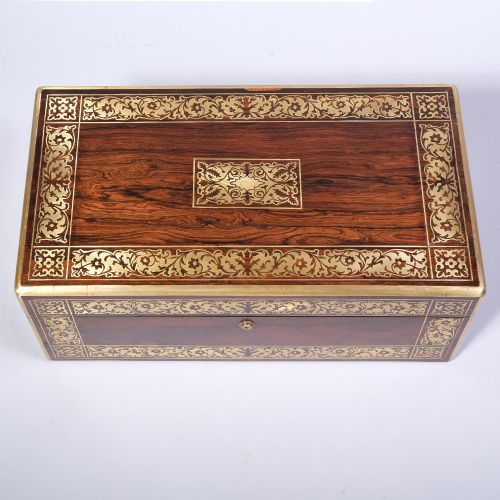
Metalwork elements including brass and iron provide structural reinforcement and decorative contrast. Inlaid brass details appear on nineteenth-century French pieces, while internal fittings often integrate leather or fabric linings.
Retail Price Guide 2026
Typical UK retail prices for wooden desk slope, calculated from the Sellingantiques database of over a million retail prices indexed since 2003. This retail price guide relies exclusively on Sellingantiques data; no external sources or auction records are used, so the figures do not describe the wider market.
Seventeenth-century box makers ensured family secrets stayed secure by hiding tiny secret drawers behind sliding panels.
Distinctions in quality and execution
Quality rests upon timber selection and the precision of the joinery. Superior examples display carefully matched veneers and robust internal partitioning rather than plain secondary woods.
Hardware integration distinguishes finer pieces, where brass inlays and hinges sit flush with the wood surface. The complexity of the interior compartment layout marks the distinction between standard utilitarian boxes and luxury writing slopes.
The Antique Wooden Desk Slope Glossary
- Writing slope
- A portable box with an angled lid that opens to reveal a flat or slanted surface for writing, alongside storage compartments for paper and ink.
- Bible box
- A sturdy wooden box from the seventeenth century or earlier, originally designed to store sacred texts and later utilised for general documents.
- Burr walnut
- A wood harvested from the burl growths of walnut trees, prized by cabinet makers for its intricate, swirling grain patterns.
- Stationery cabinet
- A desktop piece designed to hold writing paper, envelopes, and related desk accessories in upright compartments.
- Campaign writing slope
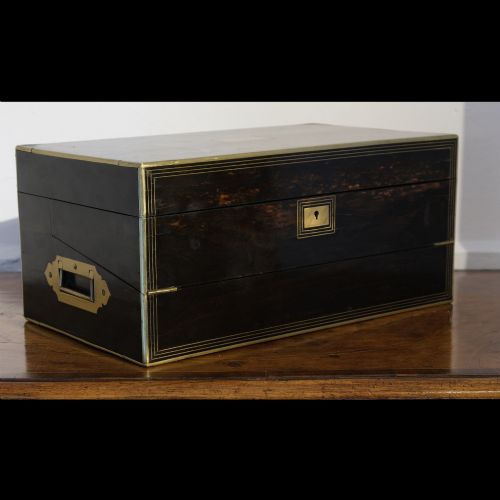
- A portable desk designed for travel, typically featuring brass binding and flush handles to withstand movement.
Frequently Asked Questions
How were desk slopes used historically?
Owners used these boxes to write letters, store important documents, and keep correspondence materials organised in one portable container. The angled lid provided an ergonomic surface for handwriting.
Many examples include hidden compartments for sensitive papers, reflecting the private nature of historical letter writing.
How do I date an antique slope?
Dating relies on timber choices, construction techniques, and hardware styles associated with specific periods like the seventeenth century, Georgian era, or Victorian times. Oak predominates in earlier boxes, while burr walnut and brass inlay become prominent in nineteenth-century examples.
Internal fittings and secondary woods also offer clues to the decade of manufacture.
Can I still use a desk slope today?
These pieces function well for modern letter writing, laptop organisation, or storing stationery on a contemporary desk. Their internal compartments accommodate modern pens and notepads.
Placing them on a sturdy table allows the sloping lid to serve its original purpose once again.