

Antique Wooden Desk Drawers
Antique wooden desk drawers are fitted storage components and writing furniture from past centuries, offering traditional craftsmanship and practical organisation for the modern study.
Antique Wooden Desk Drawers
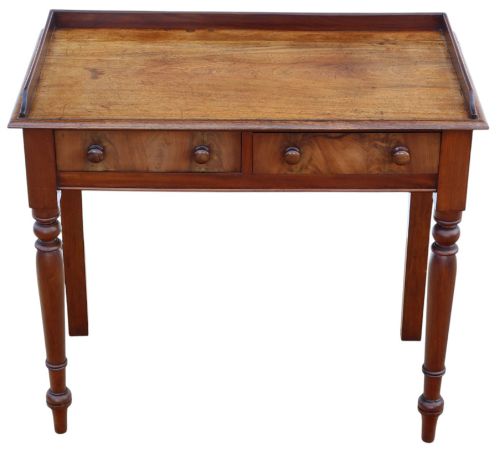
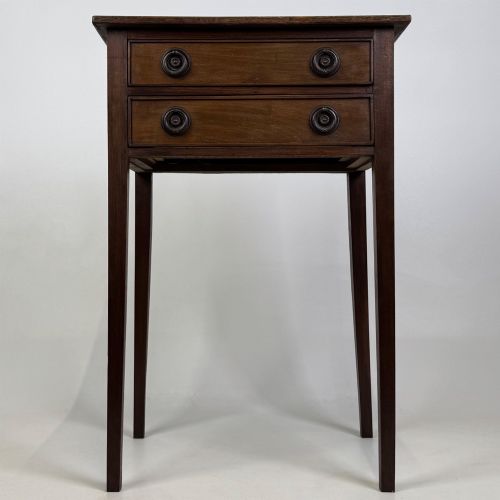
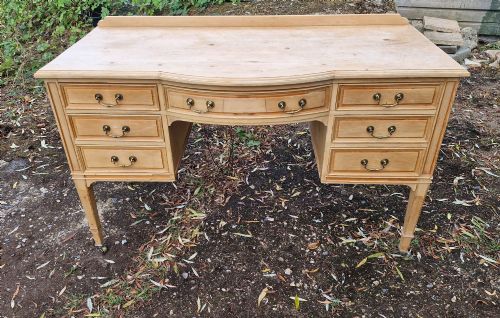
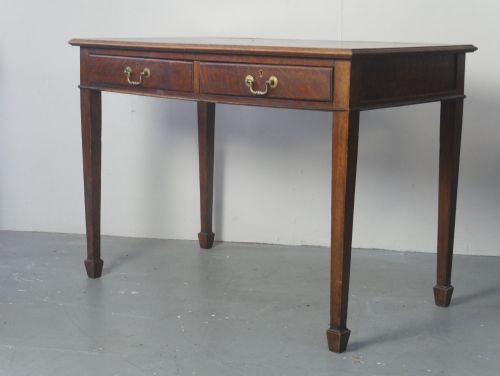
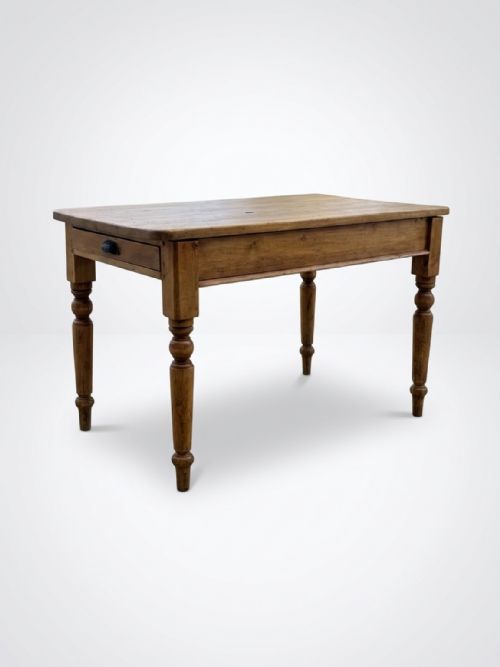
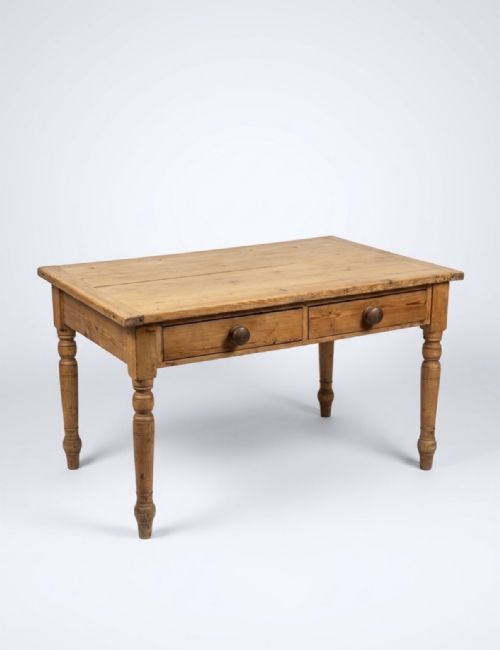
When you search for antique wooden desk drawers, you encounter a variety of forms including pedestal desks, writing tables, bureaux, and side tables equipped with functional storage compartments. These pieces originate from distinct periods such as the Georgian, Victorian, and Edwardian eras, spanning the seventeenth through to the early twentieth century.
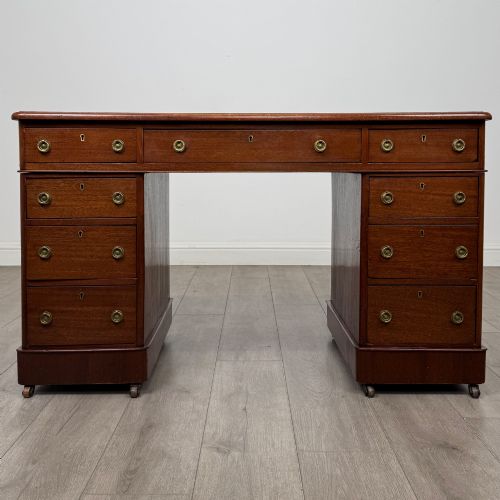
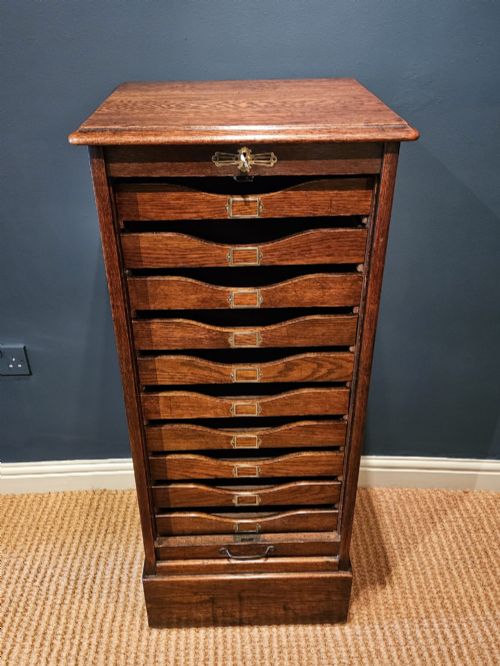
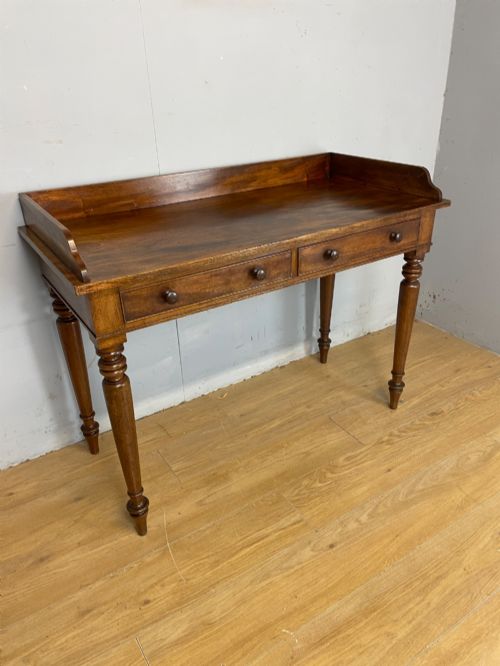
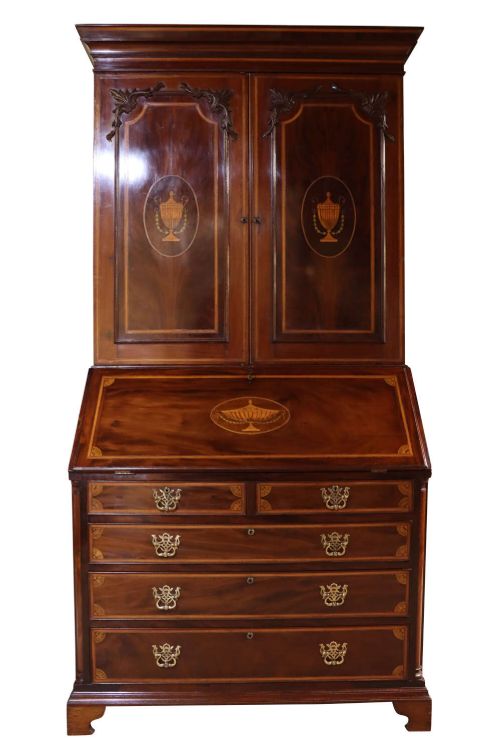
The version most commonly met on this page is the Victorian or Georgian mahogany writing table or pedestal desk, often featuring fitted stationery compartments, leather writing surfaces, and brass hardware. Alongside these large desks, smaller formats such as miniature furniture, table top chests, and filing cabinets appear frequently in oak, walnut, and pine.
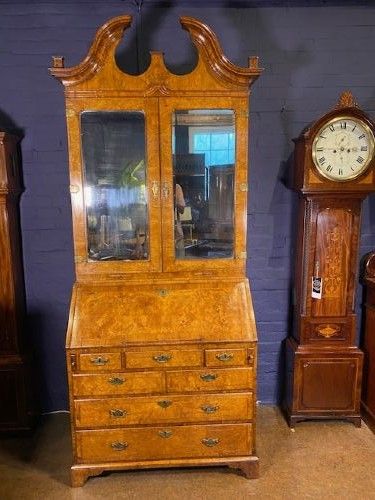
Makers and workshops of the past constructed these items to serve domestic and professional spaces, resulting in diverse configurations from simple single-drawer side tables to elaborate bureau bookcases. Each object reflects the prevailing style of its time, ranging from George III formality to Arts and Crafts utility.
Materials and construction methods
Cabinet makers utilised dense hardwoods such as mahogany, walnut, and oak alongside softer timbers like pine, elm, and fruit wood to build the carcases and drawers of these desks. Flame mahogany veneers and figured grain selections provided decorative surfaces on top-tier pieces, whilst brass handles, escutcheons, and leather inserts completed the functional design.
Joinery techniques relied on traditional hand-cut joints to ensure stability and smooth drawer operation across centuries of daily use. Secondary timbers were employed for internal drawer linings, and pieces often featured integrated writing slides or tambour fronts operated by wooden slats.
Listings feature pieces spanning from the 17th century through to the 1920s, constructed predominantly in mahogany, oak, walnut, and pine.
Distinctions in quality and execution
The standard of timber selection heavily dictates the division between ordinary utility items and exceptional pieces, with figured mahogany and finely grained walnut commanding greater regard. Grain matching across drawer fronts and the use of solid secondary woods rather than cheap substitutes signal superior workshop standards.
The finesse of the internal construction, including the tightness of the dovetails and the smooth gliding of the drawers within their carcases, separates the work of skilled cabinet makers from standard mass production. Original hardware, intact leather writing surfaces, and maker labels further elevate the standing of an individual desk or chest.
Heals of London·Hobbs & Co.
The Antique Wooden Desk Drawers Glossary
- Pedestal desk
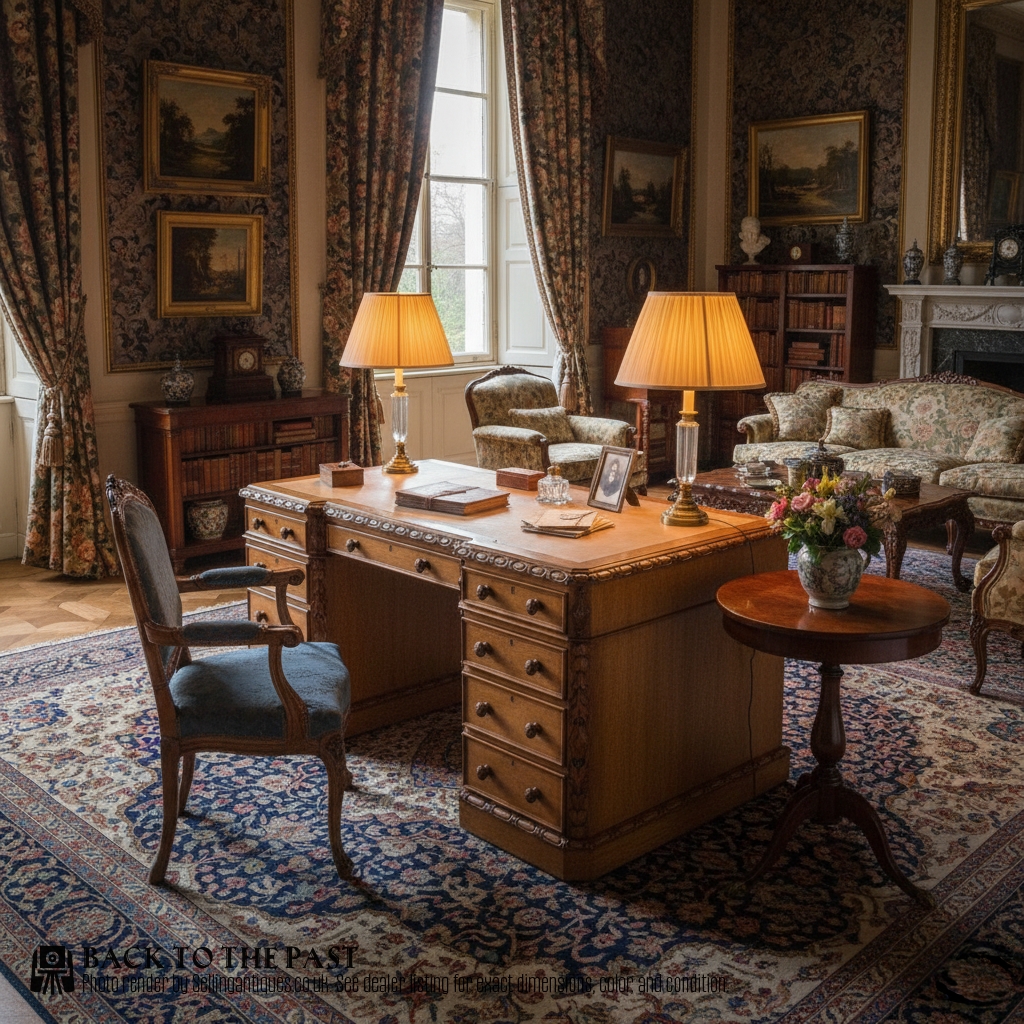
- A heavy freestanding writing desk comprising two supporting pedestals of drawers beneath a central desktop. This form often includes a modesty panel and fitted stationery compartments inside the top drawer.
- Bureau
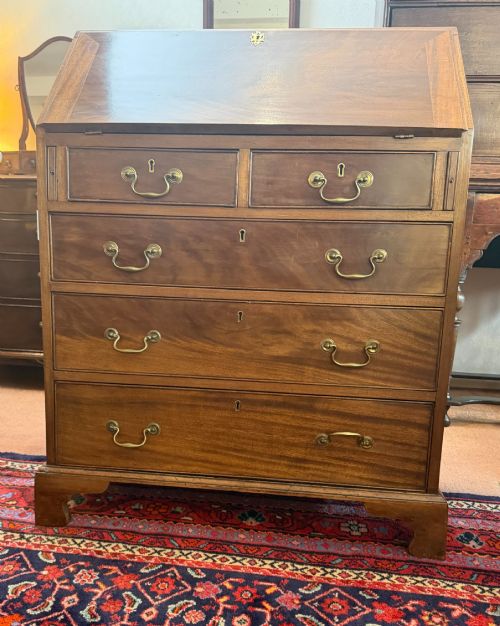
- A sloping front desk that opens to reveal a writing surface and small pigeonholes or drawers. Georgian and Victorian examples frequently stand upon bracket feet or drawer bases.
- Tambour
- A flexible sliding door formed of narrow wooden strips glued to a canvas backing. This mechanism allowed Edwardian cabinet makers to enclose filing cabinet compartments smoothly.
- Lowboy
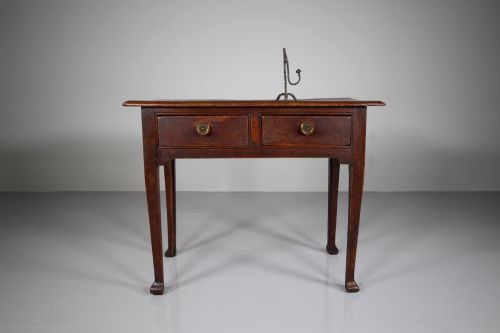
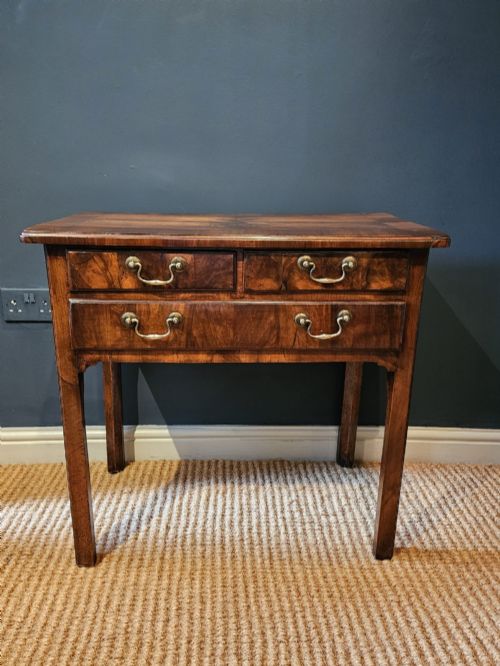
- A small eighteenth-century table with one or more rows of drawers, commonly used as a dressing table or side table. These pieces typically rest on slender cabriole or straight legs.
- Secretaire
- A piece of furniture incorporating a pull-down writing drawer disguised as a deep drawer. Inside, it conceals a fitted interior with small drawers and pigeonholes.
- Kneehole desk
- A compact desk featuring a central recess for the user's legs, flanked by banks of smaller drawers. They provide organised storage whilst maintaining a modest footprint.
Antique Wooden Desk Drawers: Frequently Asked Questions
How do I identify a Georgian desk?
Georgian desks typically display restrained classical proportions, solid mahogany or oak construction, and bracket or ogee feet. The internal drawer construction usually employs hand-cut dovetails and oak linings.
Hardware on these pieces consists of cast brass batwing handles or drop rings fixed with handmade pins. The overall aesthetic prioritises architectural symmetry and unadorned timber grain over heavy Victorian carving.
What is a tambour front?
A tambour front is a sliding shutter made from vertical wooden slats attached to a flexible fabric backing. It runs along a recessed groove to cover filing compartments or desk pigeonholes.
This clever mechanism became particularly popular during the Edwardian period for office furniture because it required no clearance space to open.
How were leather desk inserts used?
Leather desk inserts provided a smooth, durable writing surface that reduced glare and offered a pleasant tactile feel for correspondence and document drafting. Tooling with gold leaf around the perimeter added a decorative border.
Many antique desks retain their original distressed leather, whilst others have been sympathetically replaced with calfskin or sheepskin during restoration.
Can I use an antique desk daily?
Antique wooden desks and drawers are robustly constructed from seasoned hardwoods and tolerate regular daily use provided they receive appropriate care. Maintaining consistent indoor humidity prevents timber movement and shrinkage.
Applying quality beeswax polish preserves the finish, and avoiding excessive weight in small drawers ensures the historical joinery remains strain-free.