
Mid 19th Century Desk
When you search for a mid 19th century desk, you enter a world of timber and leather designed for correspondence.

Mid 19th Century Desk
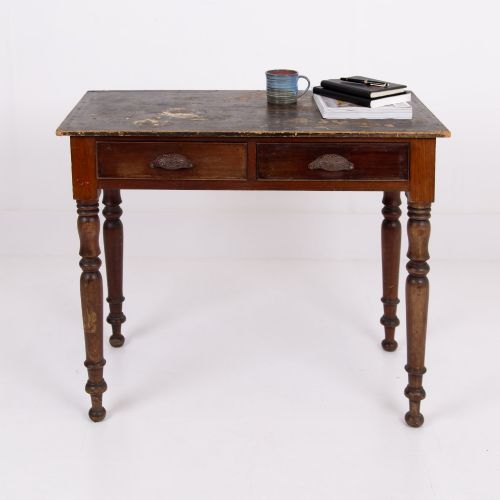
A mid 19th century desk encompasses forms ranging from compact writing tables and slope-front davenports to large pedestal partners desks. These pieces served the administrative needs of the Victorian era, utilising domestic and exotic timbers to furnish studies and libraries.
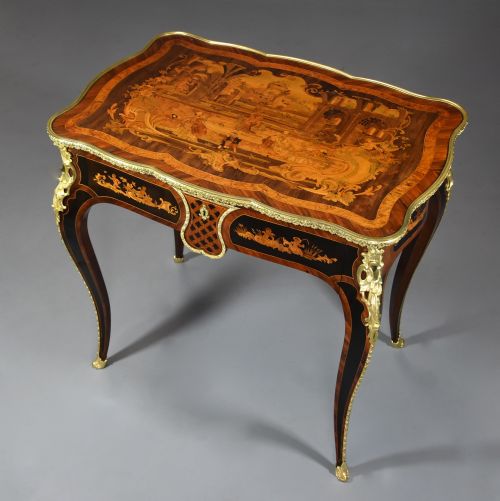
Mahogany dominates the surviving record, appearing in kneehole formats, pedestal designs, and freestanding tables. Walnut, burr walnut, and oak also surface regularly, while specialised compact forms like the davenport incorporate satinwood interiors.
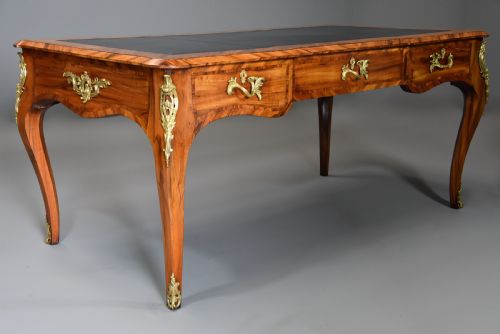
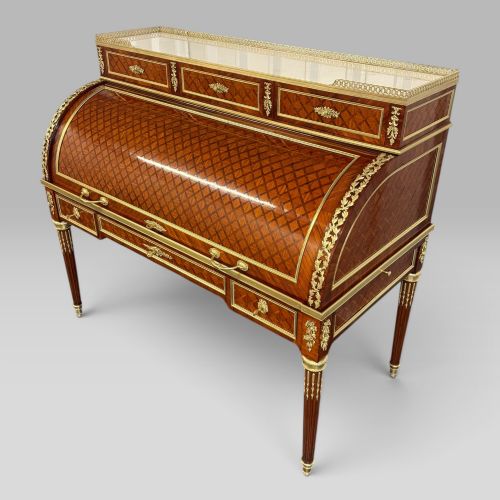
Buyers encounter both English vernacular interpretations and Continental expressions, including French bureau plat variants and cylinder desks. The selection reflects the varied domestic and professional workspaces of the period.
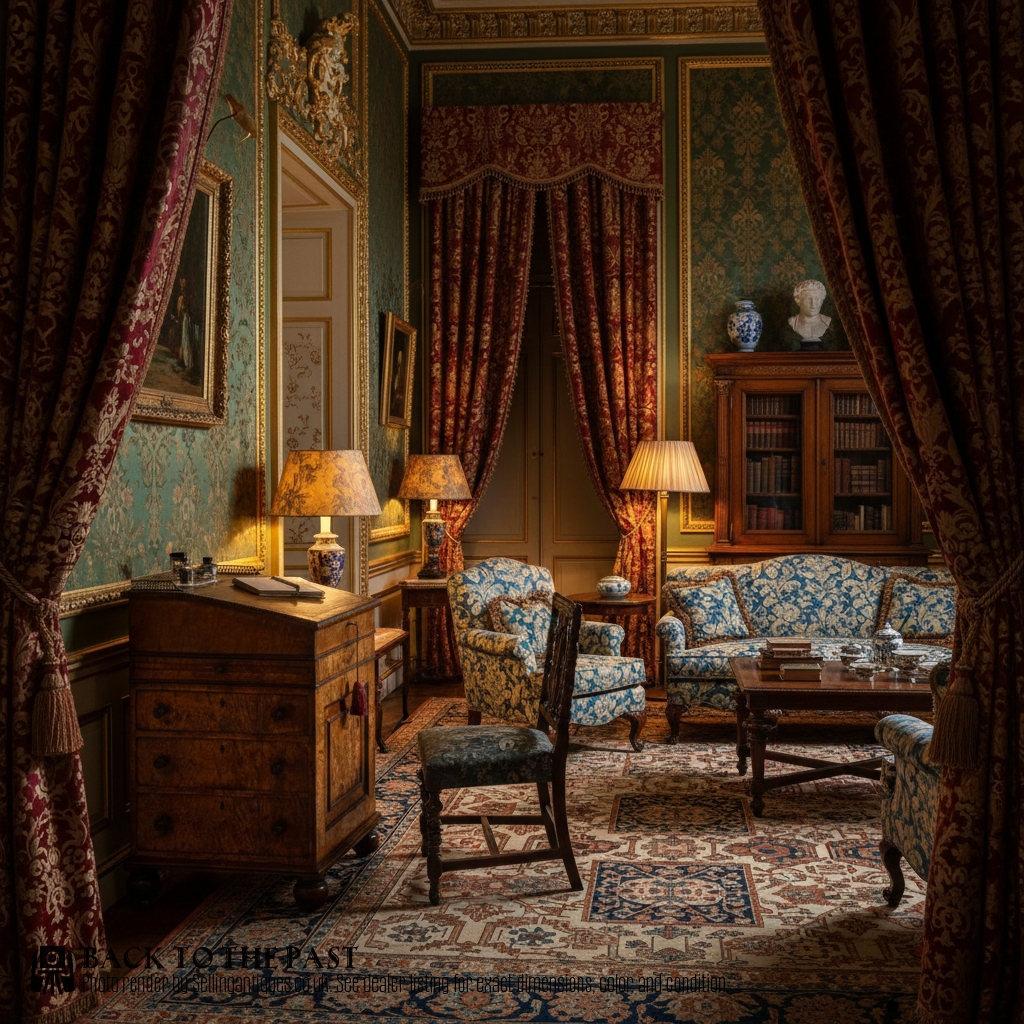
Materials and construction methods
Cabinetmakers built these desks around solid frames of mahogany, oak, or walnut, frequently applying veneers such as burr walnut or amboyna to primary surfaces. Drawer construction typically relied on hand-cut dovetails, demonstrating the persistent standards of nineteenth-century joinery.
Writing surfaces were frequently inset with tooled leather panels, framed by banded or cross-banded veneers. Secondary timbers such as pine or deal often form the interior drawer linings and backboards.
Metal mounts in brass or ormolu appear on decorative examples, particularly those influenced by French styles. Hardware ranges from turned wooden knobs to cast brass drop handles and specialised locking mechanisms.
Mid 19th Century Desk Retail Price Guide 2026
Typical asking prices for mid 19th century desk among the pieces listed under this phrase on Sellingantiques today, from the lower quarter to the upper quarter. They describe what is for sale here now, not the wider market.
Several writing surfaces come paired with secret compartments and hidden spring-loaded drawers designed to safeguard private correspondence.
Distinctions in construction and timber selection
Quality separates pieces through the choice of timber figure, such as richly marked burr walnut or carefully matched mahogany veneers, versus plain or secondary woods. Grain alignment across drawer fronts and the symmetry of cross-banding indicate the maker's investment of time and material.
Internal engineering distinguishes standard utility pieces from high-status items, visible in smoothly operating mechanisms, secondary drawer compartments, and solid timber framing rather than thin laminates. Maker stamps from established cabinetmakers provide further evidence of workshop pedigree.
The survival of original surface patination and hardware without extensive timber replacement determines the integrity of an example. Fine proportional balance in smaller writing tables and pedestal forms separates considered design from repetitive manufacturing.
Antoine Louis Barye·J And T Scott·S And H Jewell
The Mid 19th Century Desk Glossary
- Partners desk
- A large pedestal desk designed to be used from both sides simultaneously, featuring matching banks of drawers or cupboards back-to-back. These pieces accommodated two working individuals in a library or administrative office.
- Davenport
- A compact writing desk featuring a sloping, leather-lined lid above a pedestal of side drawers. The form typically includes a stationery compartment on the upper section.
- Kneehole desk
- A pedestal desk featuring a central recessed space for the user's legs, flanked by two vertical banks of drawers. This layout became standard for domestic studies during the nineteenth century.
- Bureau plat
- A freestanding French writing table featuring a rectangular top inset with leather, usually raised on cabriole or tapering legs. These tables often incorporate bronze or ormolu mounts along the frieze.
- Cylinder desk
- A writing desk featuring a quarter-cylinder rolling shutter that conceals an internal arrangement of pigeonholes and small drawers. When closed, the mechanism protects the writing surface and correspondence.
Mid 19th Century Desk: Frequently Asked Questions
What is a partners desk?
A partners desk is a large pedestal writing table built with drawers and cupboards on both opposing sides. This configuration allowed two people to work facing each other across a single shared piece of furniture.
These desks were traditionally placed in the centre of a library or large study rather than pushed against a wall. Their substantial proportions and finished sides made them prominent fixtures in Victorian professional and domestic spaces.
How do I identify a davenport?
A davenport is a compact writing desk characterised by a sloping, hinged top inset with leather for writing. The main body consists of a pedestal with drawers opening to the side rather than the front.
Most examples also feature a small stationary box attached to the top rear surface. This space-saving design became popular for domestic correspondence in smaller rooms.
What woods were used for these desks?
Mahogany served as the primary timber for the majority of nineteenth-century desks, valued for its stability and deep colour. Walnut, burr walnut, oak, and amboyna also appear frequently across different decorative styles.
Secondary woods such as pine and ash were utilised for hidden structural elements and drawer linings. Veneers were often selected for distinctive grain patterns on primary exterior surfaces.
Where should I place a pedestal desk?
Freestanding pedestal desks are designed to sit away from walls so that the finished back and sides remain visible. Placing the desk in the middle of a room allows access to all drawer banks and preserves the balance of the furniture.
Ensure adequate clearance around the piece for chair movement and drawer access. Room lighting should complement the leather writing surface and polished timber grain.