
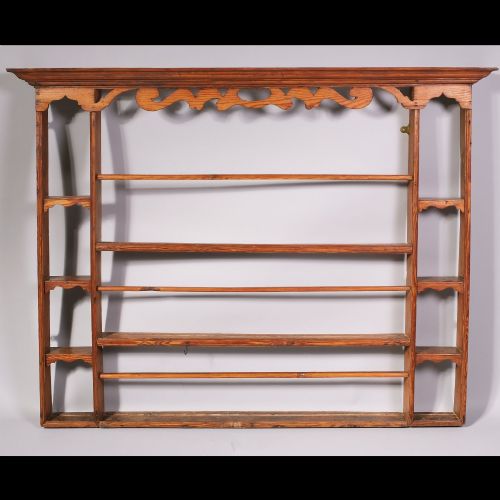
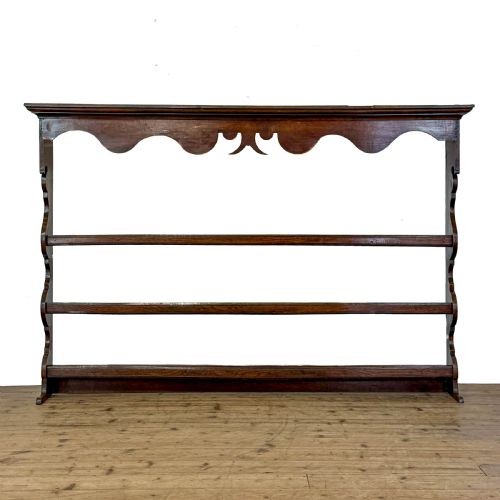


Antique Wooden Delft Rack
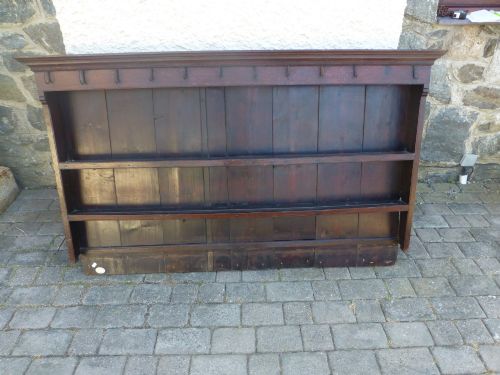
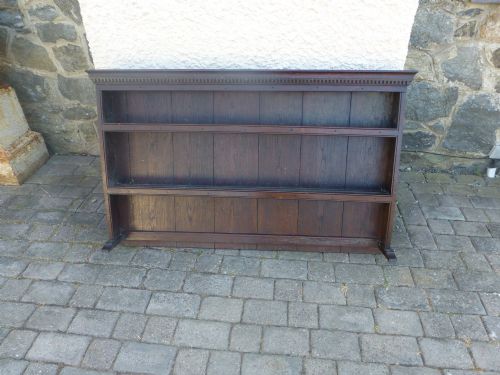
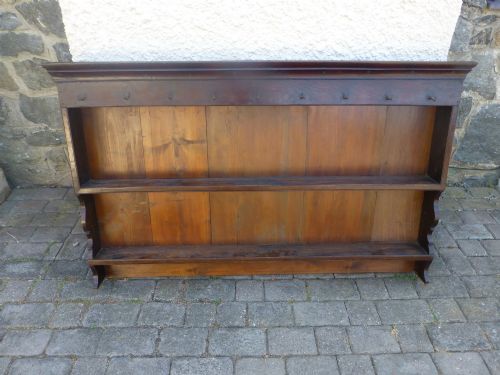
These antique wooden delft rack examples bring authentic character to country kitchens, holding historic ceramics securely against panelled walls.
Antique Wooden Delft Rack
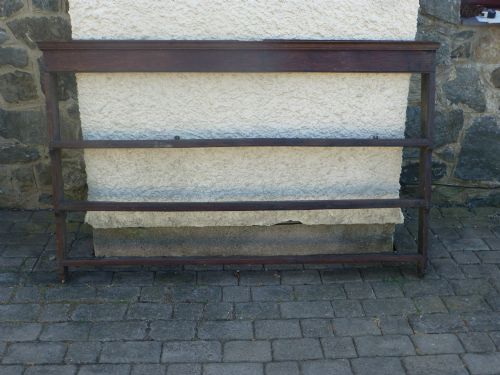
An antique wooden delft rack is primarily found in forms such as plate racks, wall shelves, and dresser racks. These pieces were designed to display and store earthenware plates safely in domestic settings.
The versions most commonly met on this page date from the eighteenth century, alongside occasional seventeenth and nineteenth century examples. Oak and pine predominate among the surviving timber forms.
Stylistically, these pieces draw heavily on Georgian and English country traditions. Their straightforward construction reflects practical domestic utility rather than courtly display.
How they were made
Joiners constructed these racks predominantly using solid oak and pine, sometimes incorporating walnut, fruitwood, and decorative inlay or carving. Iron components occasionally appear for structural reinforcement or hanging.
Workshops relied on traditional timber framing methods to support the weight of heavy ceramic plates. Surfaces show the marks of hand planing and simple joining techniques suited to vernacular furniture.
Some country makers incorporated classical Corinthian columns into simple oak kitchen racks, proving that rural joiners loved a touch of grand architecture.
What varies in quality
Quality rests on the selection of timber and the survival of original surface patination. Pieces retaining their early boarded backs and unreplaced structural elements command greater appreciation among collectors.
Design sophistication also sets examples apart, ranging from plain utilitarian wall shelves to racks featuring architectural details like columns or marquetry work.
The Antique Wooden Delft Rack Glossary
- Delft rack
- A wall-mounted or dresser-top wooden shelving unit specifically designed for displaying ceramic plates. These fixtures formed a central visual feature in historic kitchens.
- Dresser rack
- The upper superstructure of a kitchen dresser, adapted for plate display. It attaches either to a base cabinet or directly to the wall.
- Marquetry
- The art of applying small pieces of veneer to a structure to form decorative patterns. This technique appears on select nineteenth century examples.
- Corinthian columns
- Classical architectural supports occasionally utilised as decorative side elements on finer vernacular furniture. They reflect the ambition of country makers adopting high-style motifs.
Antique Wooden Delft Rack: Frequently Asked Questions
What is an antique wooden delft rack?
An antique wooden delft rack is a wall-mounted shelving unit designed to display plates and earthenware.
These functional fixtures were standard in historic kitchens for daily tableware storage.
How were these racks used historically?
Households used them to store and air dry ceramic plates safely between meals.
The grooved shelves and front retaining rails kept heavy dishes from sliding forward.
What woods were used for them?
Carpenters primarily built these racks using native timbers such as oak and pine.
Secondary woods like fruitwood and walnut occasionally appear in decorative elements or inlay.
How do I date a delft rack?
Dating relies on assessing construction methods, timber choice, and surface wear patterns.
Eighteenth century examples show vernacular joinery techniques distinct from later nineteenth century production.
Can I hang one on modern walls?
Yes, provided the fixings are secured firmly into wall studs or masonry.
Historic racks are heavy, especially when loaded with ceramics, so proper weight distribution is essential.