


Rustic Oak Plate Rack
A rustic oak plate rack brings warmth to a kitchen wall, holding crockery where you can reach it every day.
Rustic Oak Plate Rack
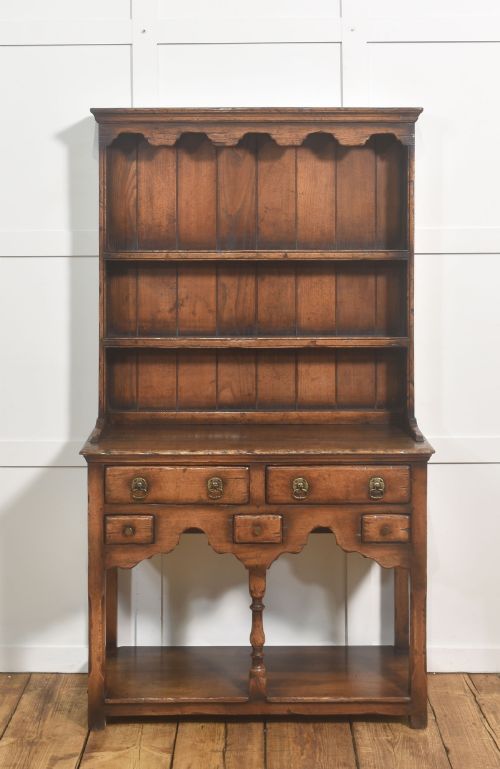
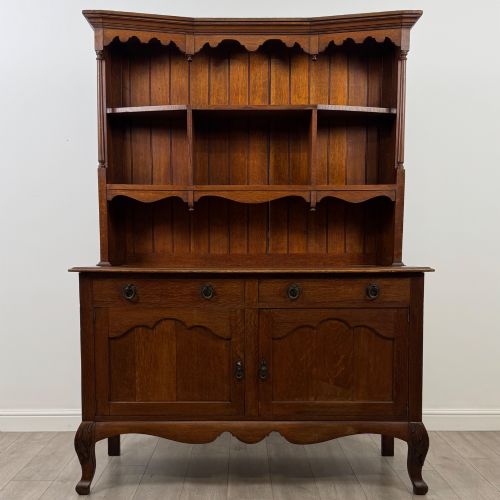
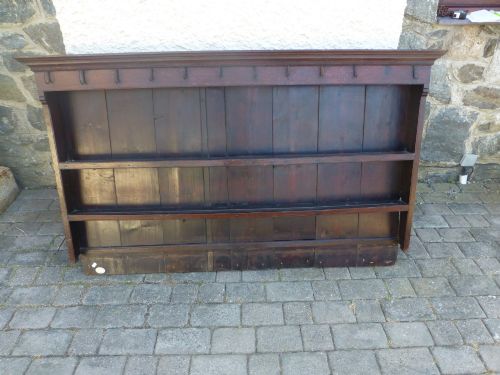
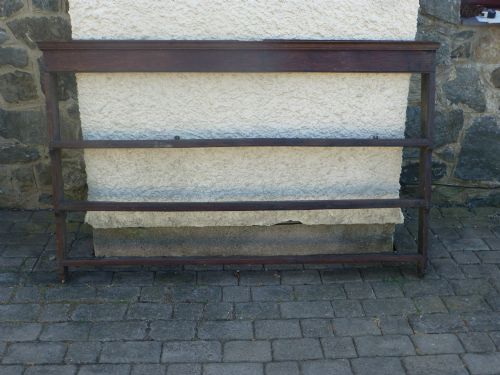
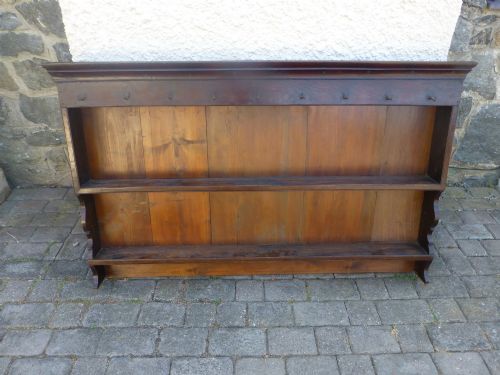
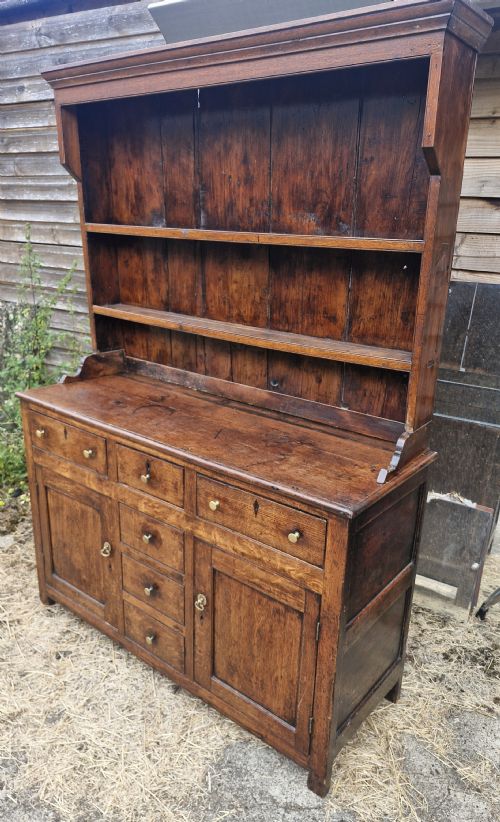
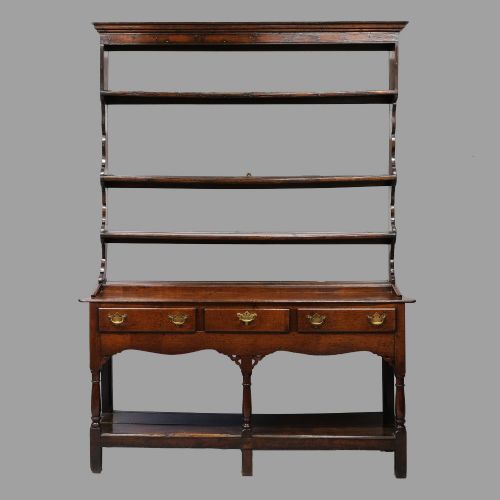
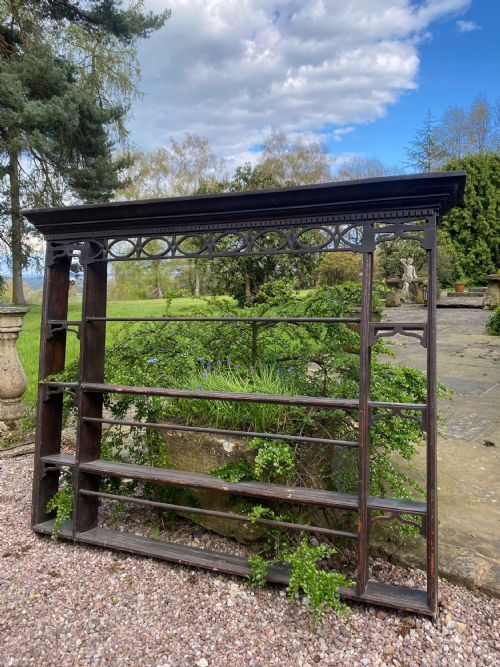
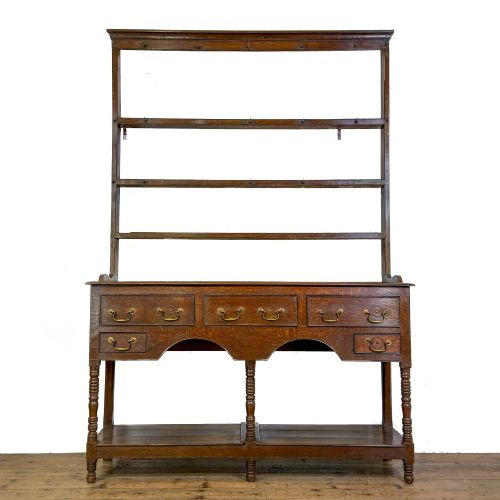
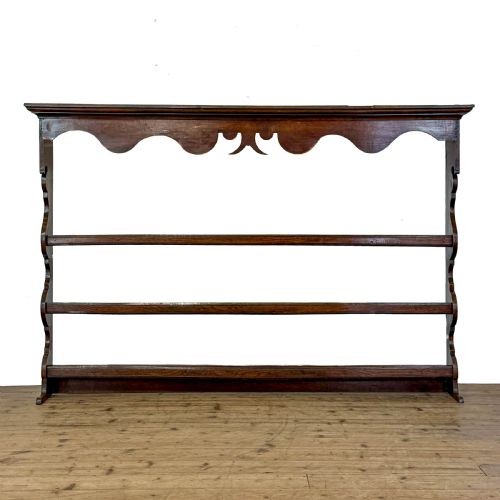
A rustic oak plate rack is a functional wall-hung or dresser-mounted shelf designed to display and dry plates in a kitchen or dining space. These pieces range from simple open-backed wall hanging shelves to the upper sections of substantial Welsh dressers.
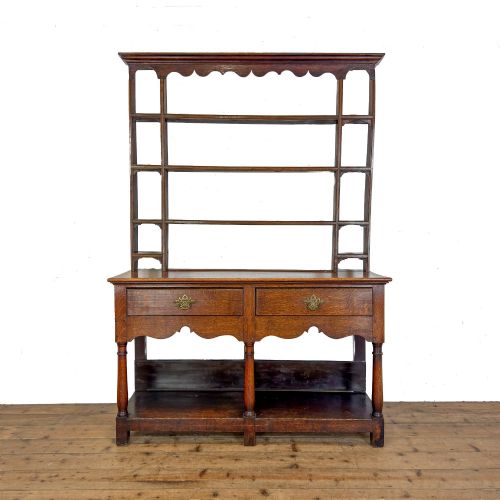
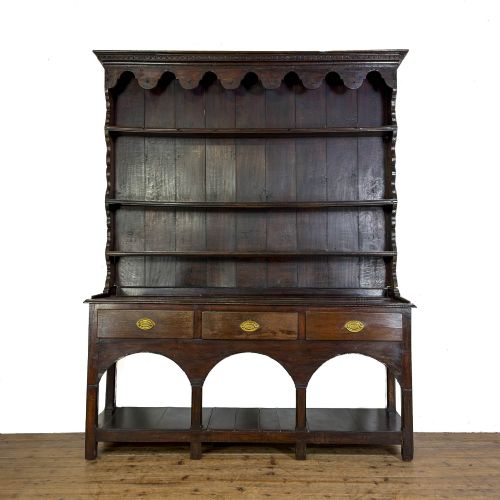
You will most frequently meet pieces originating from the eighteenth and nineteenth centuries, often categorised under Georgian and English country styles. They appear either as standalone wall racks or paired with cottage bases and potboards.
The format is straightforward, featuring grooved plate rails and vertical slats to keep dishes secure. They reflect the domestic needs of rural homes where kitchen storage had to be both accessible and robust.
Materials and construction
Makers relied primarily on native oak, sometimes augmented with secondary timbers like pine or mahogany, shaped with hand tools to build sturdy uprights and shelves. Iron and brass fixings, including hinges and hanging brackets, provide structural support and fastening.
Surfaces often show the natural grain of golden, stained, or honey-toned oak, developed through decades of polishing and everyday use in country kitchens. Construction relies on traditional joinery techniques such as pegged joints and housing dadoes to bear the weight of heavy ceramic plates.
Rustic Oak Plate Rack Retail Price Guide 2026
Typical asking prices for rustic oak plate rack among the pieces listed under this phrase on Sellingantiques today, from the lower quarter to the upper quarter. They describe what is for sale here now, not the wider market.
The listings span multiple centuries, incorporating oak, mahogany, pine, brass, and iron across Georgian, Victorian, and Arts and Crafts styles.
Evaluating craftsmanship and proportion
Quality rests in the balance of proportions and the integrity of the timber selection, where finer pieces display well-figured grain and tight, uncompromised joinery. The thickness of the shelf boards and the delicacy of the moulding distinguish standard utility pieces from finer country house examples.
Wear tells a story, but structural soundness in the plate rails and backboards marks the difference between a rack that has survived utility use intact and one that requires extensive intervention. Original brass or iron hardware also elevates a piece, as does the retention of a rich, undisturbed surface patina.
The Rustic Oak Plate Rack Glossary
- Potboard
- A lower slatted shelf beneath a dresser base traditionally used for storing pots and pans. It forms an integral part of many traditional country kitchen arrangements.
- Delft rack
- An open wall-mounted shelving unit specifically designed for displaying ceramic plates and platters. The term stems from the practice of showing off imported tin-glazed earthenware.
- Breakfront
- A piece of furniture featuring a central section that projects forward from the flanking sections. This configuration adds architectural depth to larger dresser bases and storage units.
- Arts and Crafts
- A design movement valuing traditional craftsmanship and simple forms over mass production. Pieces from this period often display honest construction and stripped-back oak surfaces.
Rustic Oak Plate Rack: Frequently Asked Questions
How do I hang a heavy oak plate rack safely?
Secure the rack directly into wall studs or masonry using appropriate heavy-duty brackets that can bear the combined weight of the timber and ceramic plates.
Distribute the weight evenly across the fixing points to ensure the structure remains stable against the wall over time.
Are these racks suitable for modern plates?
Most historic racks feature shallow grooves designed for older, thinner ceramics rather than thick modern stoneware. Check the depth of the plate channels before placing heavy or contemporary dinnerware on display.
Smaller side plates and saucers generally fit standard historical shelf spacings without sliding forward.
How do I clean and maintain antique oak?
Dust the timber regularly with a dry, soft cloth and avoid modern silicone polishes that build up a sticky residue over the grain. Feed dry oak occasionally with a traditional beeswax to preserve the natural lustre.
Keep the rack away from direct heat sources and damp walls to prevent the timber from warping or splitting.
How can I tell an eighteenth-century rack from a later copy?
Examine the backboards and fixing methods for hand-sawn marks, irregular widths, and hand-forged iron nails that indicate period manufacture. Later reproductions often display uniform machine milling and modern screw fixings throughout.
Wear patterns around the plate rails should align naturally with generations of dishes being lifted in and out.