
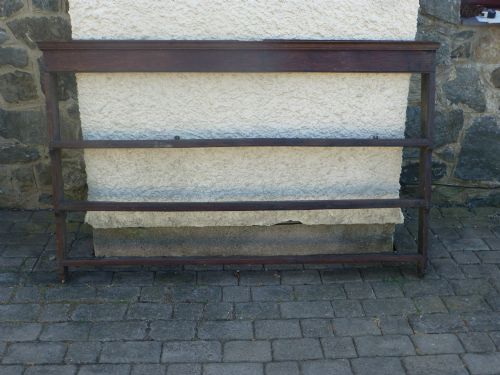
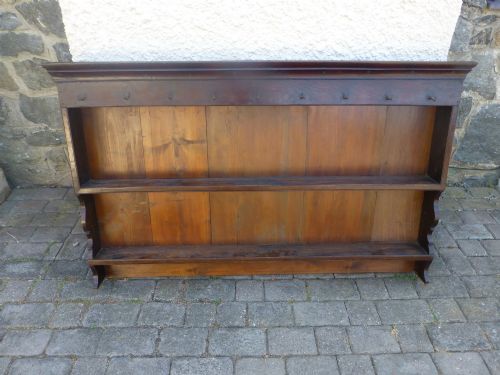

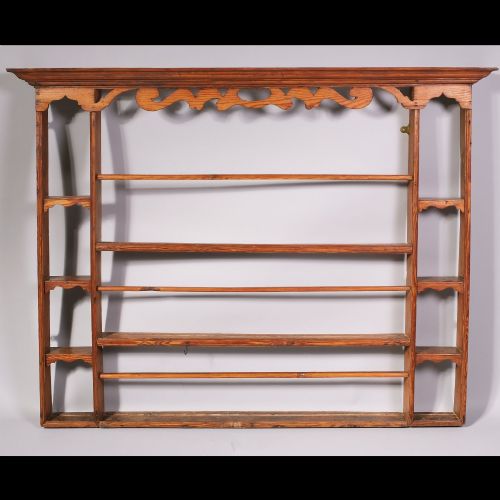
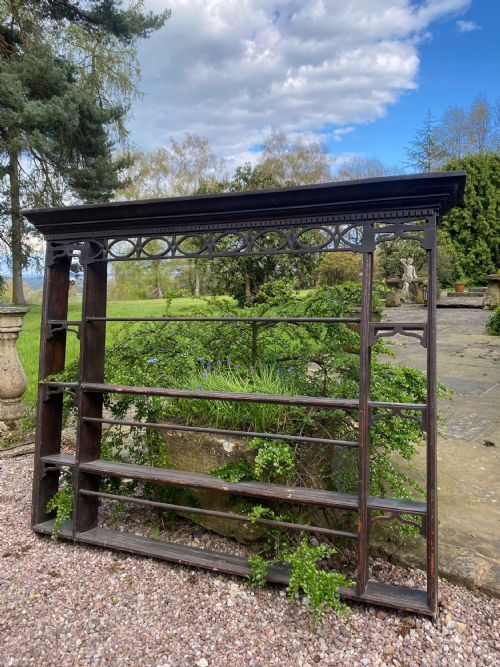


Wall Mounted Plate Rack
A wall mounted plate rack organises crockery in plain sight, bringing practical display and sturdy timber structure straight to your kitchen.
Understanding wall mounted plate rack designs
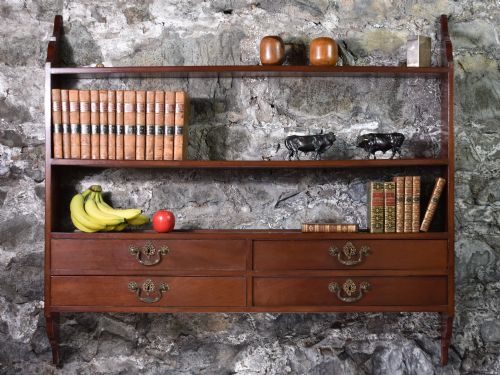
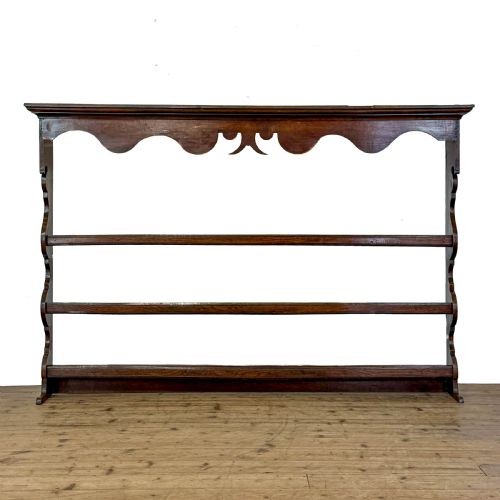
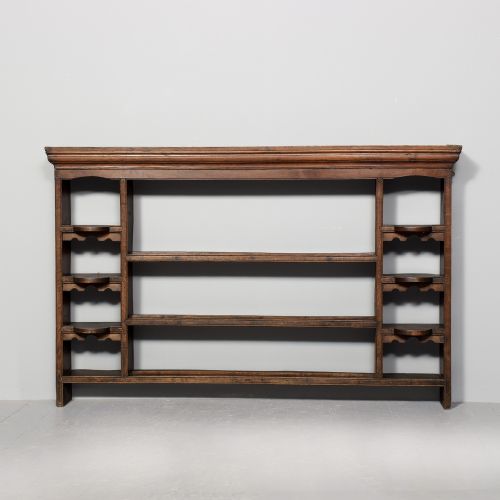
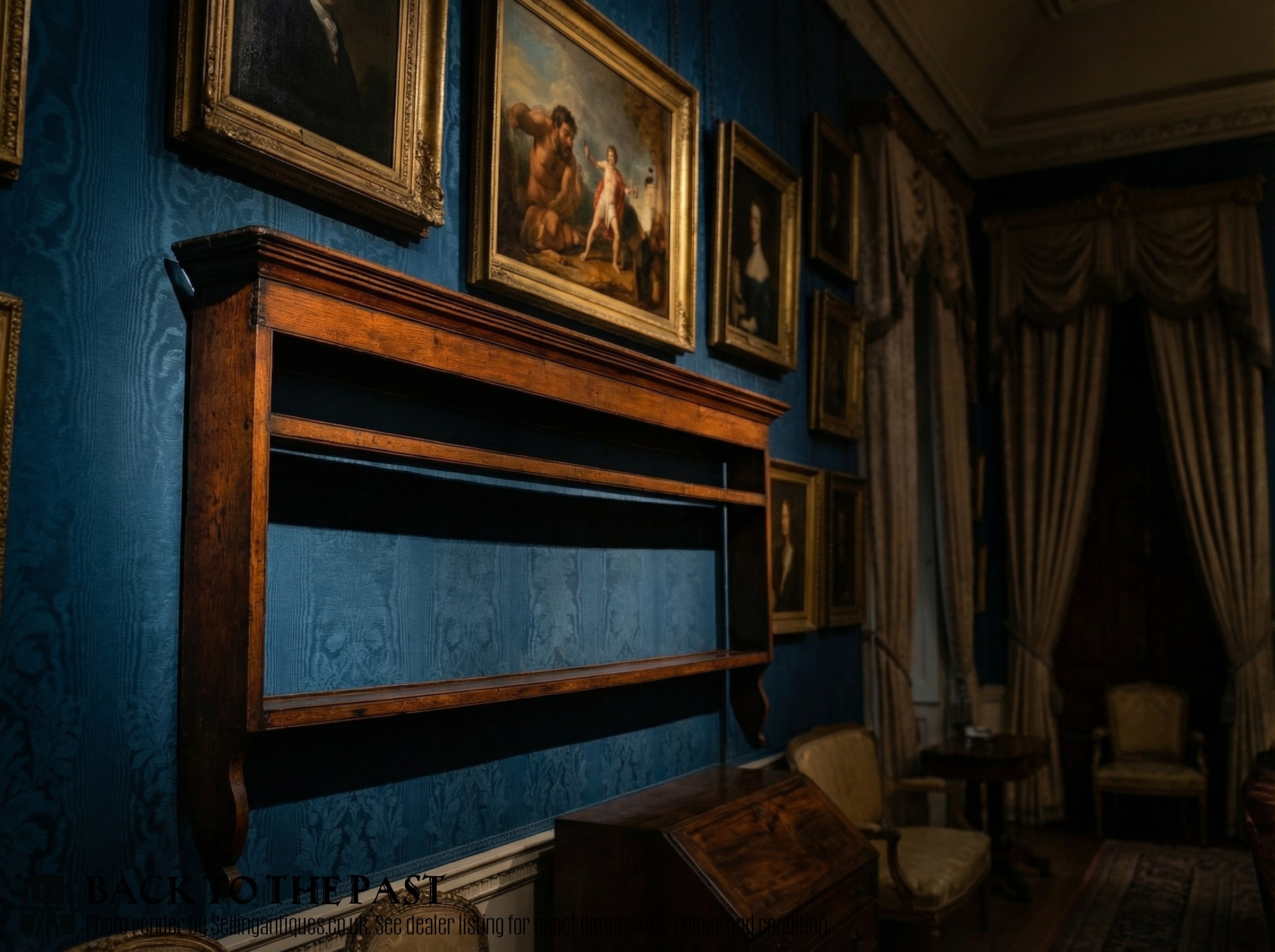
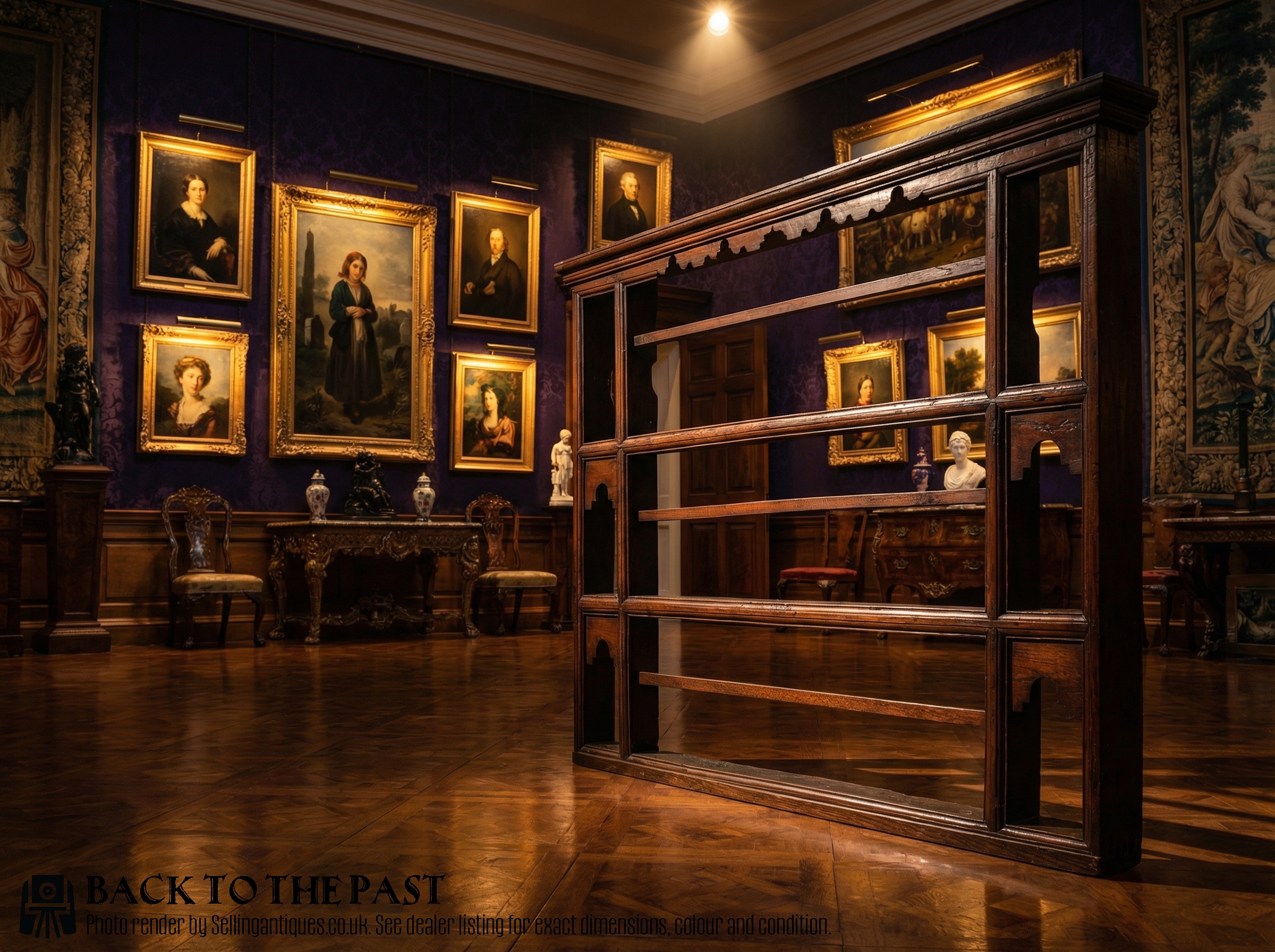
A wall mounted plate rack is a functional hanging furniture piece designed to hold and display dishes securely against a vertical surface. The examples gathered under this search phrase span the eighteenth and nineteenth centuries, including Georgian and various country styles.
The physical forms present on this page range from simple pine and oak plate racks to more elaborate examples featuring marquetry, inlay, and architectural details like Corinthian columns. Most pieces serve as delft racks or dresser racks, designed to keep plates upright and accessible.
Materials and construction methods
Carpenters built these hanging racks using solid timbers characteristic of country furniture, predominantly oak and pine, alongside occasional fruitwood, walnut, and painted wood surfaces. Construction relies on traditional joinery to support the weight of heavy ceramic plates safely on walls.
Retail Price Guide 2026
Typical UK retail prices for wall mounted plate rack, calculated from the Sellingantiques database of over a million retail prices indexed since 2003. This retail price guide relies exclusively on Sellingantiques data; no external sources or auction records are used, so the figures do not describe the wider market.
Materials represented across the current selection include oak, pine, walnut, fruitwood, inlay, and painted wood surfaces.
Assessing the quality of hanging racks
Quality in these pieces rests upon the selection of timber and the ambition of the carpentry, moving from utilitarian pine boards to richly figured oak with delicate marquetry. The presence of sophisticated architectural details, such as carved columns or refined proportions, elevates a simple storage item into a distinguished piece of country furniture.
The integrity of the original hanging structure and the preservation of surface patination dictate the standing of each rack. Pieces retaining their early or original painted surfaces and tight joinery represent the upper tier of surviving examples.
The Wall Mounted Plate Rack Glossary
- Delft rack
- A wall-mounted shelving unit specifically constructed with narrow plate grooves and retaining rails to display tin-glazed earthenware and plates safely.
- Marquetry
- The art of applying small pieces of veneer to a structure to form decorative patterns and pictures on the wood surface.
- Fruitwood
- Dense timber harvested from fruit-bearing trees such as pear or apple, utilised by country cabinetmakers for its fine grain and pleasing tone.
- Corinthian columns
- Classical architectural uprights featuring ornate capitals decorated with acanthus leaves, occasionally found flanking country furniture.
Frequently Asked Questions
How do I hang a heavy antique plate rack?
These timber racks require secure fixing directly into wall studs or masonry using appropriate heavy-duty brackets to bear the substantial weight of the wood and crockery.
Ensuring the mounting points align with the internal framework of the rack guarantees safe everyday use in a kitchen or dining room.
Were these racks always used in kitchens?
While primarily built for practical kitchen storage of plates and earthenware, similar hanging shelves functioned across domestic spaces for book display or general storage.
Survivors from the eighteenth and nineteenth centuries often adapted to changing household needs while retaining their primary plate-holding function.
How can I tell an eighteenth-century rack from a later one?
Eighteenth-century examples often display the characteristic tool marks, timber shrinkage, and simpler construction methods typical of early country cabinetmaking.
Later nineteenth-century pieces may incorporate more varied materials like walnut or distinct decorative marquetry patterns reflecting evolving interior fashions.
Can these racks hold modern dinner plates?
Most traditional plate racks accommodate standard crockery depths, though the spacing between rails reflects the sizes of earlier ceramic tableware.
Checking the depth of the display slots ensures that modern, thicker dinner plates fit comfortably within the retaining rails.