
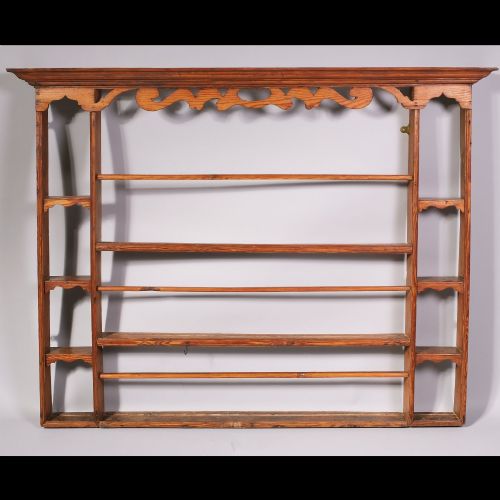
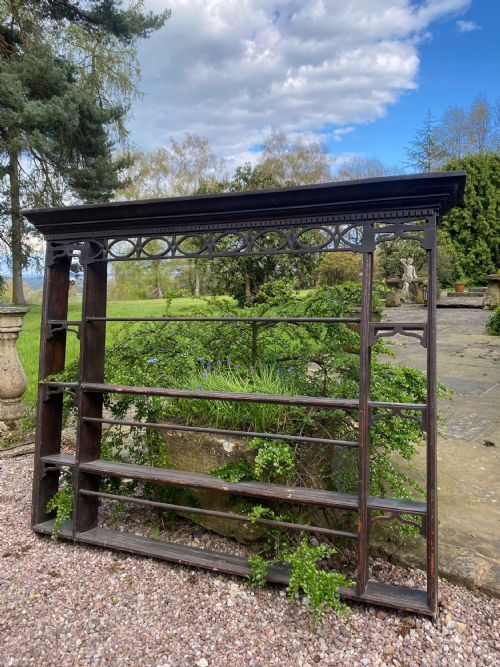
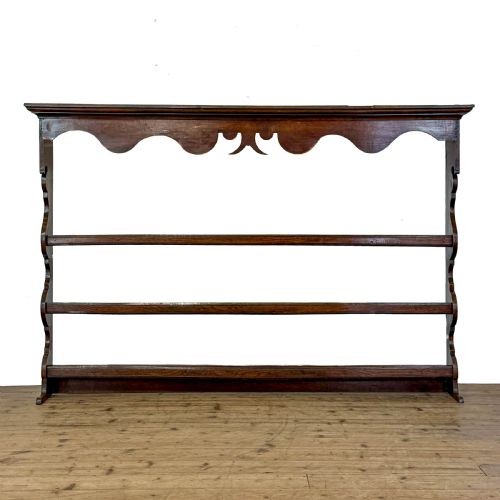


Vintage Delft Rack
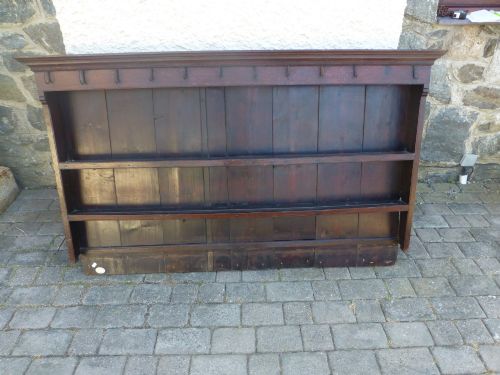
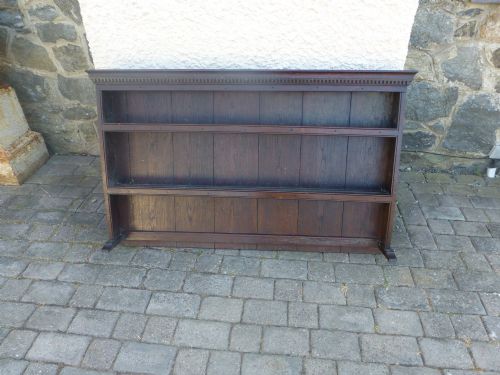
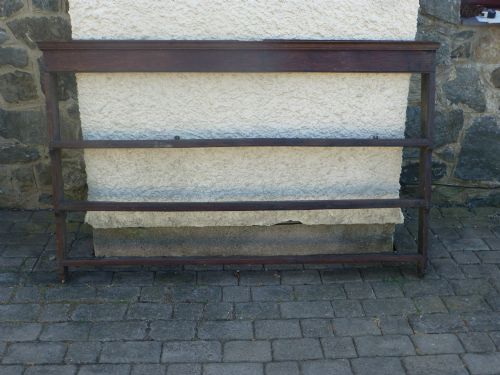
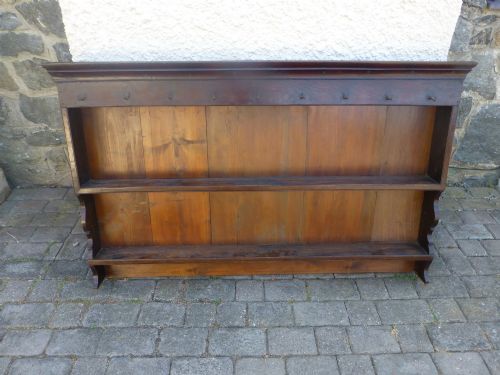
These vintage delft rack examples are timber wall shelves and plate racks from earlier centuries that bring traditional display space to a room.
Vintage Delft Rack
When buyers search for a vintage delft rack, they encounter sturdy wall-mounted timber shelving designed to hold ceramics securely. These pieces originate across the eighteenth, seventeenth, and nineteenth centuries.
The most common forms on this page include oak dresser racks, hanging plate racks, and carved wall shelves. They reflect periods such as the Georgian era and English country style.
Makers built these pieces primarily to display tableware in domestic spaces. Their durable construction allowed them to survive centuries of daily use.
How they were made
Makers constructed these racks using solid hardwoods and softwoods such as oak, pine, walnut, fruitwood, and stained oak. Structural elements often incorporate iron fixings to secure the wall shelves.
Surface decoration ranges from simple planking to detailed carving and marquetry inlay. Cabinetmakers relied on traditional joinery methods to build durable hanging racks for daily utility.
Some nineteenth-century makers could not resist adding a dash of marquetry to a humble plate rack.
What varies in quality
The presence of carving or marquetry inlay elevates a piece from a utilitarian shelf to a finer decorative object. Well-preserved surfaces and original structural timber distinguish the better examples.
The Vintage Delft Rack Glossary
- Plate rack
- A wall-mounted wooden frame featuring narrow shelves or grooves designed to display plates upright. These fixtures kept tableware accessible and dry.
- Dresser rack
- The upper shelving portion of a traditional kitchen dresser, often removed and hung directly on a wall. It provides multiple tiers for display.
- Marquetry
- The art of applying small pieces of veneer to a structure to form decorative patterns. This technique appears on certain nineteenth-century examples.
- Gothic revival
- An architectural and decorative style drawing inspiration from medieval forms. It influences the decorative details on selected wooden shelves.
Vintage Delft Rack: Frequently Asked Questions
How were these racks originally used?
These racks served as practical kitchen storage for displaying ceramic plates and platters within easy reach. Households relied on them to keep everyday tableware organised and safe from breakage.
Over time, families moved these wooden shelves into dining rooms and living spaces as decorative furniture. Their open design made them ideal for showing off prized ceramics and decorative vessels.
What woods were used for these racks?
Makers predominantly built these pieces using native timbers such as oak and pine. Walnut and fruitwood appear less frequently in finer decorative variations.
Carpenters selected these sturdy materials to support the heavy weight of earthenware ceramics. Iron hardware frequently supplemented the wooden construction for wall mounting.
How do I date a delft rack?
Dating relies on examining the timber species, joinery techniques, and overall style of the piece. Eighteenth-century examples often feature pegged oak construction and hand-planed surfaces.
Later nineteenth-century pieces sometimes incorporate marquetry inlay or softer woods like pine. Comparing the construction methods to known period pieces helps establish age.
How do I hang a heavy wooden rack?
Secure mounting requires fixing the back frame directly into structural wall studs or masonry. Because these timber racks carry substantial weight, standard drywall fixings are unsuitable.
Professional installation ensures the piece remains stable when loaded with heavy ceramic plates. Checking the original hanging points provides guidance on weight distribution.