
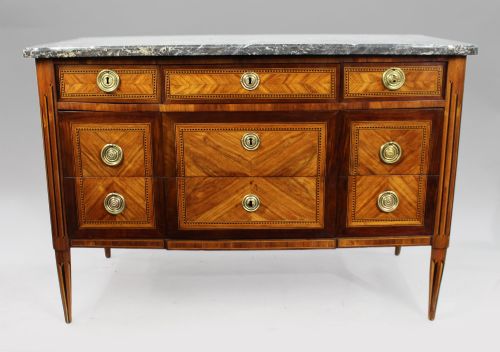
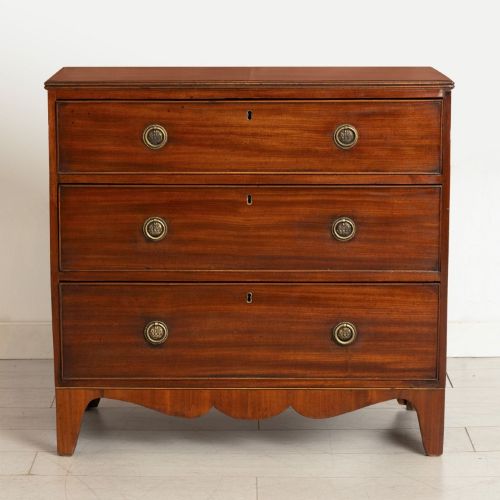
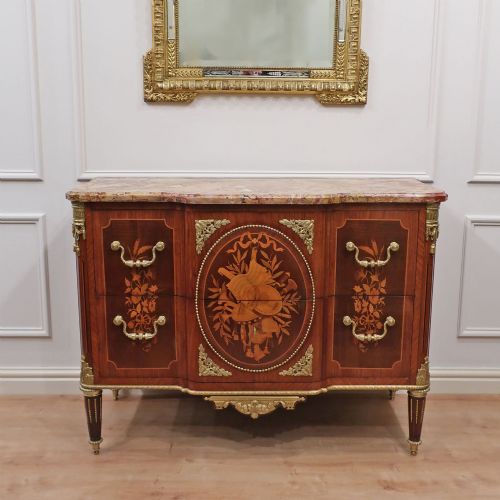
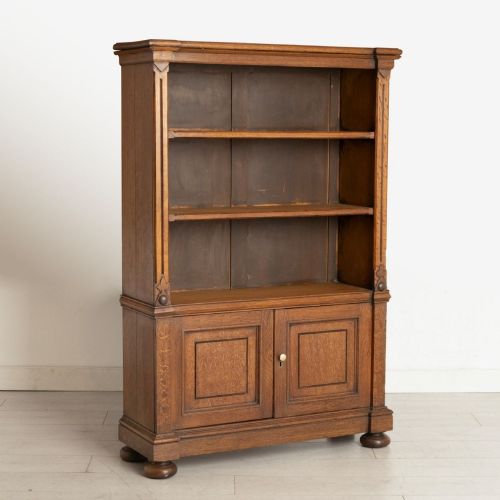
Antique Dresser Top
An antique dresser top brings historical character to a room, offering display shelving or enclosed storage designed to sit upon a lower base.
Antique Dresser Top
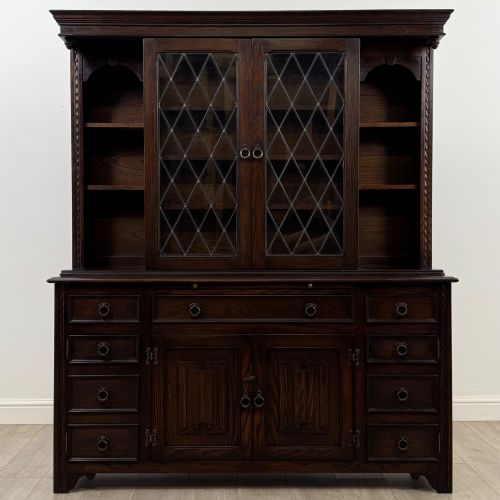
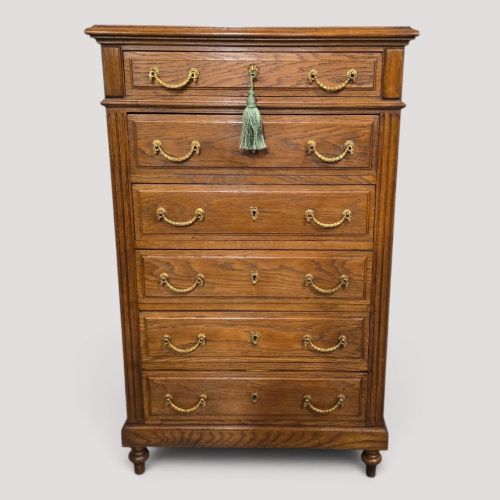
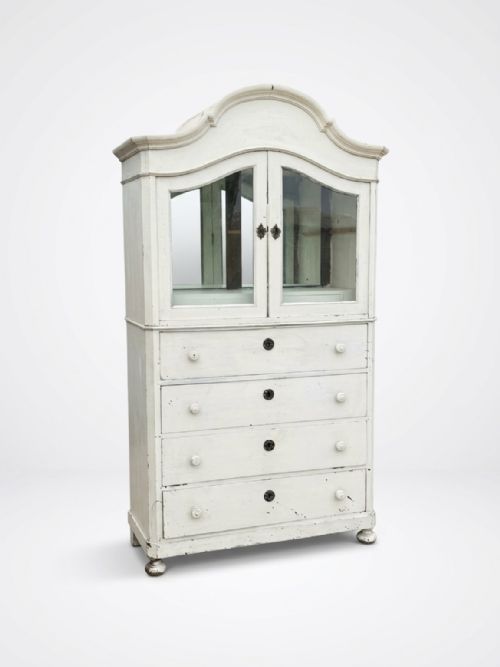
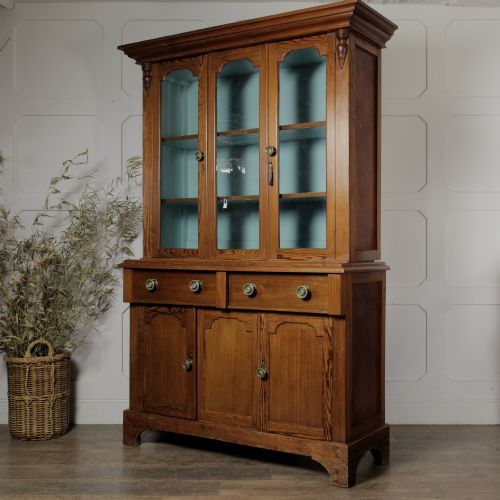
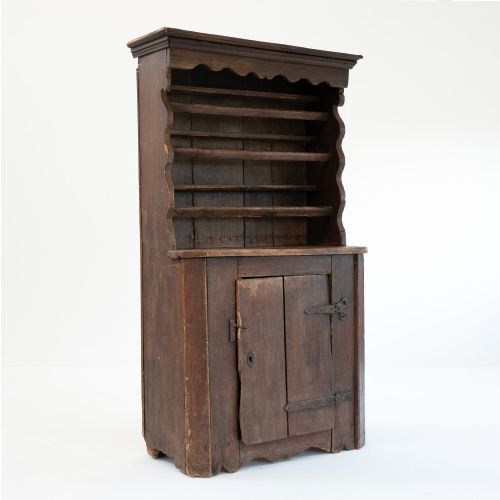
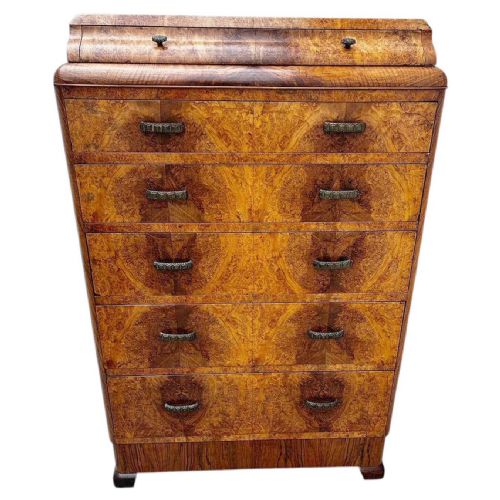
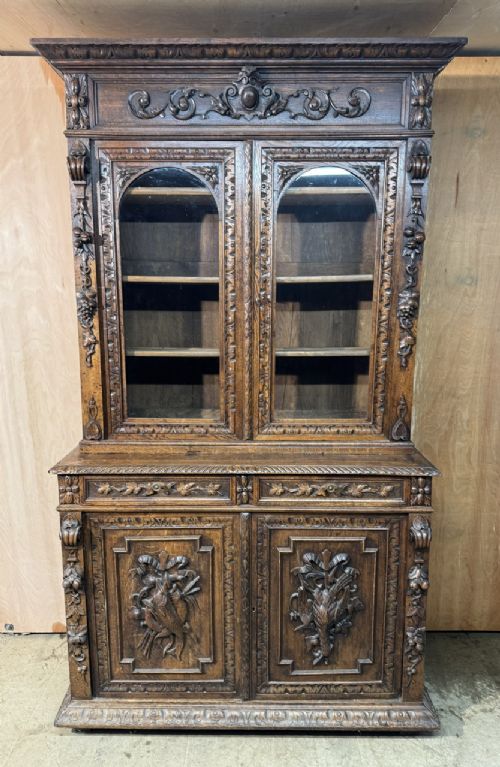
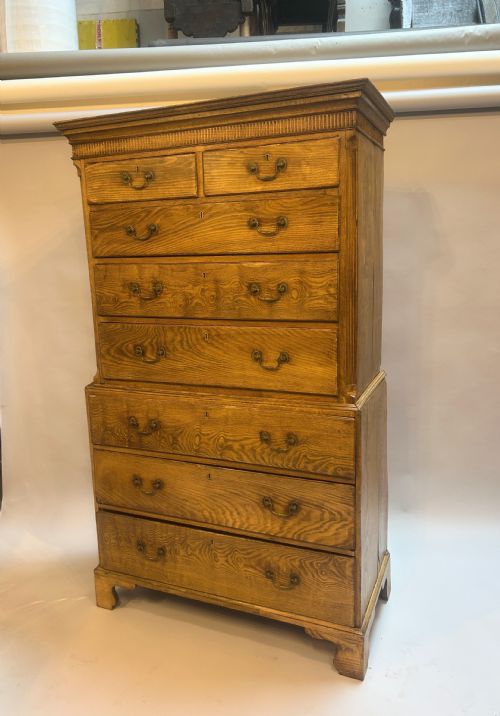
When searching for an antique dresser top, buyers encounter architectural plate racks, glazed cupboards, and upper display sections originating from the 18th, 19th, and early 20th centuries. These pieces function as independent shelving units or upper sections meant to complement lower sideboards, buffets, and chests.
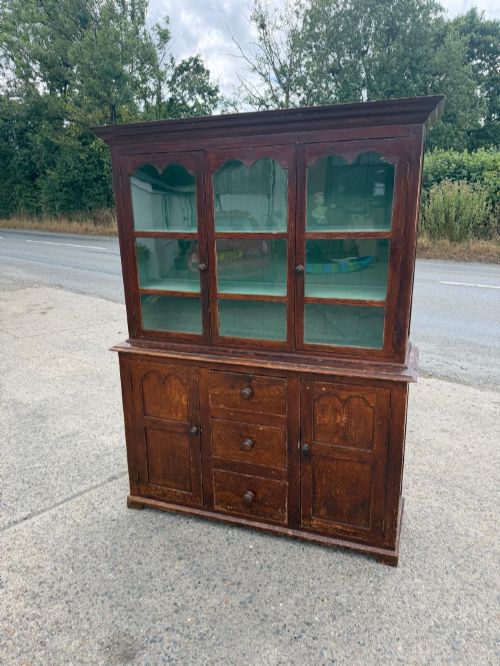
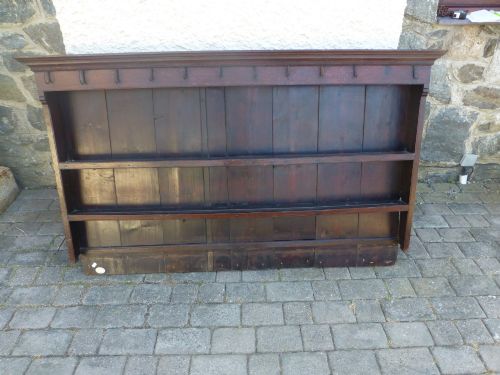
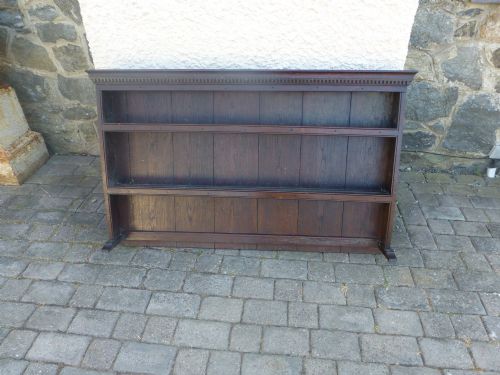
Oak and pine versions dominate the selections, ranging from Georgian farmhouse plate racks to Victorian glazed pine cabinets and regional Welsh designs. These upper sections served traditional domestic spaces by displaying ceramics, glassware, and everyday provisions within easy reach.
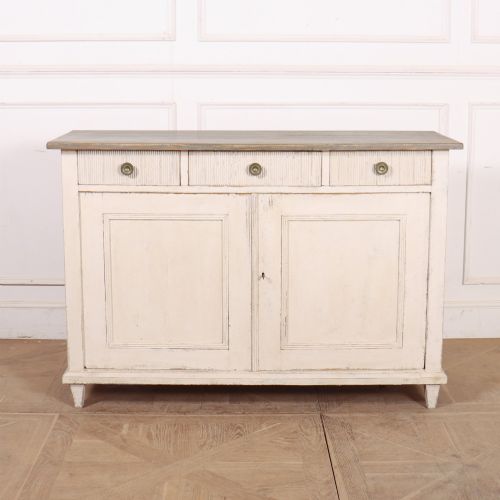
The selection spans country kitchen formats and formal continental styles, including French provincial and Swedish country variations. Buyers frequently find pieces that have survived alongside their original bases, as well as standalone top sections adapted for modern interior display.
Materials and construction methods
Makers utilised solid regional timbers such as oak, pine, cherrywood, and walnut, selecting woods based on local availability and the intended formality of the furniture. Pine and oak appear most frequently in country pieces, whilst walnut and mahogany feature in more refined urban cabinetry.
Joinery techniques relied on traditional pegged mortise and tenon joints for structural framework, alongside dovetail construction for internal shelving supports and small drawers. Glazed doors incorporate individual glass panes held by wooden glazing bars, whilst open plate racks feature shaped rails and plate grooves.
Listings feature woods including oak, pine, walnut, and mahogany across Georgian, Victorian, and Edwardian periods.
Distinctions in quality
Quality rests upon the selection of timber, the integrity of the original joints, and the retention of untouched surfaces or early painted finishes. Superior examples display carefully selected grain patterns, balanced proportions, and minimal structural alterations over time.
Fine detailing, such as moulded cornices, shaped friezes, and original glass panes or brass hardware, separates utilitarian workshop pieces from master craftsmanship. The survival of original backing boards and undisturbed surface patination further distinguish higher-tier examples.
Hudson Bros·Coalbrookdale·Dr Christopher Dresser
The Antique Dresser Top Glossary
- Plate rack
- An open shelving unit featuring grooved plate rails designed to display ceramic plates upright against a wall or backing board.
- Glazed top
- An upper cabinet section featuring glass-panelled doors that protect stored porcelain and glassware while keeping contents visible.
- Cornice
- The decorative moulded projection that crowns the top edge of a cabinet or dresser top, defining its architectural style.
- Crossbanding
- A decorative border technique where thin strips of veneer are laid perpendicular to the surrounding grain.
- Patina
- The surface sheen and textural depth acquired by wood through decades of handling, polishing, and natural ageing.
Antique Dresser Top: Frequently Asked Questions
Can a dresser top sit independently on a wall?
Many antique dresser tops and plate racks are designed to be securely fixed directly to a wall, functioning as standalone shelving units. They feature flat lower edges or built-in hanging brackets intended for wall mounting.
Heavier glazed top sections generally require secure anchoring to prevent tipping, whether resting on a suitable sideboard or mounted independently at eye level.
How do I match a dresser top to a base?
Matching a loose dresser top to a base requires careful attention to timber species, historical period, and overall width dimensions. Oak and pine pieces from similar regional traditions often pair successfully when proportions align.
Differences in depth and overhang require careful measurement to ensure the upper section sits stably without straining the lower structure.
What is the difference between an 18th-century and Victorian dresser top?
Eighteenth-century dresser tops typically exhibit solid oak or regional fruitwood construction, featuring hand-carved details, pegged joinery, and simpler open plate rack configurations. They reflect rural craftsmanship and domestic utility.
Victorian examples frequently incorporate glazed pine doors, machine-sawn mouldings, and more elaborate architectural cornices, influenced by industrial production methods and changing domestic fashions.
How should I clean and maintain antique wood?
Maintenance involves dusting with a soft, dry cloth and avoiding silicone-based polishes or harsh chemical cleaners that can degrade the surface finish. Applying traditional beeswax periodically helps nourish dry timber and preserve the natural patina.
Keeping wooden pieces away from direct heat sources and fluctuating humidity prevents timber from splitting, warping, or shrinking over time.