





Traditional Oak Plate Shelf
A traditional oak plate shelf keeps earthenware upright and within reach, bringing working country utility straight into a modern kitchen.
Traditional Oak Plate Shelf
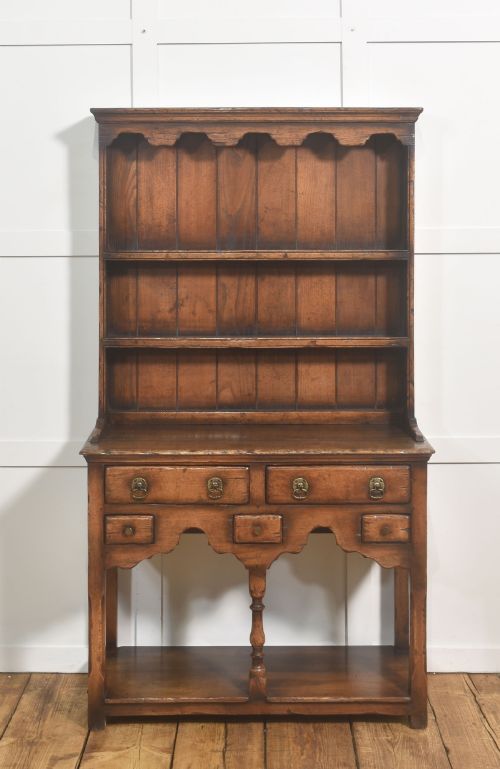
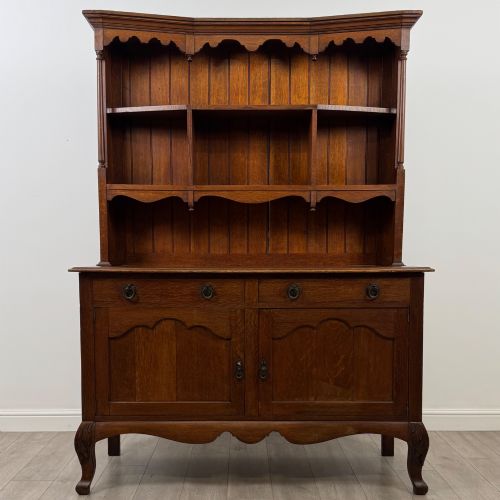
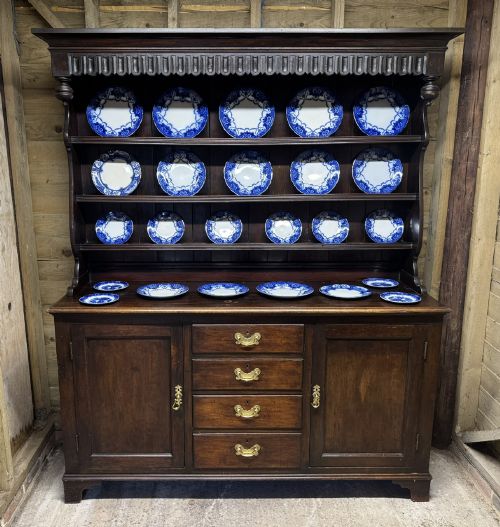
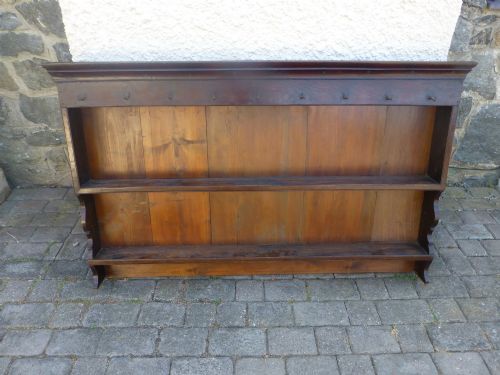
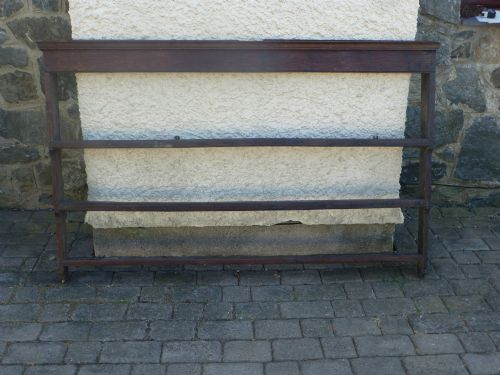
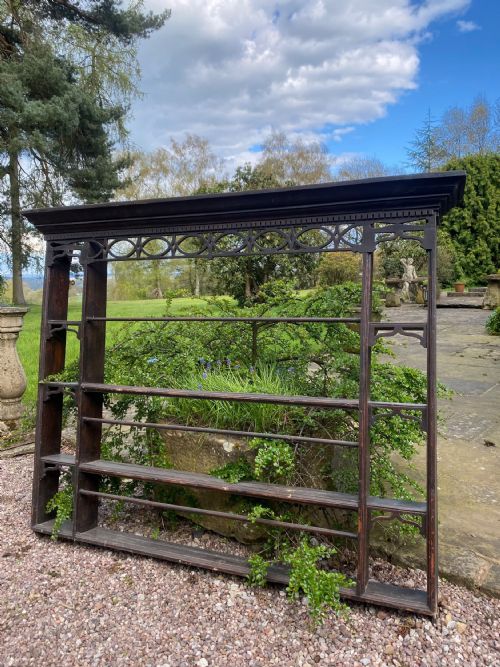
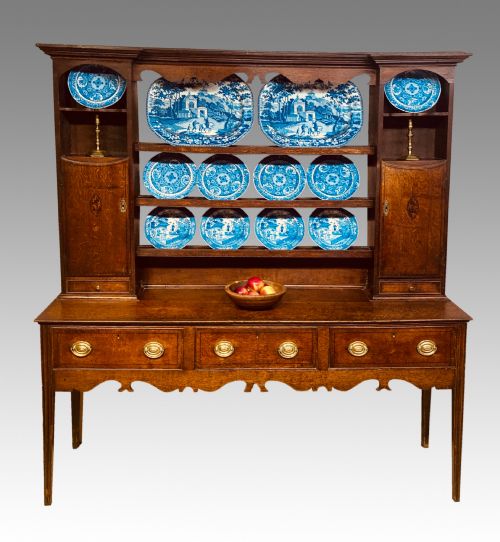
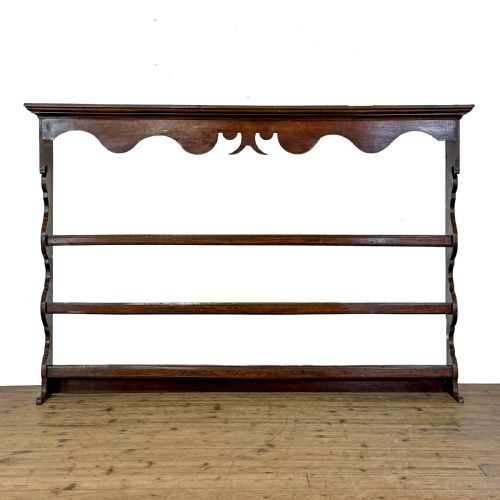
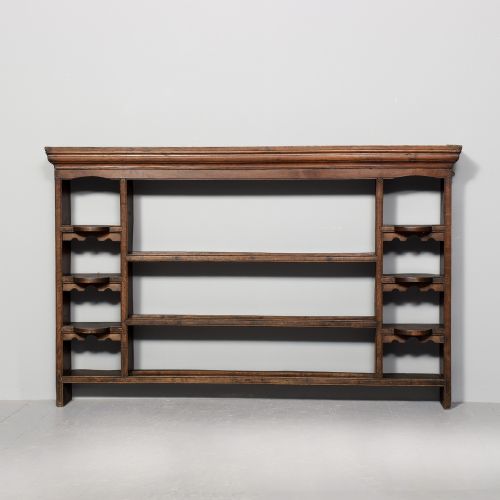
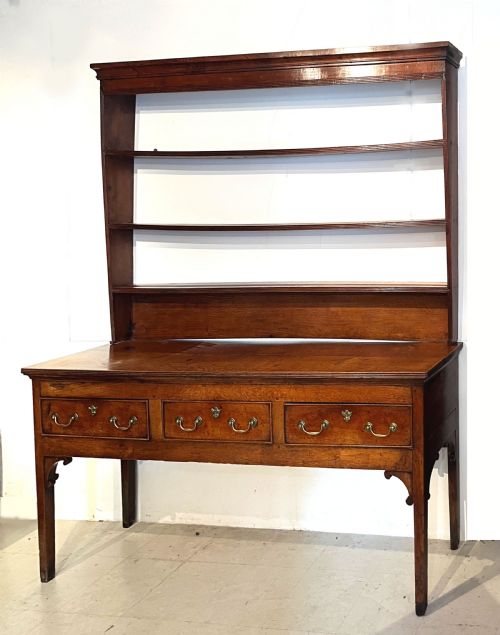
A traditional oak plate shelf appears in forms ranging from wall-hanging delft racks to the upper tiers of two-part Welsh and kitchen dressers. These pieces originate across periods spanning the eighteenth and nineteenth centuries into the early twentieth century, taking stylistic cues from Georgian, Jacobean Revival, and rustic country traditions.
The version most commonly met on this page is the wall-mounted plate rack or the top section of a country oak dresser designed to display ceramic plates and platters. Examples emerge from regional traditions such as Welsh and Shropshire workshops, employing straightforward timber construction meant for daily domestic service.
Timber and construction
Makers built these shelves primarily from solid oak, sometimes supplemented with pine or mahogany elements, utilising traditional joinery appropriate for load-bearing kitchen furniture. Backboards, plate rails, and vertical slats were assembled to support heavy earthenware without warping under daily use.
Metal fixings such as brass and iron appear in hinges, hooks, or hanging brackets, while occasional bone details accent period handles or escutcheons. Surfaces show the marks of hand-planing and simple finishing that protect the timber against kitchen moisture.
Traditional Oak Plate Shelf Retail Price Guide 2026
Typical asking prices for traditional oak plate shelf among the pieces listed under this phrase on Sellingantiques today, from the lower quarter to the upper quarter. They describe what is for sale here now, not the wider market.
Object forms include wall hanging shelves, delft racks, and complete two-part Welsh dressers.
Distinctions in construction and survival
Quality rests in the integrity of the timber framing and the survival of original plate rails, retaining original pegging and backboards without excessive replacement timber. Pieces that maintain their structural depth and unaltered hanging points display greater authenticity.
Finer examples show considered proportion in the graduated shelf heights and careful moulding along the cornices, separating utilitarian workshop output from more ambitious regional cabinetwork.
The Traditional Oak Plate Shelf Glossary
- Delft rack
- An open wall shelf specifically designed with wooden slats or retaining rails to hold ceramic plates upright. These shelves allowed wet plates to dry and display simultaneously in eighteenth-century kitchens.
- Welsh dresser
- A dual-purpose piece combining a lower base of cupboards and drawers with an upper plate rack. Many examples divide into two separate parts for transport and placement.
- Potboard dresser
- A dresser featuring an open low shelf near the floor intended for heavy pots and kitchen vessels. This lower tier sits beneath the main counter surface.
- Talwrn dresser
- A distinct regional variant of the Welsh dresser originating from specific local cabinet-making traditions. These pieces incorporate regional proportions and arrangement of drawers and racks.
Traditional Oak Plate Shelf: Frequently Asked Questions
How do I hang a heavy oak plate shelf?
Wall-mounted racks require direct attachment into wall studs or solid masonry using appropriate load-bearing fixings. Because laden oak shelves carry significant weight from stacked ceramics, proper structural anchorage is essential.
Check the original hanging points on the back frame to distribute the load evenly across the structure. Professional installation ensures the timber frame remains stable against the wall under daily use.
Can these shelves support modern dinnerware?
Most traditional plate grooves and rails accommodate standard dinner plates and platters safely. The depth of the retaining ledge prevents items from sliding forward during normal kitchen activity.
Heavier modern stoneware should be tested for thickness against the specific rail spacing. Lighter earthenware plates fit securely into the historic slot dimensions designed for eighteenth and nineteenth-century ceramics.
How do I clean and maintain antique oak?
Dust the timber regularly with a dry cloth and avoid excessive moisture or commercial aerosol polishes. Natural beeswax applied sparingly helps nourish dry oak surfaces over time.
Keep shelves away from direct heat sources and radical humidity shifts to prevent timber splitting. Gentle care preserves the surface patina accumulated through centuries of domestic life.
Are dresser racks separate from the base?
Many larger examples operate as two-part dressers where the upper plate shelf rests upon the lower base cabinet. Smaller formats consist of single-piece wall hanging racks without a lower base.
When handling two-part pieces, the upper rack lifts away from the counter surface for easier transport and positioning. Integrated wall racks remain as single immovable units.