
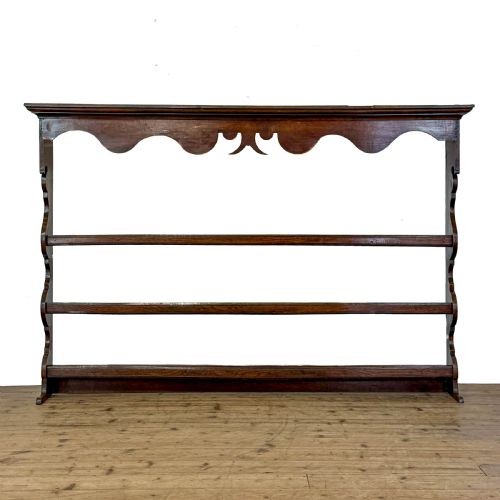
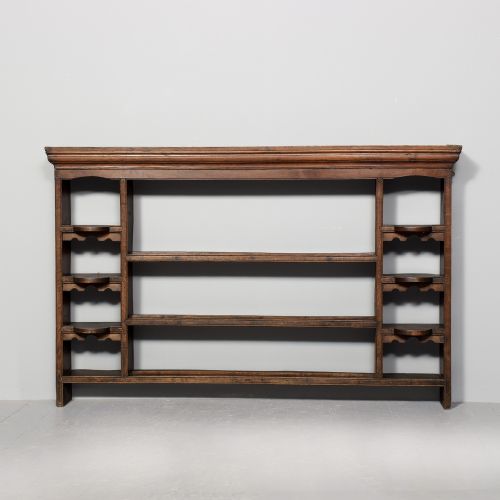


Country Oak Dresser Top
A country oak dresser top brings centuries of practical domestic storage and display into a room.
Country Oak Dresser Top
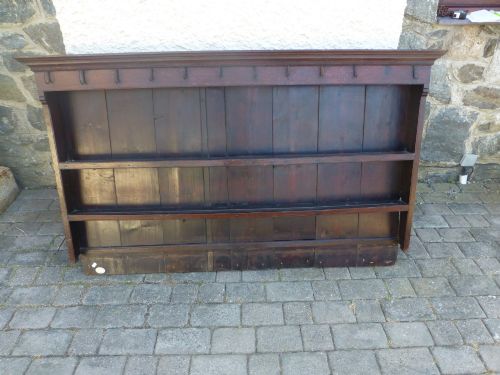
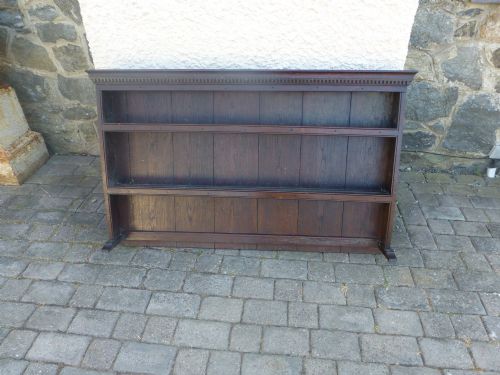
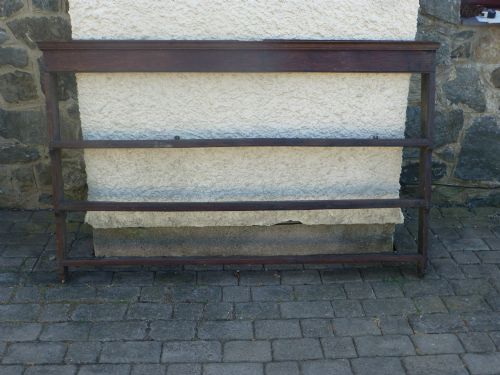
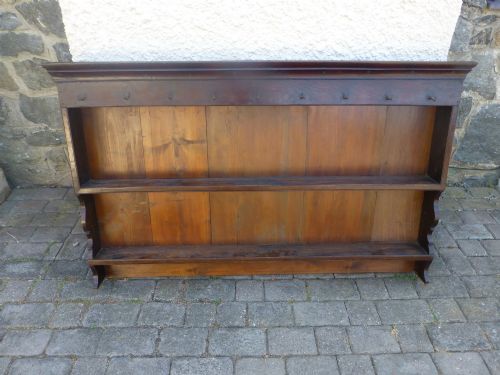
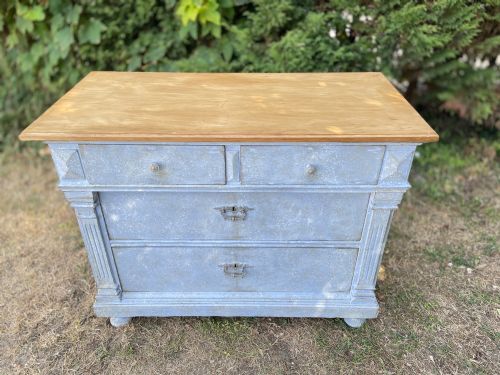
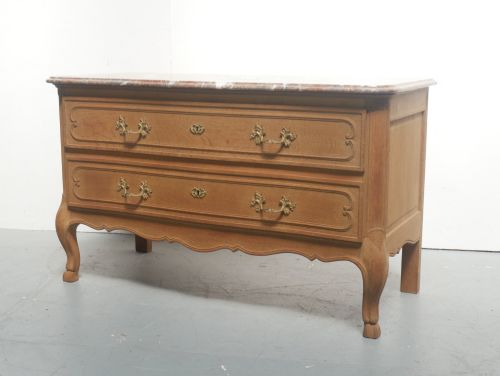
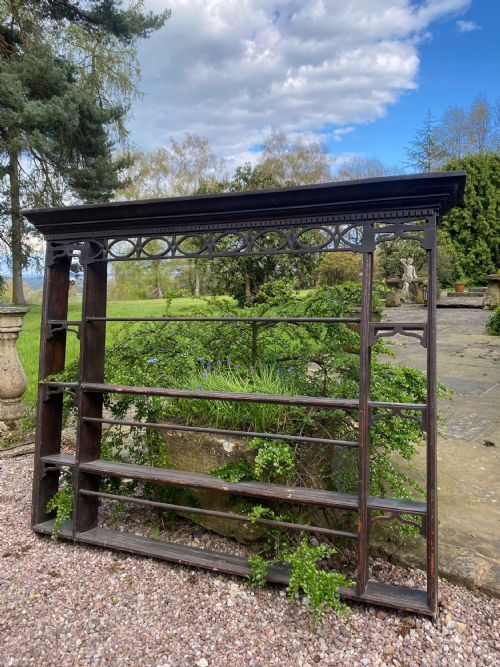
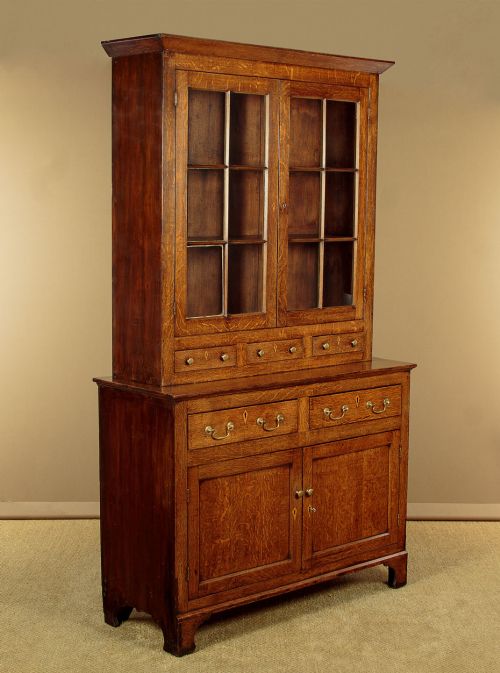
When searching for a country oak dresser top, you examine plate racks, wall shelves, and dresser racks designed to hold ceramics and kitchenware. These upper sections appear mostly in 18th century, Georgian, and 19th century pieces built for traditional dining rooms and kitchens.
The selections span English country styles alongside French provincial and Gustavian forms. Many pieces combine oak construction with pine or brass elements, showing the utilitarian origins of these wall-hanging and surface-mounted storage frames.
How they were made
Makers built these racks primarily using solid oak boards, supplemented by pine for internal or secondary backing surfaces. Joinery relied on traditional pegged mortise and tenon joints to support the weight of heavy ceramic plates.
Surfaces often show hand-planed finishes and original brass hardware or iron hanging brackets. French and English workshops shaped the timber using hand tools, resulting in pegged joints and exposed grain patterns.
Country Oak Dresser Top Retail Price Guide 2026
Typical asking prices for country oak dresser top among the pieces listed under this phrase on Sellingantiques today, from the lower quarter to the upper quarter. They describe what is for sale here now, not the wider market.
Listings feature items spanning the 18th century, Georgian period, and 19th century, constructed primarily in oak, pine, and brass.
What varies in quality
The distinction between ordinary and superior pieces rests on timber selection, surface patination, and structural integrity. Better examples retain untouched original surfaces with deep warmth and minimal timber replacement.
Proportion and moulding details also separate workshops, as finer racks display deliberate cornice work and well-balanced plate rails. Original backs and intact hanging points indicate careful preservation over centuries.
The Country Oak Dresser Top Glossary
- Dresser top
- The upper shelving unit or plate rack designed to sit upon a sideboard base or hang directly on a wall. It traditionally holds plates, platters, and mugs.
- Delft rack
- A specialised wall-mounted or resting shelf featuring narrow timber grooves or plate rails specifically made to display tin-glazed earthenware. Plates rest safely at an angle against the backboards.
- Mortise and tenon
- A fundamental woodworking joint where a protruding tongue fits tightly into a matching cavity, secured by wooden pegs rather than modern fasteners.
Country Oak Dresser Top: Frequently Asked Questions
Are dresser tops meant for walls?
Many examples function as wall-hanging shelves, while others originally sat atop matching base cabinets. Check the backboards and hanging brackets to determine the intended mounting method.
Heavier racks require secure wall fixings to support the combined weight of the timber structure and displayed ceramics safely.
How do I date an oak rack?
Dating relies on examining tool marks, timber shrinkage, construction methods, and nail types. 18th century examples frequently display hand-sawn board marks and pegged joinery.
Comparing moulding profiles and backboard construction against known period pieces helps establish the likely decade of manufacture.
Can I mount these on modern walls?
Mounting antique oak racks requires locating solid studs or using heavy-duty wall anchors appropriate for the weight of dense hardwood. Professional installation is advisable given the substantial mass of solid oak.
Ensure the structure connects firmly to the wall to prevent any forward tipping under load.
What is the difference between English and French racks?
English country pieces tend to use heavier oak construction with simpler functional lines and traditional plate grooves. French regional variants often incorporate softer bleached finishes or provincial styling.
Both regional traditions prioritize domestic utility, but differ in timber treatment and decorative moulding details.