

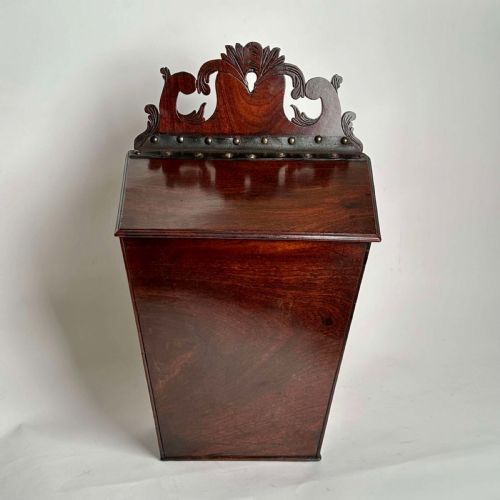


Antique Spoon Rack
An antique spoon rack organises domestic cutlery on the wall, bringing regional timber and folk craftsmanship straight into a room.
Antique Spoon Rack
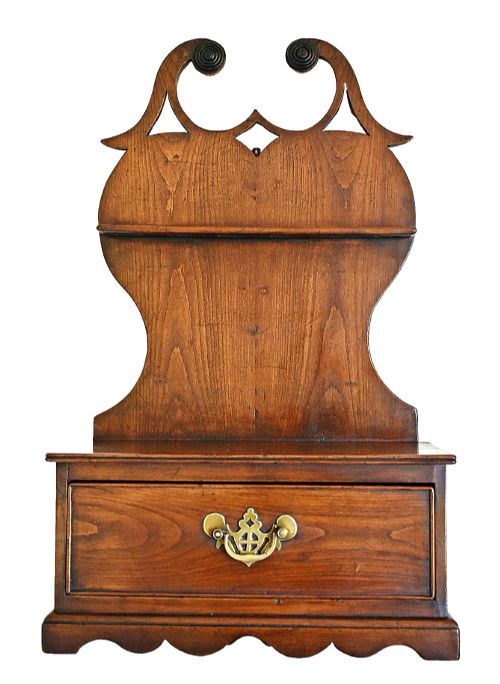
When you search for an antique spoon rack, you encounter wall-mounted displays designed to hold eating spoons alongside related kitchen or dining implements. The versions met most often on this page originate in the eighteenth and nineteenth centuries, taking the form of upright timber boards fitted with shaped backplates and display ledges.
Many examples emerge from regional traditions, particularly Welsh and English country workshops, where makers constructed them primarily in oak and pine. Alongside pure spoon racks, the evidence includes hybrid forms combining the display with integrated candle boxes, knife boxes, or lower storage compartments.
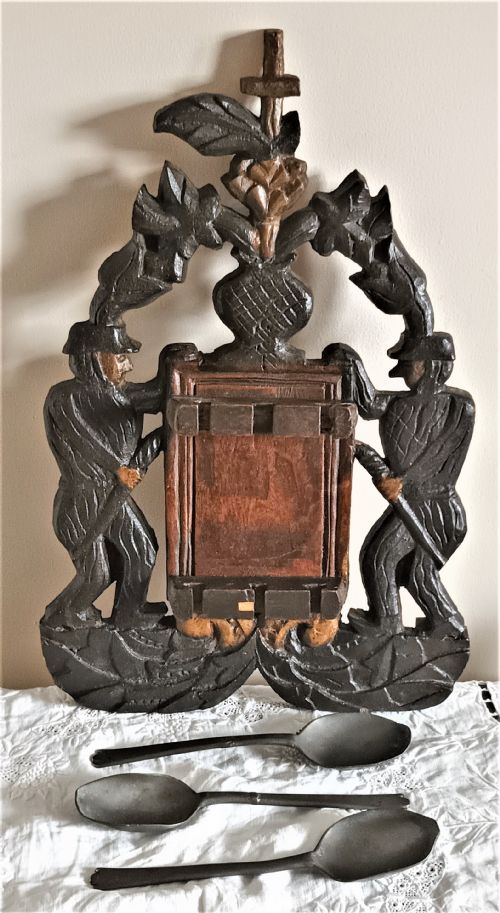
Surviving pieces frequently retain early or original surface patination, ranging from scrubbed deal to polished dark oak. Some examples even retain sets of period pewter trefid spoons nested in their upper slots.
What varies in quality
The distinction between standard utility items and finer examples rests on the grace of the timber's figure and the subtlety of the shaped cresting. Sharply defined fretted profiles and well-balanced proportions elevate a vernacular oak board far above a plain utilitarian shelf.
Surface integrity dictates much of the appeal, as undisturbed early paint layers or deep natural wax patination hold greater character than stripped or overly restored timbers. Retaining matching period pewter spoons within the rack adds substantial integrity to the piece.
Antique Spoon Rack Retail Price Guide 2026
Typical asking prices for spoon rack among the pieces listed under this phrase on Sellingantiques today, from the lower quarter to the upper quarter. They describe what is for sale here now, not the wider market.
Some seventeenth-century oak boards still display the exact thumbprint indentations left by joiners handling wet wax centuries ago.
A J LEVI collection
The Antique Spoon Rack Glossary
- Trefid spoon
- An early form of eating spoon featuring a three-lobed flat handle terminal popular in the seventeenth and eighteenth centuries. These frequently accompany period oak racks.
- Stepped spoon rack
- A regional form featuring ascending tiers on the backboard designed to display multiple spoons in tiered rows. Welsh makers favoured this stepped profile.
- Candle box
- A lidded storage compartment incorporated beneath the spoon display to keep household tallow dips or wax candles dry and clean.
- Pewter
- A malleable metal alloy of tin mixed with lead or copper, commonly cast to form early eating spoons that fit directly into wall racks.
- Folk art
- Traditional decorative craftsmanship produced outside academic design conventions, seen here in regional oak carving and painted wood surfaces.
Antique Spoon Rack: Frequently Asked Questions
Where were antique spoon racks hung?
These racks hung on kitchen or dining room walls close to the hearth for easy access during daily meals. Their compact vertical format suited timber-panelled or plastered cottage interiors.
Households kept eating spoons in these wall holders to protect delicate pewter or wooden bowls from damage in drawers. Displaying the cutlery kept the kitchen tidy while showing off household possessions.
How do I spot an eighteenth century piece?
Eighteenth century examples show hand-sawn board marks, pegged joints, and deep patination accumulated through generations of use. Timbers typically consist of native quarter-sawn oak rather than later imported softwoods.
Construction details like shaped crests, ogee scrolls, and absence of modern fixings indicate early manufacture. Many authentic pieces also exhibit minor surface wear consistent with decades of domestic duty.
Did all spoon racks come with spoons?
Many racks survived with their original sets of pewter trefid spoons intact in the slots. Families kept specific spoons together with their designated wall rack over centuries.
Other racks entered the market empty because families separated the cutlery from the wall furniture over time. Finding a matched set of period spoons in the rack remains an uncommon bonus.
What is a Welsh spoon rack?
Welsh examples distinctively feature stepped tiers and shaped backboards carved from local oak. These regional pieces often incorporated lower boxes for candles or knives.
Country makers in Wales developed specific decorative outlines, including heart cut-outs and shaped pediments. These architectural flourishes distinguish them from plain English utility boards.