

18th Century Oak Rack
When you search for an 18th century oak rack, you encounter sturdy wall-mounted shelves and tall dresser combinations built to display domestic earthenware.
18th Century Oak Rack
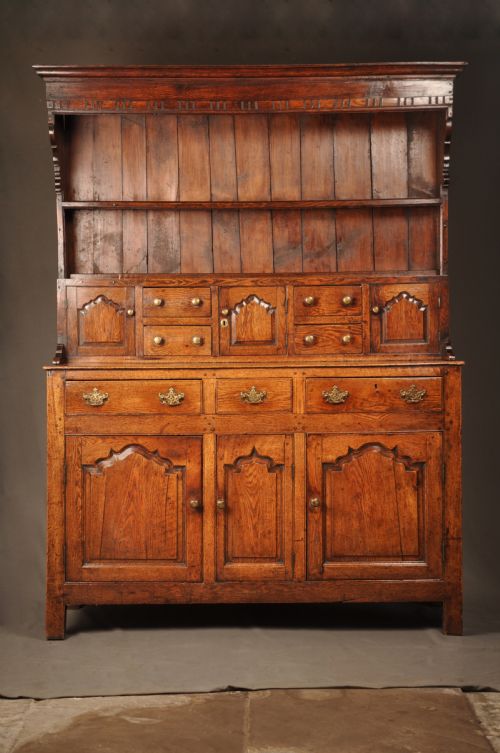
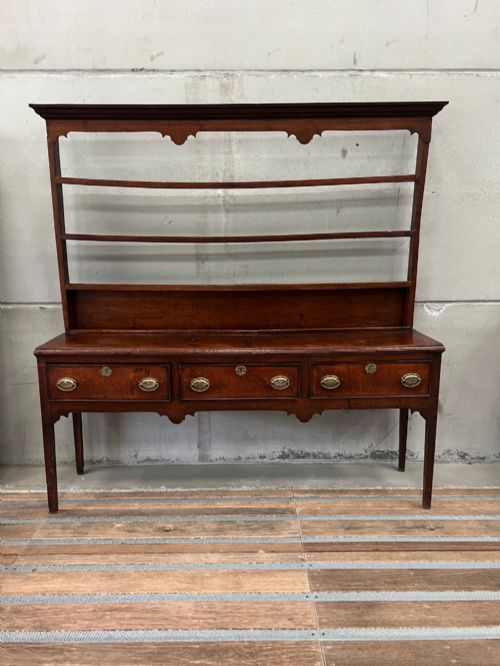
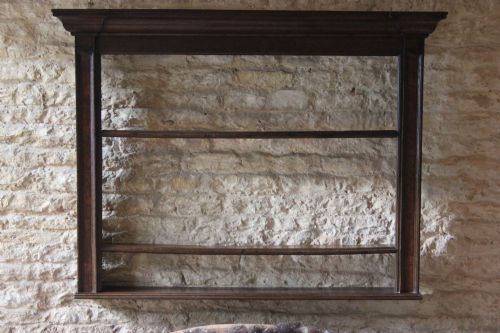
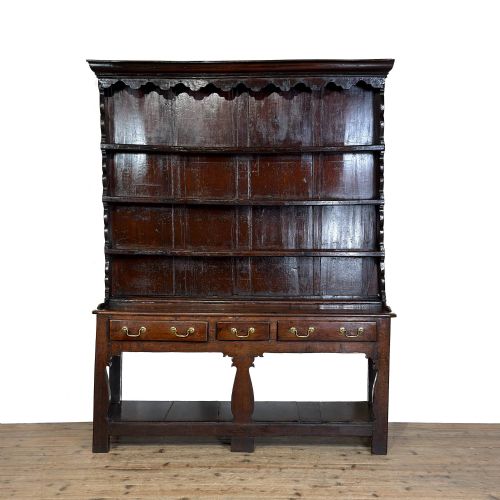
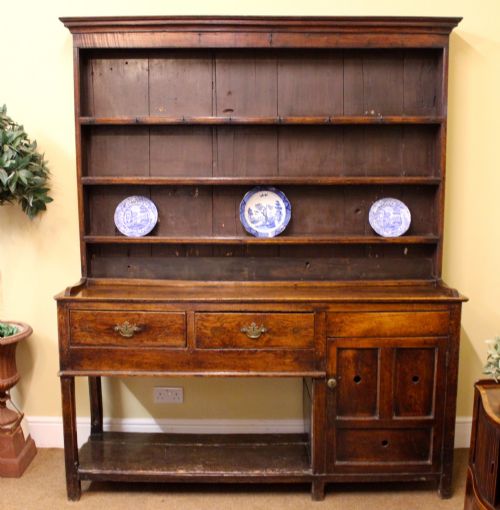
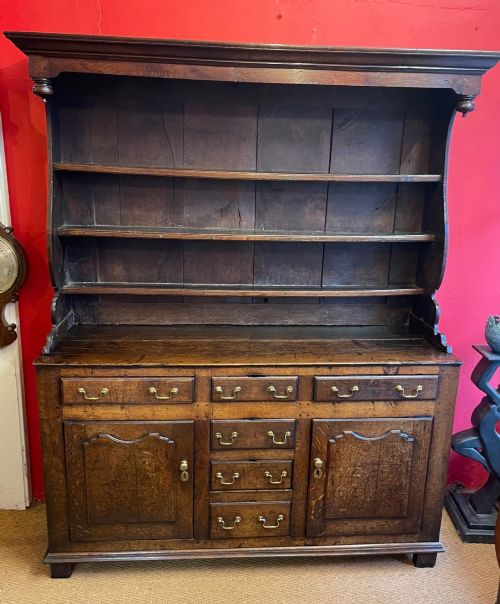
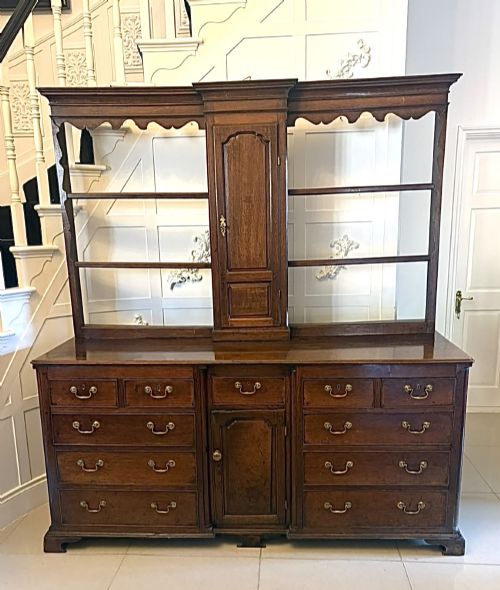
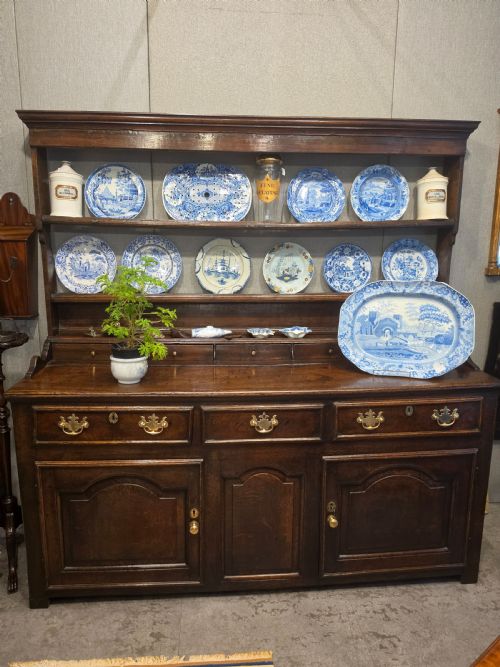
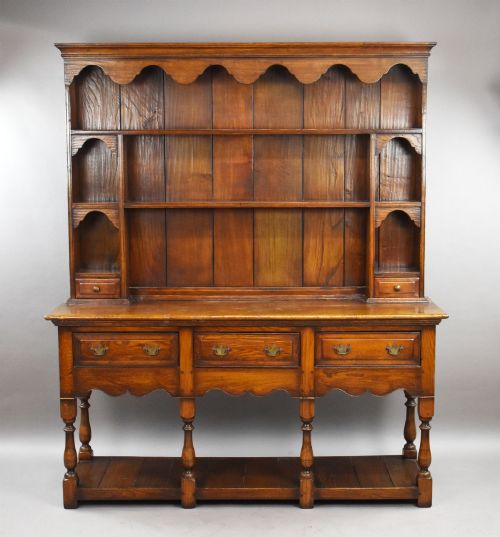
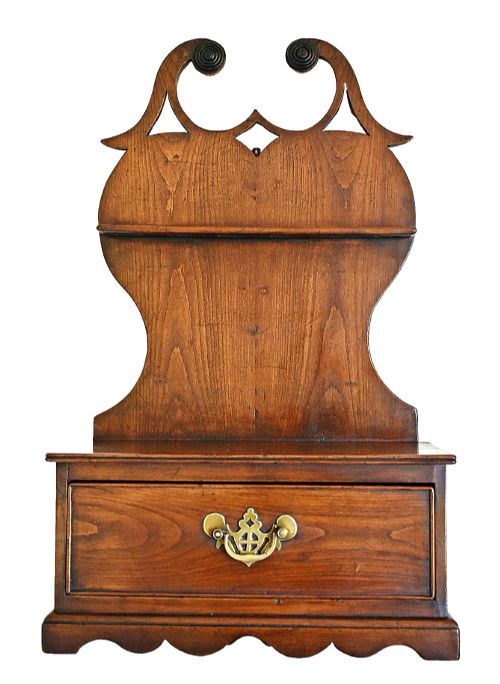
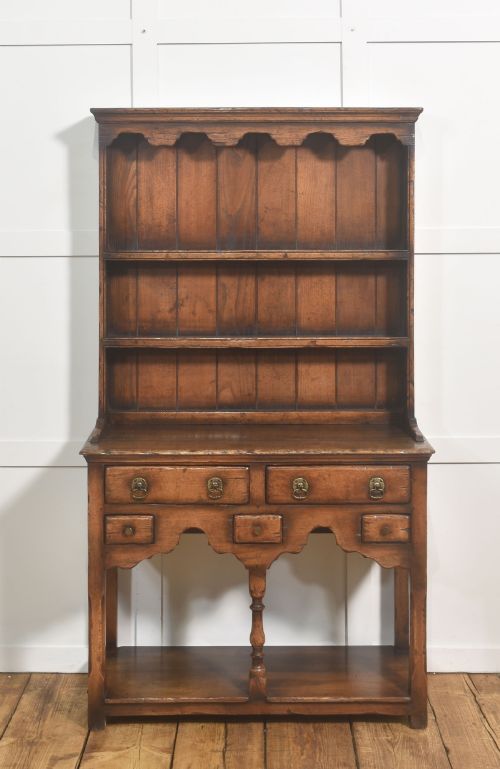
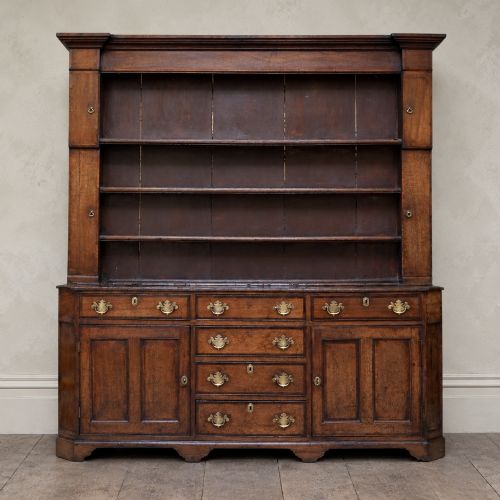
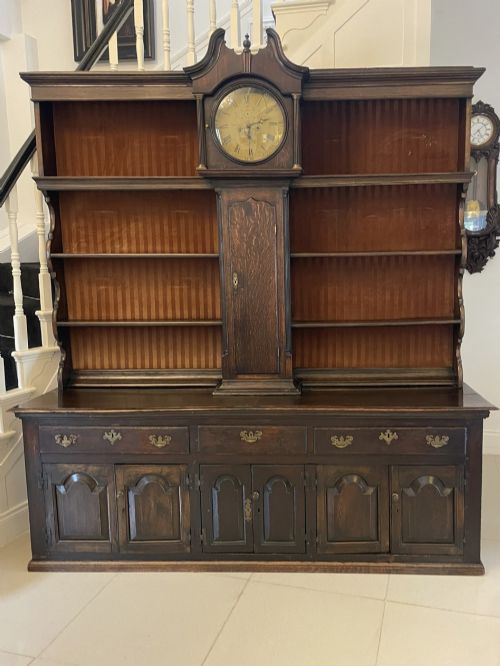
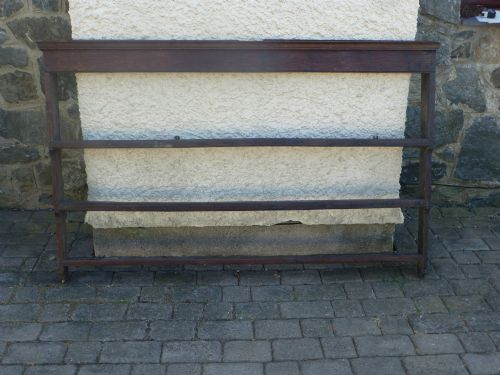
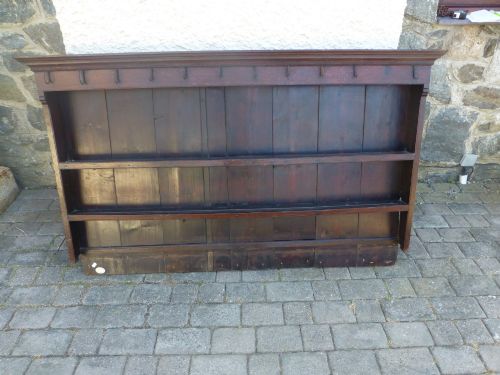
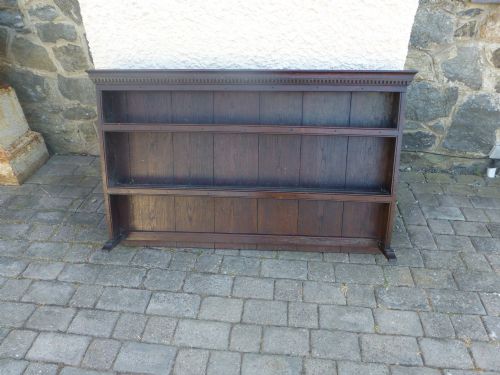
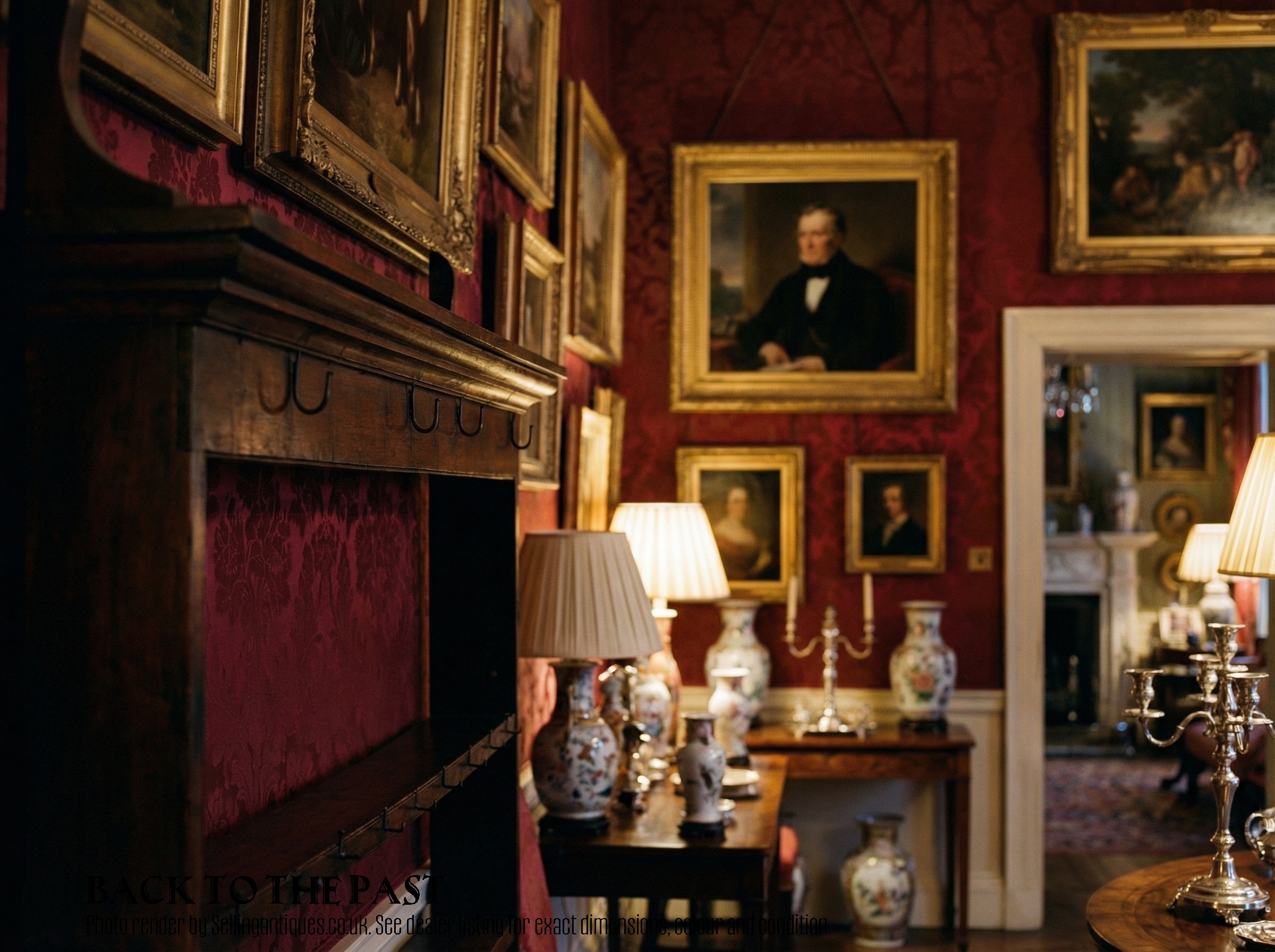
An 18th century oak rack primarily manifests as a wall-mounted plate shelf or as the upper tier attached to a country dresser base. These utility pieces served households by organising pewter plates, delftware, and spoons within easy reach of the kitchen table.
The versions most commonly met on this page date from the Georgian period, often reflecting regional English and Welsh vernacular styles. Pieces range from simple hanging spoon racks to substantial multi-tiered plate rails integrated with potboards and cupboards.

How they were made
Cabinetmakers constructed these pieces predominantly from solid local timber, utilising oak for structural strength and frequently incorporating secondary woods like pine or elm for internal partitions. Carpenters shaped components using hand tools, joining planks with pegged mortise and tenon joints.
Makers occasionally enhanced surfaces with subtle inlay wood details or shaped friezes, while retaining functional elements such as plate grooves and brass or iron hanging hooks.
18th Century Oak Rack Retail Price Guide 2026
Typical asking prices for 18th century oak rack among the pieces listed under this phrase on Sellingantiques today, from the lower quarter to the upper quarter. They describe what is for sale here now, not the wider market.
Listings feature pieces spanning the seventeenth to the twentieth century, with materials including oak, brass, iron, pewter, pine, glass, inlay wood, and elm.
What varies in quality
The distinction between standard utility furniture and superior examples lies in the proportion of the proportions and the survival of the original upper rack attached to its base. Pieces retaining untouched surfaces, original backboards, and authentic regional characteristics command greater interest among collectors.
Regional variations also influence character, with specific craftsmanship markers from areas such as Snowdonia or Montgomeryshire demonstrating distinct local joinery traditions and decorative carving.
The 18th Century Oak Rack Glossary
- Potboard
- A lower open shelf built into the base of a dresser, historically used for storing heavy pots and pans. This platform sits raised above the floor on short feet.
- Delft rack
- A set of open wall shelves specifically designed with grooved ledges to display tin-glazed earthenware plates upright without sliding. These racks often feature multiple tiers and small spice drawers.
- Vernacular
- Furniture shaped by regional traditions and local materials rather than academic architectural designs. These country pieces prioritize utilitarian function and straightforward regional building methods.
- Trefid spoon
- An early form of dining utensil featuring a flattened, three-lobed terminal handle. These pewter spoons frequently accompany antique spoon racks from the period.
- Belly rack
- A regional dresser design featuring a bowed or swelling lower cupboard section beneath the open display shelves. This curved profile adds distinctive visual volume to the piece.
18th Century Oak Rack: Frequently Asked Questions
What is the difference between a plate rack and a dresser?
A plate rack consists solely of open shelves designed to mount directly onto a wall for displaying tableware. In contrast, a full dresser combines this upper rack with a lower base cabinet, sideboard, or potboard.
While many racks were originally made to pair with specific dresser bases, surviving wall racks often appear independently as standalone hanging units.
How were these racks used in 18th century homes?
Families utilised these wooden shelves in kitchens and dining halls to store and exhibit their best ceramic plates, platters, and pewterware. The stepped grooves carved into the shelves kept round dishes propped securely upright.
Smaller hanging versions, such as spoon racks and spice shelves, kept everyday kitchen utensils organised and accessible near the hearth.
How can I tell if the rack belongs originally to the dresser base?
Inspectors look at the continuity of timber grain, matching patination, and the construction methods used in both the upper shelves and the lower base. Peg placements and tool marks often align when a rack and dresser have remained together since the eighteenth century.
Screwholes and mounting brackets that fit existing timber profiles also provide evidence of a long-standing marriage between the two sections.
How do I care for antique oak furniture?
Maintain the timber by keeping it away from direct heat sources and sudden humidity shifts that cause the oak to split. Regular dusting with a dry, soft cloth preserves the natural waxed finish.
Avoid using modern silicone sprays or heavy polishes, allowing the wood to retain its historic patination over time.