




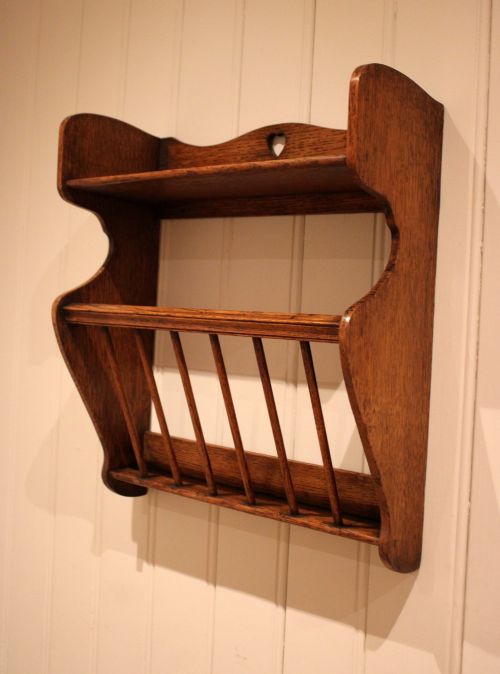
Oak Wall Shelves
Solid oak wall shelves bring honest timber and practical display space directly to a room.
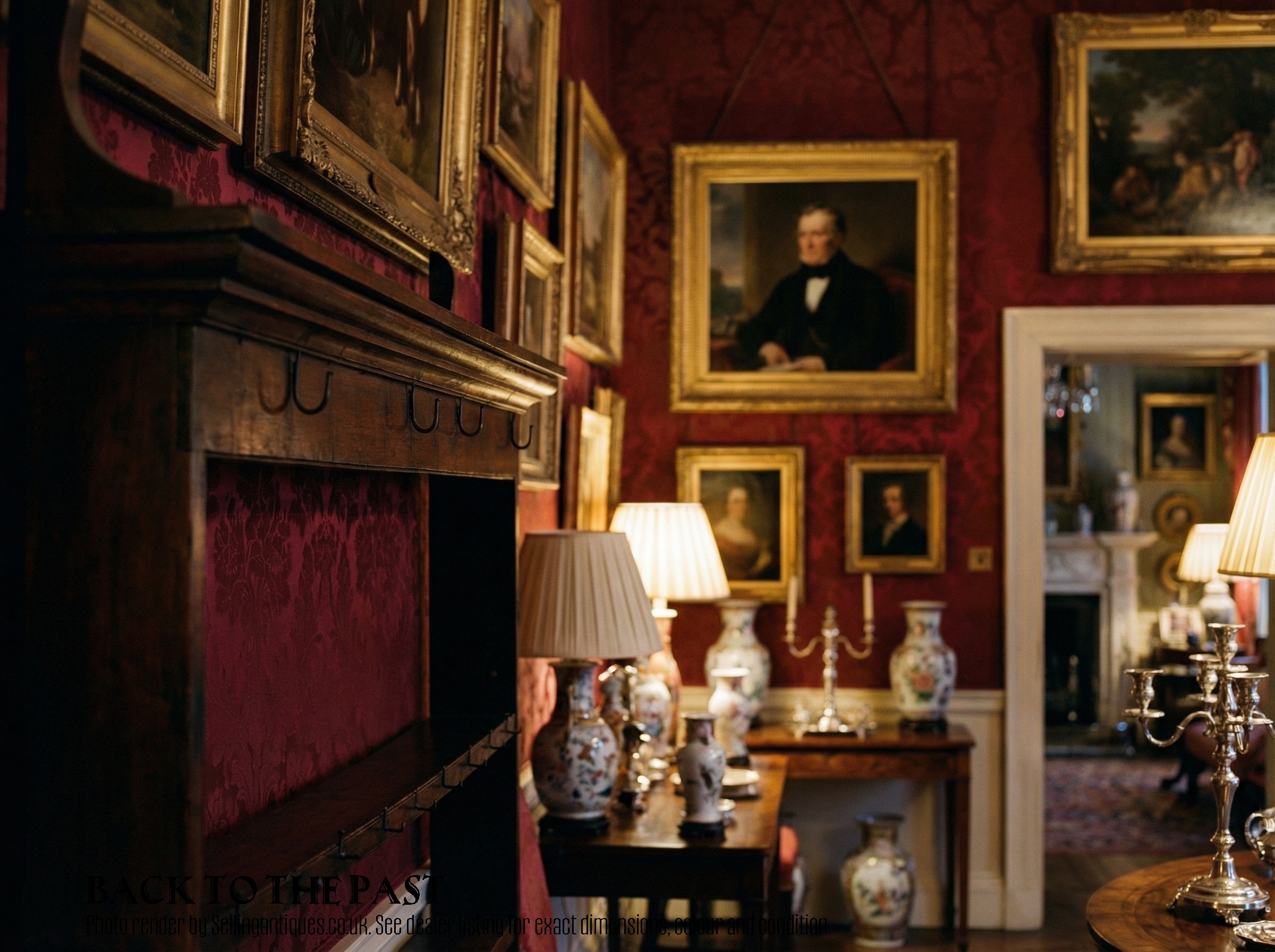
Oak Wall Shelves
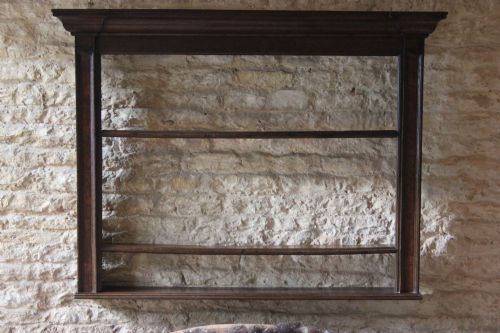
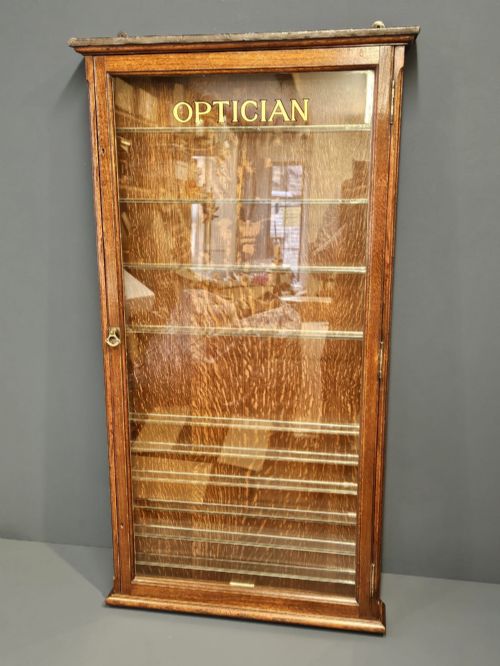
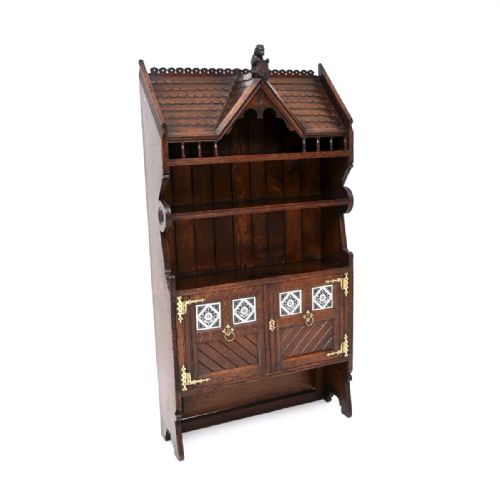
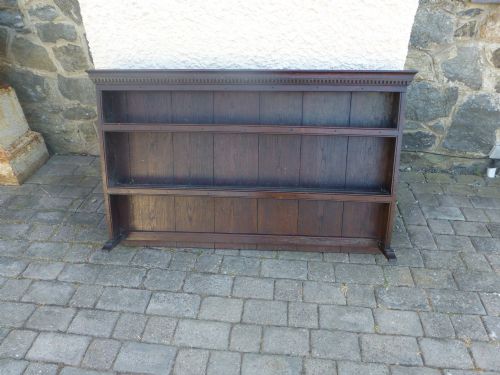
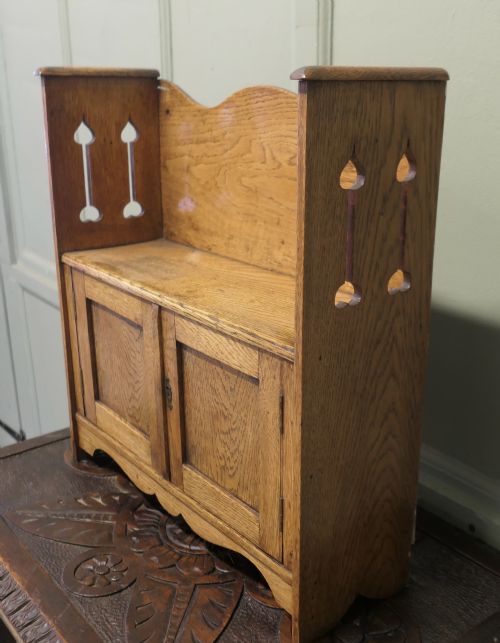
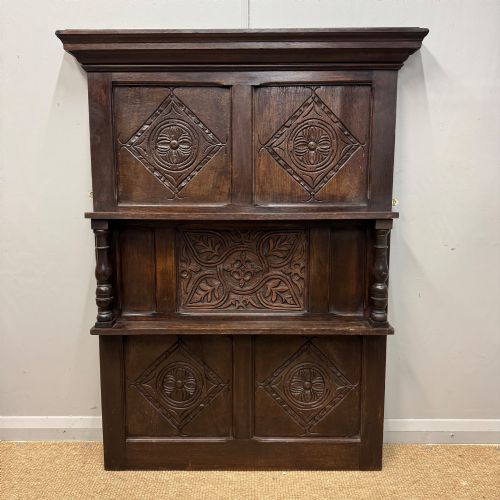
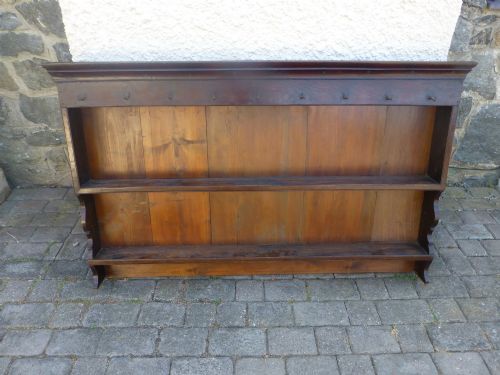
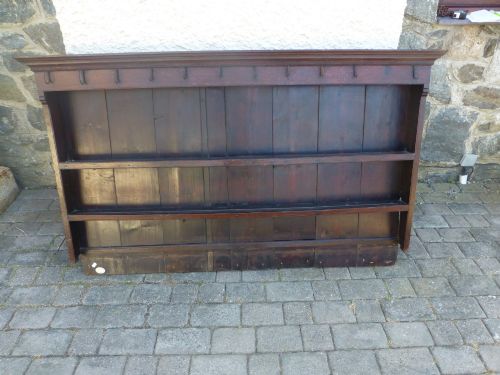
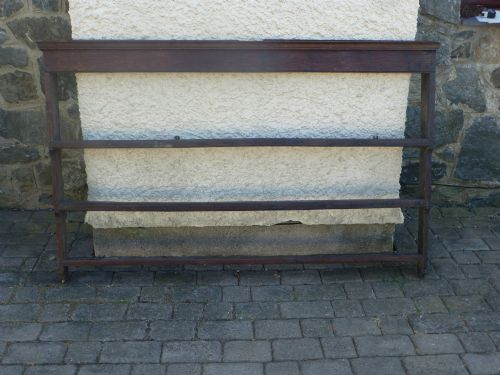
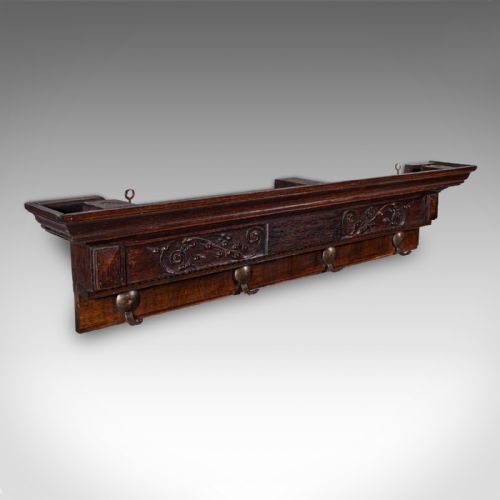
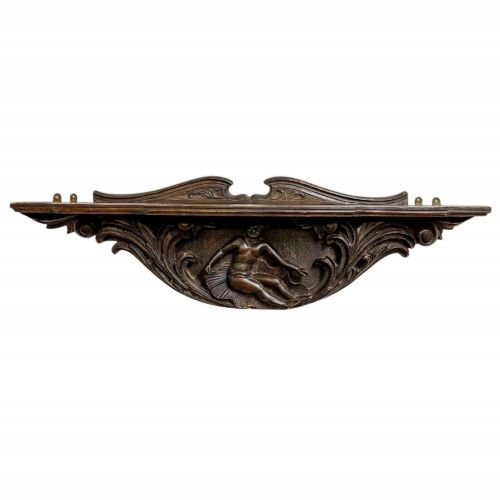
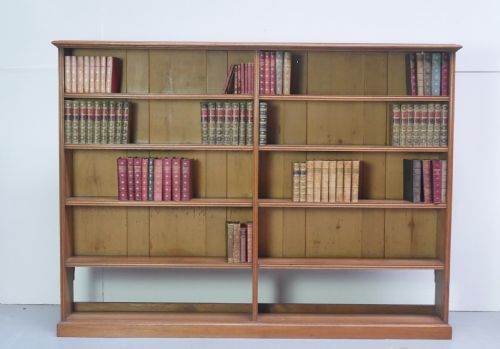
When you search for oak wall shelves, you encounter a robust mix of utilitarian plate racks, open display tiers and enclosed wall cabinets spanning multiple centuries. The selection ranges from 18th century country pieces and Georgian delft racks to later Victorian Gothic designs and Arts and Crafts creations.
The version you are most likely to meet on this page is the traditional hanging plate rack or simple tier of boards, often shaped by regional English or French provincial workshops. These items combine structural utility with domestic display, serving kitchens, halls and living rooms alike.
Materials and Construction
Carpenters relied primarily on solid oak, frequently paired with secondary timbers like pine or beech for backing boards and internal partitions, utilising pegged joints and hand-cut dovetails. Grain patterns varied from plain quarter-sawn boards to richly figured surfaces shaped by natural timber growth.
Makers incorporated carved ornamentation, brass fittings and iron hooks into the timber framework, uniting decorative carving with load-bearing wall brackets.
Oak Wall Shelves Retail Price Guide 2026
Typical asking prices for oak wall shelves among the pieces listed under this phrase on Sellingantiques today, from the lower quarter to the upper quarter. They describe what is for sale here now, not the wider market.
Materials recorded across the archive include solid oak, mahogany, glass, brass, iron and carved pine.
Quality and Proportion
The distinction between ordinary utility items and superior examples lies in the integrity of the timber selection and the precision of the joinery. Pieces featuring pegged framing, well-proportioned mouldings and original surface patination stand apart from heavier, later adaptations.
Proportion and depth dictate visual success, where graduated tiers or carefully balanced carving elevate a simple storage board into a considered architectural accent.
Heals·Liberty and Co·John Moyr Smith
The Oak Wall Shelves Glossary
- Delft rack
- A specialised wall-mounted shelf featuring horizontal grooves or timber rails designed to display ceramic plates upright.
- Overmantel
- A decorative panel, mirror or shelf assembly fitted directly above a fireplace mantelpiece.
- Quarter-sawn
- A method of timber cutting that produces boards with straight, parallel growth rings and distinctive medullary ray flecks.
- Pegged joint
- A traditional construction technique securing mortise and tenon joints with wooden dowels rather than metal fasteners.
- Aesthetic Movement
- A late 19th-century design style prioritizing visual beauty and craftsmanship over strict historical revivalism.
Oak Wall Shelves: Frequently Asked Questions
How do I hang antique shelves safely?
Most antique wall pieces rely on original hanging brackets or internal screw holes positioned behind the upright timbers. Fixing directly into wall studs ensures adequate support for heavy oak boards.
Using appropriate masonry anchors or timber screws prevents strain on antique joints and maintains the stability of the mounted display.
What is a delft rack used for?
Delft racks were traditionally designed in kitchens and dining rooms to display ceramic plates, platters and bowls upright against a wall. The narrow timber ledge keeps plates secure while presenting domestic pottery to view.
Today, these shelves serve equally well for displaying books, framed pictures and decorative ceramics in modern interiors.
How do I date an oak wall shelf?
Dating relies on examining tool marks, construction methods, timber selection and stylistic details such as Gothic revival arches or Arts and Crafts pegs. Hand-cut joinery and period hardware point to earlier centuries.
Comparing the board thickness and backing construction helps distinguish 18th century country workshop pieces from later 19th century reproductions.
Can these shelves support heavy books?
While solid oak provides immense structural strength, load capacity depends entirely on the thickness of the timber shelves and the security of the wall fixings. Smaller cabinet shelves suit lighter items.
Substantial Victorian or Georgian wall brackets and deep plate racks handle heavier volumes, provided they are anchored firmly into structural walls.