




18th Century Delft Rack
An 18th century delft rack is a wall-hanging display unit designed to hold ceramic plates securely in domestic interiors.
18th Century Delft Rack
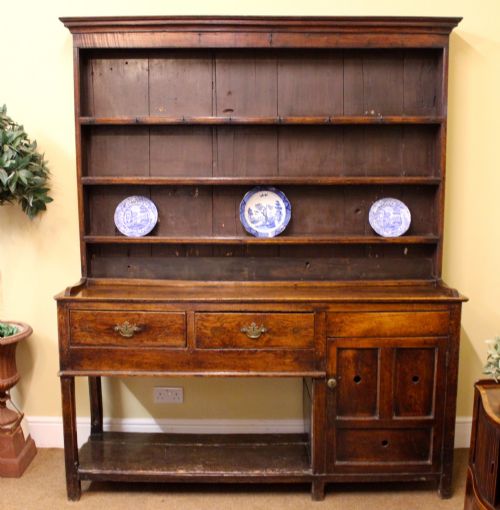
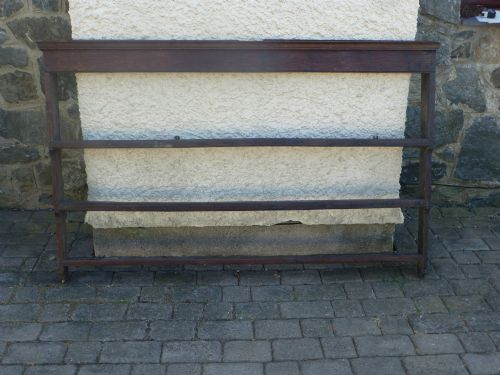
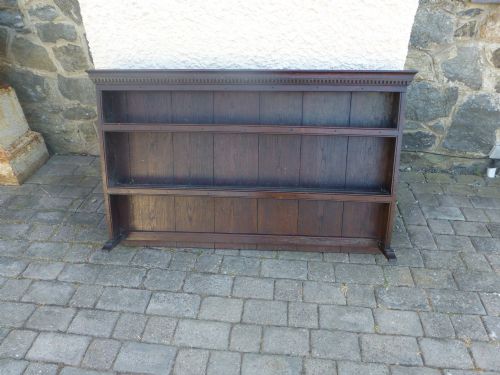
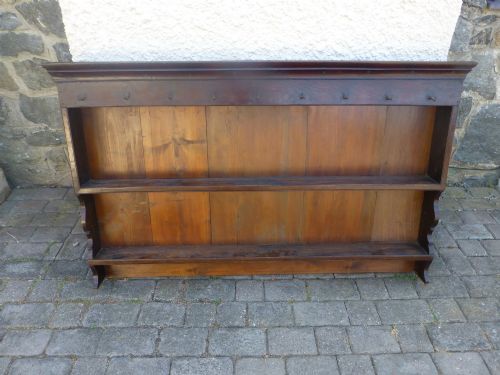
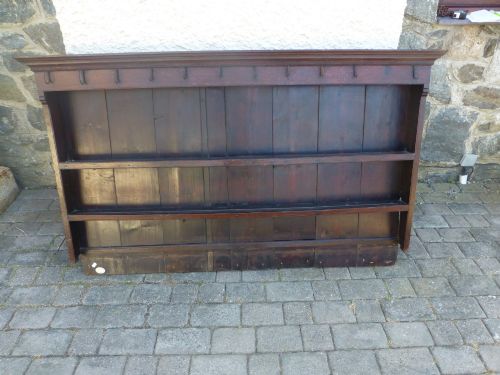
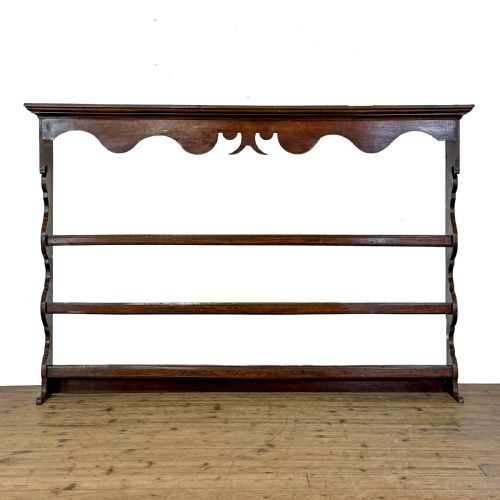
The 18th century delft rack is a distinct form of wall shelf built primarily to display earthenware and ceramic plates in historic kitchens and dining rooms. These pieces appear mostly as plate racks, dresser racks, and wall shelves originating from the 18th century and Georgian periods.
Most examples found on this page are constructed from oak and pine, aligned with English country and Georgian styles. Simpler hanging versions appear alongside larger dresser racks, providing functional storage that mounts directly to the wall.
What varies in quality
Quality differences emerge through timber selection and the retention of original surfaces, such as early paint finishes or patinated oak. Heavier construction using dense oak indicates a sturdier build than lighter pine alternatives.
Proportion and decorative detailing separate basic utilitarian shelves from superior examples featuring fretwork or architectural elements like Corinthian columns. The structural integrity of the plate slats and sideboards dictates the overall preservation state.
18th Century Delft Rack Retail Price Guide 2026
Typical asking prices for 18th century delft rack among the pieces listed under this phrase on Sellingantiques today, from the lower quarter to the upper quarter. They describe what is for sale here now, not the wider market.
Listings demonstrate timber variations spanning oak, pine, elm, and fruitwood across English and French regional origins.
The 18th Century Delft Rack Glossary
- Delft rack
- A wall-mounted wooden shelving unit specifically designed with slotted rails to hold ceramic plates upright. These fixtures served both practical drying functions and decorative display purposes in historical homes.
- Dresser rack
- The upper shelving section of a kitchen dresser, which is frequently found separated and hung independently upon a wall. They provide multiple tiers for plate storage and display.
- Fretwork
- Openwork ornamentation carved into thin wood boards using a piercing technique. This decorative detail appears along the cornices or aprons of finer period racks.
- Corinthian column
- A classical architectural pillar featuring ornate capitals decorated with acanthus leaves. Such formal details occasionally flank provincial country furniture of the Georgian era.
18th Century Delft Rack: Frequently Asked Questions
How do I hang an 18th century delft rack safely?
These heavy wooden structures require secure fixing directly into structural wall studs or masonry using appropriate steel brackets.
Because original hanging points may have worn over centuries, modern concealed internal fixings are often added to distribute the weight evenly.
What is the difference between a plate rack and a dresser rack?
A plate rack is typically built as a standalone wall-hanging unit with integrated slots for holding ceramic tableware upright.
A dresser rack originally formed the upper tier of a two-part kitchen dresser before becoming separated into an independent wall shelf.
Can these racks support modern heavy dinner plates?
Period racks were constructed to hold earthenware and delftware, which are often lighter than modern stoneware.
One should check the depth of the plate channels and the rigidity of the wooden slats before loading them with heavy contemporary crockery.
How do I identify the wood used in a delft rack?
Oak is identified by its prominent medullary rays and distinct grain patterns, while pine generally shows softer growth rings and lighter coloration.
Regional pieces may also utilise elm or fruitwood, which exhibit tighter grain structures and deeper warm tones.