


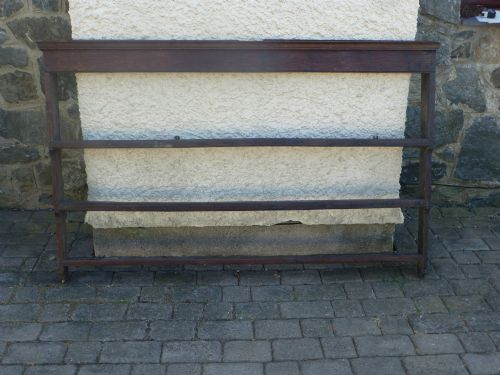
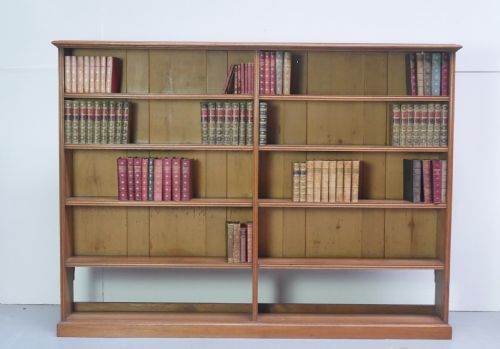
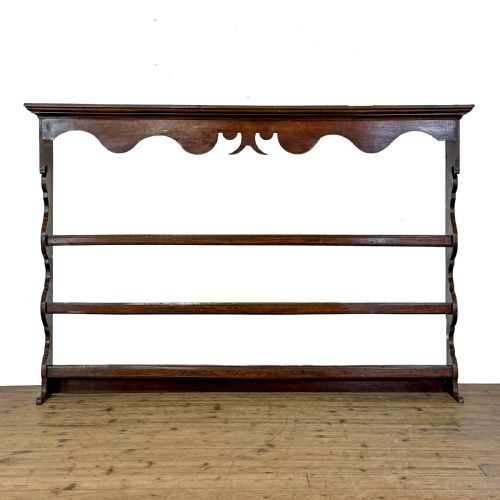
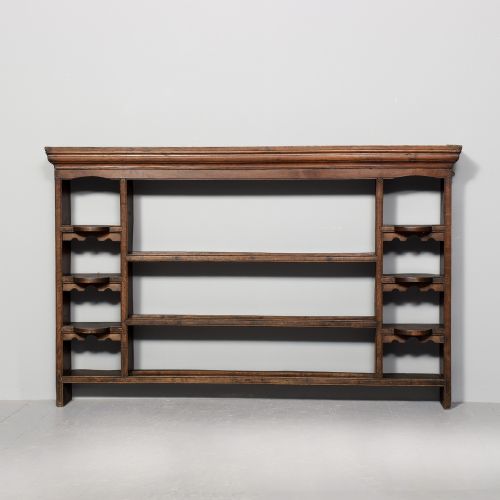


Traditional Oak Wall Shelving
Traditional oak wall shelving brings durable storage and rich character to a room, offering practical display space built from timber with deep historical patination.
Traditional Oak Wall Shelving
Traditional oak wall shelving encompasses sturdy timber fixtures designed to mount onto interior walls for the display of ceramics, books, and household goods. These pieces bridge utilitarian storage and decorative display, serving as functional architecture within domestic spaces.
Buyers exploring traditional oak wall shelving frequently encounter provincial forms from the eighteenth and nineteenth centuries. The selection spans distinct regional interpretations, including English country plate racks and French provincial wall storage.
Common formats include open dresser racks, hanging bookshelves, and corner units designed to utilise room perimeters efficiently. Each iteration reflects the straightforward carpentry of its period, prioritising robust construction and straightforward utility.
How traditional oak wall shelving was made
Makers constructed traditional oak wall shelving primarily using solid oak timber, frequently selecting boards with pronounced grain patterns and natural figuring. Workshops supplemented this foundational material with iron and brass fixings or hardware where structural support or hanging mechanisms required metal reinforcement.
Joinery techniques relied on traditional hand tools, resulting in pegged joints, dovetails, and rebated boards that held firm under the weight of heavy ceramics and books. Surfaces received hand-planed finishes that aged into patinated tones over centuries of domestic use.
Traditional Oak Wall Shelving Retail Price Guide 2026
Typical asking prices for traditional oak wall shelving among the pieces listed under this phrase on Sellingantiques today, from the lower quarter to the upper quarter. They describe what is for sale here now, not the wider market.
Some provincial plate racks still retain faint traces of flour dust and historic curry stains tucked deep into their plate grooves.
What varies in quality
Quality in traditional oak wall shelving rests upon the integrity of the timber selection and the restraint shown in historical repairs or alterations. Pieces retaining their original hanging points and undisturbed surface patination demonstrate superior historical honesty.
The sophistication of regional moulding profiles and the harmony of proportion between shelf depths and upright supports distinguish standard workshop output from finer vernacular examples. Structural balance determines how cleanly the piece sits against a wall.
The Traditional Oak Wall Shelving Glossary
- Delft rack
- A specialised wall-mounted shelving unit designed specifically to display ceramic plates upright in staggered grooves. These racks protect tableware while keeping everyday items within reach.
- Corner cupboard
- A triangular cabinet or shelving unit built to fit snugly into the internal corner of a room. This form maximises floor and wall space in smaller domestic interiors.
- Provincial
- A term describing furniture made in regional areas outside metropolitan design centres. Such pieces often exhibit idiosyncratic local construction methods and native timber choices.
- Patina
- The surface sheen and colour depth developed by wood through decades of handling, light exposure, and polishing. It marks genuine age and distinguishes old timber from modern staining.
Traditional Oak Wall Shelving: Frequently Asked Questions
How do I hang heavy oak wall shelves securely?
Heavy oak shelves require direct fixing into wall studs or solid masonry using appropriate steel brackets and heavy-duty screws. The considerable weight of dense oak timber demands professional load-bearing assessment before mounting.
Ensuring the structural integrity of the wall prevents sagging or detachment over time. Distributing weight evenly across the fixing points maintains long-term stability.
Can I place these shelves in a modern kitchen?
Traditional oak wall shelving integrates smoothly into modern kitchens by offering functional storage for everyday crockery and dry goods. The warm tone of aged timber softens contemporary architectural lines.
Protecting the wood from excessive moisture and direct heat sources ensures the timber remains stable in busy culinary environments.
How do I date an antique oak wall shelf?
Dating relies on observing tool marks, timber shrinkage patterns, joinery methods, and the style of mouldings. Eighteenth-century pieces often display hand-sawn board edges and pegged joints.
Comparing hardware types and overall wear characteristics helps narrow down whether a piece originates from the Georgian era or later nineteenth-century revival periods.