

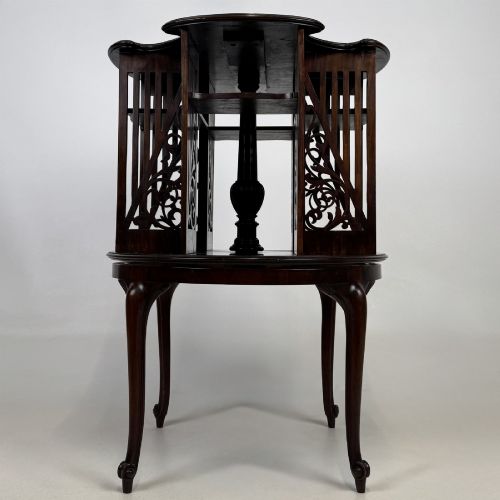
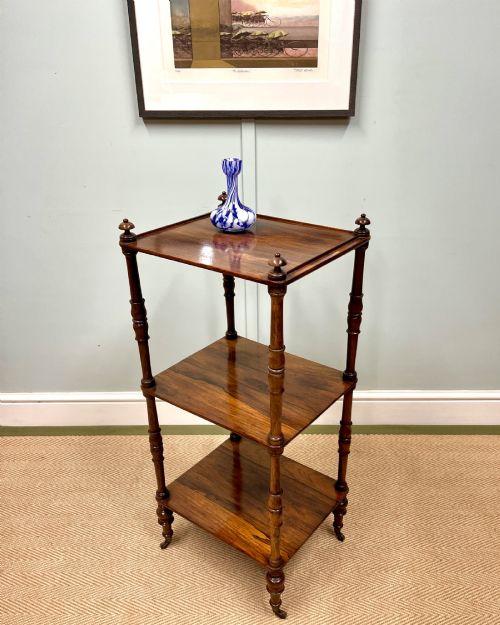
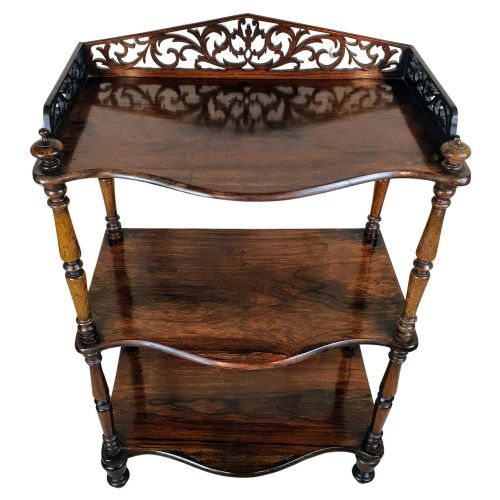
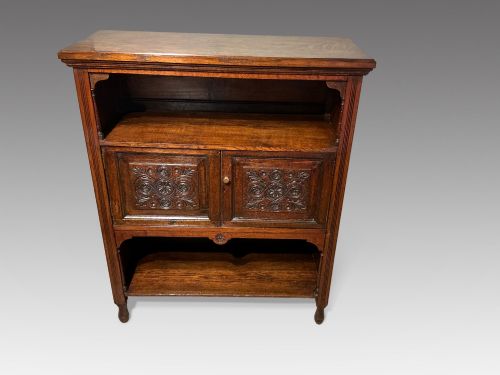
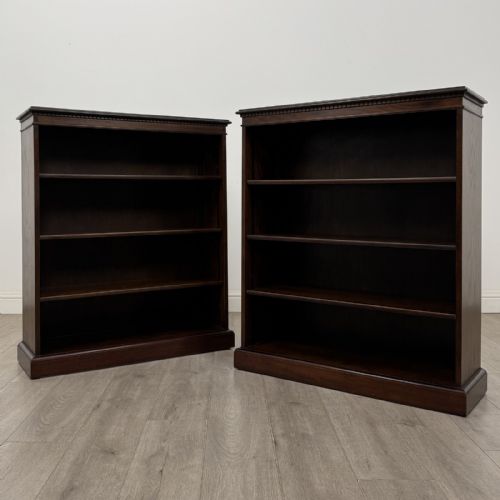
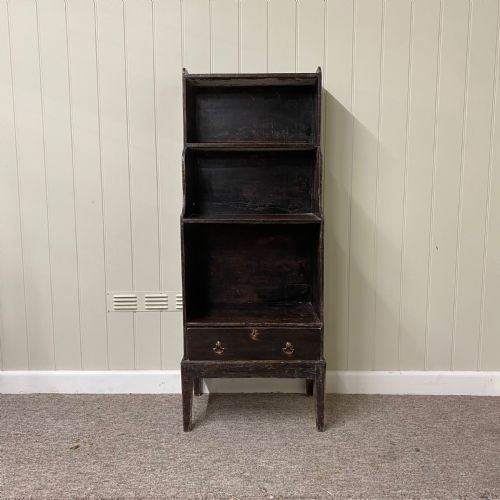
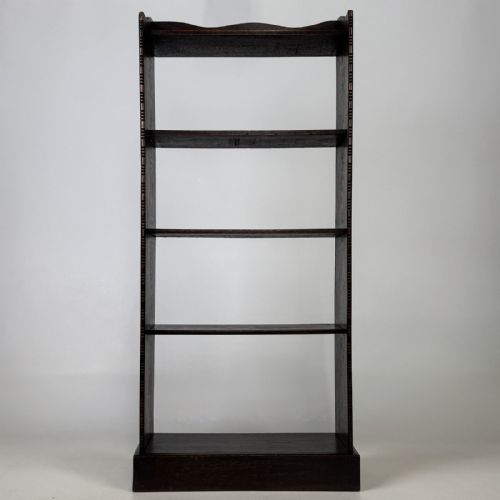
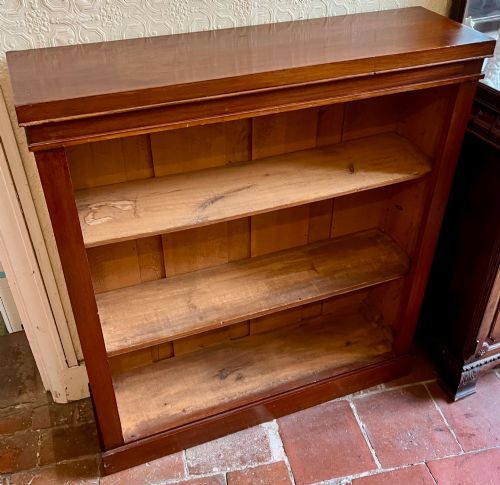
Dark Wood Display Shelves
Dark wood display shelves bring warmth and architectural structure to any room, offering practical tiers for cherished objects.
Dark Wood Display Shelves
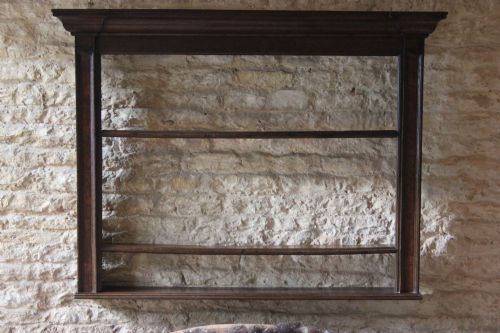
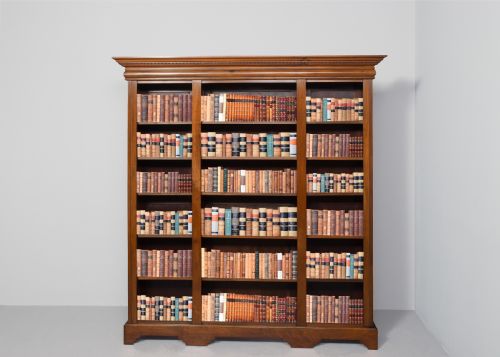
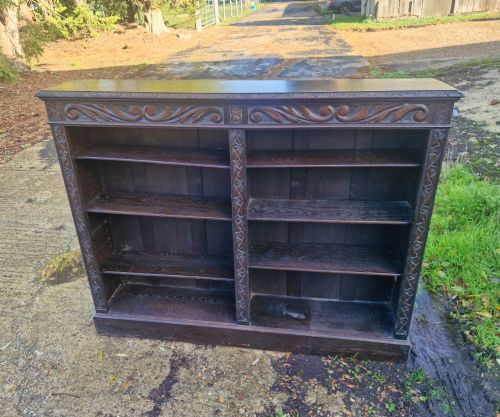
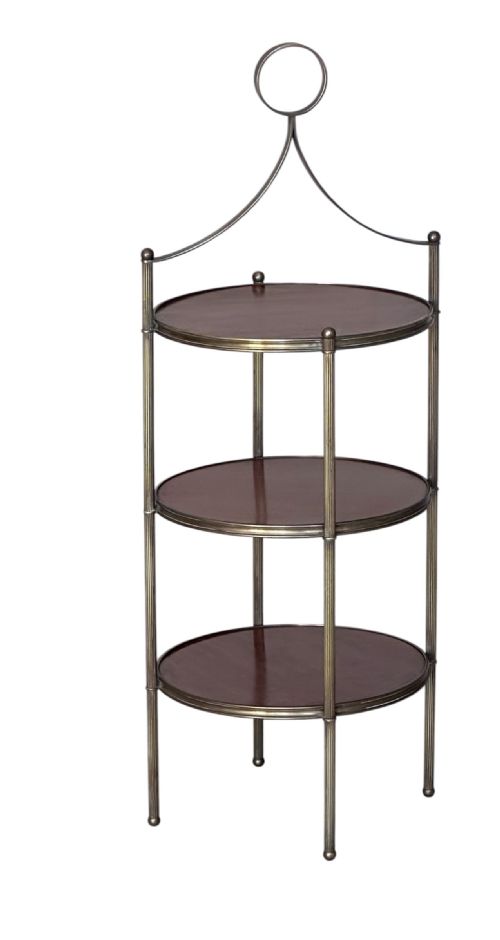
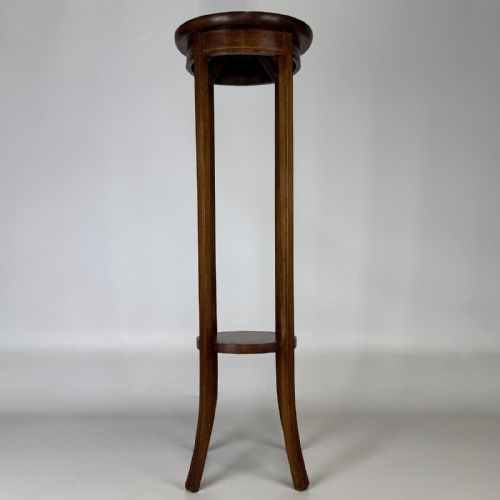
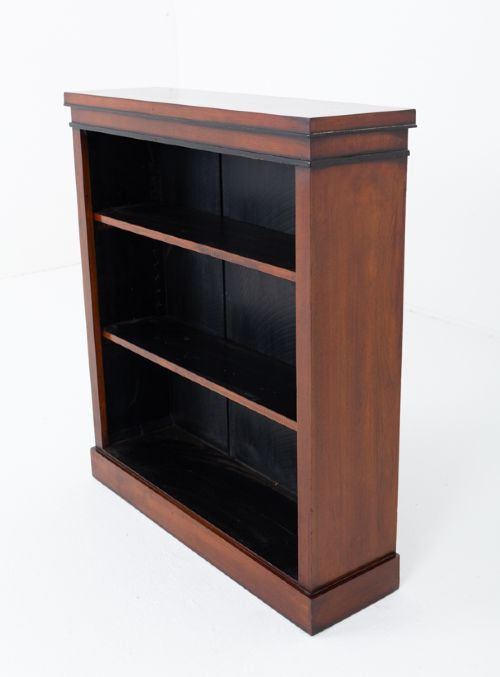
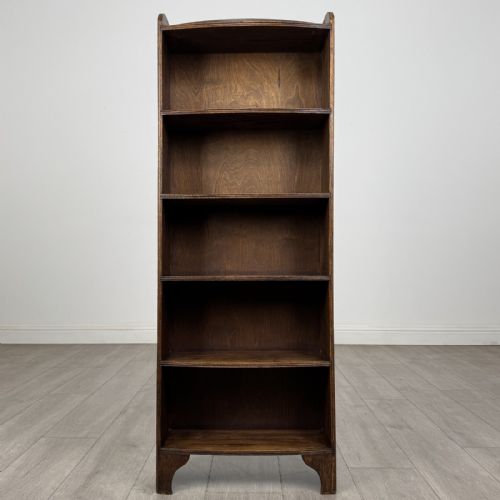
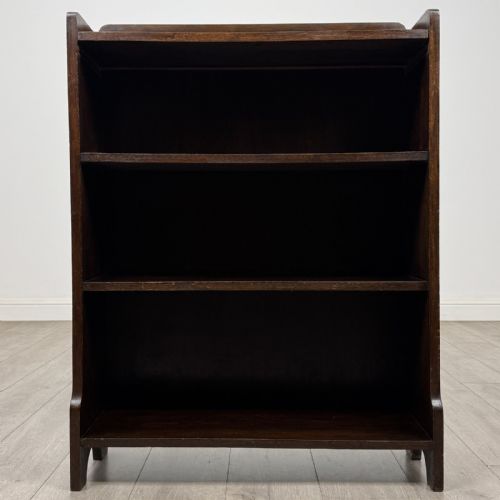
Dark wood display shelves encompass tiered étagères, wall-mounted plate racks, and standing cabinets designed to showcase small possessions. These pieces bridge utilitarian storage and decorative furniture, utilising rich, deep-toned timbers to frame interiors.
The selections available here range from compact wall-hanging plate racks to substantial multi-tiered freestanding whatnots. Influences span English Regency and George IV periods alongside French Revival and Japonisme aesthetic movements.
Materials and Construction
Cabinetmakers constructed these dark wood display shelves using dense timbers such as rosewood, oak, teak, and hard woods. Selected examples incorporate contrasting details like brass mounts and mother of pearl inlay.
Structural forms rely on tiered uprights joined to supporting pillars, alongside wall-mounted plate rack frames. Decorative elements include painted panels and distinctive joinery suited to maritime or domestic settings.
Dark Wood Display Shelves Retail Price Guide 2026
Typical asking prices for dark wood display shelves among the pieces listed under this phrase on Sellingantiques today, from the lower quarter to the upper quarter. They describe what is for sale here now, not the wider market.
Ship's teak whatnots carry literal sea legs, having been built to stay steady while the world rocked beneath them.
Judging Quality
Quality rests in the selection of the timber grain, whether figured rosewood, polished oak, or durable ship's teak. Refined examples demonstrate careful attention to decorative accents like brass fittings and inlaid mother of pearl.
Construction integrity distinguishes standard utilitarian pieces from exceptional cabinet work, particularly in the stability of tiered whatnots and the execution of painted panels. The cohesion of style, from French Japonisme to Georgian proportion, guides the overall success of the piece.
The Dark Wood Display Shelves Glossary
- Whatnot
- A piece of furniture consisting of open shelves for displaying ornaments or books, developed in the eighteenth century and popular throughout the nineteenth century.
- Étagère
- A piece of furniture with a set of open shelves for displaying small objects or ornaments, originating in France.
- Plate Rack
- A wall-mounted wooden rack specifically designed for holding and displaying dining plates or platters vertically.
- Japonisme
- The study of Japanese art and artistic style, which heavily influenced European design during the late nineteenth century.
- Rosewood
- A heavy, hard dark wood that takes a fine polish, frequently used in high-status nineteenth-century cabinet work.
Dark Wood Display Shelves: Frequently Asked Questions
What is the difference between an étagère and a whatnot?
An étagère typically refers to a piece of French origin featuring open shelves, often decorative and light in construction. A whatnot is more commonly associated with British furniture traditions, serving as a multi-tiered stand for general display.
Both forms fulfill the primary function of holding ornaments, but their stylistic detailing reflects different regional design histories.
How were maritime teak shelves used?
Teak shelves built for ships needed to withstand moisture and movement at sea, utilising robust construction methods. They provided stable storage for navigation instruments, books, or personal possessions in confined spaces.
Today, these pieces bring a distinct industrial and nautical character into domestic interiors.
Where should I place a wall plate rack?
Wall-mounted plate racks work well in kitchens, dining rooms, or living spaces where vertical wall display is preferred over floor-standing furniture. They are designed to securely hold plates upright against a backing board.
Ensure the wall fixings are secure, as loaded wooden racks carry significant weight.
How do I care for rosewood shelves?
Maintain rosewood display shelves by dusting regularly with a soft, dry cloth to prevent surface scratching. Avoid placing them in direct sunlight or near heat sources to protect the polished wood from fading and drying out.
Occasional treatment with appropriate furniture wax helps preserve the natural depth of the dark timber grain.