





Antique Slatted Shelf
An antique slatted shelf offers practical open storage built from timber, iron or brass across various domestic forms.
Antique Slatted Shelf
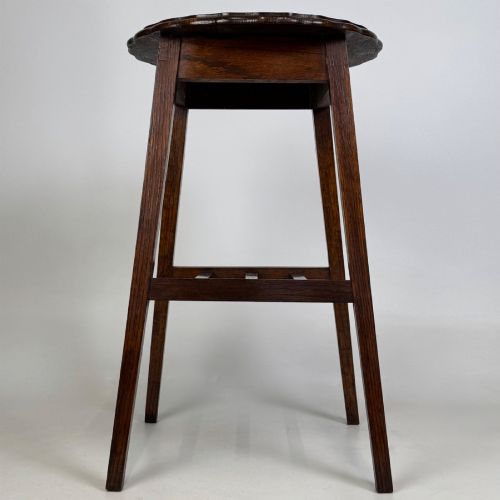
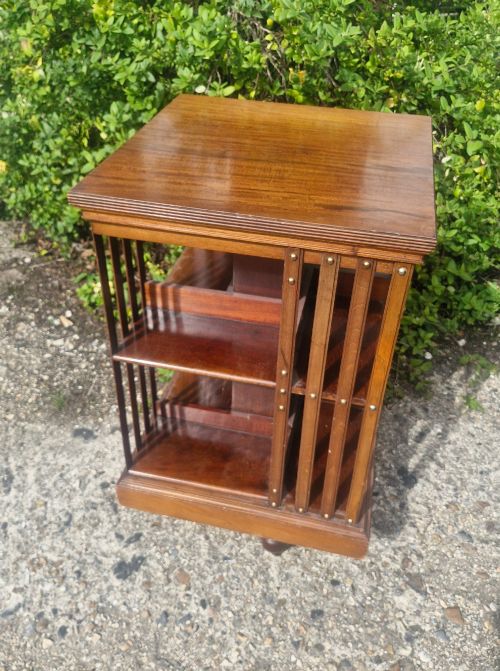
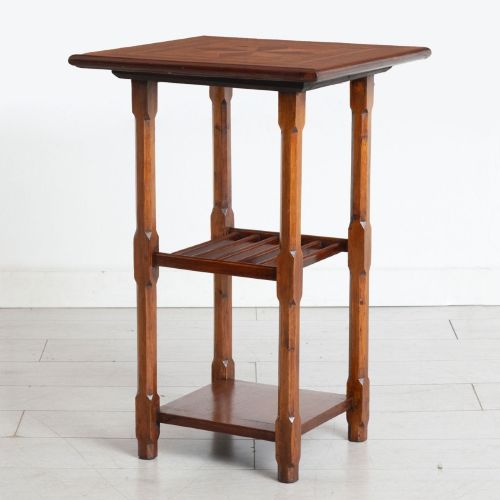
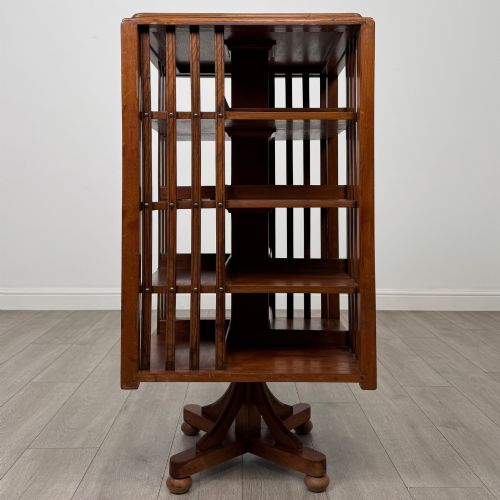
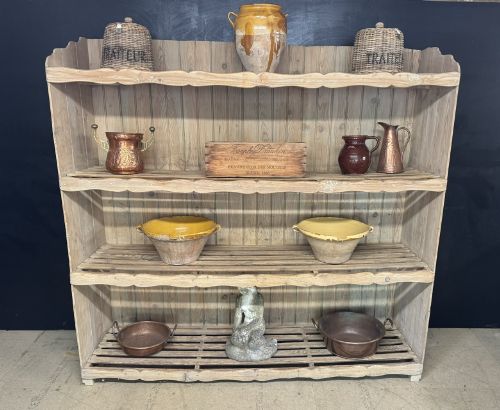
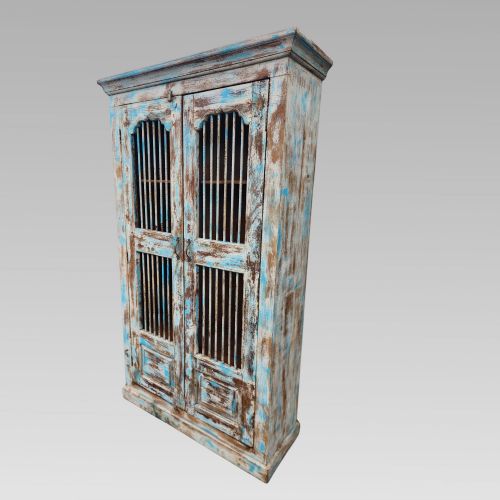
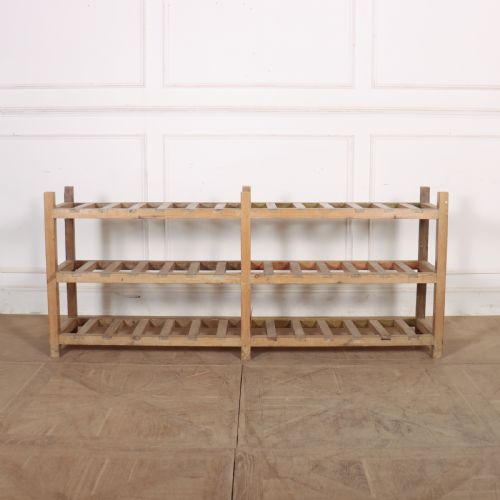
An antique slatted shelf represents utilitarian furniture designed for display or storage, appearing across different domestic and commercial contexts in the evidence. These items encompass varied forms such as shoe racks, luggage racks, bakers racks, plant stands and bookcases originating from the eighteenth century through to the early twentieth century.
The versions most commonly met span nineteenth century pine and oak constructions alongside Edwardian and later pieces. Makers utilised sturdy regional woods and metals to create open framework structures suited to heavy daily use in country houses, shops and ships.
How they were made
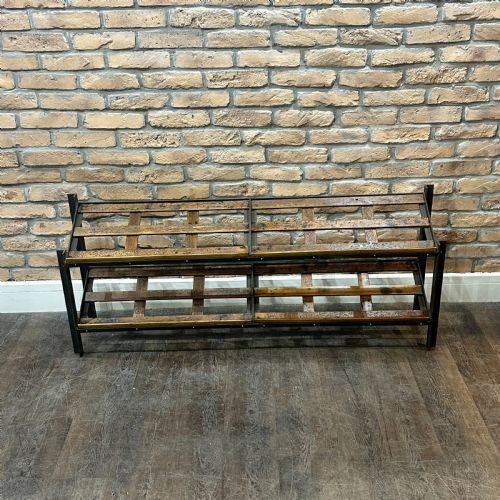
Makers constructed these pieces primarily using solid timbers like oak, pine, mahogany and teak, often combining them with wrought iron, brass, bronze or painted finishes. Metal elements included riveted iron and scroll-work structures designed to bear weight securely in commercial or domestic settings.
Joinery and assembly relied on robust methods suited to functional furniture, from shipboard joinery to riveted metalwork on bakers racks and plant stands. Surface treatments ranged from natural polished hardwoods to painted country house finishes and specialist specimen woods.
The listings on this site feature nineteenth-century and Edwardian pieces constructed from oak, pine, mahogany, brass and wrought iron.
What varies in quality
The standard of materials and timber selection dictates the distinction between standard utility items and finer examples. Pieces constructed from solid teak, mahogany or specimen woods display a superior grade of craftsmanship compared to basic pine or standard workshop output.
Design complexity and hardware also influence the overall calibre of a piece. Elaborate scroll-work iron, riveted structural detailing and sophisticated revolving mechanisms demonstrate a higher level of execution by the maker.
The Antique Slatted Shelf Glossary
- Slatted
- Constructed with narrow strips of wood or metal spaced at intervals. This method allowed for air circulation and drainage, making it practical for utility items.
- Whatnot
- A piece of open shelving furniture designed for displaying ornaments or books. These multi-tiered units appeared frequently in nineteenth-century interiors.
- Bakers rack
- A sturdy metal or wood shelving unit originally used in food preparation and baking. Industrial examples often feature heavy iron frames and slatted surfaces.
- Luggage rack
- A compact folding or fixed stand designed for holding travel bags. These typically combine timber slats with metal or wooden supports.
Antique Slatted Shelf: Frequently Asked Questions
What rooms suit an antique slatted shelf?
These pieces fit naturally into kitchens, boot rooms and living spaces where open storage is useful. Their robust construction handles daily use while providing visible organisation for books, shoes or plants.
Matching the scale of the shelf to the room ensures the proportions remain balanced. Smaller plant stands and luggage racks adapt well to narrow hallways and compact corners.
How do I care for wooden slats?
Timber slats benefit from occasional waxing or dusting with a dry cloth to maintain the finish. Avoid placing damp items directly onto untreated wood surfaces to prevent water marking.
Keeping humidity stable in the room protects the joints and prevents the timber from splitting over time. Natural oils in woods like teak and oak require minimal intervention beyond basic cleaning.
Are iron and brass frames difficult to clean?
Metal frames require gentle dusting and occasional wiping with a soft, dry cloth to remove accumulated debris. Harsh chemical cleaners can strip historical patination from brass and painted iron.
Riveted and scroll-work iron structures need attention in crevices where dust settles. Preserving the original surface finish maintains the character of the metalwork.
How can I tell the period of a shelf?
Dating relies on observing the materials, joinery methods and overall design style present in the construction. Pieces from the eighteenth century display different tool marks and timber selections compared to Edwardian or later twentieth-century items.
Hardware components such as brass screws or iron rivets offer further clues to the manufacturing era. Comparing the form against documented regional styles helps confirm the period of origin.