




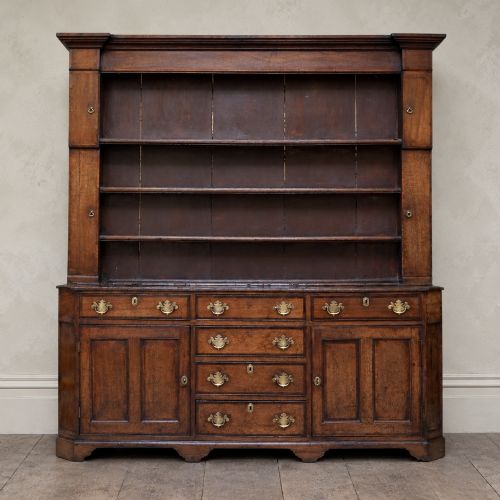
Antique Kitchen Plate Rack
An antique kitchen plate rack organises crockery with vernacular charm, bringing traditional utility and practical display directly into the modern home.
Antique Kitchen Plate Rack
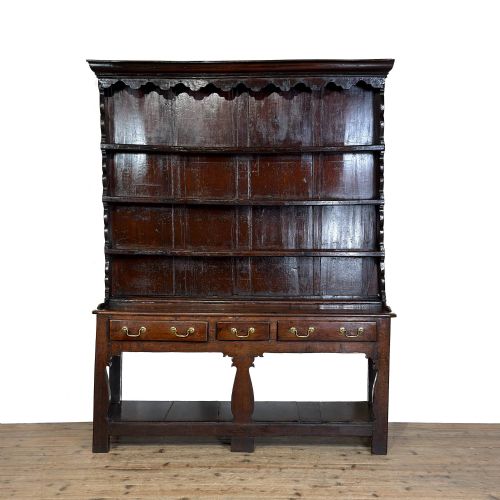
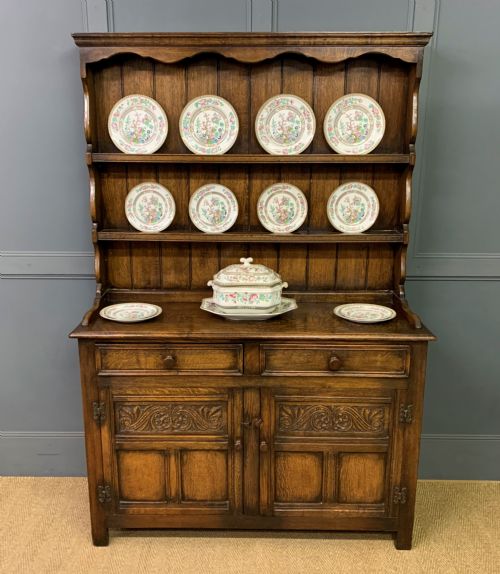
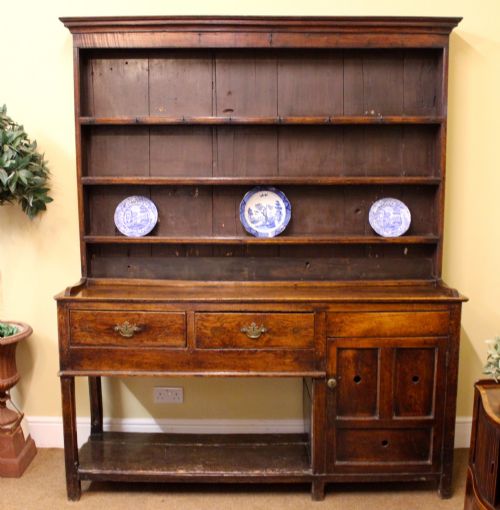
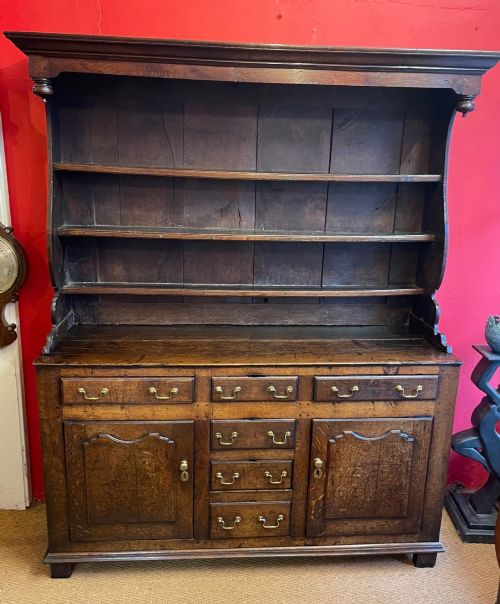
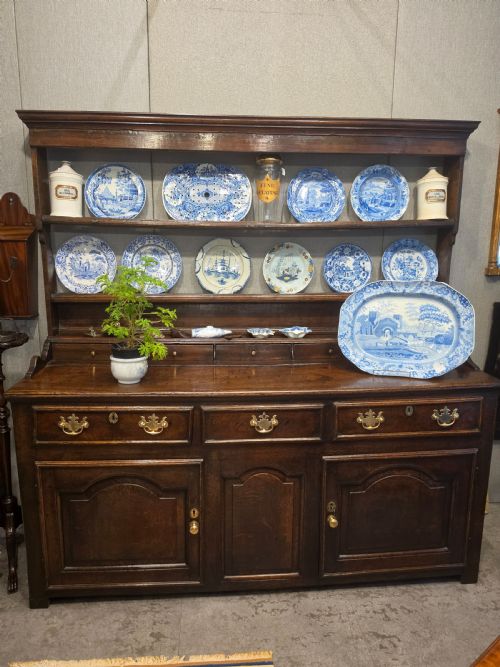
When you search for an antique kitchen plate rack, you encounter practical storage furniture designed for displaying and drying earthenware, typically found attached to dresser bases or mounted directly to kitchen walls. These pieces originate primarily from country workshops and domestic settings across Britain, spanning the eighteenth and nineteenth centuries.
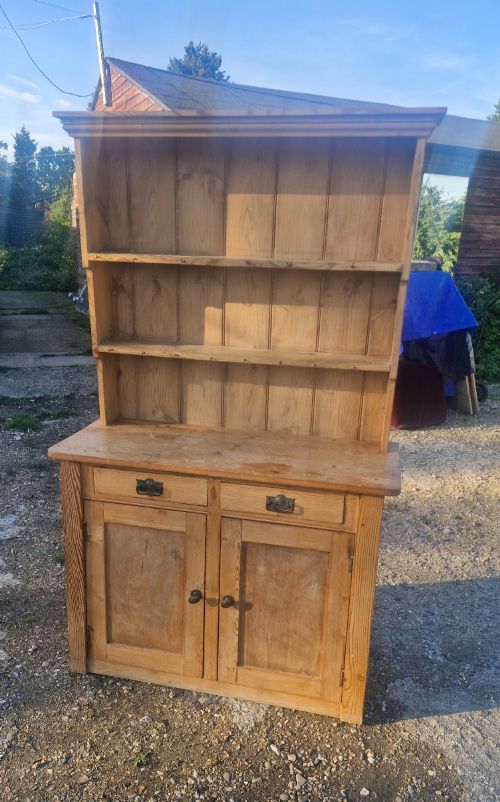
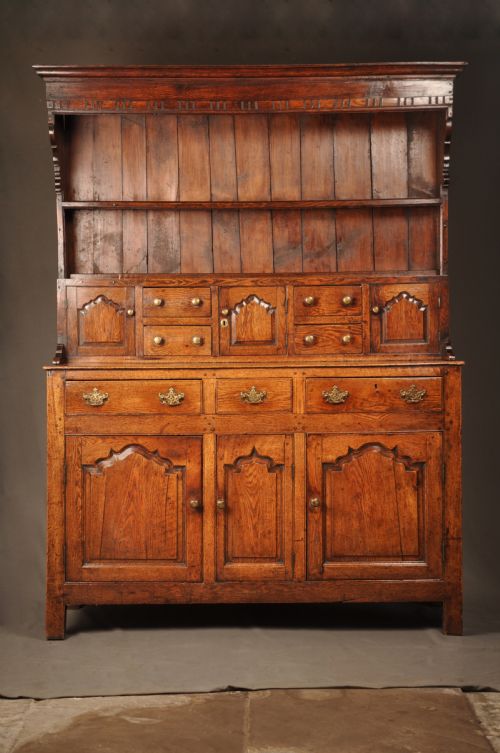
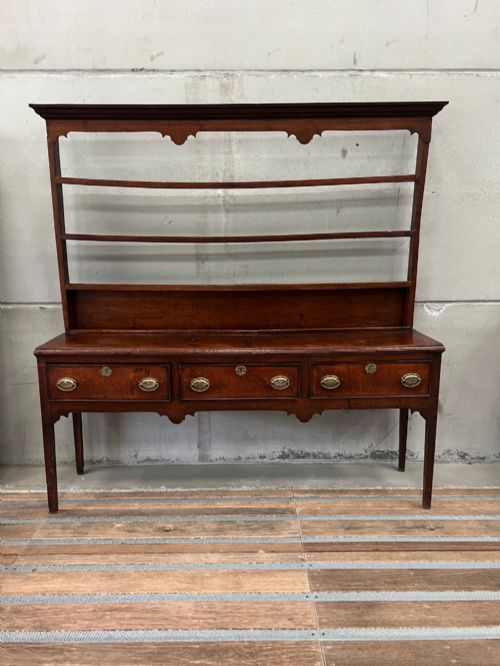
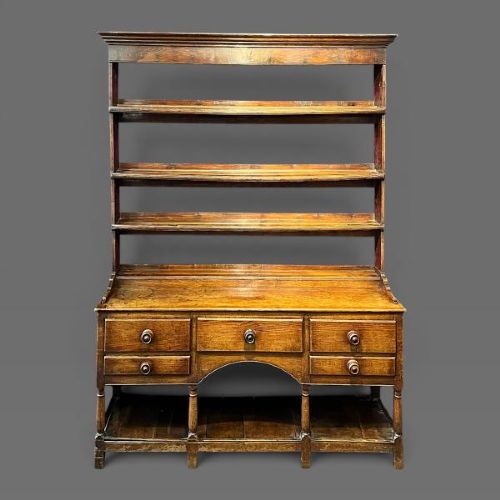
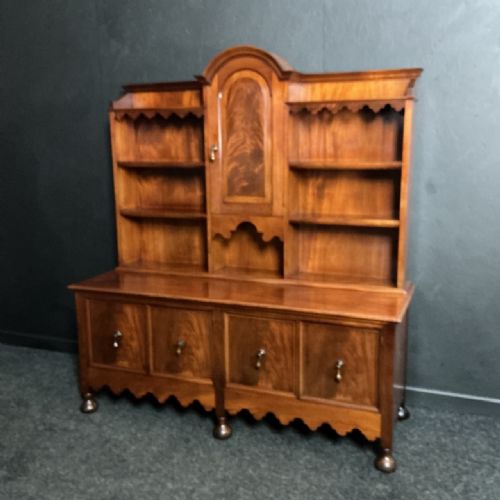
The versions most commonly met on this page include wall-mounted pine or oak shelves alongside complete Welsh and country dressers featuring integrated upper plate racks. Forms range from simple open shelving units to robust potboard dressers with graduated tiers tailored for holding heavy ceramic plates upright.
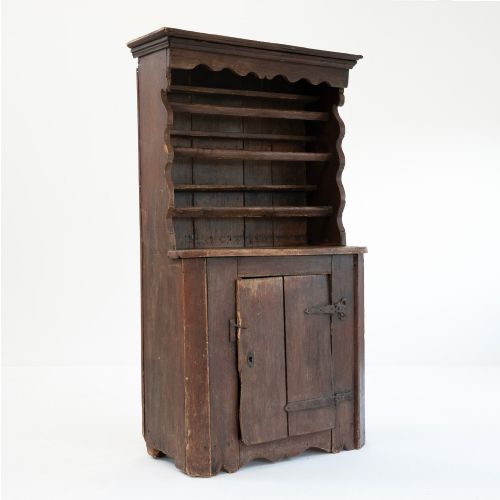
Regional variations appear frequently among the listings, particularly vernacular pieces originating from Welsh, Shropshire, and West Country traditions. These regional items often display distinct carpentry quirks, such as shaped friezes, planked backs, and small drawers incorporated beneath the shelving tiers.
Materials and Construction
Makers relied predominantly on native timbers, shaping solid oak, pine, and mahogany using traditional hand tools and pegged mortise and tenon joints. Oak and pine dominate the surviving inventory, providing the structural rigidity needed to support heavy rows of ceramic plates.
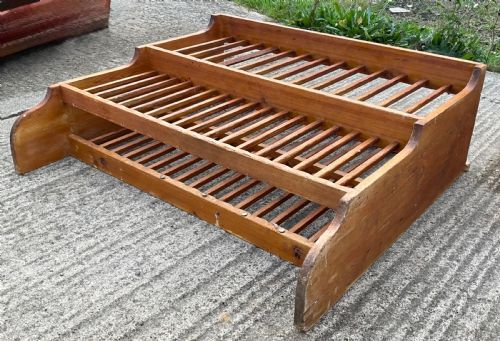
Surfaces frequently show historical traces of paint, wax, or original finishes, whilst brass hardware and iron hooks occasionally provide functional detailing for hanging utensils. Construction methods emphasise utility, utilising grooved plate rails and sturdy vertical slats to secure crockery safely against the wall.
Antique Kitchen Plate Rack Retail Price Guide 2026
Typical asking prices for kitchen plate rack among the pieces listed under this phrase on Sellingantiques today, from the lower quarter to the upper quarter. They describe what is for sale here now, not the wider market.
One extraordinary nineteenth-century Welsh dresser carries the specific provenance of having come directly from a cafe in Snowdon.
Assessing Quality
Quality rests upon the integrity of the timber selection and the retention of original surfaces rather than pristine condition. Superior examples exhibit well-proportioned architectural cornices, harmonious timber figuring, and minimal structural alteration over centuries of domestic service.
The distinction between standard utility furniture and finer pieces lies in the subtlety of the carpentry details, such as hand-cut dovetails in associated drawers and pleasing proportions in the spacing of the plate display tiers.
The Antique Kitchen Plate Rack Glossary
- Delft rack
- An open wall-mounted shelving unit specifically designed for displaying tin-glazed earthenware and ceramic plates. These racks feature narrow wooden ledges and retaining rails to keep plates upright.
- Potboard dresser
- A traditional kitchen base unit featuring a lower slatted shelf positioned just above the floor, historically used for storing heavy pots and pans. This open lower tier defines many country vernacular pieces.
- Welsh dresser
- A large kitchen storage combination comprising a base of cupboards or drawers surmounted by an open plate rack. They originated in Wales but became popular across rural Britain.
- Vernacular furniture
- Domestic items made by local tradesmen using regional styles and available native timbers, rather than following formal metropolitan design patterns. These pieces reflect local practical needs.
- Frieze
- The horizontal decorative band positioned near the top of a rack or dresser, often featuring simple shaped woodwork or carved detailing.
Antique Kitchen Plate Rack: Frequently Asked Questions
How were these plate racks used?
These racks served both for drying washed crockery and displaying the household's best ceramic plates in the kitchen or dining area.
The vertical slats and shallow ledges kept heavy earthenware secure and accessible during daily domestic work.
Are these racks wall mounted or freestanding?
Survival includes both standalone dressers with integrated upper racks and smaller hanging plate shelves designed to fix directly to kitchen walls.
Wall-hung versions suit smaller spaces, whilst complete dressers require floor space and provide substantial storage capacity.
How do I care for antique pine?
Maintain antique pine and oak surfaces by applying occasional traditional wax polish to nourish the dry timber.
Avoid placing these wooden racks in areas subject to excessive dampness or direct heat sources.
How do I distinguish regional styles?
Regional pieces often show characteristic timber choices, such as Welsh oak or West Country fruitwoods, alongside local construction habits.
Examining the backboards and drawer linings helps identify specific rural traditions from the eighteenth and nineteenth centuries.