


Edwardian Oak Plate Rack
An edwardian oak plate rack brings utilitarian charm to a kitchen wall, offering sturdy slatted timber built for displaying display china.
Edwardian Oak Plate Rack
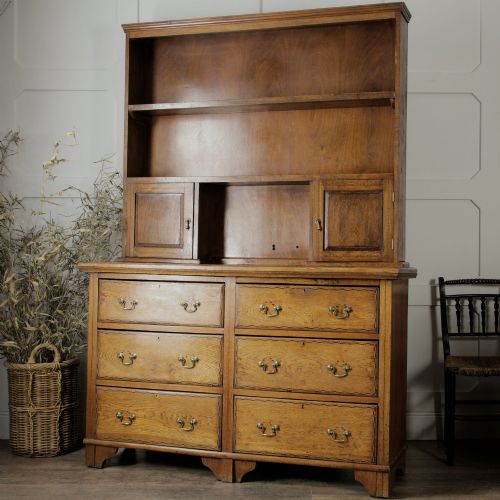
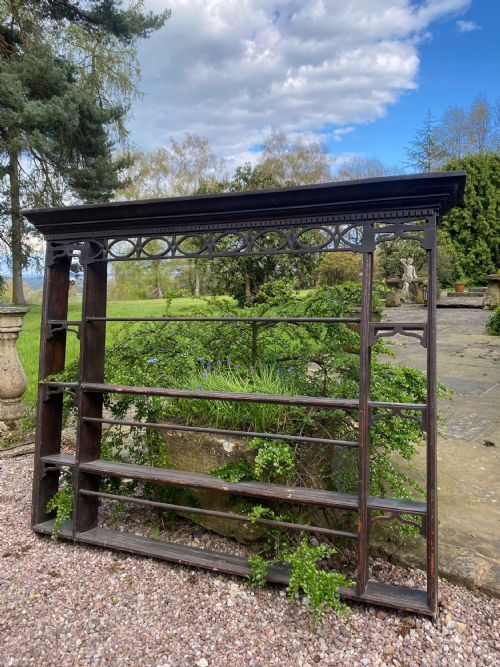
When you search for an edwardian oak plate rack, you encounter wall-mounted wooden shelves and substantial kitchen dressers designed specifically to hold crockery upright. These functional pieces range from simple wall racks originating in the eighteenth and nineteenth centuries to complete Edwardian dressers with integrated plate racks.
The surviving examples frequently display regional British utility, drawing on English country aesthetics, Arts and Crafts simplicity, and Georgian revival styles. Most of the available items centre on solid oak construction, sometimes rendered in stained oak or paired with complementary wood types.
Beyond dedicated wall shelves, the form extends to monumental country house dressers and slim cottage dressers featuring tiered upper racks. Buyers seeking this specific furnishing will find both compact wall-hanging formats and large floor-standing furniture pieces equipped for plate storage.
How they were made
Construction relies heavily on solid oak, shaped into boards and slats to withstand the daily weight of ceramic plates and platters. Workshops utilised traditional joinery methods to build wall-hanging shelves and dresser superstructures capable of secure wall attachment.
Surface treatments vary from natural honey tones to darker stained oak finishes that accentuate the distinct grain of the timber. Metal components such as brass fixtures occasionally appear on related items like spirit cask sets or camera tripods, but the primary plate racks remain defined by woodwork.
One unexpected variant in the archive even swaps plates for a double-racked focus camera mounted on an oak tripod.
What varies in quality
The distinction between standard utility items and superior pieces rests on the weight of the timber and the subtlety of the woodwork. Heavier solid oak construction and thoughtful proportions separate monumental country house examples from plain domestic shelving.
Design ambition also marks out the better specimens, with Arts and Crafts influences or carved architectural details elevating a simple kitchen necessity into a piece of decorative furniture.
Benetfink and Co
The Edwardian Oak Plate Rack Glossary
- Edwardian
- Pertaining to the reign of King Edward VII, spanning the early twentieth century up to the First World War. Pieces from this era often balance traditional forms with lighter proportions.
- Arts and Crafts
- A design movement valuing handcraftsmanship, simple forms, and natural materials over mass-produced ornamentation. It heavily influenced early twentieth-century British furniture.
- Dresser
- A kitchen or dining room furnishing combining lower cupboards or drawers with an upper open shelving rack for displaying plates. They are frequently made of oak.
- Pot Board
- A lower slatted shelf beneath a dresser used traditionally for storing pots and pans. This feature appears on vernacular oak dressers.
- Gothic Revival
- An architectural and decorative style drawing inspiration from medieval forms, occasionally referenced in nineteenth-century oak furniture.
Edwardian Oak Plate Rack: Frequently Asked Questions
How do I hang a heavy oak plate rack?
Due to the substantial weight of solid oak timber and stacked ceramic plates, these wall shelves require secure fixing into structural wall studs or masonry using appropriate heavy-duty brackets.
Ensuring the mountings match the scale of the rack prevents strain on the historical wood joints.
Can these racks support heavy dinnerware?
Most antique oak plate racks were built for domestic utility, meaning the slatted timber and structural framing are naturally suited to holding everyday ceramics securely in place.
However, checking the depth of the plate grooves and the overall sturdiness of the wall fixings is advisable before loading heavier platters.
How do I clean and maintain antique oak?
Regular dusting with a dry, soft cloth maintains the surface of the wood without introducing excess moisture that could damage older finishes or joints.
A light application of traditional beeswax can nourish dry oak surfaces when needed.