
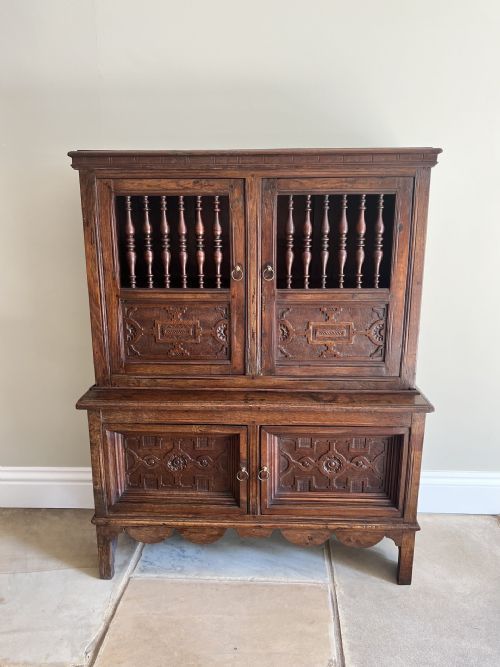
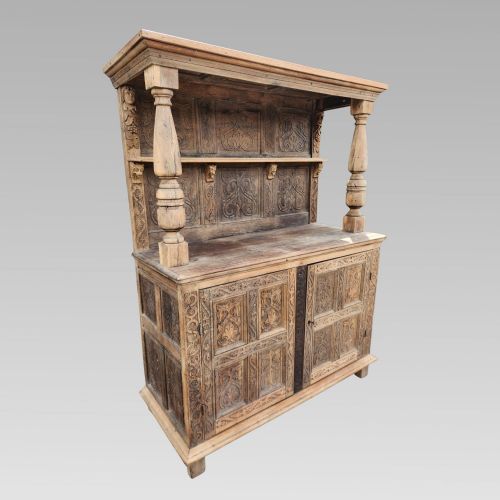


Rustic Oak Kitchen Cabinet
These rustic oak kitchen cabinets offer sturdy storage and honest timber character, bringing practical charm to everyday spaces.
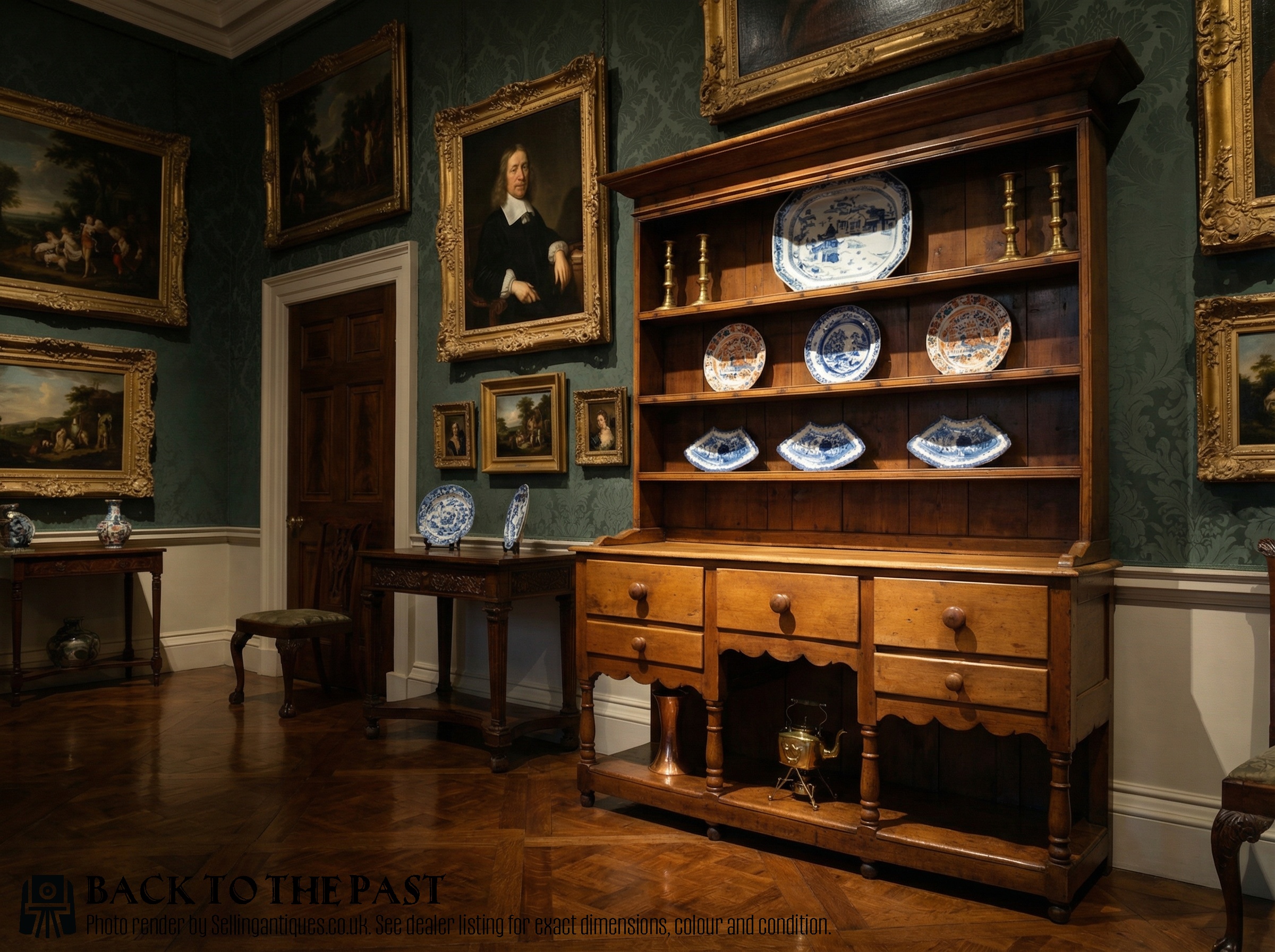
Rustic Oak Kitchen Cabinet
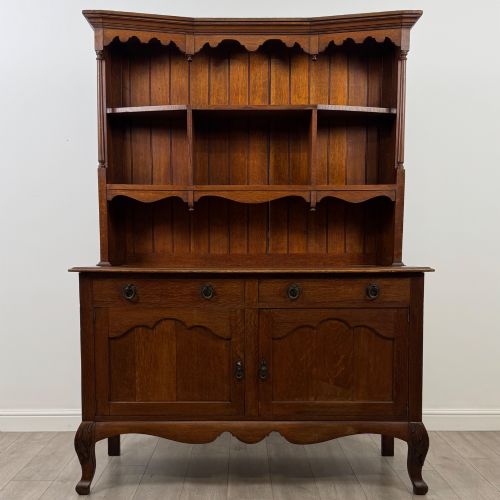
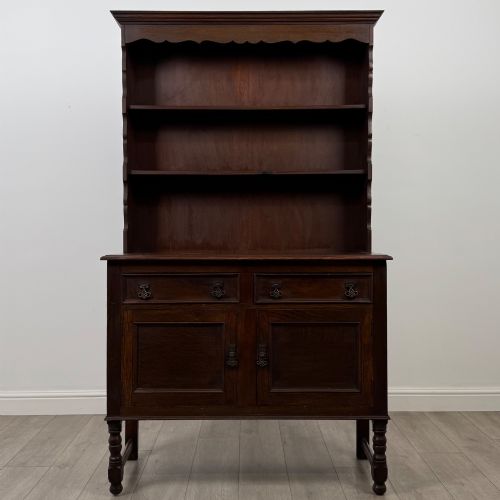
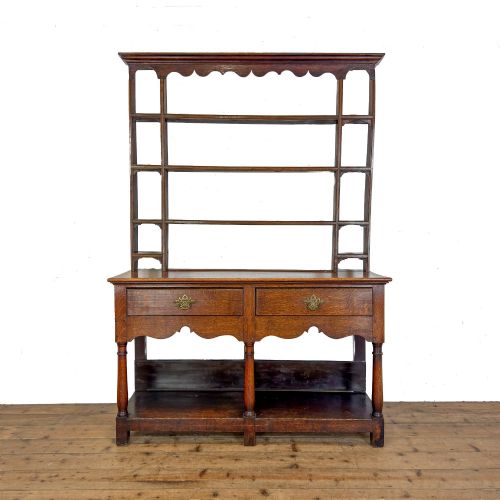
A rustic oak kitchen cabinet brings robust utility and traditional craft into domestic spaces through forms built for storage and display. When searching for a rustic oak kitchen cabinet, buyers encounter large dressers with plate racks, low sideboards, and wall-hanging spice boxes. These pieces originate from various historical periods spanning the seventeenth century through the early twentieth century.
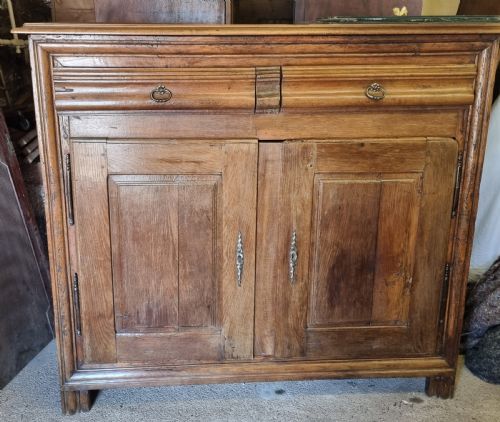
The selection on this page relies heavily on regional vernacular pieces, including Welsh dressers and French provincial buffets. English country examples sit alongside continental fruitwood and walnut variations, all sharing a domestic utility purpose. Buyers frequently meet two-part dressers featuring open shelving above enclosed cupboards or drawers.
Makers working within these styles prioritized functional storage for household provisions, kitchenware, and tableware. The forms range from compact cottage cupboards to grand architectural sideboards designed for farmhouse kitchens. Each piece reflects the everyday demands of historic rural households.
Factors That Determine Quality
Quality rests in the integrity of the timber selection and the retention of original structural elements. Pieces utilising dense, well-figured oak with honest patination demonstrate superior craftsmanship compared to heavily altered examples. The crispness of hand-carved details and the survival of original brass or iron hardware elevate a piece's standing.
Proportion and balance define the upper tier of these storage forms, where cornices, base cabinets, and plate racks harmonize naturally. Original backboards, unaltered shelving, and smooth drawer operation indicate careful historic maintenance. Lesser examples suffer from mismatched timber replacements, stripped surfaces, or poorly executed later modifications.
Rustic Oak Kitchen Cabinet Retail Price Guide 2026
Typical asking prices for rustic oak kitchen cabinet among the pieces listed under this phrase on Sellingantiques today, from the lower quarter to the upper quarter. They describe what is for sale here now, not the wider market.
Listings feature periods spanning the seventeenth century through the 1940s, utilising oak, brass, iron, steel, pine, glass, fruitwood, and mahogany.
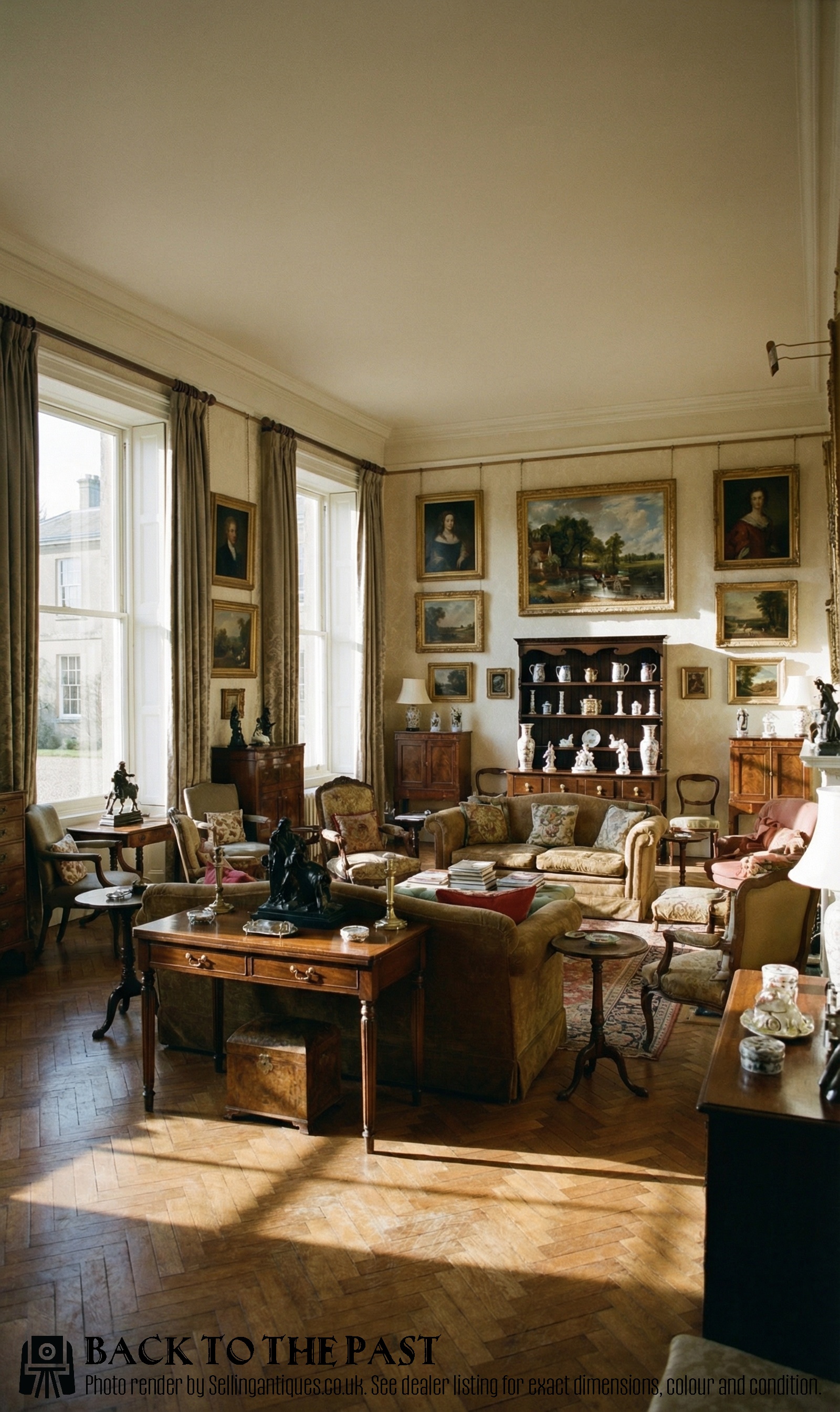
The Rustic Oak Kitchen Cabinet Glossary
- Welsh Dresser
- A traditional kitchen storage unit comprising lower cupboards or drawers surmounted by open plate shelves. This form evolved to display pewter and ceramic tableware in rural homes.
- Breakfront
- A cabinet design where the central section projects forward from the flanking outer sections. This architectural arrangement adds visual depth to larger sideboards and dressers.
- Panetiere
- A specialised French food storage cabinet traditionally used for keeping bread safe from pests. These ventilated cupboards often feature turned spindles or pierced wooden grilles.
- Fruitwood
- A dense timber harvested from fruit-bearing trees such as pear or apple, utilised by regional cabinetmakers. It offers a smooth texture and warm tone that contrasts with coarser oak.
- Sacristy Cabinet
- A low furniture form originally built for ecclesiastical storage but adapted for domestic use in provincial settings. These pieces function well as low buffets in kitchens and hallways.
Rustic Oak Kitchen Cabinet: Frequently Asked Questions
How do I date an oak dresser?
Dating relies on examining construction methods, timber characteristics, and tool marks visible on unexposed internal surfaces. Hand-sawn boards and pegged joinery generally indicate earlier periods.
Hardware styles and secondary timbers like pine also provide chronological clues. Examining the overall form helps place the piece within regional traditions.
Were these cabinets used in kitchens?
Historic vernacular furniture served multiple domestic functions centered around food preparation, storage, and dining provisions. Welsh dressers and cupboards housed tableware, dry goods, and kitchen utensils.
These pieces anchored the domestic routine of rural households. They provided sturdy, accessible storage before fitted kitchens existed.
How do I maintain oak furniture?
Maintaining solid oak requires stable environmental conditions away from direct heat sources and excessive moisture. Regular dusting with a dry cloth prevents dirt buildup on the timber grain.
Occasional application of appropriate wax nourishes the wood without creating sticky buildup. Avoiding harsh chemical cleaners preserves the historic surface patination.
What is the difference between regional styles?
English country pieces emphasise sturdy proportions and straightforward joinery suited to modest cottages. French provincial furniture often incorporates softer fruitwoods and carved decorative panels reflecting regional aesthetics.
Welsh variations prioritize expansive plate racks for displaying domestic ceramics. Each region adapted standard storage forms to local materials and daily needs.